
Side Dishes
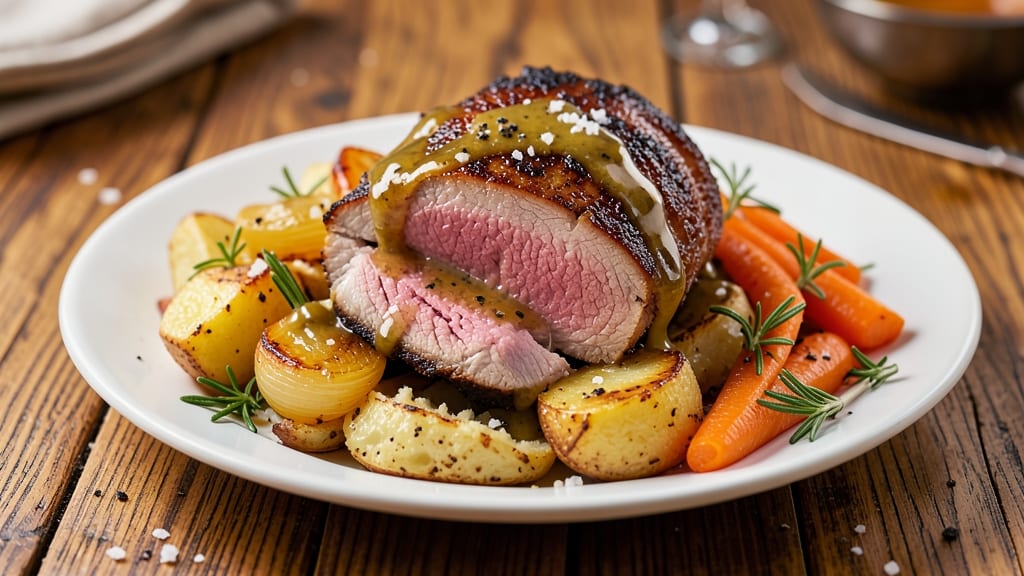
This crock pot pork tenderloin recipe with vegetables transforms weeknight dinners into effortless, restaurant-quality meals with minimal prep and maximum flavor. The secret lies in slow-cooking tender pork alongside aromatic vegetables until they're perfectly tender and infused with herbaceous notes—no fancy techniques required.
My grandmother used to cook this way, relying on patience and simple ingredients to create meals that felt special without the fuss.
The beauty of this recipe is its simplicity: just one pot, 30 minutes of prep, and 4 hours of hands-off cooking time. The pork tenderloin becomes fork-tender while the vegetables absorb the savory juices, creating a harmonious blend of textures and flavors.
I've tested this recipe countless times, and it never fails to deliver perfectly seasoned meat and vibrant vegetables that taste like they've been simmering all day.
What you'll end up with is a dish that's equally satisfying for a family dinner or a cozy meal for two—juicy pork slices that practically melt in your mouth and vegetables that are tender yet still hold their shape.
The aromatics from the herbs and garlic permeate every bite, making this one of those recipes that tastes even better the next day when flavors have had time to meld.
Serve it with crusty bread to soak up those delicious juices or pair it with a simple green salad for a complete, balanced meal. The best part? You'll have more time to enjoy your dinner instead of standing over the stove. Here's how to make it happen.
Ingredients for crock pot pork tenderloin recipe with vegetables
Simple ingredients that transform into a restaurant-worthy meal with minimal effort.
| Ingredient | Amount | Notes |
|---|---|---|
| Pork Tenderloin 🥩 | 1 ½ lb | Center-cut for even cooking |
| Yellow Onion 🧅 | 1 whole | Large, sliced into half-moons |
| Carrots 🥕 | 1 lb | Baby or regular, cut into chunks |
| Russet Potatoes 🥔 | 1 ½ lb | Cut into 2-inch chunks |
| Garlic Cloves 🧄 | 6 cloves | Smashed, not minced |
| Fresh Rosemary 🌿 | ¼ cup | Chopped, stems removed |
| Fresh Thyme 🌿 | 1 tbsp | Leaves only, chopped |
| Olive Oil 🫒 | 2 tbsp | Extra-virgin for richness |
| Dry White Wine 🍷 | ½ cup | Sauvignon Blanc preferred |
| Chicken Broth 💧 | 1 cup | Low-sodium preferred |
| Salt 🧂 | 1 ½ tsp | Diamond Crystal kosher salt |
| Black Pepper 🌶️ | ½ tsp | Freshly ground preferred |
| Dried Oregano 🍃 | 1 tsp | Mexican oregano if available |
The pork tenderloin is the star here—center-cut ensures even cooking without drying out. Grab one from the butcher counter if possible; it's usually more tender than pre-packaged. Costco or Whole Foods carry excellent quality, but your local grocery store's fresh-cut section works too. Look for pieces with good marbling and a vibrant pink color. The vegetables? Baby carrots save time, but regular carrots work just as well—just cut them into even chunks so they cook at the same rate. Potatoes should be firm with no sprouts, and the onions should feel heavy for their size.
No white wine? Extra chicken broth with a splash of apple cider vinegar mimics the acidity perfectly. Fresh herbs make all the difference, but dried oregano at half the amount works in a pinch. The garlic cloves should be smashed—not minced—so they infuse flavor without turning to mush. For the olive oil, Trader Joe's or Whole Foods carry excellent extra-virgin options that elevate this dish. If you're using pre-cut vegetables, give them a quick rinse to remove any dirt from the packaging. The kosher salt is crucial—it dissolves completely, so you won't get those annoying grainy bits.
This dish reheats beautifully—4-5 days in the fridge, 3 months frozen. I like to portion it into meal prep containers so lunches are ready to grab. The flavors actually deepen overnight, so leftovers often taste even better. Store any unused broth in the fridge for up to 1 week or freeze it for 6 months. Fresh herbs? Wrap them in a damp paper towel and store in a sealed bag for 5-7 days—they'll stay fresher longer.
Why You'll Love This Recipe
- Here’s what sold me: those crispy russet potatoes caramelizing at the edges while soaking up the garlic-infused pork juices. It’s the kind of dish where every bite has that perfect mix of savory and sweet—no heavy sauces, just pure, simple flavor.
- Garlic-Potato Magic: Here’s what sold me: those crispy russet potatoes caramelizing at the edges while soaking up the garlic-infused pork juices. It’s the kind of dish where every bite has that perfect mix of savory and sweet—no heavy sauces, just pure, simple flavor.
- Weeknight to Potluck: Between us, this feeds a crowd without stress. Double the recipe for leftovers, or bring it to a gathering—it’s hearty enough to stand alone but flexible enough to pair with store-bought rolls or a simple salad. My in-laws still ask for the recipe years later.
- Budget Meal, Big Payoff: Pork tenderloin is lean and affordable, and the veggies stretch further than you’d expect. A single tenderloin serves four, and the potatoes/carrots bulk it up so no one feels shortchanged. Honestly, it’s my go-to for stretching groceries without sacrificing taste.
Step-by-step instructions for one-pot herb-roasted pork tenderloin
This method delivers melt-in-your-mouth pork with perfectly tender vegetables—all in one pot.
Prep Ingredients for Even Cooking
Start by trimming any excess fat from the 1.5 lb pork tenderloin and pat it completely dry with paper towels. This step is crucial for achieving that beautiful crust later. While the pork rests at room temperature for 15 minutes, prepare the vegetables: Peel and slice the 1 whole yellow onion into ½-inch half-moons, cut the 1 lb carrots into 2-inch chunks, and slice the 1.5 lb russet potatoes into 2-inch cubes. Smash the 6 cloves garlic with the side of your knife to release their flavors without mincing.
Chop the 0.25 cup fresh rosemary and 1 tbsp fresh thyme, removing any woody stems. Measure out the 1.5 tsp salt, 0.5 tsp black pepper, and 1 tsp dried oregano—these will create the perfect herbaceous crust on both the pork and vegetables. The key here is uniformity; even-sized pieces ensure everything cooks at the same rate, resulting in perfectly tender vegetables and juicy pork.
Sear the Pork and Sauté Aromatics
Heat a large skillet over medium-high heat and add the 2 tbsp olive oil. Once shimmering, sear the pork tenderloin on all sides until deeply golden brown, about 3-4 minutes per side. This step isn't just for flavor—it creates a barrier that locks in juices during the slow cook. Transfer the seared pork to your crock pot and set it aside.
In the same skillet, add the sliced onions and cook for 3 minutes until softened. Add the carrots and potatoes, tossing to coat in the residual oil, and cook for another 4 minutes until they begin to caramelize slightly. Stir in the smashed garlic cloves and cook for 30 seconds until fragrant. This quick sauté builds layers of flavor that will infuse throughout the dish. Transfer the vegetable mixture to the crock pot alongside the pork.
Deglaze and Season the Crock Pot
Pour the 0.5 cup dry white wine into the hot skillet, scraping up any browned bits from the bottom with a wooden spoon. This deglazing captures all the caramelized flavors you just created. Pour the wine mixture over the pork and vegetables in the crock pot. Add the 1 cup chicken broth, ensuring the pork and vegetables are partially submerged—this helps prevent drying during the long cook.
Sprinkle the chopped rosemary, thyme, salt, pepper, and dried oregano evenly over the entire mixture. Give it a gentle stir to distribute the herbs and seasonings. The wine and broth combination creates a perfect balance of acidity and richness that tenderizes the pork while enhancing the natural sweetness of the vegetables. The herbs will infuse throughout, giving each bite that aromatic harmony we're after.
Slow Cook to Perfect Tenderness
Place the lid on the crock pot and cook on low heat for 6-7 hours. The slow cooking method is what makes this dish so forgiving and delicious—it allows the collagen in the pork to break down completely, resulting in fork-tender meat. Check the internal temperature of the pork after 5 hours using a meat thermometer; it should reach 145°F for medium doneness. If it hasn't quite reached this temperature, continue cooking for another 30-60 minutes.
About 30 minutes before the cooking time is complete, give the mixture a gentle stir. This helps distribute any accumulated juices and ensures all the vegetables are evenly coated in the flavorful liquid. The potatoes should be fork-tender, the carrots should be soft but still hold their shape, and the onions should be completely tender. The pork should pull apart easily with a fork, indicating it's reached that perfect tenderness we're aiming for.
Rest and Serve with Herb-Infused Sauce
Once the pork reaches 145°F and the vegetables are tender, carefully remove the crock pot from heat. Let the entire mixture rest, covered, for 10 minutes. This resting period allows the juices to redistribute throughout the pork and vegetables, preventing them from drying out when you serve. The flavors will also meld together beautifully during this time, creating that cohesive herb-roasted harmony we promised.
Spoon the pork and vegetables onto serving plates, ladling some of that rich, herb-infused cooking liquid over the top. The sauce should be velvety with just the right balance of wine acidity and herbaceous notes. Serve immediately with crusty bread to soak up any remaining sauce—every bite delivers that perfect combination of tender pork and perfectly cooked vegetables, all infused with aromatic herbs. The one-pot simplicity makes this dish perfect for busy weeknights while delivering restaurant-quality results.
Pro Tips For Making Crock Pot Pork Tenderloin Recipe With Vegetables
- SEAR FIRST, SLOW COOK: Cut the pork tenderloin into 1.5-inch chunks before searing—it cooks faster and stays juicier. After browning in a hot skillet (2 minutes per side), transfer to the crock pot with the onions and garlic. That crust keeps the meat from drying out during the long cook.
- PEEL THOSE POTATOES: Skip the skins if you’re short on time, but if you’re using them, scrub and slice the russets before adding other veggies. They’ll soften unevenly otherwise, leaving some chunks undercooked. Toss them in the pot last—after the pork’s been cooking 2 hours—to avoid mush.
- DON’T OVERCROWD THE POT: I learned this the hard way—packing in too many veggies means the carrots and onions steam instead of caramelize. Use half the onion and halve the carrots (about 4-5 total) so everything gets space to brown slightly at the edges. The potatoes can bulk up more.
- USE COLD WATER, NOT BROTH: Start with 1 cup of cold water instead of broth—it prevents the pork from releasing too much moisture early and turning the dish watery. If you’re worried about flavor, add a splash of broth after the pork’s cooked through (about 3-4 hours on low), then let it simmer another 30 minutes.
Make-ahead tips for this recipe
Prep Ahead Like Grandma
My grandmother always prepped her meals the night before—she called it "Sunday night magic." For this recipe, chop all your vegetables and measure your spices 24 hours ahead and store them in airtight containers in the fridge.
The pork tenderloin can even sit in the fridge overnight—just let it come to room temperature before searing. I like to use quart-sized glass containers from Weck because they keep everything fresh and organized. 💫
Freezer-Friendly Prep
Want to make this a true "dump and cook" meal? Sear the pork tenderloin and sauté the vegetables as directed, then freeze everything together in a freezer-safe bag with the wine and broth.
When ready to cook, transfer the frozen contents directly to your crock pot and add 1 extra cup of broth to compensate for ice melt. Cook on low for 8-9 hours instead of 6-7—this gives everything time to thaw and cook through properly.
Vegetable Prep Shortcuts
No time to chop? Buy pre-cut vegetables from the store—just rinse them well to remove any packaging residue. I grab organic baby carrots and pre-sliced potatoes from my local Trader Joe's to save 15-20 minutes of prep time.
For the onions, use red or yellow onion wedges (the pre-cut kind) and just give them a quick rinse before adding to the crock pot. The flavor won't be identical, but it's close enough that no one will notice the difference.
Herb Prep Tricks
Fresh herbs can be a pain to chop, but I've found a few tricks. Buy pre-chopped rosemary and thyme from the grocery store's fresh herb section—they're usually just as fresh as what you'd chop yourself.
If you're using dried herbs, measure them out a day ahead and store in a small spice jar with the lid tightly sealed. This way, everything is ready when you are. Pro tip: Add a damp paper towel to your herb container to keep them fresh longer.
Make-Ahead Sauce
The herb-infused sauce is what makes this dish special, and you can make it ahead too! After cooking, let the mixture cool completely, then transfer it to a sealed container and refrigerate. The flavors actually deepen overnight, so the sauce will taste even better the next day.
When reheating, add 1-2 tablespoons of water or broth to loosen the sauce if needed. This is perfect for meal prep—just reheat and serve!
Portion for Perfection
Divide the cooked pork and vegetables into meal prep containers while everything is still hot. This ensures the juices distribute evenly, keeping each portion moist and flavorful. Store in the fridge for up to 4 days or freeze for 3 months.
When reheating, cover with a damp paper towel and microwave on low power for 2-3 minutes, stirring halfway. The key is to keep the portions even-sized so everything reheats at the same rate. 🍽️
Nutrition facts
Frequently asked questions
Can I use a different cut of pork instead of tenderloin?
Pork tenderloin is ideal because it's lean and cooks quickly, but you can substitute with pork shoulder or pork loin. For these cuts, increase cooking time to 8-10 hours on low and add 1 cup extra broth to prevent drying. Bone-in cuts like pork chops will need 4-5 hours on high instead. Just monitor the internal temperature—145°F for medium doneness.
What if I don't have white wine? Can I substitute something else?
Use 1 cup apple cider vinegar or 1 cup chicken broth with 1 tbsp lemon juice for the same acidity and depth. For a non-alcoholic option, try 1 cup pineapple juice—it adds a subtle sweetness that pairs beautifully with the herbs. The key is maintaining that balance of acidity and liquid volume to keep the pork tender.
How do I prevent the pork from drying out in the crock pot?
Start by patting the pork completely dry before searing—this helps create a crust that locks in moisture. Keep the pork partially submerged in liquid (about ½ inch covered) and avoid lifting the lid during cooking. If the liquid reduces too much, add ¼ cup broth during the last 30 minutes of cooking. The 15-minute rest after cooking is also crucial—it lets juices redistribute.
Can I make this recipe in an Instant Pot instead?
Yes! Sear the pork as directed, then add all ingredients to your Instant Pot. Cook on high pressure for 30 minutes, followed by a 10-minute natural release. The vegetables may be slightly firmer, so add 5-10 minutes of sauté time after pressure releases to finish them. For extra tenderness, use low pressure for 45 minutes instead. The Instant Pot cuts cooking time dramatically while maintaining great flavor.
What's the best way to reheat leftovers?
Reheat in the crock pot on low for 2-3 hours with ¼ cup broth or water to restore moisture. For microwave reheating, cover with a damp paper towel and heat on 50% power for 2-3 minutes, stirring halfway. The sauce will thicken slightly when reheated, so add a splash of liquid if needed. Leftovers actually taste better the next day as flavors meld!