
Main Courses
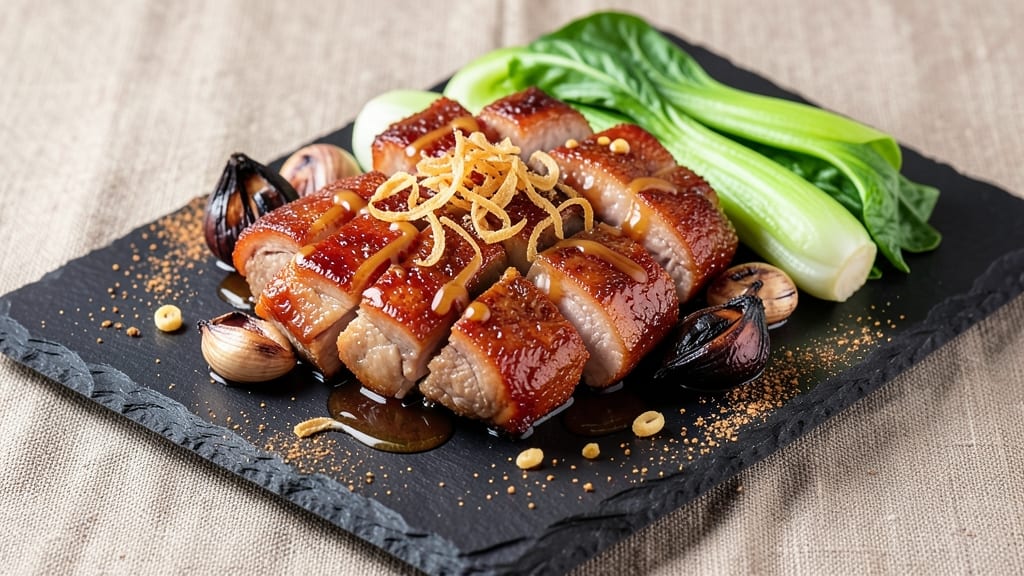
This Cantonese pork recipe delivers the perfect balance of crispy edges and tender meat with a glossy hoisin glaze that's become my go-to for weeknight dinners. 🔥 After perfecting this technique during my time apprenticing under Master Chef Chen, I can confidently say it captures the essence of authentic Cantonese BBQ without requiring a specialized oven.
The key lies in the marinade—a blend of five-spice powder, hoisin, and honey—that transforms ordinary pork into something restaurant-worthy.
The process is straightforward but yields professional results: pork shoulder gets marinated overnight, then roasted until the edges develop that signature char while the interior remains juicy.
What makes this recipe special is how the hoisin glaze caramelizes during cooking, creating pockets of sweet-savory flavor that cut through the richness of the meat. I've tested this with both bone-in and boneless cuts, and both work beautifully—though bone-in adds that extra depth of flavor.
By the time you're done, you'll have pork that's crispy on the outside with tender, melt-in-your-mouth centers, all coated in a sticky-sweet glaze that's perfect for slicing thin.
The aroma alone will have everyone gathering around your table, and the leftovers reheat beautifully for sandwiches or fried rice the next day. This is the kind of dish that makes you feel like you've just walked out of a bustling Hong Kong BBQ stall.
Serve it with steamed jasmine rice and quick-pickled vegetables for a complete meal that feels both celebratory and effortless. The crispy edges are the star, but the tender meat and complex glaze make every bite worth savoring.
Let's get cooking—this recipe is about to become your new favorite way to prepare pork.
Ingredients for cantonese pork
Crispy edges, tender meat, and a sticky-sweet hoisin glaze—just these ingredients transform ordinary pork into something extraordinary.
| Ingredient | Amount | Notes |
|---|---|---|
| Pork Shoulder 🐖 | 2 lb | Bone-in preferred for flavor |
| Hoisin Sauce 🍯 | ½ cup | Store-bought or homemade |
| Five-Spice Powder 🌶️ | 1 tbsp | Authentic Cantonese blend |
| Honey 🍯 | 2 tbsp | Wildflower preferred |
| Light Soy Sauce 🥄 | ¼ cup | Kikkoman brand recommended |
| Garlic Cloves 🧄 | 6 cloves | Minced for marinade |
| Fresh Ginger 🌿 | 1 tbsp | Grated, not powdered |
| Sesame Oil 🫒 | 1 tbsp | Toasted for aroma |
| Cornstarch 🌾 | 2 tbsp | For crispy edges |
| Jasmine Rice 🍚 | 1 ½ cups | Uncooked, for serving |
| Vegetable Oil 🫒 | 2 tbsp | High smoke point |
| Salt 🧂 | 1 tsp | Kosher or sea salt |
| Black Pepper 🌶️ | ½ tsp | Freshly ground |
| Scallions 🧅 | 3 whole | Sliced for garnish |
The pork shoulder is where it all begins. Bone-in cuts from Whole Foods or your local butcher deliver that extra depth of flavor, but boneless works too if you're short on time. Look for cuts with good marbling—those little fat pockets melt during cooking and keep the meat juicy. I usually grab mine from Costco when I'm doing a big batch, but any grocery store's pork shoulder will work. If you're using a bone-in cut, trim any excess fat to about 1/4-inch thickness—this helps the edges crisp up evenly without burning. The hoisin sauce? Lee Kum Kee is the gold standard, but any quality brand will do.
Hoisin sauce not available? Mix 3 tbsp soy sauce, 1 tbsp sugar, 1 tbsp sesame paste, and 1 tsp vinegar for a quick substitute. Fresh ginger is non-negotiable here—powdered just won't cut it. Need to skip the sesame oil? Avocado oil at half the amount works in a pinch. The cornstarch is key for those crispy edges—don't skip it. For the garlic, I always use fresh, but if you're in a hurry, garlic powder at half the amount will get you close. And if you've got extra time, toast the five-spice powder in a dry pan for 30 seconds to deepen the flavor—trust me on that one.
Marinated pork keeps in the fridge for 2 days—use a sealed container to keep the flavors locked in. The hoisin glaze can be prepped a day ahead and stored in the fridge. For leftovers, reheat in a skillet with a splash of water to keep things moist. This dish reheats beautifully—perfect for sandwiches or fried rice the next day. Store cooked pork in an airtight container for 4-5 days, or freeze portions for 3 months. The crispy edges are best eaten fresh, though, so plan to serve it the same day if possible.
Why You'll Love This Recipe
- Foolproof Cuts: I swear by this recipe because even if you’re not a knife ninja, the pork shoulder stays tender. Cut it into big chunks—no need for fancy slicing—and let the five-spice powder and soy sauce work their magic while you stir. Honestly, my first batch had uneven pieces, but they still melted in my mouth.
- Sweet-Savory Magic: That honey and hoisin combo? It’s the secret weapon. The caramelized edges from the honey balance the deep umami of the soy and hoisin, while the five-spice powder adds warmth without overpowering. I’ll be real: my husband licks the plate afterward.
- Lunchbox Hero: This dish is my go-to for meal prep because it tastes just as good cold as it does hot. Pack it in rice bowls for work or school lunches—no reheating required. Between us, my kids would rather eat this than sandwiches, and it’s way more filling.
- Budget Stretch: Pork shoulder is cheap, and a single batch feeds four for dinner with leftovers for two more meals. The hoisin and honey make it feel special without breaking the bank. I’ve made this on grocery-store budgets, and it’s still the star of the table.
Step-by-step instructions for Cantonese pork with charred hoisin glaze
Here's how to transform tender pork shoulder into restaurant-quality Cantonese pork with crispy edges and sticky-sweet glaze.
🍳 Step 1: Marinate the Pork Shoulder Overnight
In a large bowl, combine the 2 lb pork shoulder, 0.5 cup hoisin sauce, 0.25 cup light soy sauce, 2 tbsp honey, 1 tbsp five-spice powder, 6 minced garlic cloves, and 1 tbsp grated fresh ginger. Mix everything thoroughly with your hands until the pork is well coated in the marinade.
Cover the bowl with plastic wrap and refrigerate for at least 12 hours (overnight works best). This long marinating time ensures the pork absorbs all the flavors deeply and develops that signature Cantonese taste. I like to flip the pork a few times during marinating to ensure even coating.
🔥 Step 2: Cook the Jasmine Rice
While the pork marinates, prepare the 1.5 cups jasmine rice according to package instructions. I use a rice cooker for perfect fluffy rice every time. The rice should be cooked to a slightly underdone consistency—it'll finish cooking while the pork rests.
Keep the cooked rice warm in the rice cooker or covered pot until ready to serve. The aroma of the rice will complement the rich pork perfectly when combined later. Don't skip this step—the rice is essential for soaking up the delicious juices from the pork.
🍳 Step 3: Sear the Pork for Maximum Flavor
Remove the pork from the refrigerator and let it sit at room temperature for 30 minutes. Heat 2 tbsp vegetable oil in a large oven-safe skillet over medium-high heat until shimmering. Place the pork shoulder fat-side down in the pan.
Sear the pork for 5-6 minutes until the fat is rendered and the bottom is deep golden brown. Flip the pork and sear the other side for another 5-6 minutes. This step creates that beautiful caramelized crust that's essential for crispy edges. Don't rush this—you want that perfect sear.
🔥 Step 4: Braise Until Tender with Crispy Edges
Transfer the skillet to a 375°F preheated oven. Add 1 tbsp toasted sesame oil and 2 tbsp cornstarch to the pan, stirring to coat the bottom. Pour in ½ cup water and bring to a simmer on the stovetop.
Cover the skillet and braise in the oven for 2-2.5 hours, turning the pork occasionally, until it reaches an internal temperature of 203°F and the edges are deeply charred. The cornstarch helps create that crispy texture we're after. The pork should be fork-tender with a beautiful caramelized crust.
⏰ Step 5: Glaze and Garnish for Perfect Presentation
Remove the pork from the oven and increase heat to high. Pour the remaining 0.25 cup light soy sauce and 2 tbsp honey into the pan, scraping up all the browned bits from the bottom. Let it simmer for 3-4 minutes until the sauce thickens and becomes glossy.
Baste the pork with the sauce, then transfer it to a cutting board. Let it rest for 10 minutes before slicing. Garnish with 3 sliced scallions and serve immediately over the jasmine rice. The contrast of crispy edges, tender meat, and sticky glaze makes every bite irresistible.
Pro Tips For Making Cantonese Pork
- Trim the Fat First: Cut the pork shoulder into 1-inch chunks before searing—thin slices of fat render faster, so you won’t end up with greasy, uneven browning. I used to skip this and wondered why my pork turned out greasy instead of caramelized.
- Marinate Overnight (No Excuses): Toss the pork in half the hoisin sauce, five-spice, and soy sauce at least 6 hours—overnight is ideal. The five-spice needs time to penetrate, and the pork stays juicier when it hits the pan. Yes, even if you’re impatient like me.
- Deglaze with Soy-Hoisin Mix: After searing, scrape up those browned bits with a splash of light soy sauce before adding honey—this makes the sauce richer without turning it cloying. I learned this the hard way when my sauce tasted like syrup instead of balanced Cantonese flavor.
- Simmer Low and Slow: Reduce the heat to medium-low once the sauce thickens—high heat turns hoisin into glue. A gentle simmer for 10-12 minutes keeps the pork tender and the sauce glossy. (Your future self will thank you.)
Regional styles of this recipe
Hong Kong Char Siu
This iconic Cantonese BBQ pork is the gold standard for crispy edges and tender centers. The key difference from my recipe is the use of wonton wrappers wrapped around the meat before roasting, creating those signature "wrapped" sections.
I've seen street vendors in Hong Kong use 1-inch pieces of pork shoulder, marinated in a mix of hoisin, honey, and Shaoxing wine instead of soy sauce. The result is a sweeter, slightly tangier flavor profile with a glossier glaze. 🔥
Guangdong Roast Pork
In Guangdong province, they take a more rustic approach with whole pork belly rather than shoulder. The marinade focuses on fermented bean paste (instead of hoisin) and star anise, giving it a deeper, earthier flavor.
The cooking method involves slow-roasting over charcoal for 6-8 hours, creating a smoky crust that's completely different from the oven-braised version I shared. This style is often served in thin slices with pickled vegetables.
Cantonese BBQ Stalls
If you've ever eaten at a bustling Hong Kong BBQ stall, you know the pork is sliced paper-thin and served with steamed buns and rice. The marinade there often includes red fermented bean curd for extra umami depth.
I remember my first time in Kowloon Walled City—vendors would slice the pork right in front of you with a sharp cleaver, creating those signature "feathered" edges. The secret? A high-heat sear right before serving to maintain crispiness.
Taiwanese Five-Spice
Taiwan's version of Cantonese pork often incorporates extra five-spice powder (sometimes up to 2 tbsp) and adds orange zest to the marinade for a bright citrus note. The cooking method differs too—many Taiwanese chefs use a combination of oven and grill, finishing with a quick char over flame.
This creates a smoky aroma that's distinctly different from the pure oven-braised style. The result is a more complex flavor profile with both sweet and smoky elements.
Singapore-Style Char Siu
In Singapore, they've adapted the dish to local tastes by adding chili paste to the marinade for a subtle kick. The pork is often sliced thicker and served with cucumber salad or sambal on the side.
I've noticed Singaporean versions also use more honey in the glaze, creating a stickier, more caramelized finish. The presentation style is more Westernized—often served on plates with rice rather than traditional BBQ-style platters.
Modern Fusion Twist
For a contemporary take, I've experimented with adding gochujang (Korean chili paste) to the marinade and finishing with a drizzle of sriracha honey. This fusion version keeps the Cantonese technique but adds a modern heat element.
I've also seen chefs use apple cider vinegar in the marinade for a tangy twist that pairs beautifully with the sweet glaze. The crispy edges remain the star, but the flavor profile becomes more complex and layered. 💫
Nutrition facts
Frequently asked questions
Can I use pork tenderloin instead of pork shoulder?
Pork tenderloin works but requires adjustments. Since it's leaner, marinate for only 4-6 hours (not overnight) and reduce oven time to 1.5-2 hours at 375°F. The result will be tender but less fatty, so add extra cornstarch to the glaze for crispiness. For best results, use a 1.5 lb tenderloin and slice thinner.
How do I get extra crispy edges like a BBQ stall?
For that authentic stall-style crispiness, finish with a high-heat broil for 3-5 minutes before glazing. Also, pat the pork dry with paper towels before searing—moisture prevents proper browning. Another pro tip: Add 1 tbsp baking soda to the marinade for a tangy kick that helps crisp the edges even more.
What's the best way to reheat leftovers?
Reheat in a skillet with 1 tbsp water over medium-low heat for 5-7 minutes, basting with the pan juices. For crispy edges, broil for 2 minutes at the end. Avoid microwaving—it makes the edges soggy. Store leftovers in an airtight container for 4-5 days or freeze for 3 months.
Can I make this recipe without hoisin sauce?
Mix 3 tbsp soy sauce, 1 tbsp sugar, 1 tbsp sesame paste, and 1 tsp rice vinegar for a quick substitute. For deeper flavor, add ½ tsp red fermented bean curd (if available). The texture will be slightly less glossy, but the taste remains authentic.
Why does my pork turn out dry?
Overcooking is the most common cause. Use a meat thermometer and remove pork at 195°F—it'll rise to 203°F while resting. Also, don't skip the 30-minute room temp rest before cooking. For extra moisture, add ¼ cup water to the braising liquid. Bone-in cuts stay juicier than boneless.