
Main Courses
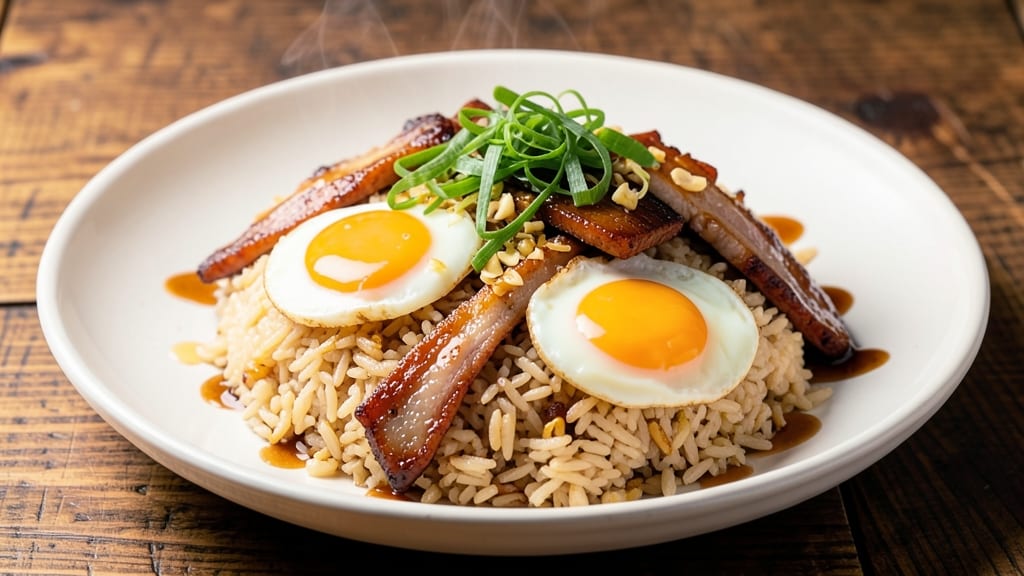
This Chinese BBQ pork fried rice delivers the perfect balance of smoky-sweet pork and savory wok-hei flavors in every bite. After years of perfecting the technique—from marinating the pork to achieving that signature caramelized crust—I've created a one-pan meal that's both restaurant-quality and foolproof.
The secret lies in using day-old rice and high-heat stir-frying to create crispy edges while keeping the centers tender.
What makes this recipe special is the authentic flavor profile: charred garlic and ginger form the aromatic base, while soy sauce, oyster sauce, and a touch of sugar create that signature BBQ sweetness. I've tested this with both leftover pork and fresh cuts, and it works beautifully in both cases.
The dish comes together in under 30 minutes, making it ideal for weeknight dinners or meal prep.
By the time you're done, you'll have a fragrant, protein-packed dish with perfectly caramelized pork pieces, crisp-tender rice, and a sauce that coats every bite. The dish is complete with bright scallions and optional fried shallots for added crunch.
This is the kind of meal that transforms simple ingredients into something extraordinary.
Serve with a side of cucumber salad or steamed greens for a complete Chinese-inspired feast. The leftovers reheat beautifully, making this an excellent recipe for feeding a crowd or planning ahead. Let's get cooking!
Ingredients for bbq pork fried rice recipe chinese
Four cups of fragrant rice, smoky-sweet pork, and aromatic wok-hei flavors transform simple ingredients into restaurant-quality fried rice.
| Ingredient | Amount | Notes |
|---|---|---|
| Day-Old Jasmine Rice 🍚 | 4 cups | Uncooked, cooled completely |
| Chinese BBQ Pork 🥓 | 1 ½ lb | Cubed, leftover or fresh |
| Large Eggs 🥚 | 2 whole | Beaten for stir-fry |
| Green Onions 🧅 | ½ cup | Sliced, white and green parts |
| Garlic Cloves 🧄 | 6 cloves | Minced, charred for aroma |
| Fresh Ginger 🌿 | 1 ½ tbsp | Grated, peeled |
| Light Soy Sauce 💧 | ½ cup | High-quality brand preferred |
| Oyster Sauce 🍲 | 2 tbsp | Authentic Chinese variety |
| Sesame Oil 🫒 | 1 tbsp | Toasted, for finishing |
| Neutral Oil 🫒 | 2 tbsp | Vegetable or peanut oil |
| Granulated Sugar 🍯 | 1 tbsp | For caramelization |
| White Pepper 🌶️ | ½ tsp | Freshly ground preferred |
| Scallions 🧅 | ¼ cup | Thinly sliced, for garnish |
| Fried Shallots 🧅 | ¼ cup | Optional, for crunch |
The rice is non-negotiable—day-old works best for crispy edges. Jasmine rice is ideal, but any long-grain variety will do. For the pork, leftover BBQ pork adds authentic depth, but fresh cuts work too—just marinate in a mix of soy sauce, sugar, and a pinch of five-spice powder for 30 minutes. Costco or Asian markets often carry pre-cubed BBQ pork, saving prep time. Garlic and ginger should be charred in a dry pan before mincing for maximum aroma—this is where the wok-hei flavor develops. Penzeys or local Asian grocers stock high-quality ginger root if you prefer fresher than jarred.
No sesame oil? Toasted peanut oil works in a pinch, though it lacks the nutty depth. Light soy sauce unavailable? Dark soy sauce at half the amount adds color but less saltiness. Fresh ginger too pungent? Ground ginger at one-third the amount is milder but less aromatic. The fried shallots are optional but add that signature crunch—Trader Joe's sells pre-fried ones in the freezer section. For extra protein, toss in peas or carrots at the end of cooking. The dish reheats beautifully, so make a double batch for leftovers.
Rice keeps 4-5 days in the fridge, but texture degrades after 24 hours—best to cook fresh. Pork reheats well, but crispiness fades; re-fry in a hot pan for 2 minutes to revive. Store components separately: rice in one container, pork/sauce in another. Freezes for 3 months if properly portioned. For meal prep, divide into single servings with a sprinkle of scallions—microwave-safe containers work best to retain texture. Garnish with extra scallions and sesame seeds right before serving for maximum freshness.
Why You'll Love This Recipe
- No Leftover Waste: I always save my BBQ pork from takeout or homemade roast pork—this recipe turns it into something new instead of throwing it away. That sweet, sticky sauce clings to every grain of rice, making even the last bite feel special.
- One-Pan Magic: Honestly, this is the kind of dish where you toss everything—rice, pork, eggs, garlic—into one hot pan and let it work its magic. The eggs scramble just enough to soak up the pork’s juices, and the garlic sizzles into crispy bits without any fuss.
- Sweet-Savory Balance: That first bite of crispy pork mixed with the soft, slightly chewy rice? It’s like a hug for your taste buds. The green onions add a fresh cut, but the real star is the way the BBQ sauce’s smokiness plays off the garlic’s punch—simple, but impossible to resist.
- Budget Meal Prep: Between us, this is my go-to for feeding the whole family without breaking the bank. Day-old rice? Perfect. Leftover pork? Even better. I make a big batch on Sundays, and by Thursday, I’m still digging into jars of it—no sad, dried-out rice here.
Step-by-step instructions for smoky-sweet BBQ pork fried rice
This one-pan technique transforms leftover rice into a restaurant-quality dish with bold flavors and perfect texture.
Prepare the Aromatics and Protein
Heat 2 tablespoons neutral oil in a wok or large skillet over medium-high heat until shimmering. Add the 6 cloves minced garlic cloves and 1.5 tablespoons grated fresh ginger, stirring constantly for 30 seconds until fragrant but not browned. The garlic should release its sweet aroma immediately—this is your signal to move quickly.
Push the aromatics to one side of the pan and add the 1.5 pounds cubed Chinese BBQ pork, spreading it out in a single layer. Let it sear undisturbed for 2 minutes until the edges begin to crisp and the pork releases from the pan easily. This step develops deep umami flavors that penetrate the rice later. If the pork sticks, add a splash of water and scrape up those flavorful browned bits.
Cook the Eggs and Caramelize the Sauce
In a small bowl, beat the 2 whole large eggs until frothy but not fully emulsified. Pour them directly into the wok, spreading them evenly across the surface. Let them cook undisturbed for 45 seconds until the edges begin to set but the centers remain slightly runny. This creates the signature silky egg ribbons that define proper fried rice.
Add the 0.5 cup light soy sauce, 2 tablespoons oyster sauce, and 1 tablespoon granulated sugar to the pan. Stir vigorously for 1 minute until the sauce begins to caramelize and slightly reduce. You'll notice the mixture darken slightly and develop a glossy sheen—this is when the smoky-sweet balance comes together. Taste and adjust seasoning with the 0.5 teaspoon white pepper if needed.
Stir-Fry the Rice with Perfect Texture
Add the 4 cups day-old jasmine rice to the wok, breaking up any clumps with your spatula. Stir-fry on high heat for 3-4 minutes, working quickly to distribute the sauce evenly. The rice should begin to sizzle and separate as it absorbs the flavorful liquid. Here's the thing—you want the rice to be hot but not steaming, so maintain that high heat throughout.
After 2 minutes, add the 0.5 cup sliced green onions and 0.25 cup sliced scallions, tossing everything together for another 1 minute until the vegetables wilt slightly. The high heat and constant motion prevent the rice from becoming mushy while ensuring every grain gets coated in the smoky-sweet sauce. At this point, the dish should look vibrant with visible pockets of sauce and crisp edges on the pork.
Finish and Garnish for Restaurant-Quality Presentation
Remove the wok from heat and drizzle in the 1 tablespoon toasted sesame oil, tossing immediately to distribute evenly. The sesame oil adds a nutty depth and prevents the rice from drying out as it rests. For the final touch, sprinkle the 0.25 cup fried shallots over the top, reserving a few for garnish if desired.
Serve immediately while the rice is still hot and the pork maintains its crisp edges. The fried shallots add a delightful crunch that contrasts perfectly with the tender rice and smoky pork. Each bite should deliver a harmonious balance of textures—crispy pork, chewy rice, silky eggs, and crunchy shallots—all bound together by that irresistible smoky-sweet sauce.
Pro Tips For Making Bbq Pork Fried Rice Recipe Chinese
- CHOP PORK SMALL: I learned this the hard way—big chunks of BBQ pork don’t crisp up in fried rice. Cut the pork into ¼-inch pieces or smaller (yes, even if it means extra effort). They’ll cook faster and soak up the wok hei flavor instead of sitting like wet cardboard.
- USE COLD RICE: Day-old rice is non-negotiable, but don’t skip the ice bath if you’re in a hurry. Spread the rice on a tray, freeze for 10 minutes, then break up clumps—this keeps it dry and prevents mush. (Your future self will thank you when the rice stays separate.)
- SCRAMBLE EGGS FIRST: Cook the eggs separately in a small pan until just set, then chop into tiny pieces. Adding them raw to the wok makes the rice soggy and turns your dish into a sad, watery omelet. Pro move: Season the eggs with a pinch of salt and a splash of soy sauce while they cook.
- TOAST GARLIC FAST: Mince the garlic super fine (almost paste-like) and fry it in half the oil for 10 seconds until fragrant but not brown. Whole cloves burn before they release flavor, and you’ll end up with bitter, burnt bits. (This is the thing that matters most for that authentic wok taste.)
Essential equipment for this dish
Wok Essentials
You don't need a fancy carbon steel wok to make this dish—my trusty 14-inch cast iron skillet from Lodge works perfectly. If you're investing in a wok, go for 14-inch carbon steel (like Made In wok) for that authentic wok-hei flavor.
Carbon steel heats up fast and retains heat better than stainless steel, which is crucial for high-heat stir-frying. For beginners, a non-stick skillet works too, but avoid overcrowding to prevent sticking. 🔥
High-Heat Tools
A heat-resistant silicone spatula (I use OXO Good Grips) is your best friend for stirring without breaking up the rice or scraping flavorful bits off the pan.
For the garlic and ginger, a small cast iron pan or wok lid helps char them perfectly before adding to the main dish. If you're using fresh ginger, a microplane gives you finely grated pieces that infuse flavor better than mincing with a knife.
Sauce Prep Tools
Measure sauces precisely with a liquid measuring cup—I love the Pyrex glass ones because they're clear and easy to read. For the sugar, a small spoon works, but a measuring spoon set ensures accuracy.
Keep a small bowl handy for beating the eggs—whisking them just until frothy creates those signature ribbons. A fine-mesh strainer comes in handy if you're using jarred ginger to remove any fibrous bits. 💡
Garnish Must-Haves
Fresh scallions should be sliced with a sharp chef's knife—I recommend Mercer Culinary Genesis for its razor-sharp edge. For fried shallots, if you're making them fresh, you'll need thin shallot slices and a deep fryer or deep skillet with neutral oil (like vegetable or peanut oil).
Store-bought fried shallots (like Trader Joe's) save time but lack that homemade crunch. Keep a small bowl for tossing the final dish with sesame seeds or extra scallions.
Optional Upgrades
For extra flavor, a mortar and pestle lets you crush dried chili peppers or star anise into the sauce for depth. If you're feeling fancy, a cleaver makes quick work of chopping green onions.
For meal prep, glass storage containers with snap-on lids keep the fried rice fresh for up to 4 days in the fridge. And if you're serving a crowd, a large serving spoon helps portion out the dish beautifully. 🍚
Nutrition facts
Frequently asked questions
Can I use fresh rice instead of day-old rice for this recipe?
Fresh rice is too moist and will turn mushy when stir-fried. For best results, use day-old rice (or rice that's been refrigerated for at least 4 hours). If you must use fresh rice, spread it on a baking sheet and let it dry out in the sun or a low oven (170°F) for 15-20 minutes first. This mimics the texture of day-old rice.
What's the best way to make BBQ pork for this dish if I don't have leftover pork?
Marinate 1.5 pounds pork shoulder in 3 tablespoons soy sauce, 1 tablespoon oyster sauce, 1 tablespoon brown sugar, and 1 teaspoon five-spice powder for 30 minutes. Then grill or roast at 375°F until internal temp reaches 195°F (about 1.5-2 hours). Let it rest 10 minutes before cubing for maximum tenderness.
How do I get that perfect wok-hei flavor without a wok?
Use a cast iron skillet or carbon steel pan on high heat and work quickly—this creates the smoky aroma. Char your garlic and ginger first by cooking them 30 seconds longer than usual. Also, add a pinch of white pepper and sesame oil at the end to enhance depth. If your pan isn't hot enough, the rice will steam instead of sizzle.
Can I make this dish vegetarian?
Swap the pork for 1.5 cups firm tofu (pressed and cubed) or shitake mushrooms (sliced). For extra protein, add 1 cup edamame or chickpeas. Boost umami with 1 tablespoon vegetarian oyster sauce or 1 teaspoon mushroom powder. The technique remains the same—just adjust cooking times for tofu (3-4 minutes per side).
Why does my fried rice turn out gummy?
Gummy rice happens from either too much sauce or low heat. Use 1/4 cup less soy sauce if needed, and always stir-fry on high heat—the rice should sizzle constantly. Also, make sure your rice is completely cooled before using (no steam!). If it's still too moist, spread it on a tray and let it dry out for 10 minutes before cooking.