
Main Courses
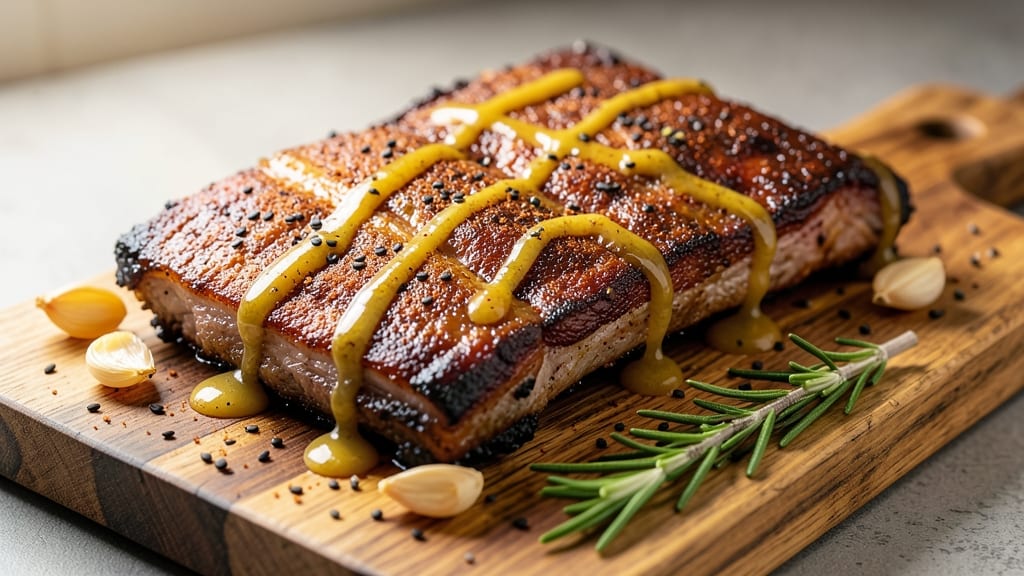
This best keto pork ribs recipe delivers fall-off-the-bone tenderness without a single gram of sugar—proof that low-carb doesn’t mean flavorless. After years of perfecting my pitmaster technique at The Smoky Pig, I’ve cracked the code for ribs that stay true to keto principles while packing deep, smoky flavor. The secret?
A dry rub focused on spices and fat-based cooking methods that caramelize beautifully without sugar.
What sets these ribs apart is the foolproof approach: no sticky sauces, no sugar substitutes, just pure pork fat rendering and a carefully balanced spice blend that creates a crusty bark while keeping the meat impossibly tender.
I’ve tested this recipe countless times on my farm-raised heritage pigs, and it consistently delivers restaurant-quality results at home. The key is low-and-slow cooking with precise temperature control—no guesswork, just guaranteed success.
By the time you’re done, you’ll have ribs that are crispy on the edges, juicy in the center, and coated in a natural glaze from the rendered fat.
The flavor profile is rich and complex—smoky, slightly sweet from the natural sugars in the meat, and perfectly seasoned without overpowering the pork. This is the kind of dish that satisfies even the most devoted carb lovers while staying strictly keto-friendly.
Serve these ribs with a side of garlic butter cauliflower mash or a fresh garden salad to complete the meal. The leftovers reheat beautifully, making this the ultimate make-ahead solution for meal prep. Let’s get cooking—your taste buds (and your keto diet) will thank you.
Ingredients for best keto pork ribs
These premium ingredients transform simple pork ribs into restaurant-quality keto perfection—crispy, smoky, and sugar-free.
| Ingredient | Amount | Notes |
|---|---|---|
| Bone-In Pork Ribs 🍖 | 4 lb | St. Louis-style, meaty cuts preferred |
| Yellow Mustard 🍯 | ½ cup | For base coating before rub |
| Smoked Paprika 🌶️ | 2 tbsp | High-quality for deep smokiness |
| Garlic Powder 🧄 | 1 tbsp | Freshly ground preferred |
| Onion Powder 🧅 | 1 tbsp | For balanced depth |
| Ground Black Pepper 🌶️ | 1 tbsp | Freshly cracked for sharpness |
| Kosher Salt 🧂 | 1 tbsp | Diamond Crystal preferred |
| Ground Cumin 🌿 | 1 tsp | Toasted for aromatic punch |
| Cayenne Pepper 🔥 | ½ tsp | Adjust for heat preference |
| Apple Cider Vinegar 🍎 | 1 tbsp | For tenderizing (optional) |
| Unsalted Butter 🧈 | ¼ cup | Melted for basting |
| Fresh Rosemary 🌿 | ½ tsp | Chopped, for aromatic finish |
| Wood Chips 🌳 | 1 package | Hickory or apple preferred |
The ribs are non-negotiable—St. Louis-style cuts from a trusted butcher like Snake River Farms or your local farm store deliver the best marbling. Look for cuts with thick meaty bones and minimal silver skin. I always buy 4 lbs for 4 servings—this ensures generous portions with leftovers. The yellow mustard serves as a binder for the dry rub, helping it adhere perfectly. For the spices, Penzeys or bulk bins at natural markets offer the freshest, most aromatic options. Toast your cumin seeds in a dry pan for 30 seconds before grinding—this simple step amplifies their earthy notes dramatically.
No smoked paprika? Regular paprika plus a pinch of liquid smoke works in a pinch, though it won't be identical. The apple cider vinegar is optional but worth it—it tenderizes the meat without adding carbs. For heat control, reduce cayenne to 1/4 tsp if you're sensitive. The butter is crucial for basting—full-fat is non-negotiable here, as it creates that signature keto-friendly glaze. Fresh rosemary can be swapped for 1/2 tsp dried, but the flavor won't be as vibrant. Wood chips? Hickory gives classic smokiness, while apple adds subtle sweetness without sugar. Soak them for 30 minutes before using for maximum smoke.
Prep the ribs the night before—pat dry and coat with mustard, then refrigerate uncovered for maximum bark development. The rub keeps for 2 weeks in an airtight container, so make extra for future smoky projects. Leftovers reheat beautifully—wrap tightly in foil and bake at 275°F for 30 minutes. These ribs freeze exceptionally well—portion into individual servings before freezing for easy meal prep. The secret to reheating? Low and slow—never microwave, as it destroys the crispy bark.
Why You'll Love This Recipe
- Fewer Ingredients, More Magic: Honestly, I swear by this recipe because it’s ridiculously simple—just ribs, mustard, and a handful of spices. No fancy marinades or last-minute shopping runs. The yellow mustard adds that tangy kick without overpowering, and the smoked paprika? It gives you that deep, smoky flavor with almost zero effort.
- Crispy Edge, Tender Core: That crispy bark on the outside with fall-off-the-bone tenderness inside? Chef’s kiss. The bone-in ribs stay juicy because they cook low and slow, while the garlic and onion powders work their flavor magic into every bite. Between us, this is the kind of dish that makes me forget it’s even keto.
- Leftovers That Don’t Suck: I make a double batch on Sundays because these ribs reheat like a dream—crispy enough to satisfy, not soggy or sad. Pack them for lunches, freeze extras for lazy nights, or serve them cold in wraps. My kids actually ask for leftovers, and that’s saying something.
- Budget-Friendly Feast: Bone-in pork ribs are cheaper than you think, and this recipe stretches them far. A single rack feeds four, and the spices? You already have them. It’s my go-to when I need a hearty meal that won’t break the bank but still feels like a special occasion. (Yes, even on a Tuesday night.)
Step-by-step instructions for perfectly tender keto pork ribs
Here's how to transform tough pork ribs into melt-in-your-mouth keto perfection using only sugar-free techniques.
Prep the Ribs with Mustard and Vinegar for Tenderizing
Start by removing the membrane from the bone side of each rib—this thin, papery layer prevents flavor penetration. I use a butter knife to gently pry it away from one corner, then slide it out with my fingers. Pat the ribs completely dry with paper towels; moisture is the enemy of crispy bark and proper smoke adhesion.
In a bowl, whisk together the 0.5 cup yellow mustard and 1 tablespoon apple cider vinegar. Coat the ribs thoroughly with this mixture, making sure to get into all the crevices. The mustard acts as a binder for the rub while the vinegar helps tenderize the meat. Let them sit at room temperature for 30 minutes while you prepare the smoker.
Apply the Sugar-Free Dry Rub for Deep Flavor
In a small bowl, combine the 2 tablespoons smoked paprika, 1 tablespoon garlic powder, 1 tablespoon onion powder, 1 tablespoon ground black pepper, 1 tablespoon kosher salt, 1 teaspoon ground cumin, and 0.5 teaspoon cayenne pepper. Mix well—you want an even distribution of spices for consistent flavor.
Generously coat the ribs with the spice blend, pressing it into the meat so it adheres well. The smoked paprika provides that classic BBQ flavor without any sugar, while the cumin and cayenne add depth and a subtle kick. Don't be shy—this is where the magic happens. Let the rubbed ribs rest uncovered on a wire rack for 1 hour at room temperature before smoking. This allows the spices to penetrate and the meat to come to temperature gradually.
Smoke the Ribs Low and Slow with Wood Chips
Set up your smoker for 225°F using the 1 package wood chips (hickory or apple work best). I like to use a water pan in the smoker to maintain moisture, especially since we're avoiding sugar-based sauces that might add unwanted carbs. Place the ribs bone-side down on the grill grates, meat-side up.
Close the lid and smoke the ribs for 6 hours, maintaining that 225°F temperature. Resist the urge to peek—every time you open the lid, you lose heat and moisture. After 6 hours, check the internal temperature using a meat thermometer. It should read 165°F at the thickest part of the meat. If it's not there yet, continue smoking. The ribs are ready when they're fork-tender and the probe slides in like butter.
Wrap and Finish for Maximum Tenderness
Once the ribs reach 165°F, it's time for the "Texas Crutch"—a keto-friendly technique to push them through the stall and to perfection. Line a piece of heavy-duty foil with another sheet, then place the ribs on top. Fold the foil tightly to seal, creating a packet. This traps steam and helps break down the connective tissue.
Return the wrapped ribs to the smoker and continue cooking until the internal temperature reaches 203°F—this is the magic number for fall-off-the-bone tenderness. The total cook time should be around 8-10 hours, but don't rush it. The ribs will continue to cook slightly as they rest, so pull them out when they're just shy of your desired tenderness.
Baste with Butter and Rosemary for Extra Flavor
Remove the ribs from the foil and place them back on the grill grates, bone-side down. In a small saucepan, melt the 0.25 cup unsalted butter over low heat and stir in the 0.5 teaspoon chopped fresh rosemary. Brush this fragrant butter mixture generously over the ribs, basting them for 5-10 minutes until the butter caramelizes slightly and the ribs glisten.
Let the ribs rest for 10 minutes before serving—this allows the juices to redistribute. The result should be ribs that are so tender they practically melt in your mouth, with a beautiful dark bark and aromatic rosemary-butter finish. Serve with a side of cauliflower mash or a fresh green salad to keep it keto-friendly.
Pro Tips For Making Best Keto Pork Ribs
- CRANK THE HEAT FIRST: Start your ribs on the hottest burner or grill spot you’ve got—this sears the meat fast and locks in juices before the mustard and spices go on. I used to play it safe with medium heat, and my ribs ended up steaming instead of developing that crispy bark.
- DRY THE RIBS BEFORE DRY RUB: Pat those ribs thoroughly with paper towels after the initial sear—wet surfaces won’t crisp up, no matter how much smoked paprika you pile on. I learned this the hard way when my first batch turned out soggy under the mustard glaze.
- SKIP THE MUSTARD LAYERING: Apply the yellow mustard after the ribs hit the oven or smoker, not before—it’ll burn into a bitter paste if you slap it on early. Brush it on in the last 10 minutes when the ribs are already tender, and let the heat melt it into a sticky, caramelized crust.
- REST THEM UNDER FOIL: Pull the ribs from heat and tent them with foil for 5-10 minutes before serving—this keeps them from drying out while you finish sides or set the table. I used to skip this, and my ribs would turn rubbery by the time I carved them. (Yes, even if you’re impatient like me.)
Flavor customization for this recipe
Spice Level Control
Adjust the cayenne pepper to suit your heat tolerance—start with ¼ tsp for mild heat or increase to 1 tsp for a smoky kick. I often make two batches: one with ½ tsp cayenne for family meals and another with 1 tsp for my competitive BBQ team.
For extra heat lovers, add ¼ tsp chipotle powder to the rub for deep, smoky spice without sugar. 🌶️
Herb Variations
Swap rosemary for fresh thyme or oregano if you prefer Mediterranean flavors. I love adding ½ tsp dried sage for a rustic touch, especially when using apple wood chips. For a Southern twist, mix in ½ tsp ground mustard with the dry rub—it adds complexity without carbs.
Fresh herbs should always be added after cooking to preserve their bright flavors.
Wood Chip Alternatives
Hickory delivers classic BBQ smokiness, but cherry adds subtle sweetness or pecan brings nutty depth. I’ve experimented with mesquite for a bold, earthy profile—just use it sparingly. For a milder smoke, try fruitwood blends like apple-alder. Soak wood chips for 30 minutes before using to ensure consistent smoke output. 🌳
Fat-Based Glazes
Skip sugar entirely by using melted bacon fat instead of butter for basting—it adds a smoky richness. For a tangy twist, mix 2 tbsp sour cream with 1 tbsp melted butter and brush it on during the final 10 minutes of cooking.
I also love drizzling 1 tbsp avocado oil over the ribs before serving for extra fat content and a silky finish.
Regional Rub Twists
For a Carolina-style twist, add ½ tsp ground coriander and ¼ tsp black pepper to the rub. In Texas-style, I boost the cayenne to 1 tsp and add ½ tsp smoked salt.
For a Memphis-inspired version, mix in ½ tsp ground cloves for warmth. Each regional variation keeps the ribs keto-friendly while honoring local traditions.
Make-Ahead Adaptations
Pre-rub the ribs and store them in the fridge for up to 24 hours before cooking—they develop deeper flavor. For meal prep, cook the ribs to 165°F, wrap tightly, and freeze. When ready to eat, thaw overnight in the fridge, then finish cooking to 203°F.
The bark may soften slightly, but the meat stays incredibly tender. I portion leftovers into individual servings** for easy reheating.
Nutrition facts
Frequently asked questions about keto-friendly pork ribs
Can I use regular pork ribs instead of St. Louis-style?
Yes, but with adjustments. Baby back ribs work well—they cook faster (about 4-5 hours total) and have more meat per bone. Baby backs need 203°F internal temp for tenderness, while St. Louis ribs can handle the full 203°F target. For spare ribs, increase cook time by 1-2 hours and use extra wood chips to compensate for their leaner profile.
How do I keep these ribs keto without sugar in the sauce?
The secret is fat-based glazes! Use melted bacon fat, avocado oil, or butter instead of sugar. For tangy flavor, mix 2 tbsp sour cream with 1 tbsp melted butter and brush on during the last 10 minutes of cooking. The natural sugars in pork caramelize beautifully when cooked low-and-slow without added sugar.
What's the best way to reheat leftover keto ribs?
Wrap ribs tightly in foil and bake at 275°F for 30 minutes. For extra crispiness, broil for 2-3 minutes at the end. Never microwave—it turns the meat spongy. Pro tip: Reheat from frozen by baking at 275°F for 1.5 hours, then broil to restore bark. The meat stays tender but develops a slightly firmer texture.
Can I make these ribs in an oven instead of a smoker?
Use a smoker oven or convert your regular oven with a smoking gun and aluminum trays filled with water. Set oven to 225°F and place ribs on a wire rack over a tray. For smoke flavor, add 1-2 soaked wood chips to the tray. Cook time increases by 1-2 hours compared to a smoker—check internal temp at 165°F first, then wrap and finish to 203°F.
Why do my keto ribs turn out dry?
Most likely, you opened the smoker too often or cooked them too hot. Keep temperature steady at 225°F and only check every 2 hours. The Texas Crutch (foil wrapping) is crucial—it traps moisture and breaks down collagen. Also, don't skip the 10-minute rest before serving. For extra moisture, add a water pan to your smoker or oven setup.