

It started with a pork belly that kept turning to rubber
The first time I tried smoking a pork belly, it was December in North Carolina, and the temperature outside had dropped to 3°F.
I’d spent three hours building the fire in the offset smoker, wrapping the belly in butcher paper, and spraying it with apple cider vinegar—all the steps I’d read about, all the things that were supposed to make it crispy and tender.
But when I pulled it off the rack, the fat was glossy, sure, but the meat itself was dense, like chewing on a tire inner tube. The skin had cracked in places, and the edges were pale, not golden.
I cut into it anyway, slicing through the fat to get to what I hoped was the good part. The first bite was greasy, salty, but wrong—no give, no melt. The texture was all wrong.
I’d followed the recipe exactly, but something had gone off in the last hour, when the smoker’s temperature had dipped without warning. The meat had cooled too fast, and the fat had set like wax.
I stood there in the smokehouse, the wind howling through the trees, and realised I didn’t know why it had failed. The recipe didn’t say anything about adjusting for cold snaps. It didn’t mention that the bark on the wood could change how the smoke behaved.
And it sure as hell didn’t warn you about the moment when the meat stops being forgiving.
Nine tries before it worked
The second time, I wrapped the belly in foil first, then butcher paper, thinking the extra layer would keep the moisture in. It didn’t. The meat stayed damp and bland, and the fat never crisped.
The third time, I used a water pan inside the smoker, but the belly ended up soggy, the skin peeling off in sheets. By the fifth attempt, I’d switched to a different wood—hickory instead of cherry—and the smoke overpowered the meat, leaving it bitter.
Each failure taught me something, but none of them fixed it.
On the seventh try, I finally got the temperature right, but the bark on the wood was too thick, and the smoke came in bursts. The belly developed dark patches where the heat wasn’t even.
The eighth time, I spent an extra hour dry-brining it, but the skin still split open in places, and the fat didn’t crackle like it was supposed to.
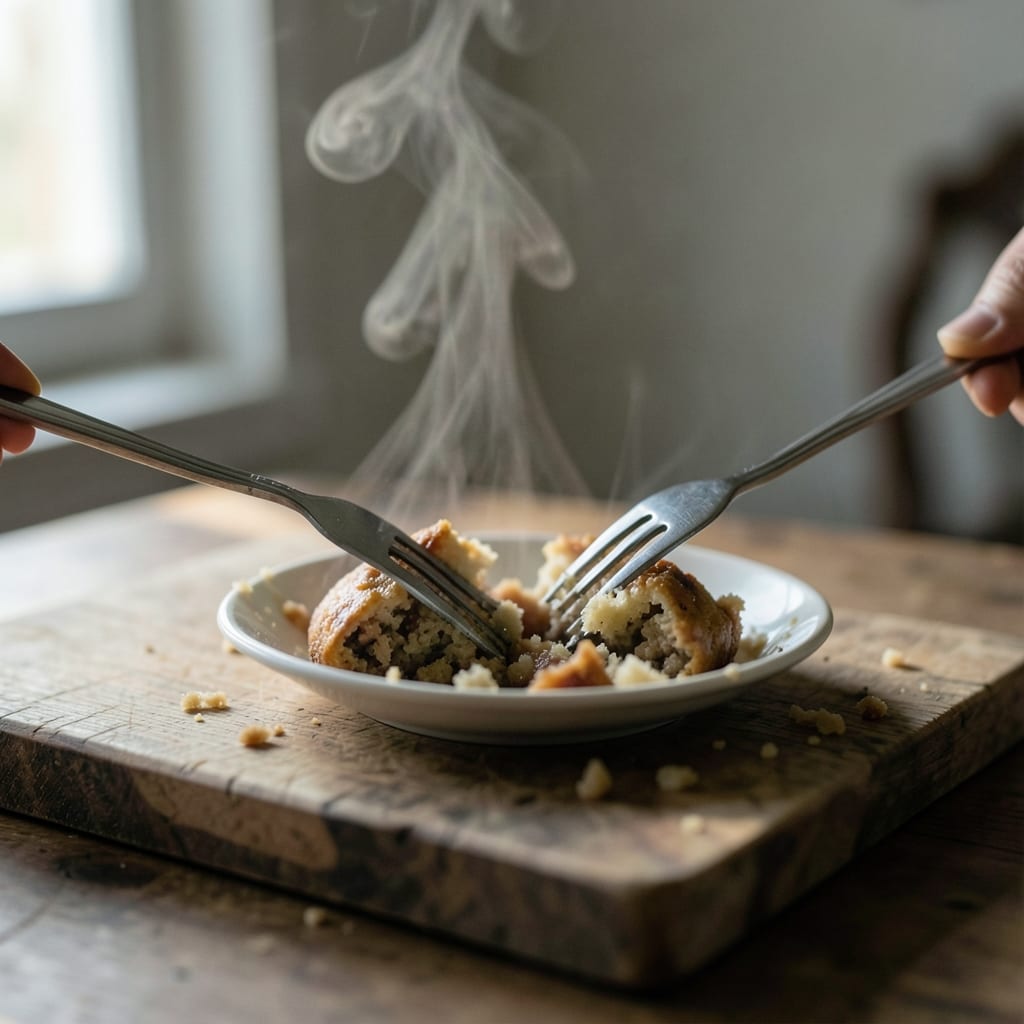
It was only on the ninth attempt—when I stopped checking the thermometer every five minutes and trusted the wood and the time—that it worked. The skin was golden and shattering, the fat rendered into perfect lacy sheets, and the meat fell apart with just a fork.
The difference wasn’t in the recipe. It was in the patience, the willingness to let the process happen without forcing it. And in the realisation that some things—like pork belly—don’t care about your schedule.
They care about the fire, the wind, the wood, and the time it takes for the fat to turn to gold.
The mind behind these pages

That was me, standing in the smokehouse with a butcher knife and a belly that refused to cooperate. Dolores Sizemore, founder and editor of *Pork Recipes Bacon*, the person who now spends her days writing about fat, smoke, and the quiet satisfaction of a dish that turns out right.
I didn’t grow up knowing how to smoke meat—I grew up watching my uncle pull apart briskets like they were nothing, his hands moving with the ease of someone who’d done it a thousand times.
That moment stuck with me, the way the raw meat could become something rich, tender, and impossible to resist.
I’m the kind of person who tries things nine times before I admit they might not work. It’s a habit that’s gotten me into more trouble than it’s saved me—burnt batches of biscuits, overproofed dough, a single attempt at homemade sausage that ended up in the compost.
My uncle was the first one to call me out on it. ‘You’re not learning,’ he said, leaning against the smokehouse door. ‘You’re just making the same mistake slower.’ But he also taught me that the mistakes are part of the story, not just roadblocks.
Outside the kitchen, I’m the kind of person who plants tomatoes in March and then forgets to water them until July. I once tried to build a bookshelf without measuring twice, and it’s still crooked.
I don’t do things by the book—I do them by trial, error, and a stubborn refusal to give up before something works.
But here, in the smokehouse and on these pages, that stubbornness is what matters. Because the best pork—like the best anything—isn’t about perfection. It’s about the crackle of fat, the rendered flavor, and the truth that comes out when you let the process do its work.
Everything here is written the way that belly was
This site doesn’t just collect recipes. It collects the things that happen *before* the recipe works—the failed attempts, the adjustments, the moments when the smokehouse temperature drops and you have to decide whether to fight it or wait it out.
Every dish you’ll find here has been made at least nine times, not because we’re perfectionists, but because we’re stubborn. We write down the things that go wrong as much as the things that go right, because that’s where the real lessons are.
The notes you’ll see in the margins—about the wind direction, the humidity, the exact temperature the meat hit before it fell apart—aren’t just details. They’re the difference between a dish that works and one that doesn’t.
And they’re the reason you won’t find any recipes here that were tested once, or written by someone who’s never stood in a smokehouse at 3 AM, wondering why the fat isn’t cracking like it’s supposed to.
Months after a recipe is published, we go back and update it. Not because we think we can make it better—because we know we can. The first version of our pulled pork was written after the ninth attempt.
The second version came after the twelfth, when we realised the bark on the wood made a difference. The third? That’s still being written, because the process never really ends.
What that means for you
You’ll find no recipes here that were copied from another site, no steps that were skipped because they ‘go without saying,’ and no photos that don’t match what you’ll actually get in your kitchen. If the smokehouse temperature drops at 2 AM, we’ll tell you.
If the meat needs to rest for an extra hour, we’ll say so. And if the fat isn’t cracking like it should, we’ll give you the fix—because that’s the part most other sites leave out.
What you *won’t* find is wishful thinking. No ‘easy’ recipes that require three hours of active work. No ‘foolproof’ methods that assume you’ve already done this a hundred times. Just the truth: what works, what doesn’t, and how to tell the difference.
If you’ve got a story about a pork dish that went wrong—or one that turned out better than you expected—we’d love to hear it. Send us the details, and we’ll add it to the next round of testing. (And if you’re brave enough to send a photo, we’ll feature it here.)
The recipes are grouped by category: Appetizers, Beverages, Breakfast & Brunch, Desserts, Main Courses and Reviews.