
Main Courses
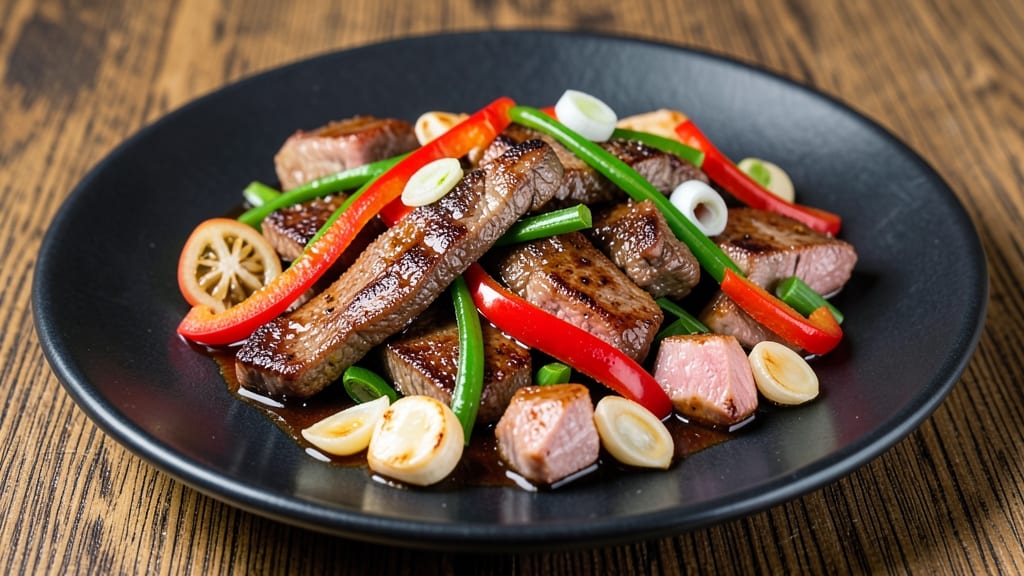
This beef and pork stir-fry recipe delivers restaurant-quality umami in just 25 minutes—no takeout needed. I developed it after years of perfecting wok-heated combinations that balance sweet, salty, and smoky flavors. The secret? Marinate the meats separately for maximum tenderness, then stir-fry at high heat to lock in juices. This isn't just another stir-fry; it's a flavor-packed meal that transforms simple ingredients into something extraordinary.
The key to success lies in proper prep and technique. Thinly sliced beef and pork cook quickly over high heat, absorbing the bold sauce while maintaining that essential crispy edge.
We'll use a simple yet powerful sauce blend of soy, ginger, garlic, and a touch of honey to balance richness. The vegetables—bell peppers, onions, and snap peas—add color and crunch, ensuring every bite is satisfying.
This recipe serves four and comes together in one pan, making it perfect for weeknight dinners.
What you'll end up with is a plate of perfectly seared beef and pork pieces coated in a glossy, savory sauce, surrounded by vibrant vegetables. The aroma alone will have everyone gathering around the table, and the first bite delivers that perfect harmony of textures and flavors.
The sauce clings to the meat while the vegetables stay crisp-tender, creating a dish that's both hearty and balanced. This is the kind of meal that makes you feel like you've just walked into your favorite Asian restaurant.
Serve it over steamed jasmine rice or noodles to soak up every last drop of that flavorful sauce. The leftovers reheat beautifully, making this an excellent meal prep option for busy weeks.
Whether you're feeding a family or treating yourself to a special night in, this stir-fry delivers professional-quality results with minimal effort. Let's get cooking!
Ingredients for beef and pork stir fry
Thinly sliced meats, vibrant veggies, and a bold sauce blend—this stir-fry comes together fast.
| Ingredient | Amount | Notes |
|---|---|---|
| Flank Steak 🥩 | 1 lb | Thinly sliced against grain |
| Pork Shoulder 🐖 | 1 lb | Thinly sliced, trimmed |
| Low-Sodium Soy Sauce 🍶 | ½ cup | For balanced flavor |
| Honey 🍯 | 2 tbsp | For sweet-savory balance |
| Fresh Ginger 🌿 | 2 tbsp | Finely grated, aromatic |
| Garlic Cloves 🧄 | 6 cloves | Minced for depth |
| Sesame Oil 🫒 | 1 tbsp | For nutty aroma |
| Red Bell Peppers 🌶️ | 2 whole | Thinly sliced, seeds removed |
| Yellow Onions 🧅 | 1 whole | Thinly sliced, crisp |
| Snap Peas 🌱 | 1 cup | Fresh or frozen, crisp-tender |
| Vegetable Oil 🫒 | 3 tbsp | High smoke point |
| Green Onions 🧅 | 3 whole | Thinly sliced, garnish |
| Sesame Seeds 🌾 | 1 tbsp | Toasted for crunch |
| Salt 🧂 | 1 tsp | Kosher or sea salt |
| Black Pepper 🌶️ | ½ tsp | Freshly ground |
The meats are everything here. Flank steak and pork shoulder are my go-tos—they're lean but tender when sliced thinly. Grab them from the butcher counter if you can (they'll slice it for you), or do it yourself with a sharp knife. Look for good marbling—it keeps the meat juicy during that quick sear. Costco or Trader Joe's usually have pre-sliced stir-fry strips, which is a total game-changer for weeknights. The bell peppers should be firm and vibrant—red or yellow both work, but avoid any with soft spots. Snap peas? Fresh if you've got them, frozen if you don't (thaw first).
No low-sodium soy sauce? Regular soy sauce plus half the amount of water dilutes it similarly. Short on honey? Maple syrup or agave works in a pinch—just reduce by 10% since it's thicker. The ginger and garlic are non-negotiable for that authentic umami punch, but if you're in a rush, pre-minced garlic from a jar is fine (just rinse it first). Sesame oil? A little goes a long way—Kadoya or La Choy are solid budget options. For extra crunch, toast your sesame seeds in a dry pan for 30 seconds—they'll smell amazing and add texture.
This stir-fry reheats like a dream—just toss with a splash of water and microwave for 30 seconds. Keeps 3-4 days in the fridge, or freeze portions for up to 3 months. I always double the sauce and store it separately so I can drizzle extra on leftovers. The meats stay juicy when reheated if you don't overcook them initially—keep that wok hot and move everything fast. Serve over jasmine rice or noodles to soak up all that glorious sauce.
Why You'll Love This Recipe
- One-Pan Magic: I swear by this for nights when I’d rather not wash a million dishes. Thinly sliced flank steak and pork shoulder hit the pan together—no separate cooking, no fuss—while the ginger and soy sauce caramelize into a glossy, sticky sauce that clings to every bite.
- Sweet-Savory Balance: That honey-soy glaze? It’s the star. The low-sodium soy keeps it from being overpowering, while the ginger adds a bright, zesty kick that cuts through the richness of the meat. The result is tender, slightly sweet, and packed with depth—like a restaurant-quality bite without the pretension.
- Meal Prep MVP: Between us, this is my go-to for lunches. Cook a big batch, portion it into containers, and reheat it all week—it holds up beautifully. Honestly, the flavors even get better the next day as everything melds together. Plus, it’s hearty enough to feed a crowd or just me when I’m craving leftovers that don’t taste like yesterday’s dinner.
- Budget-Friendly Powerhouse: Flank steak and pork shoulder stretch further than you’d think, especially when sliced thin. A single cut of each feeds four for under $20, and the rest of the ingredients? Basic pantry staples. It’s the kind of recipe that makes me feel like I’m treating myself without breaking the bank—or my grocery budget.
Step-by-step instructions for beef and pork stir fry
Here's how to create a restaurant-quality stir fry with tender beef and pork in under 30 minutes.
👨🍳 Step 1: Prep All Ingredients for Perfect Texture
Start by slicing the 1 lb flank steak and 1 lb pork shoulder against the grain into thin, even strips. I use a sharp knife and cut them about ¼-inch thick—this ensures tender bites that cook quickly. Place both meats in separate bowls and season generously with 1 teaspoon salt and ½ teaspoon black pepper. The pork will absorb more marinade, so you might want to add an extra pinch of salt to it.
Next, peel and thinly slice the 2 whole red bell peppers and 1 whole yellow onion into even strips. Remove the seeds from the peppers first—they add bitterness. For the 1 cup snap peas, trim the ends but leave them whole for crisp-tender texture. Finely grate the 2 tablespoons fresh ginger and mince the 6 cloves garlic. Thinly slice the 3 whole green onions for garnish. Having everything prepped means nothing burns while you cook.
🔥 Step 2: Cook the Meat Separately for Maximum Flavor
Heat a large skillet or wok over high heat until it's smoking hot. Add 1 tablespoon vegetable oil and swirl to coat. Working in batches if needed, add the pork shoulder strips and sear for 2-3 minutes until they're golden brown on all sides. Remove and set aside on a plate. Repeat with the flank steak strips—these cook even faster, so keep an eye on them to avoid overcooking.
Here's the key: don't overcrowd the pan. If you do, the meat will steam instead of sear, and you'll end up with soggy strips. The pork should be medium-rare when done, and the beef should have a slight pink center—both will finish cooking in the wok. Keep the cooked meats warm while you prep the rest.
🍳 Step 3: Stir-Fry Vegetables Until Crisp-Tender
In the same skillet, add another 1 tablespoon vegetable oil and heat over high heat. Add the sliced red bell peppers and yellow onions, stirring constantly for 3-4 minutes until they begin to soften but still retain their bright color. Add the 1 cup snap peas and stir-fry for another 2 minutes—they should stay crisp with just a hint of tenderness.
Now add the minced garlic and grated ginger, cooking for 30 seconds until fragrant. This is where the aromatics release their full flavor. If the vegetables start to stick, add a splash of water and scrape up any browned bits from the bottom of the pan—these contain concentrated flavor. The mix should look vibrant and slightly caramelized at the edges.
🥘 Step 4: Combine Everything with the Sauce
Return the cooked meats to the skillet along with the vegetables. Pour in the ½ cup low-sodium soy sauce and 2 tablespoons honey, then add the 1 tablespoon sesame oil. Stir everything together vigorously for 2-3 minutes until the sauce coats the meat and vegetables evenly. You want the meat to absorb the sauce but still remain tender—not dry or tough.
Taste and adjust seasoning if needed. The honey should balance the saltiness of the soy sauce, but if it needs more depth, add a pinch of salt or a splash of water to loosen the sauce. The stir fry is done when everything is heated through and the sauce has slightly thickened. This should take about 3-4 minutes total.
🍽️ Step 5: Finish and Serve with Garnishes
Transfer the stir fry to a serving platter. Toast the 1 tablespoon sesame seeds in a dry skillet over medium heat for 1-2 minutes until golden and fragrant. Sprinkle them over the stir fry along with the thinly sliced 3 whole green onions. The toasted sesame seeds add a delightful crunch that contrasts beautifully with the tender meat and vegetables.
Serve immediately while everything is hot. The beef and pork should be perfectly tender, the vegetables crisp-tender, and the sauce clinging to every bite. This stir fry tastes even better the next day, so make extra if you can—it reheats beautifully with a splash of water or soy sauce to keep it moist.
Pro Tips For Making Beef And Pork Stir Fry
- Slice Against the Grain: Flank steak and pork shoulder will fight you if you cut them randomly. For the beef, slice thinly against the grain—you’ll see the muscle fibers run diagonally, so angle your knife perpendicular. The pork shoulder needs a bit more patience: slice it slightly against the grain but not too aggressively, or it’ll shred into mush. I learned this the hard way when my stir-fry turned into a sad, chewy pile.
- Rest the Meat First: Take the sliced beef and pork out of the fridge at least 30 minutes before cooking—cold meat steams instead of sears, and you’ll end up with gray, rubbery strips. Worse, the pork shoulder won’t render its fat properly. If you’re in a rush, give it a quick 10-minute warm-up in a dry skillet over medium heat before the stir-fry starts. Your future self will notice the difference in texture.
- Don’t Overcrowd the Pan: I used to dump all the meat in at once, thinking it would cook faster. Spoiler: it just steams. For this stir-fry, work in two batches—start with half the beef, sear it until it hits 145°F (medium-rare for flank), then pull it out. Repeat with the pork (150°F for shoulder), then toss both back in with the sauce. The meat stays juicy, and you get those caramelized edges you’re craving.
- Ginger: Grate, Don’t Mince: Fresh ginger loses its punch when you chop it into tiny pieces—it turns to mush and releases bitterness. Instead, use a microplane or the fine side of a box grater to get tiny, uneven shreds. Add it early to the stir-fry (right when you heat the oil) so it softens into the sauce without leaving gritty chunks. I was skeptical until I tried it—now I won’t go back.
Pro cooking tips for this recipe
High Heat Mastery
This stir-fry thrives on high heat, so crank your burner to maximum and let it rip. I use a 14-inch carbon steel wok (like the De Buyer brand) because it heats up faster and retains heat better than cast iron.
If you don’t have a wok, a heavy-bottomed skillet works—just make sure it’s smoking hot before adding oil. The goal is to sear the meat quickly to lock in juices and develop that signature wok hei (breath of the wok) flavor. 🔥
Pro tip: Test your heat by flicking a drop of water onto the pan—it should sizzle and evaporate instantly. If it sputters or boils, your heat isn’t high enough.
And never walk away while cooking—stir-fries demand constant attention to prevent burning. The pork and beef should cook in 2-3 minutes max; any longer, and they’ll turn tough.
Batch Cooking Secrets
Cooking the meat in batches is non-negotiable. Crowding the pan steams instead of sears, leaving you with soggy, flavorless strips. Start with half the pork, sear it until golden brown, then set it aside on a warm plate.
Repeat with the beef—it cooks even faster, so keep an eye on it. While the first batch rests, use that time to prep your veggies. This keeps everything hot and ready to combine at the perfect moment. 💡
Here’s my trick: Use two separate plates to hold the cooked meats. One for pork, one for beef. This way, you can toss them back into the wok in the right order (beef first, since it’s more delicate) without mixing them up.
Label the plates with a quick note if you’re multitasking—trust me, you’ll thank yourself later.
Sauce Timing Tricks
The sauce is where the magic happens, but timing is everything. Add the soy sauce and honey only in the final 2-3 minutes of cooking. This ensures the meat and veggies absorb the flavors without turning mushy.
If your sauce is too thick, loosen it with a splash of water or a little more soy sauce. The goal is a glossy, clinging coating—not a gloopy mess. 🥘
For extra depth, I like to deglaze the pan with a splash of water or rice vinegar right before adding the sauce. Scrape up those browned bits from the bottom—they’re packed with flavor. And if your stir-fry seems dry, don’t drown it in sauce.
A drizzle of Kikkoman soy sauce or a teaspoon of La Choy oyster sauce (if you’re feeling fancy) can elevate the dish without overpowering it.
Vegetable Texture Control
Crisp-tender veggies are the secret to a great stir-fry. Bell peppers and onions should soften just enough to caramelize slightly, while snap peas stay bright and snappy. The key? Cook them in stages.
Start with the onions and peppers for 3-4 minutes, then add the snap peas for just 2 minutes. Overcooking turns them into mush—no one wants that. 🌱
Pro move: Toss in the garlic and ginger last, cooking for only 30 seconds. This preserves their fresh, bright flavor instead of letting them burn. If your veggies start sticking, add a splash of water and scrape up those flavorful browned bits.
They’re like little umami bombs that take your stir-fry to the next level.
Nutrition facts
Frequently asked questions
Can I substitute chicken for the pork in this stir fry?
Yes, but adjust the cooking time! Chicken breast cooks faster than pork shoulder, so slice it ¼-inch thick and cook for just 1-2 minutes until no longer pink. For extra tenderness, marinate it in soy sauce and a little honey for 15-20 minutes before cooking. Dark meat like thighs works too—they stay juicier and can handle the longer stir-fry time.
How do I prevent the beef from getting tough?
Slice the flank steak against the grain (perpendicular to the muscle fibers) for maximum tenderness. Cook it over high heat for only 2-3 minutes until it reaches medium-rare (130-135°F internal temp). Let it rest 5 minutes before slicing—this redistributes juices. Never overcrowd the pan, or the beef will steam instead of sear.
Can I make this stir fry in a nonstick pan?
Nonstick pans work great for stir fries—they prevent sticking and make cleanup easier. Use high heat and add just enough oil to coat the pan (about 1 teaspoon). Stir frequently to avoid burning. The nonstick surface also helps maintain that perfect crisp-tender texture for both meat and vegetables.
What's the best way to reheat leftovers?
Reheat in a skillet over medium heat with a splash of water or soy sauce to prevent drying. Stir constantly for 2-3 minutes until warmed through. Microwaving works too—cover with a damp paper towel and heat for 45-60 seconds. The sauce will cling better if you add a little extra soy sauce or water to loosen it.
How can I add more heat to this dish?
For a spicy kick, stir in 1 teaspoon of chili flakes or ½ teaspoon of red pepper flakes with the sauce. For deeper heat, add 1 tablespoon of chili garlic sauce or 1 teaspoon of sriracha when combining everything. If you love fresh heat, toss in 2 thinly sliced jalapeños with the vegetables—they'll add a nice crunch and spice.