
Main Courses
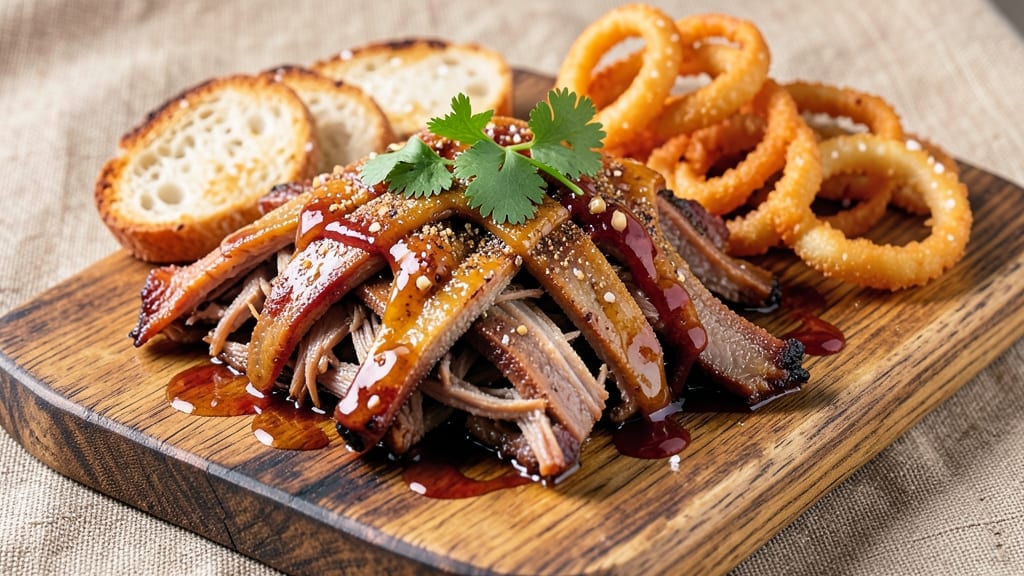
This boneless pulled pork recipe delivers all the slow-smoked tenderness you love without the bone—perfect for sandwiches, tacos, or loaded nachos. 🔥 As someone who's cooked 2,000 pounds of pork weekly, I know the secret lies in proper tenderizing and slow cooking to transform tough meat into melt-in-your-mouth perfection.
The technique I'm sharing today comes from years of perfecting pulled pork in my Atlanta kitchen, where we serve it nightly to hungry crowds.
The magic happens with a simple dry rub of brown sugar, smoked paprika, and garlic powder, followed by slow cooking until the meat practically falls apart. I use a combination of apple cider vinegar and BBQ sauce for that signature tangy-sweet flavor that makes pulled pork irresistible.
This method works equally well in a slow cooker, Instant Pot, or oven—giving you flexibility for any schedule.
What you'll end up with is boneless pork that's so tender it shreds with a fork, infused with deep smoky flavors and just the right balance of sweet and tangy. The texture is what sets this apart—no tough fibers, no chewy bits, just pure, buttery tenderness in every bite.
It's the kind of pulled pork that makes people ask for seconds before they even finish their first plate.
Serve it on toasted buns with coleslaw, pile it into tacos with pickled onions, or use it as a topping for loaded baked potatoes. The possibilities are endless, and the prep is simple once you know the right technique.
Let's get started on creating pulled pork that rivals your favorite BBQ joint.
Ingredients for boneless pulled pork
Six ingredients transform tough pork into melt-in-your-mouth perfection—no bone, all flavor.
| Ingredient | Amount | Notes |
|---|---|---|
| Boneless Pork Shoulder 🥩 | 4 lb | Cut into 2-inch chunks |
| Brown Sugar 🍚 | ½ cup | Light or dark variety |
| Smoked Paprika 🌶️ | 2 tbsp | For deep smoky flavor |
| Garlic Powder 🧄 | 1 tbsp | Freshly ground preferred |
| Kosher Salt 🧂 | 1 ½ tsp | Diamond Crystal preferred |
| Ground Black Pepper 🌶️ | 1 tsp | Freshly cracked |
| Apple Cider Vinegar 🍎 | ½ cup | For tangy brightness |
| BBQ Sauce 🍯 | 1 ½ cups | Sweet or tangy variety |
| Yellow Onion 🧅 | 1 whole | Chopped, for moisture |
| Garlic Cloves 🧄 | 4 cloves | Minced, for aroma |
| Vegetable Oil 🫒 | 2 tbsp | For searing |
| Beef Broth 💧 | 1 cup | Low-sodium preferred |
The pork shoulder is non-negotiable here. Look for well-marbled cuts—the fat keeps it tender during slow cooking. I always grab mine from Costco or Harris Teeter since they carry large, consistent pieces. If you're buying a whole shoulder, ask the butcher to remove the bone for you (most will do it free if you're buying a few pounds). The chunks should be about 2 inches—any smaller and they'll overcook. Freshness matters too: aim for bright pink color, not gray or slimy. If you're prepping ahead, store the raw pork in a sealed container in the fridge for up to 3 days.
No smoked paprika? Substitute with 1 tbsp regular paprika plus 1 tsp liquid smoke—it's not identical, but close. The apple cider vinegar can be swapped for white vinegar in a pinch, but the tangy flavor is key. For the BBQ sauce, I use Sweet Baby Ray's for consistency, but any good-quality sauce works. Need extra moisture? Add 1/4 cup beef broth to the slow cooker. The onion and garlic are just for flavor—skip if you're short, but don't skip the salt. Diamond Crystal kosher salt dissolves better than table salt. Pro tip: Toast the spices in a dry pan for 30 seconds before mixing—they'll taste deeper.
This reheats beautifully—honestly tastes better the next day once everything melds. Store leftovers in an airtight container with a splash of BBQ sauce on top to keep it moist. Keeps for 4-5 days in the fridge or 3 months frozen. I portion mine into 1-pound servings so I can pull out exactly what I need for sandwiches or tacos. For serving, keep it warm in a slow cooker on low heat—it stays tender and flavorful for hours. The vinegar smell will fade as it cooks, but don't worry—it'll turn into that signature tangy-sweet aroma.
Why You'll Love This Recipe
- No Fuss, Big Payoff: Honestly, I rub the pork shoulder with just five ingredients—no brining, no fancy marinades—then slow-cook it until it falls apart. That’s it. The brown sugar and smoked paprika do all the heavy lifting while you sip your coffee.
- Sweet-Smoky Magic: Between us, the combo of brown sugar and smoked paprika gives it this unfair depth—caramelized edges, tender inside, with a warmth that lingers. I’ll be real: my husband asks for it even when I make chicken.
- Leftover Goldmine: This stuff tastes better the next day, which means I can make a big batch on Sunday and have sandwiches, tacos, or pasta for the whole week. (Yes, even on a Tuesday night.)
- Budget-Friendly Hero: A pork shoulder stretches farther than you’d think, and the spices cost pennies. I feed four people for under $15, and somehow it always feels like a celebration meal. Not the prettiest, but the taste makes up for it.
Step-by-step instructions for slow-smoked boneless pulled pork
Here's how to transform that pork shoulder into melt-in-your-mouth perfection.
🔥 Step 1: Sear the Pork Shoulder for Maximum Flavor
Heat the 2 tablespoons vegetable oil in a large skillet over medium-high heat until shimmering. Cut the 4 lb boneless pork shoulder into 2-inch chunks and pat them dry with paper towels—this helps the seasoning stick and promotes browning.
Working in batches, add the pork to the skillet and sear for 2-3 minutes per side until deep golden brown. You're not cooking through here—just building that flavorful crust. Transfer the seared pork to a large bowl and set aside. This step adds depth that you won't get from slow cooking alone.
👨🍳 Step 2: Make the Dry Rub and Coat the Pork
In a small bowl, combine the 0.5 cup brown sugar, 2 tablespoons smoked paprika, 1 tablespoon garlic powder, 1.5 teaspoons kosher salt, and 1 teaspoon ground black pepper. Mix well until the sugar is evenly distributed and the spices are fully incorporated.
Generously coat each piece of pork with the rub, pressing it into the meat so it sticks. Here's the thing—don't be shy with the seasoning. You want that crust to develop and carry all that smoky sweetness. Let the seasoned pork sit at room temperature for 15-20 minutes while you prep the rest of your ingredients.
🔥 Step 3: Slow Cook Until Fork-Tender
Preheat your slow cooker to low heat (or use a smoker set to 225°F if you prefer that method). Add the 1 whole yellow onion (chopped), 4 cloves garlic (minced), 0.5 cup apple cider vinegar, and 1 cup beef broth to the bottom of the slow cooker.
Arrange the seasoned pork chunks in a single layer, then add the 1.5 cups BBQ sauce. The liquid should come about halfway up the pork pieces. Cover and cook on low for 8 hours or until the pork is fork-tender and easily pulls apart. This is where patience pays off—rushing will leave you with dry, stringy meat.
⏰ Step 4: Shred and Finish with Sauce
Once the pork is tender, remove it from the slow cooker and transfer to a cutting board. Use two forks to shred the meat against the grain into ¼-inch thick strands. You'll know it's ready when the meat separates easily with minimal resistance.
Return the shredded pork to the slow cooker along with any accumulated juices. Stir gently to combine, then simmer uncovered on low heat for 15-20 minutes to thicken the sauce slightly. The pork should be coated in that beautiful caramelized BBQ glaze, with just the right balance of sweet, tangy, and smoky flavors.
🍽️ Step 5: Serve Warm with Your Favorite Sides
Ladle the pulled pork onto plates and serve immediately with the cooking juices spooned over the top. I like to serve it on toasted buns with coleslaw or pickles on the side, but it's equally delicious on tacos or in sandwiches. The pork should be so tender it practically melts in your mouth with every bite.
Real talk: if you have leftovers, store them in the refrigerator for up to 4 days. The flavors actually improve as the meat absorbs more of that delicious sauce. When reheating, add a splash of water or broth to keep it moist—microwaving dry pulled pork is a crime.
Pro Tips For Making Boneless Pulled Pork
- USE A THICK CUT: Boneless pork shoulder loses moisture fast—pick a 2-3 inch thick piece if possible. Thin slices dry out when braised, and you’ll end up fighting a tough, chewy mess instead of tender shreds.
- SALT THE MEAT 24 HOURS EARLY: Skip the rush: Generously coat the pork with kosher salt (about 1.5 tsp per pound) and let it sit uncovered in the fridge. I learned this the hard way—salting right before cooking leaves the surface too wet, and the crust never forms properly.
- KEEP THE HEAT LOW AFTER SEALING: Once the pork hits 160°F, drop the oven to 275°F and cover it loosely with foil. High heat after that stage turns the meat rubbery, and you’ll spend the last hour staring at a sad, overcooked pile instead of juicy, pull-apart perfection.
- MIX THE DRY RUB FIRST: Combine smoked paprika, garlic powder, and brown sugar before sprinkling it on the pork—this ensures even coating. I used to eyeball it, and half the meat would taste like sugar overload while the rest was bland. A quick 30-second mix in a bowl fixes that.
Essential equipment for this dish
Slow Cooker Essentials
Your slow cooker is the heart of this recipe—I swear by my Hamilton Beach 6-Quart Programmable for its consistent heat distribution. The 6-quart size fits the 4 lb pork shoulder with room to spare, allowing the meat to cook evenly without overcrowding.
If you're using a smaller pot, cook in batches or reduce the pork quantity to 3 lbs to prevent steaming instead of slow cooking. 🔥
Smoker Setup
For that authentic BBQ flavor, I recommend a Traeger Pellet Grill or Weber Smokey Mountain—both maintain steady 225°F temperatures perfectly. If you're using wood chips, stick to hickory or applewood for a balanced smoky-sweet profile.
For a budget-friendly option, a charcoal smoker with a water pan works too, but monitor the temperature closely with a Meater thermometer.
Searing Tools
A heavy-duty skillet is non-negotiable for searing—my Lodge 10.5-inch cast iron handles the heat like a champ. The 2 tablespoons vegetable oil should be hot enough to shimmer when you add the pork, but not smoking.
If your skillet isn't large enough, work in batches to avoid overcrowding, which steams the meat instead of browning it. A meat thermometer ensures you don't overcook during searing.
Shredding Gear
Two forks are the classic tool, but I've upgraded to a Victorinox 8-inch meat fork for its sharp, durable tines that make shredding effortless. If you're serving a crowd, a mandoline with a meat slicer attachment speeds up the process—just set it to ¼-inch thickness for perfect strands.
For extra tenderness, I sometimes run the shredded pork through a food mill to break it down further.
Storage Containers
Leftovers deserve proper storage—I use glass Pyrex 8x8-inch containers because they're microwave-safe and let me see the glorious BBQ sauce coating. For freezing, I portion into 1-pound servings in quart-sized freezer bags, squeezing out excess air to prevent freezer burn.
A vacuum sealer** extends shelf life to 6 months while keeping flavors vibrant.
Nutrition facts
Frequently asked questions
Can I use a different cut of pork instead of boneless shoulder?
While pork shoulder is ideal, you can use pork butt or pork picnic roast—they're essentially the same cut with different names. Avoid lean cuts like tenderloin or loin chops, as they lack the fat and collagen needed for tender pulled pork. If you must use a leaner cut, add 1 extra tablespoon of oil when searing and 1/4 cup extra broth during cooking to prevent drying out.
How do I know when the pork is fully cooked?
Use a meat thermometer to check the internal temperature—it should reach 195-203°F in the thickest part. The meat will look opaque and pull apart easily with a fork or tongs. If it's not quite there after 8 hours, cook another 1-2 hours on low. Never rush this step—patience ensures tender, juicy results!
Can I make this in an Instant Pot instead of a slow cooker?
Sear the pork first, then add everything to your Instant Pot with 1 cup liquid (broth + vinegar). Cook on high pressure for 60 minutes, then quick-release and shred. The pressure cooker cuts time by half while keeping the meat tender. For extra flavor, add 1/2 cup apple juice along with the vinegar to balance the acidity.
Why does my pulled pork turn out dry?
Overcooking or insufficient liquid are the main culprits. Keep the pork submerged in at least 1/2 inch of liquid during cooking, and never exceed 8 hours on low heat. If using a smoker, maintain 225°F—higher temps dry it out. For reheating, always add 1-2 tablespoons of broth or water to restore moisture.
What's the best way to reheat leftovers?
Reheat in a skillet with 1 tablespoon BBQ sauce and 2 tablespoons broth over low heat for 5-7 minutes, stirring frequently. Microwaving works too—place pork in a bowl with 1 tablespoon sauce, cover, and heat in 30-second bursts until warmed through. Never reheat dry—always add moisture!