
Main Courses
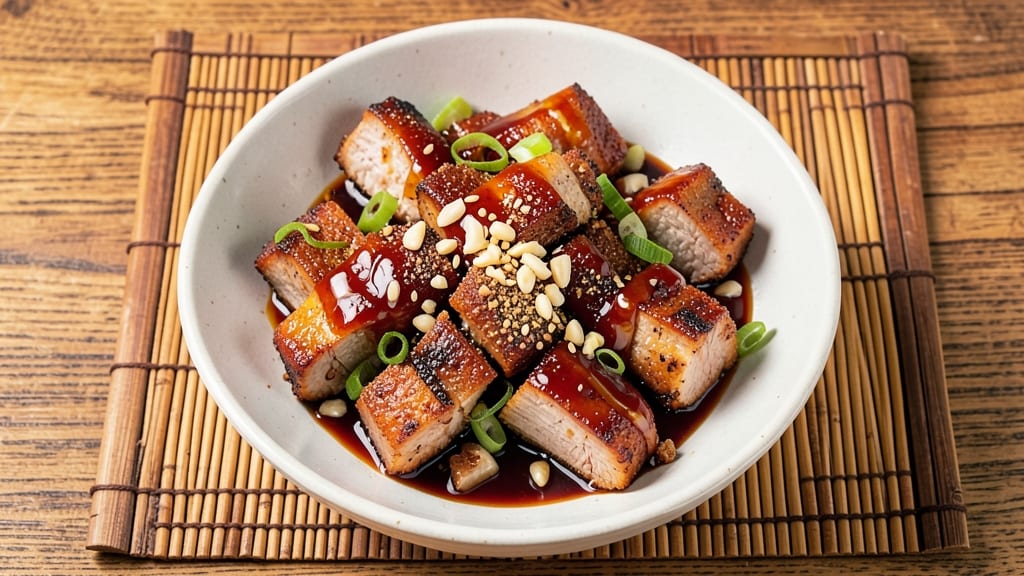
This Chinese-style BBQ pork recipe delivers the same smoky-sweet char siu you'd find at dim sum restaurants—crispy edges, tender meat, and that signature glossy glaze. I've spent years perfecting the balance between traditional Cantonese techniques and home kitchen adaptability, and this version never fails to impress. The secret lies in the marinade's harmony of five-spice powder, honey, and hoisin, which transforms simple pork into something extraordinary.
The process begins with a 24-hour marinade that infuses the meat with deep, aromatic flavors, followed by a high-heat roast that creates that signature caramelized crust. Whether you're using a grill, oven, or even a wok, the technique remains the same—just watch for those beautiful char marks that signal perfection.
This isn't just another pork recipe; it's a celebration of texture and flavor that brings a taste of China to your dinner table.
What you'll end up with is pork that's crispy on the outside and melt-in-your-mouth tender inside, coated in a sticky-sweet glaze that's impossible to resist. The aroma alone will have everyone gathering around the table, and each bite delivers layers of smoky, sweet, and slightly salty perfection.
It's the kind of dish that transforms an ordinary weeknight into a special occasion.
Serve it sliced thin over steamed rice with quick-pickled vegetables, or use it in spring rolls and bao buns for an authentic Chinese feast. The leftovers reheat beautifully too, making it perfect for meal prep. Let's get started on creating this restaurant-quality char siu at home!
Ingredients for bbq pork chinese style
Pantry staples meet Cantonese tradition for this restaurant-worthy char siu.
| Ingredient | Amount | Notes |
|---|---|---|
| Pork Shoulder (Boston Butt) 🥓 | 3 lb | Bone-in for flavor, cut into 2-inch chunks |
| Hoisin Sauce 🍶 | ½ cup | Store-bought or homemade, for depth |
| Honey 🍯 | ½ cup | Light amber for balance |
| Five-Spice Powder 🌶️ | 2 tbsp | Freshly ground for authentic aroma |
| Soy Sauce 🥄 | ¼ cup | Dark soy for color, light for flavor |
| Garlic Cloves 🧄 | 8 cloves | Minced fine for infusion |
| Ginger Root 🌿 | 2 tbsp | Freshly grated, aromatic punch |
| Sesame Oil 🫒 | 1 tbsp | Toasted for nutty depth |
| Brown Sugar 🍚 | ¼ cup | Packed, for caramelization |
| Red Fermented Beans (Douchi) 🍆 | ¼ cup | Optional, for umami kick |
| Cornstarch 🌾 | 1 tbsp | For glaze thickening |
| Vegetable Oil 🫒 | 2 tbsp | High smoke point for roasting |
| Scallions 🧅 | 4 whole | Sliced thin for garnish |
| Sesame Seeds 🌰 | 1 tbsp | Toasted for crunch |
The pork shoulder is the star—look for well-marbled cuts at Asian grocery stores or your butcher. Boston butt delivers the best texture, but pork loin works in a pinch (just reduce marinating time). If the meat isn't bone-in, add a few extra cloves of garlic and a splash of soy sauce to the marinade to compensate for lost flavor. For the five-spice powder, Penzeys or local Asian markets carry the best blends—avoid the generic grocery store versions that taste like dust. The hoisin sauce should be thick and slightly sweet; Lee Kum Kee is my go-to, but homemade blends of fermented soybean paste work even better.
No hoisin? Substitute 2 tbsp soy sauce plus 1 tbsp molasses—it won't be identical, but you'll still get that sticky-sweet base. Running low on fermented beans? Miso paste at half the amount adds umami without overpowering. The honey should be light amber—not raw or dark—so it doesn't dominate the flavor. For the scallions, green parts included if you're feeling fancy, but the white sections work fine too. If you're prepping ahead, marinate the pork for up to 48 hours in the fridge, but don't skip the 24-hour minimum—it's what builds those deep flavors. The sesame oil? Use sparingly—just enough to coat the meat, or it'll taste bitter.
Marinated pork keeps 3 days in the fridge, covered tightly. For the glaze, make it fresh before roasting—it doesn't reheat well. Leftover char siu? Slice thin and freeze portions between parchment paper for easy reheating. It reheats beautifully in a steamer or oven at 300°F until warmed through. Store-bought hoisin and honey? Keep them sealed in the pantry for up to 1 year, while fresh ginger and garlic should be refrigerated and used within 2 weeks. The sesame seeds toast in 30 seconds in a dry pan—just watch them like a hawk so they don't burn.
Why You'll Love This Recipe
- One-Pan Magic: I swear by this for lazy nights—just toss the pork shoulder on a tray, slather it with hoisin and honey, sprinkle five-spice, and let the oven do the work. No chopping, no fuss, just melt-in-your-mouth results.
- Sweet-Savory Balance: That sticky, caramelized glaze? It’s the hoisin and honey playing nice with the smoky five-spice, cutting through the richness of the pork. My kids fight over the last bite—no exaggeration.
- Leftover Goldmine: This recipe actually improves the next day. The pork gets even more tender, and I repurpose it for sandwiches, rice bowls, or stir-fries. Honestly, I make it twice—once for dinner, once for lunch.
- Budget Stretch: A whole pork shoulder feeds my family for days, and the ingredients? Hoisin, honey, soy—stuff I already had. It’s my go-to when grocery money’s tight, but no one ever guesses it’s budget-friendly.
Step-by-step instructions for smoky-sweet char siu
Transform a simple pork shoulder into restaurant-quality char siu with this foolproof method.
Marinate the Pork for Maximum Flavor
In a large bowl, combine the 3 lb pork shoulder cut into 2-inch chunks, 0.5 cup hoisin sauce, 0.5 cup honey, 0.25 cup soy sauce, 2 tbsp five-spice powder, 8 minced garlic cloves, 2 tbsp freshly grated ginger root, 1 tbsp toasted sesame oil, and 0.25 cup packed brown sugar. Mix thoroughly until every piece of pork is fully coated and the marinade adheres to the surface.
Here's the thing—this marinade needs time to work its magic. Transfer the pork to a resealable plastic bag, seal tightly, and refrigerate for at least 12 hours (overnight is ideal). The longer it marinates, the deeper the flavor penetration. I like to turn the bag occasionally to ensure even coating.
Roast Until Caramelized and Tender
Preheat your oven to 375°F. Remove the pork from the marinade (reserve the marinade) and place it in a single layer on a parchment-lined baking sheet. Roast for 45 minutes, then brush the reserved marinade evenly over the pork. This creates that signature glossy, caramelized crust.
Continue roasting for another 45 minutes until the pork reaches an internal temperature of 195°F and the edges are deep mahogany brown. If the marinade reduces too quickly, add 1-2 tablespoons of water to prevent burning. The pork should be fork-tender with a beautiful caramelized exterior.
Create the Signature Glaze
While the pork roasts, prepare the glaze by combining the 0.25 cup red fermented beans (douchi), 1 tbsp cornstarch, and 2 tablespoons of water in a small bowl. Mash the douchi into a coarse paste using a fork—this adds that signature umami depth. Set aside.
In a small saucepan, heat 2 tbsp vegetable oil over medium heat. Add the douchi mixture and cook for 2-3 minutes until thickened. Then, whisk in 2 tablespoons of the reserved pork marinade and simmer for 1 minute until glossy. This glaze will give your char siu that professional restaurant finish.
Glaze and Garnish for Presentation
Remove the roasted pork from the oven and transfer it to a serving platter. Using a pastry brush, generously coat each piece with the prepared glaze, working quickly so it doesn't set. The glaze should form a shiny, sticky layer that caramelizes slightly as you work.
Garnish with 4 thinly sliced scallions and 1 tbsp toasted sesame seeds for that authentic char siu presentation. The contrast of the fresh scallions against the deep caramelized pork creates a visual feast. Serve immediately while the glaze is still glossy and sticky.
Rest and Serve with Confidence
Let the char siu rest for 5-10 minutes before serving. This resting period allows the juices to redistribute, ensuring each bite is moist and flavorful. The pork should be tender enough to pull apart with two forks, with a beautiful mahogany crust that's slightly sticky from the glaze.
Slice against the grain for maximum tenderness, and serve with steamed jasmine rice or fresh vegetables. The balance of sweet, smoky, and umami flavors will make this your new go-to recipe for special occasions. Trust me, once you taste this, you'll want to make it all the time.
Pro Tips For Making Bbq Pork Chinese Style
- Trim the Fat First: A thin layer of fat on your pork shoulder makes it juicier, but too much can turn your glaze into a greasy mess. Use kitchen shears to trim just the thickest patches—leave the rest for flavor, but not for soggy sauce.
- Marinate Overnight (Not 30 Minutes): I used to rush this, thinking the five-spice and soy would work their magic in an hour. Wrong. Let that pork shoulder sit in the hoisin-honey mix for at least 12 hours—it breaks down the meat fibers and lets the spices seep in deep.
- Baste with the Drippings: Once you’ve seared the pork, don’t toss those caramelized bits in the pan. Use a spoon to slather them back onto the meat every 10 minutes while it roasts. That’s where the real flavor lives—don’t waste it.
- Finish with a Cold Glaze: The last 5 minutes of cooking? Crank the oven to 450°F (230°C) and brush on a mix of hoisin, honey, and a splash of soy. The high heat sets the glaze into a glossy crust instead of a sticky puddle. (Yes, even if you’re impatient like me.)
Storing and reheating this recipe
Fridge Storage Tips
Store your cooked char siu in an airtight container in the fridge for up to 3 days. The flavors actually deepen overnight, making it perfect for meal prep.
I like to slice it thinly before storing—this ensures even reheating and makes it easier to portion for sandwiches or rice bowls. 🥓
Always let the pork cool completely before refrigerating to prevent condensation, which can make the meat soggy. I wrap mine in parchment paper first, then transfer to the container to maintain that crispy texture. The glaze will thicken slightly in the fridge, but it reheats beautifully.
Freezer Magic
For longer storage, freeze char siu in single-serving portions wrapped tightly in plastic wrap and aluminum foil. This combo prevents freezer burn and keeps the texture intact.
Label with the date—it stays delicious for up to 3 months. When you're ready to eat, thaw overnight in the fridge for best results. 🧊
Pro tip: Freeze the glaze separately if you plan to reheat the pork without it. The glaze reheats better fresh, so I like to brush it on just before serving. For extra insurance, add a paper towel between layers when freezing to absorb any excess moisture.
Oven Reheating
My preferred method is reheating in a 350°F oven for 15-20 minutes on a wire rack. This keeps the pork crispy while warming through evenly. Place the char siu on the rack to allow hot air to circulate—this prevents steaming, which can make it rubbery.
A light spray of sesame oil before reheating helps restore that glossy finish. 🔥
For extra flavor, add a splash of water or hoisin sauce to the baking dish. The steam helps redistribute the glaze, making each bite taste fresh. Cover loosely with foil if you're worried about drying out, but I find it rarely needs it.
Steamer Perfection
If you're short on oven space, use a bamboo steamer over boiling water for 8-10 minutes. This gentle method preserves moisture while reactivating the glaze. I like to place the char siu on a heatproof plate in the steamer basket—it's easier to handle than fragile bamboo inserts. 🌿
For an extra touch, sprinkle a pinch of five-spice powder over the pork before steaming. The aromatic spices infuse back into the meat, reminding you of that first bite. Serve immediately after steaming while the glaze is still shiny and sticky.
Microwave Shortcut
When you're in a hurry, use the microwave on 50% power for 1-2 minutes, stirring halfway. This prevents uneven heating and keeps the texture from turning mushy. Add a damp paper towel over the top to help retain moisture. 💫
For best results, slice the char siu into thin strips before microwaving—this ensures even heating. If the glaze looks dry, drizzle a few drops of honey or water and microwave for an additional 10 seconds to restore shine.
It won't be as crispy as oven-reheated, but it's a quick fix for busy days.
Nutrition facts
Frequently asked questions about Chinese-style BBQ pork
Can I use pork loin instead of pork shoulder?
Yes, but with adjustments! Pork loin is leaner and cooks faster, so reduce marinating time to 6-8 hours instead of 24. Cut it into 1-inch thick slices and roast at 350°F for 30-35 minutes total. The texture will be more tender but less rich than shoulder. For extra moisture, baste with reserved marinade every 10 minutes.
What if I can't find red fermented beans (douchi)?
No problem! Replace 0.25 cup douchi with 2 tbsp miso paste plus 1 tbsp soy sauce for umami depth. For extra sweetness, add 1 tbsp honey to the glaze. The texture will be smoother but still delicious. If you're feeling adventurous, try 1 tbsp fermented black beans (common in Asian markets) for a closer match.
How do I get the perfect char marks without burning?
Use a cast-iron skillet or grill pan on high heat for 2-3 minutes per side after roasting. Brush with reserved marinade first to create a sticky base. For oven charring, place pork on a wire rack over a baking sheet and broil for 1-2 minutes—watch closely! A meat thermometer helps: char when internal temp hits 195°F.
Can I make this on the grill instead of the oven?
Preheat grill to medium-high (400°F) and cook pork in a cast-iron skillet or grill basket for 15-20 minutes, turning occasionally. For indirect heat, move to cooler side after 10 minutes to finish cooking. Brush with marinade every 5 minutes to prevent drying. The smoky flavor pairs beautifully with the Chinese BBQ profile!
Why did my pork turn out dry?
Most likely, it cooked too long or wasn't rested properly. Use a meat thermometer—pork shoulder is perfect at 195-203°F. Let it rest 10-15 minutes before slicing (juices redistribute during this time). For extra moisture, add 2 tbsp water or broth to the baking dish during roasting. Thin slices also dry out faster—slice against the grain after resting.