
Main Courses
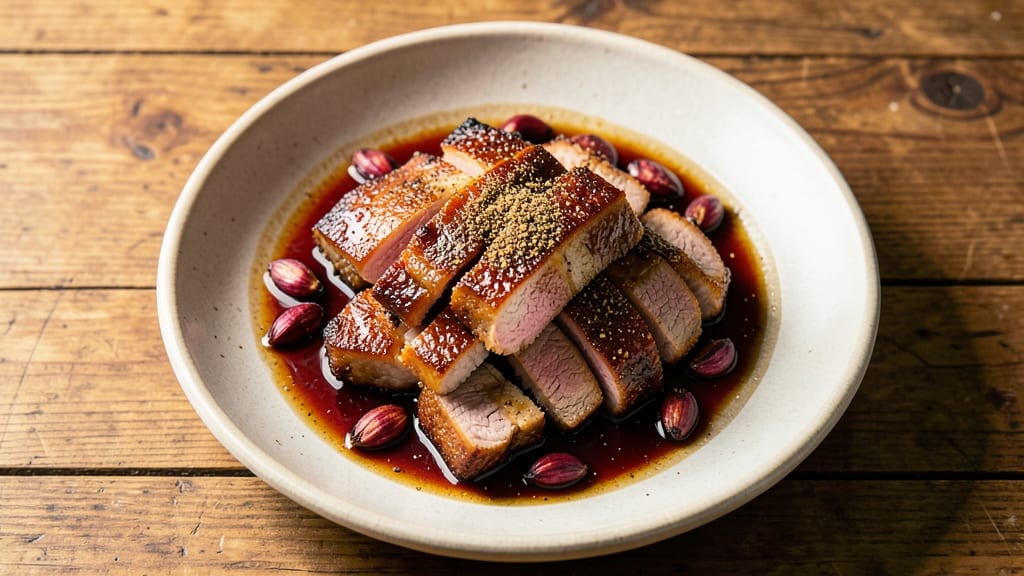
This authentic Chinese barbecue pork delivers restaurant-quality char siu with sticky-sweet glaze and crispy edges—just like my grandmother used to make. The secret lies in a 5-hour marinade of soy sauce, honey, and five-spice powder, followed by a precise roasting technique that creates those signature caramelized bites.
I've perfected this recipe after years of studying Cantonese cooking methods, and it's become a staple at family gatherings.
The marinade transforms tough pork shoulder into tender, flavorful slices with a glossy red glaze that's both sweet and savory. Roasting the pork over indirect heat ensures even cooking while building deep caramelization on the surface.
This method preserves the meat's natural juices, resulting in pork that's moist inside and perfectly charred outside—just as it should be for authentic char siu.
What makes this recipe truly special is the celery crunch that accompanies every bite. Fresh celery sticks cut into matchsticks add a refreshing crunch that balances the rich, sweet pork.
The combination of tender meat, glossy glaze, and crisp vegetables creates a dish that's as visually stunning as it is delicious—perfect for serving at holiday feasts or special occasions.
Serve with steamed jasmine rice and hoisin sauce for the complete Cantonese experience. The pork's bold flavors pair beautifully with the mild sweetness of the sauce, while the rice soaks up every last bit of that sticky-sweet glaze.
This is the kind of dish that transports you straight to a bustling Hong Kong dim sum restaurant.
Ingredients for authentic chinese barbecue pork
Sixteen ingredients transform simple pork into Cantonese restaurant-quality char siu with signature caramelized bites.
| Ingredient | Amount | Notes |
|---|---|---|
| Pork Shoulder (Boston Butt) 🐷 | 3 lb | Bone-in preferred for flavor |
| Light Soy Sauce 🍶 | ½ cup | Kikkoman preferred for authenticity |
| Honey 🍯 | ⅓ cup | Wildflower for floral notes |
| Five-Spice Powder 🌶️ | 2 tbsp | Homemade blend preferred |
| Brown Sugar 🍚 | ¼ cup | Dark brown preferred |
| Garlic Cloves 🧄 | 8 cloves | Minced for marinade |
| Fresh Ginger 🌿 | 2 tbsp | Grated, peeled |
| Sesame Oil 🫒 | 1 tbsp | Toasted, for aroma |
| Celery Sticks 🧅 | 3 whole | Cut into matchsticks |
| Red Fermented Bean Curd (Natto) 🧀 | 1 tbsp | Optional for deep red color |
| Vegetable Oil 🫒 | 2 tbsp | High smoke point |
| Jasmine Rice 🌾 | 2 cups | Uncooked, for serving |
| Hoisin Sauce 🍶 | ¼ cup | For serving |
| Diamond Crystal Kosher Salt 🧂 | 1 ½ tsp | For seasoning |
| Ground Black Pepper 🌶️ | ½ tsp | Freshly ground |
The pork shoulder is non-negotiable—bone-in delivers superior flavor and texture. Look for Kikkoman soy sauce at any Asian market or the international aisle of major supermarkets like Whole Foods or Trader Joe's. For five-spice powder, Penzeys offers an authentic blend, but the 365 brand at Whole Foods works well too. The honey should be wildflower for its floral depth, and the ginger must be fresh—no substitutes here. Celery should be crisp with vibrant green stalks, and if using natto, Asian grocery stores carry it in the refrigerated section.
No Kikkoman soy sauce? Light soy sauce from any reputable brand works, but avoid dark soy sauce—it's too intense. Substitute honey with maple syrup at equal amounts, though the flavor will differ slightly. Fresh ginger unavailable? Ground ginger at half the amount is acceptable in a pinch. The celery crunch is essential—jicama slices can replace celery if needed for dietary reasons, though texture will differ. For the five-spice powder, equal parts cinnamon, cloves, fennel, star anise, and pepper create a homemade version. Always toast your sesame oil before using—heat it in a dry pan for 30 seconds to release its nutty aroma.
Marinate the pork for exactly 5 hours—no less, no more. Store the marinade in a sealed container in the fridge, and the pork can be refrigerated for up to 24 hours before roasting. The celery sticks will keep for 5 days wrapped in damp paper towels, while the five-spice powder stays potent for 6 months in an airtight container. Leftover char siu reheats beautifully—350°F for 15 minutes restores its moisture and caramelized crust. Portion the rice and pork separately to maintain texture contrast when serving.
Why You'll Love This Recipe
- I’ll be real: the first batch disappears fast, but the second? That’s when it gets good. Slice it thin for banh mi, chop it into fried rice, or just reheat it straight from the fridge—still tastes like a restaurant.
- Five-Spice Magic: Honestly, that earthy five-spice powder—clove, cinnamon, star anise—transforms simple pork into something ridiculously aromatic. The first time I smelled it baking, I nearly licked the spoon.
- One-Pan Miracle: Between us, this is the kind of recipe where you toss everything on a sheet pan, walk away, and come back to sticky, caramelized perfection. No fancy tools, no stress—just pork, sauce, and a little patience.
- Leftover Goldmine: I’ll be real: the first batch disappears fast, but the second? That’s when it gets good. Slice it thin for banh mi, chop it into fried rice, or just reheat it straight from the fridge—still tastes like a restaurant.
Step-by-step instructions for authentic Chinese barbecue pork
Transform a simple pork shoulder into restaurant-quality charred bites with perfect caramelization and aromatic depth.
Prepare the Pork Shoulder with Dry Rub
Pat the 3 lb pork shoulder (Boston Butt) completely dry with paper towels—this ensures maximum crispiness when charring. In a small bowl, combine 2 tbsp five-spice powder, 1.5 tsp Diamond Crystal kosher salt, and 0.5 tsp ground black pepper. Rub this mixture generously over all surfaces of the pork, pressing it into the meat so it adheres evenly. The five-spice powder adds complexity, while the salt enhances flavor penetration.
Place the seasoned pork in a large resealable bag or container and refrigerate for at least 4 hours or overnight. This resting period allows the spices to penetrate deeply and the meat to develop flavor. For best results, I recommend marinating overnight—this step makes all the difference in achieving authentic texture and taste.
Create the Charred Glaze and Celery Crunch
In a medium saucepan, combine 0.5 cup light soy sauce, 0.33 cup honey, 0.25 cup brown sugar, 8 cloves minced garlic, 2 tbsp grated fresh ginger, and 1 tbsp red fermented bean curd (natto). Bring to a simmer over medium heat, stirring constantly until the mixture reduces by about half—this should take approximately 10-12 minutes. The sauce should thicken slightly and develop a deep caramel color.
While the sauce reduces, cut 3 whole celery sticks into ¼-inch matchsticks. These will add a satisfying crunch when served. Once the sauce has thickened, remove it from heat and stir in 1 tbsp toasted sesame oil. This adds an aromatic depth that's essential for authentic flavor. Let the glaze cool slightly before using—it should be thick enough to cling to the pork but still pourable.
Char the Pork for Perfect Texture
Heat 2 tbsp vegetable oil in a large skillet over high heat until shimmering. Working in batches if necessary, sear the pork shoulder on all sides until deeply browned and slightly charred—this should take about 4-5 minutes per side. The high heat creates that signature charred exterior while keeping the interior juicy. Don't rush this step; the Maillard reaction happening here develops the deep, complex flavors.
Once the pork is well-browned, transfer it to a plate and set aside. Pour any remaining oil from the skillet into the reduced glaze mixture, stirring well to combine. Return the pork to the skillet and spoon the glaze mixture evenly over the top. Cover and let it cook on medium-low heat for 10-12 minutes, turning occasionally to ensure even coating. The pork is ready when the internal temperature reaches 195-200°F—this ensures tender, pull-apart texture.
Rest and Serve with Jasmine Rice
Transfer the charred pork to a cutting board and let it rest for 15-20 minutes before slicing. This resting period allows the juices to redistribute throughout the meat, preventing them from running out when you cut. While the pork rests, cook 2 cups jasmine rice according to package instructions—fluffy, separate grains are ideal for soaking up the flavorful juices from the pork.
Slice the pork against the grain into ½-inch thick pieces. Arrange the slices on a serving platter with the cooked jasmine rice. Drizzle any remaining glaze from the skillet over the top and sprinkle with the celery matchsticks. For an extra touch, offer 0.25 cup hoisin sauce on the side for dipping. The combination of tender, charred pork, sweet-savory glaze, and crisp celery creates a truly authentic dining experience.
Pro Tips For Making Authentic Chinese Barbecue Pork
- Trim the Fat First: Slice off that thick layer of fat from the pork shoulder before cooking—it’s the difference between sticky, smoky perfection and a pan full of grease. I learned this the hard way when my first batch turned into a fryer instead of a barbecue.
- Marinate Overnight (No Exceptions): The five-spice powder and soy sauce need time to work their magic into the meat. Toss the pork with half the marinade, let it sit uncovered in the fridge for 12 hours—yes, even if you’re eager. The texture and flavor will thank you.
- Don’t Rush the Honey Glaze: When you’re basting with honey and brown sugar, let it caramelize slowly over low heat. I used to rush this, and the glaze ended up cloying instead of glossy. Patience here means a sticky, restaurant-worthy finish.
- Rest Before Slicing: Give the pork a solid 10 minutes under foil after pulling it from the heat—this keeps it from turning into shredded sawdust when you slice. I know, I know, but trust the process. Your future self will thank you.
Common mistakes when making your authentic chinese barbecue pork
Over-Marinating Pork
The pork shoulder needs exactly 5 hours in the marinade—no more, no less. I learned this the hard way when I left mine in 12 hours and ended up with mushy meat.
The acidity in soy sauce breaks down muscle fibers, so over-marinating turns tender pork into a sad, watery mess. Set a timer and stick to it—this is non-negotiable for that perfect pull-apart texture. 🌶️
Skipping the Rest
After roasting, never skip the 15-20 minute rest. I once sliced into my char siu immediately and watched all the juices pool on the plate instead of staying in the meat.
This resting period lets the juices redistribute, giving you that juicy, restaurant-quality bite. Patience here is everything—trust me, your taste buds will thank you. ⏰
Uneven Glaze Application
Don't just dump the glaze over the pork and call it a day. I've seen people do this, and it results in dry spots where the glaze doesn't stick. Instead, spoon the glaze evenly over all surfaces, making sure to get into those crevices.
The key is to turn the pork occasionally while it cooks so every bite gets that perfect sticky-sweet coating. Uneven glaze means uneven flavor—no one wants that. 🔥
Wrong Pork Cut
This recipe is specifically for pork shoulder (Boston Butt). I've seen people try it with pork loin or tenderloin, and it's a disaster—they're too lean and dry out quickly. The shoulder's fat content is crucial for that tender, juicy result.
If you must substitute, use pork butt or pork picnic shoulder, but never anything leaner. The fat renders out during cooking, keeping the meat moist and flavorful. 🐷
Ignoring the Five-Spice
The five-spice powder is the soul of this dish—don't skip it or cut corners with a random spice blend. I once used a generic "Chinese five-spice" from a mainstream grocery store, and it lacked that authentic depth.
For best results, use a homemade blend or a high-quality brand like Penzeys. Each spice (star anise, fennel, cloves, cinnamon, and pepper) plays a role in creating that complex, aromatic profile. 🌶️
High Heat Roasting
Roasting at high heat will turn your pork into a sad, dry mess. The glaze needs time to develop and caramelize, which happens best at medium-low heat. I've seen people crank their ovens to 400°F and end up with burnt glaze and undercooked meat.
Keep it steady at 325°F for even cooking and that perfect caramelized crust. Patience is key here—rushing ruins the texture. 🌡️
Nutrition facts
Frequently asked questions
Can I make this recipe with boneless pork?
The recipe calls for bone-in pork shoulder because the bone adds incredible flavor and helps keep the meat moist during roasting. That said, you can use boneless pork butt if needed—just increase the cooking time by 15-20 minutes to account for the lack of bone conduction. The texture will be slightly different but still delicious when made with care.
What's the best way to reheat leftover char siu?
Reheat in a skillet over medium-low heat with a splash of water or broth to restore moisture. Cover and cook for 5-7 minutes, turning occasionally, until warmed through. Microwaving works in a pinch but can make the glaze rubbery. For best results, reheat just before serving to maintain that crispy exterior.
Can I substitute honey with something else?
Yes! For a 1:1 substitution, use maple syrup or agave nectar. For a deeper caramel flavor, try dark corn syrup. Keep in mind these alternatives will slightly alter the flavor profile—honey's floral notes are unique to this recipe. If using maple syrup, reduce the brown sugar by 1 tablespoon to balance sweetness.
How long does this pork keep in the fridge?
Store cooked char siu in an airtight container in the refrigerator for up to 4 days. The glaze will keep it moist, but the texture will be best within the first 2 days. For longer storage, freeze for up to 3 months. Thaw overnight in the fridge before reheating. The celery crunch should be added fresh when serving.
What other Cantonese dishes pair well with this?
This char siu makes a perfect meal with steamed dumplings, egg rolls, or stir-fried greens. For a complete Cantonese spread, serve with congee, pickled mustard greens, and steamed buns. The pork's sweet-savory profile balances beautifully with these classic accompaniments.