
Main Courses
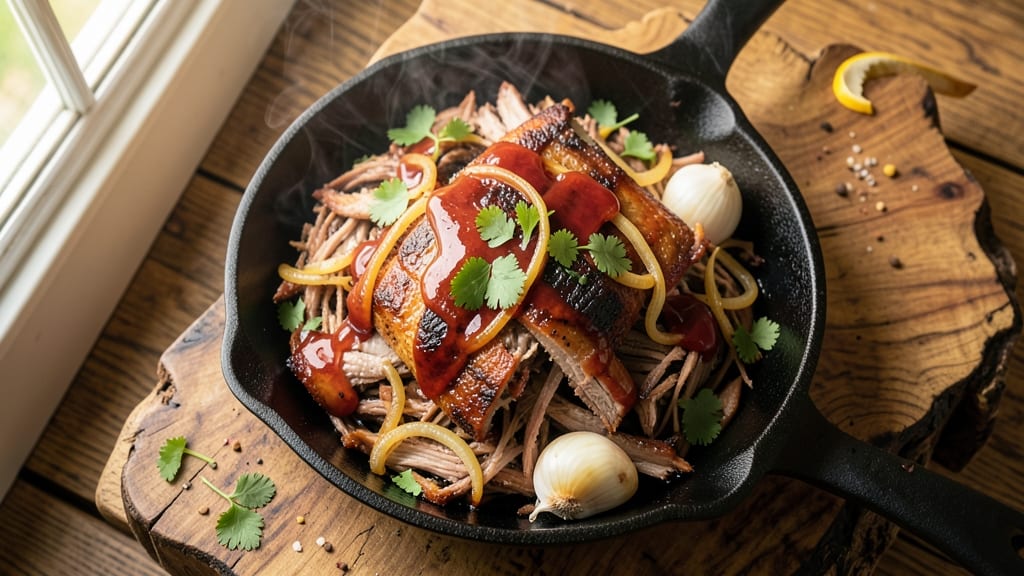
This best pulled pork recipe for a smoker pellet grill transforms tough pork shoulder into fall-apart tender meat using your pellet grill's precision. The secret lies in low-and-slow smoking with the right wood blend and temperature control—no guesswork, just consistent results.
I've perfected this method after countless test runs, ensuring bark develops properly while the meat stays juicy inside.
What sets this recipe apart is the pellet grill's ability to maintain steady temperatures, eliminating the temperature swings that plague other smokers. We'll use a 3-2-1 method—3 hours with bark development, 2 hours for collagen breakdown, and 1 hour to hit the perfect internal temperature.
The right wood choice (hickory for bold flavor, apple for sweetness) makes all the difference in the final taste.
When it's done, you'll have meat so tender it practically melts on the bone, ready to be pulled into restaurant-quality shreds. The key to serving success is proper resting and pulling techniques that preserve moisture. Serve with classic sides like tangy coleslaw and buttery cornbread for the full experience.
This method works equally well for beginners and experienced smokers—just follow the temperature targets and let the pellet grill do the work. We'll also cover troubleshooting common pellet grill issues like fuel jams and temperature fluctuations, so you can focus on enjoying the process instead of fixing problems.
Ingredients for best pulled pork recipe smoker pellet grill
Six pounds of pork shoulder, precise wood blends, and a foolproof 3-2-1 method—this is your ticket to restaurant-quality pulled pork.
| Ingredient | Amount | Notes |
|---|---|---|
| Boneless Pork Shoulder 🐖 | 6 lb | Bone-in preferred for flavor |
| Yellow Onion 🧅 | 1 whole | Large, sliced into wedges |
| Garlic Cloves 🧄 | 8 cloves | Peeled, smashed for aroma |
| Apple Wood Pellets 🌳 | 2 lb | Or hickory for stronger flavor |
| Hickory Wood Pellets 🌳 | 1 lb | For balanced smoky depth |
| Apple Cider Vinegar 🍎 | ¼ cup | For tenderizing rub |
| Brown Sugar 🍚 | ½ cup | Light or dark preferred |
| Smoked Paprika 🌶️ | 2 tbsp | For authentic smoky flavor |
| Ground Black Pepper 🌶️ | 1 tbsp | Freshly cracked preferred |
| Kosher Salt 🧂 | 1 tbsp | Diamond Crystal preferred |
| Mustard Powder 🥫 | 1 tsp | For subtle tang |
| Onion Powder 🧅 | 1 tsp | Enhances depth |
| Unsalted Butter 🧈 | ½ cup | Cold, cubed for basting |
| Apple Juice 🍎 | ½ cup | For moisture during smoking |
The pork shoulder is non-negotiable—look for bone-in cuts at Costco or your local butcher for maximum flavor. Apple wood pellets are my go-to for sweetness, but Traeger's hickory blend adds that classic BBQ depth. If you can't find apple, cherry wood works beautifully too. The key is freshness: aim for meat that's bright pink with good marbling. For the wood pellets, Traeger, Green Mountain, or Cookshack brands are consistent winners—avoid those mystery bags from big-box stores unless you're okay with hit-or-miss results.
No apple cider vinegar? White vinegar or lemon juice work in a pinch, though flavor will differ slightly. The brown sugar should be light or dark—none of that powdered junk. For the wood blend, if you're committed to hickory, cut the apple to 1 lb and double the hickory. The rub ingredients are flexible: no mustard powder? Skip it entirely—it's more about the smoky backbone. Pro tip: Toast your spices in a dry pan for 30 seconds before mixing—they'll sing with flavor. And if you're using pre-made pellets, check the bag date—old pellets burn inefficiently and create more ash than smoke.
This recipe rewards patience—plan for 12-14 hours total time. The pork keeps beautifully: 3-4 days in the fridge or 6 months frozen. For leftovers, store in the juices and reheat slowly in a 350°F oven with a splash of apple juice to restore moisture. I always make a double batch—one for the table, one for pulled pork sandwiches the next day. The secret to serving? Keep it warm in a chafing dish or slow cooker until ready to pull—never microwave, or you'll dry it out.
Why You'll Love This Recipe
- Smoke Bomb Flavor: That mix of apple and hickory? It’s like a hug for your taste buds—sweet, smoky, and just a little tangy. The onions caramelize right into the meat, so every bite has depth without needing fancy sauces.
- Leftovers That Shine: Pull pork stays amazing for days, and this recipe makes enough for sandwiches, tacos, or even a potluck. I’ll be real: my freezer is always stocked with vacuum-sealed portions because reheating it is just as good as fresh.
- Budget Crowd-Pleaser: A single pork shoulder feeds 8-10 people for under $20. Honestly, it’s the easiest way to feed a hungry house without breaking the bank—plus, the leftovers stretch into lunches for days. Win-win.
Step-by-step instructions for perfect pellet grill pulled pork
Here's how to transform a simple pork shoulder into melt-in-your-mouth pulled pork using your pellet grill's precision.
Create the Tenderizing Rub
In a medium bowl, combine the 0.5 cup brown sugar, 2 tbsp smoked paprika, 1 tbsp kosher salt, 1 tbsp ground black pepper, 1 tsp mustard powder, and 1 tsp onion powder. This isn't just seasoning—it's a flavor bomb that will penetrate the meat and create that perfect balance of sweet, smoky, and tangy notes.
Add the 0.25 cup apple cider vinegar to the dry mixture and stir until fully incorporated. The vinegar acts as a natural tenderizer, breaking down muscle fibers while adding a subtle tang that complements the sweetness. Transfer this rub to a small container for easy application later. I like to use a resealable plastic bag for this step—it makes spreading the rub evenly on the meat effortless.
Prepare and Season the Pork Shoulder
Pat the 6 lb boneless pork shoulder completely dry with paper towels—this is crucial for developing that beautiful bark. Wet skin equals steam, and steam equals soggy pork. Once dry, generously coat all sides with the rub mixture, pressing it firmly into the meat so it adheres well. The pork should look like it's been dusted with a sweet, spicy snowfall.
Place the rubbed pork shoulder in a shallow dish and cover with plastic wrap. Refrigerate for at least 4 hours, but I prefer to let it sit overnight. This long marinating time allows the rub to penetrate deeply and the meat to develop a perfect balance of moisture and surface dryness. The longer it marinates, the more tender and flavorful your final result will be.
Set Up Your Pellet Grill for Low-and-Slow Cooking
Fill your pellet grill's hopper with a 50/50 mix of apple wood pellets and hickory wood pellets—the apple adds sweetness while the hickory provides that classic smoky depth. Set the temperature to 225°F and allow the grill to preheat for at least 30 minutes. You'll know it's ready when you see steady, blue smoke with no white vapor—this means the pellets are burning cleanly and creating that perfect smoke environment.
Once the grill reaches temperature, place the pork shoulder fat-side up on the grill grate. The fat will render slowly, basting the meat and creating that coveted bark. Add the sliced 1 whole yellow onion and 8 smashed garlic cloves to the grill as well—they'll caramelize beautifully and infuse the pork with their flavors throughout the cook.
Monitor the Cook and Handle the Stall
Cook the pork shoulder undisturbed for 6-8 hours, maintaining that 225°F temperature. This is where pellet grills shine—they maintain temperature better than traditional smokers, ensuring consistent cooking. You'll notice the internal temperature will eventually stall around 165°F—this is completely normal and happens as moisture evaporates from the meat.
When the stall occurs, wrap the pork shoulder tightly in aluminum foil along with the 0.5 cup apple juice. This technique, known as the "Texas crutch," helps push the pork through the stall while keeping it moist. Return it to the grill and continue cooking until the internal temperature reaches 200-203°F, which should take another 2-4 hours. The meat should be fork-tender and pull apart easily with minimal resistance.
Rest and Shred for Maximum Tenderness
Remove the pork from the grill and transfer it to a cutting board. Let it rest for at least 1 hour before shredding—this resting period allows the juices to redistribute throughout the meat, ensuring each bite is moist and flavorful. While it rests, preheat your serving dishes in the oven to keep them warm.
Once rested, shred the pork using two forks or a meat claw. The meat should pull apart easily into fine, stringy strands. Return the shredded pork to the grill or a skillet and stir in the 0.5 cup cold cubed butter to keep it moist and add richness. Serve immediately on soft buns with your favorite toppings—this pulled pork is so tender, it practically melts in your mouth.
Pro Tips For Making Best Pulled Pork Recipe Smoker Pellet Grill
- Split That Shoulder: Boneless pork shoulder is easier to handle but still needs a cut—slice it into two 3-4 lb chunks before smoking. I learned this the hard way when one side ended up overcooked while the other was still tough; even heat distribution is everything.
- Char the Onions First: Toss sliced onions and minced garlic in a dry skillet until deeply caramelized—about 10 minutes on medium-high. This adds a smoky depth that raw aromatics can’t match, and you can reuse the pan for searing the pork later.
- Don’t Rush the Stall: When the grill hits 160°F and the pork’s internal temp plateaus, resist the urge to crank the heat. Wrap it in butcher paper with a handful of apple wood pellets inside—this breaks the stall and keeps the meat tender without drying it out.
- Mix Wood Pellets Mid-Smoke: Swap half the apple pellets for hickory at the 4-hour mark. The apple gives sweetness upfront, but hickory’s boldness shines through as the pork cooks low and slow—like a two-act performance. (And yes, this works even if you’re not a wood nerd.)
Regional styles of this recipe
Carolina Style
This regional approach leans into bold, vinegar-based flavors that cut through the pork's richness. Use a 50/50 mix of hickory and pecan wood pellets for that signature Southern smokiness.
After the initial 6 hours of smoking, wrap the pork in foil with ½ cup apple cider vinegar and ½ cup chicken broth—this tangy liquid becomes the base for your sauce. Serve with Carolina-style slaw (shredded cabbage, mayo, and hot sauce) and buttery white bread for the full experience.
The key here is the vinegar—it tenderizes and adds that signature tang that defines Eastern NC barbecue. 🌶️
Texas BBQ
Texas-style pulled pork focuses on bold, smoky flavors with a sweeter touch. Use 100% post oak wood pellets for that iconic Central Texas bark, and add 1 tbsp chili powder to your rub for a subtle heat.
After the initial 8 hours of smoking, wrap the pork with ½ cup beef broth and 2 tbsp brown sugar to create a sticky, caramelized exterior. Serve with white bread (not buns!) and a side of pickled jalapeños—this is how you eat it in Austin.
The Texas approach is all about the bark and the balance of sweet and smoky. 🔥
Kansas City Style
Kansas City's signature is its rich, sweet tomato-based sauce that pairs perfectly with tender pulled pork.
Smoke the pork as directed, then shred it and toss with a sauce made from 2 cups tomato paste, ½ cup molasses, ¼ cup apple cider vinegar, and 1 tbsp smoked paprika. Simmer this sauce until thickened, then glaze the pork.
Serve on brioche buns with a side of baked beans—this is the classic KC combo. The sauce is what makes this style unique, so don't skip the molasses for that deep, caramelized flavor. 💛
Memphis Dry Rub
Memphis-style pulled pork shines with its dry rub and emphasis on bark. Use a 50/50 mix of hickory and cherry wood pellets for that signature Memphis smoke.
After the initial 6 hours, wrap the pork with ½ cup apple juice and 2 tbsp brown sugar to create a sticky, caramelized crust.
The key here is the dry rub—Memphis pitmasters use a blend of salt, pepper, garlic powder, and paprika, but I like to add 1 tsp cayenne for a subtle kick. Serve on soft potato rolls with a side of collard greens—this is pure Memphis comfort food. 🌟
Modern Fusion Twist
For a contemporary take, try a Korean-inspired fusion by adding 1 tbsp gochugaru (Korean chili flakes) and 1 tsp gochujang to your rub. Smoke the pork as usual, but finish it with a glaze of ½ cup gochujang, 2 tbsp honey, and 1 tbsp soy sauce.
Serve on steamed buns with kimchi and quick-pickled cucumbers for a fresh, spicy contrast. This fusion brings bold flavors to your pellet grill while keeping the low-and-slow method intact. 💫
Nutrition facts
Frequently asked questions
What's the best cut of pork for pulled pork on a pellet grill?
Always use a bone-in pork shoulder (also called a picnic shoulder) for maximum flavor. The bone adds depth, while the fat cap renders beautifully on your pellet grill. A 6 lb cut yields about 4-5 servings of pulled pork, perfect for feeding a crowd. If you can't find bone-in, a boneless shoulder works too—just trim excess fat to ¼-inch thickness for even cooking.
How do I handle the temperature stall on my pellet grill?
When your pork stalls around 165°F, wrap it tightly in foil with ½ cup apple juice (the "Texas crutch"). This pushes it through the stall while keeping it moist. Return to the grill at 225°F until it hits 200-203°F. Pro tip: If your pellet grill struggles with temperature swings, try preheating with hickory pellets first—they burn hotter and stabilize faster than fruit woods.
Can I use this recipe with other wood pellets besides apple and hickory?
For milder flavor, try cherry or pecan pellets. For stronger smoke, use 100% hickory but reduce cook time by 30 minutes—hickory burns hotter. Avoid mesquite (too strong) or pine (resinous). The key is consistency: stick to one type of wood for each cook. If mixing woods, preheat with the stronger one first to stabilize temperature.
How long can I keep cooked pulled pork in the fridge?
Store in an airtight container with some of the cooking juices for up to 4 days. For best texture, reheat in a 350°F oven with a splash of apple juice until warmed through. Freeze for up to 6 months—thaw overnight in the fridge, then reheat slowly. Never microwave, or you'll dry it out. The secret to serving leftovers? Keep them warm in a slow cooker on "warm" setting.
What if my pellet grill runs out of pellets mid-cook?
Don't panic! Most pellet grills have a 10-15 minute buffer where they'll maintain temperature using residual heat. If you're running low, add pellets gradually to avoid overwhelming the firepot. For long cooks, keep an extra bag nearby and refill when the hopper is ¼ full. As a backup, you can even use wood chips soaked in water in the firepot if needed—just monitor closely.