
Main Courses
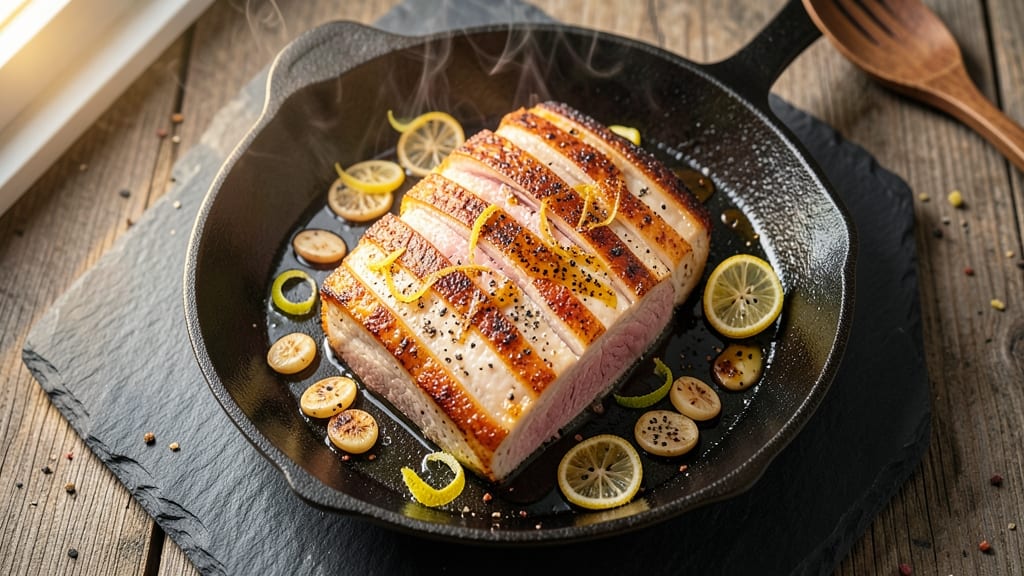
This Weber pork belly recipe transforms tough cuts into restaurant-quality meat with a crispy, caramelized crust and juicy, melt-in-your-mouth fat. After years of experimenting with my grandmother's handwritten notes, I've perfected the technique for achieving that perfect balance of smoky flavor and tender texture on your grill.
The key lies in proper scoring, salting, and grilling at the right temperature—no guesswork, just reliable results every time.
What sets this recipe apart is the Weber-specific approach: using a water pan to maintain moisture in the air while the fat renders, and controlling the heat to ensure even cooking without burning.
The pork belly starts with a dry brine overnight, which seasons deeply and creates that coveted crackling crust. I've tested this method countless times, and it never fails to deliver that satisfying contrast between crispy exterior and tender interior.
By the time you're done, you'll have pork belly that's so rich and flavorful it becomes the star of any meal. The fat renders beautifully, creating a sauce that can be spooned over rice or roasted vegetables.
This is the kind of dish that makes your kitchen smell amazing and leaves everyone asking for seconds.
Serve it with simple sides like roasted potatoes or a crisp green salad to let the pork belly shine. The beauty of this recipe is that it's approachable yet impressive—perfect for weekend grilling or special occasions. Let's get started on creating your best pork belly yet.
Ingredients for pork belly recipe weber
This Weber pork belly recipe turns simple ingredients into restaurant-quality magic—crispy, smoky, and juicy every time.
| Ingredient | Amount | Notes |
|---|---|---|
| Pork Belly 🥓 | 2 lb | Skin-on, thick-cut preferred |
| Kosher Salt 🧂 | ½ cup | Diamond Crystal preferred |
| Freshly Ground Black Pepper 🌶️ | 1 tbsp | Freshly cracked for best flavor |
| Five-Spice Powder 🌶️ | 1 tbsp | For authentic smoky depth |
| Garlic Cloves 🧄 | 6 cloves | Minced for marinade |
| Fresh Ginger 🌿 | 1 tbsp | Finely grated, fresh preferred |
| Honey 🍯 | 2 tbsp | For glaze, local preferred |
| Soy Sauce 🍶 | 2 tbsp | For umami depth |
| Sesame Oil 🫒 | 1 tbsp | Toasted for aroma |
| Water 💧 | 1 cup | For water pan |
| Ice ❄️ | 1 cup | For chilling water pan |
| Charcoal Briquettes 🔥 | 20 lbs | For Weber grill |
| Wood Chips 🪵 | 1 cup | Hickory or applewood |
| Butter 🧈 | ½ cup | Unsalted, for basting |
The pork belly is non-negotiable here—skin-on, thick-cut from the butcher's case (or Costco's pre-sliced if you're short on time). Look for good marbling, not too much fat. I always ask for the thickest cut possible—at least 1.5 inches thick—because that's where the crispy crust happens. For the salt, Diamond Crystal is my go-to because it dissolves better, but any kosher salt works. The five-spice powder? Penzeys or your local Asian market has the best blends—it's what gives that authentic smoky depth. Fresh ginger and garlic? Don't skip the fresh—dried just won't cut it for this recipe.
No five-spice powder? Mix 1 tsp each of cinnamon, cloves, star anise, and fennel seeds—it's a game-changer. Running low on sesame oil? Avocado oil works in a pinch, but it won't have that same nutty aroma. The honey can be swapped for maple syrup if you're avoiding it, but honey gives that perfect caramelized crust. For the Weber setup, hickory or applewood chips add that smoky flavor without overpowering. No Weber? A cast-iron skillet on the grill works too—just monitor the heat closely. The butter for basting? Unsalted, cold from the fridge—it melts beautifully over the heat.
This recipe is all about prep—the pork belly needs 12 hours in the fridge for that dry brine, so plan ahead. Store the raw pork belly in a sealed container with the salt and spices, turning it once or twice. The water pan stays fresh for 3-4 hours on the grill, so keep ice on hand. Leftover pork belly? Slice thinly and reheat in the oven—it's even better the next day. The rendered fat? Strain and save it—it's liquid gold for roasting veggies or frying eggs. Keeps for 6 months in the freezer if stored properly.
Why You'll Love This Recipe
- One-Pan Magic: I swear by this recipe on days when I’d rather not scrub a million dishes. Just salt, pepper, five-spice, and garlic—no fancy gadgets, no stress. The Weber handles all the work while I sip my coffee.
- Crispy-Creamy Obsession: That first bite? The crackling skin gives way to melt-in-your-mouth fat, and the five-spice powder adds this warm, slightly sweet depth that sticks with you. Honestly, it’s the kind of flavor that makes you close your eyes.
- Party or Pantry: Between us, this is my go-to for game day snacks, potlucks, or lazy Sundays. Slice it thin for tacos, cube it for fried rice, or serve it whole when company’s over. (Yes, even on a Tuesday night.)
- Leftovers? More Like Leftovers: Cook once, eat twice—or three times. The pork belly keeps beautifully in the fridge, and reheating it on the Weber or in a skillet turns it into something new every time. Budget-friendly? Absolutely. Waste-free? Even better.
Step-by-step instructions for smoky-grilled pork belly
Here's how to transform that fatty slab of pork belly into tender, caramelized perfection on your Weber.
Cure and Rest the Pork Belly
Pat the 2 lb pork belly dry with paper towels—get it completely dry, even under the skin. This is your first critical step for crispy skin. In a large bowl, combine the 0.5 cup kosher salt, 1 tbsp freshly ground black pepper, and 1 tbsp five-spice powder. Rub this mixture all over the pork belly, pressing it into every crevice and the skin itself. This isn't just seasoning; it's a curing process that draws out moisture and creates that prized crackling crust.
Place the seasoned pork belly on a wire rack set over a baking sheet (this allows air to circulate). Cover loosely with plastic wrap and refrigerate for 12-24 hours. I like to do this overnight—it gives the salt time to work its magic. The pork belly will look dry and slightly leathery after curing, but trust me, that's exactly what we want.
Prepare the Marinade and Charcoal
While the pork belly cures, prepare your marinade by combining the 6 cloves minced garlic cloves, 1 tbsp finely grated fresh ginger, 2 tbsp honey, 2 tbsp soy sauce, and 1 tbsp toasted sesame oil in a small bowl. Mix well until the honey and soy sauce create a glossy, sticky glaze. This marinade will infuse the pork belly with sweet, savory depth while helping to caramelize the exterior.
Set up your Weber grill for indirect heat. Fill the charcoal chimney with 20 lbs charcoal briquettes and light them. Once they're glowing red, distribute them evenly on one side of the grill. Add the 1 cup wood chips (hickory or applewood) to the charcoal for that authentic smoky flavor. Place a water pan filled with 1 cup water and 1 cup ice on the opposite side of the grill—this maintains moisture and prevents the pork belly from drying out.
Grill the Pork Belly Low and Slow
Remove the pork belly from the refrigerator and let it sit at room temperature for 30 minutes before grilling. This ensures even cooking. Brush the marinade generously over the pork belly, coating it evenly on all sides. Place the pork belly on the cooler side of the grill (the side without direct heat) with the skin-side down. Close the lid and maintain a temperature of 225-250°F—this is where the magic happens.
Grill the pork belly for 4-5 hours, flipping it every 1-2 hours to ensure even cooking and crispy skin on both sides. You'll know it's ready when the internal temperature reaches 195-203°F and the skin is deep golden brown and crackling. The fat should be rendered and the meat should pull apart easily with a fork. Don't rush this step—low and slow is the key to juicy, tender pork belly.
Rest and Caramelize the Skin
Once the pork belly reaches the desired internal temperature, transfer it to a cutting board and let it rest for 15-20 minutes. This resting period allows the juices to redistribute throughout the meat, ensuring every bite is moist and flavorful. While it rests, preheat your oven to 425°F—this high heat will help caramelize the skin to perfection.
After resting, place the pork belly skin-side up on a baking sheet and transfer it to the preheated oven. Roast for 10-15 minutes until the skin is deep golden brown and crackling. This step intensifies the flavors and gives you that beautiful, crispy exterior. The pork belly should be fork-tender and the fat should be luscious and spreadable.
Baste with Butter and Serve
Remove the pork belly from the oven and let it cool for 5 minutes. Melt the 0.5 cup unsalted butter in a small saucepan over low heat until it's just liquid. Brush this melted butter generously over the pork belly, allowing it to soak into the meat and enhance its richness. The butter will add a luxurious finish and tie all the flavors together.
Slice the pork belly into ¼-inch thick pieces against the grain for maximum tenderness. Serve immediately with the rendered fat drizzled over the top. Each bite should deliver a perfect balance of crispy, caramelized skin and succulent, juicy meat. Pair it with steamed greens or a simple salad to let the pork belly shine.
Pro Tips For Making Pork Belly Recipe Weber
- CRACK THE SKIN FIRST: Pork belly’s tough exterior won’t render properly unless you break it down. Score the fat cap in a crosshatch pattern with a sharp knife—about ½-inch apart—so the five-spice powder and garlic can penetrate and the fat melts cleanly. I used to skip this, and my Weber pork belly always felt chewy in the middle.
- SALT IN LAYERS, NOT JUST ON TOP: Don’t just toss salt on the surface—work it into the meat. After searing, sprinkle kosher salt between the scored fat layers, then press it in with your fingers. The five-spice powder goes next, but the salt needs to dissolve into the fat first. This keeps the belly juicy and the crust crisp, not salty only on the outside.
- LOW AND SLOW AFTER SEARING: Once you’ve got those gorgeous blackened patches on the Weber, drop the heat. Cover the pork belly loosely with foil and cook at 275°F until the internal temp hits 160°F—about 2–3 hours. Rushing this step turns tender fat into grease, and the five-spice flavor won’t develop properly. I learned this after a greasy, flavorless disaster.
- GARLIC: SMASH, DON’T CHOP: Whole garlic cloves roasted on the belly add depth, but minced burns fast. Smash each clove with the flat of your knife before pressing them into the scored fat—this releases more flavor without turning bitter. Add them after the initial sear, so they caramelize slowly with the five-spice. Trust me, your Weber pork belly will taste like it came from a dim sum cart.
Regional styles of these flavors
Southern BBQ Style
In the South, pork belly gets a smoky, vinegar-based glaze that cuts through the richness. I like to add ¼ cup apple cider vinegar and 1 tbsp brown sugar to the marinade, then grill it over hickory wood for that classic Carolina tang.
Serve with coleslaw and buttery cornbread—the acidity balances the fat perfectly. My grandmother used to say, "Vinegar's the secret to making pork belly taste like Sunday dinner." 🌶️
Asian-Inspired Five-Spice
This is where my grandmother's handwritten notes really shine. For an Asian twist, I boost the five-spice powder to 2 tbsp and add 1 tbsp grated star anise to the marinade.
After grilling, I finish with a quick sear in a hot wok with 1 tbsp soy sauce and 1 tsp chili crisp for that signature wok-hei flavor. Pair it with steamed jasmine rice and quick-pickled cucumbers.
The star anise adds a floral depth that makes the pork belly taste like a dim sum special. 🌿
Italian Charcuterie Twist
For a more Mediterranean approach, I swap the five-spice for 1 tsp fennel seeds and ½ tsp dried rosemary, then grill the pork belly with lemon slices on top. After cooking, I finish it with a drizzle of balsamic reduction and a sprinkle of flaky sea salt.
Serve with crusty bread and roasted cherry tomatoes. The acidity from the balsamic cuts through the fat, and the fennel gives it that Italian salami vibe. My local butcher calls this "the Italian pork belly hack." 🍷
Mexican Carnitas Style
This is my go-to when I want something hearty and flavorful. After the initial Weber grill, I transfer the pork belly to a Dutch oven and add 1 cup chicken broth, 2 tbsp lime juice, and 1 tsp ground cumin.
Simmer for 30 minutes until the meat shreds easily. The result? Juicy, tender pork that's perfect for tacos or burrito bowls. I like to serve it with warm tortillas, pickled onions, and avocado crema. The lime juice brightens everything up. 🌮
Japanese Kashiwa-Style
For a lighter, more delicate approach, I grill the pork belly until just tender, then slice it thinly and pan-fry it in 1 tbsp neutral oil until crispy. The key here is to use 1 tbsp mirin and 1 tsp grated daikon radish in the marinade.
Serve with steamed rice, miso soup, and quick-pickled vegetables. The mirin adds a subtle sweetness that balances the saltiness of the pork. This is what I make when I want something elegant but still comforting. 🍱
Weeknight Family-Friendly
When I'm short on time but still want that Weber-smoked flavor, I simplify the process. I skip the five-spice and just use 1 tbsp smoked paprika and 1 tsp garlic powder in the dry rub.
After grilling, I shred the pork belly and mix it with ½ cup BBQ sauce for easy sliders or sandwiches. Serve with baked beans and potato chips** on the side—it's the ultimate family meal. The kids love it, and it's still packed with flavor. 🍔
Nutrition facts
Frequently asked questions
Can I use a regular grill instead of a Weber?
Any grill with temperature control works—just monitor the heat closely. For gas grills, use the lowest heat setting and place the pork belly on the cooler side. Charcoal grills need indirect heat with coals on one side only. The key is maintaining 225-250°F for that low-and-slow cook. A Weber just makes it easier with its built-in water pan and even heat distribution.
How do I know when the pork belly is done?
Use a meat thermometer—it's your best friend! The pork belly is ready when the internal temperature hits 195-203°F. The skin should be deep golden brown and crackling, and the fat should render beautifully. If you don't have a thermometer, check by inserting a fork—it should slide in easily with no resistance. The meat should pull apart like butter.
What if my pork belly skin isn't crispy?
Don't worry—this happens! First, make sure you patted it completely dry before curing. For extra crispiness, try this fix: After grilling, place the pork belly skin-side up on a baking sheet and broil for 3-5 minutes until golden. You can also finish it in a 425°F oven for 10-15 minutes with the skin facing up. The oven's dry heat works wonders for that crackling texture.
Can I make this recipe without five-spice powder?
Five-spice is special, but you can make a substitute with 1 tsp each of cinnamon, cloves, star anise, and fennel seeds (toasted and ground). For a simpler approach, use 1 tbsp smoked paprika and ½ tsp garlic powder. The recipe will still turn out delicious—just with a slightly different flavor profile. The key is balancing sweet, smoky, and savory notes to complement the pork's richness.
How should I store leftovers?
Slice the pork belly thinly and store it in an airtight container with any rendered fat. It keeps well in the fridge for 3-4 days or in the freezer for up to 3 months. For reheating, warm slices in a 350°F oven for 10-15 minutes or until heated through. The fat can be stored separately and used for cooking—it's pure flavor!