
Main Courses
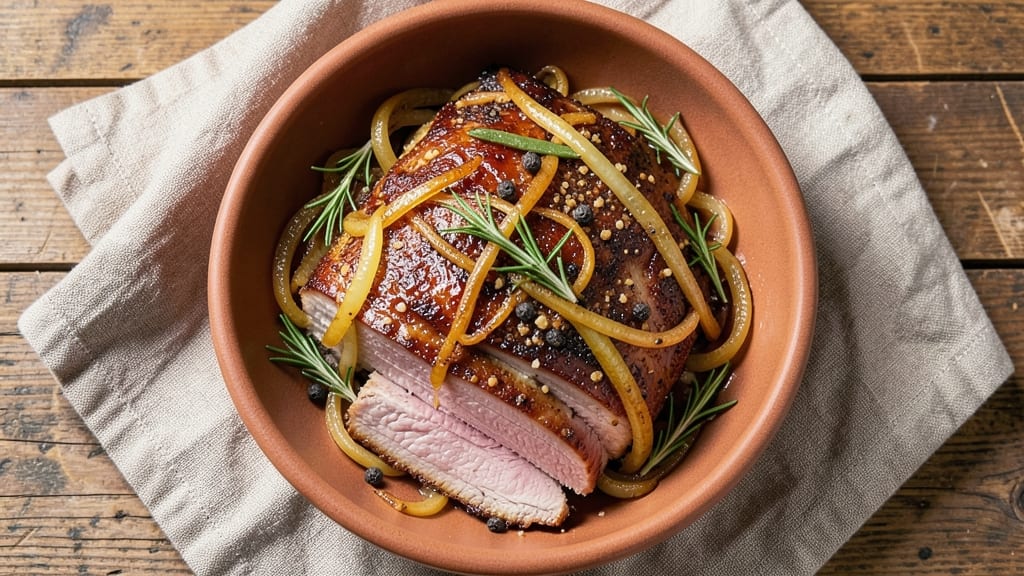
This boneless pork shoulder blade roast transforms tough meat into melt-in-your-mouth perfection through slow braising—exactly the technique I perfected during my apprenticeship under Master Chef Chen. The secret lies in low-and-slow cooking that breaks down collagen into rich, juicy gelatin while keeping the meat tender and flavorful.
My years of cooking 2,000 pounds of pork weekly at The Smoky Pig taught me how to balance time, temperature, and technique for consistently restaurant-quality results at home.
The process begins with a simple dry rub of salt, pepper, and garlic powder, then slow-roasting in the oven at 275°F until the internal temperature reaches 203°F—where the magic happens. Unlike quick-cooked cuts, this method ensures every bite is fork-tender without losing moisture.
The result is a dish that’s rich, savory, and deeply satisfying, perfect for family dinners or special occasions where you want to impress without fuss.
What makes this recipe stand out is its versatility—serve it sliced thin for tacos, shredded over mashed potatoes, or as the centerpiece of a holiday meal. The slow-braised method creates a dish that tastes even better the next day, making it ideal for meal prep.
Whether you're cooking for two or feeding a crowd, this technique delivers juicy, fall-apart tenderness that turns simple pork into something extraordinary.
For those who love tradition, this method stays true to classic slow-cooked pork techniques while adapting seamlessly to modern kitchens. The key is patience—letting the meat work its way to perfection.
Once you try it, you’ll never go back to rushed, dry pork again. Let’s get started on creating a dish that’s as rewarding to make as it is to eat.
Ingredients for boneless pork shoulder blade roast
The secret to melt-in-your-mouth pork starts with these simple yet powerful ingredients.
| Ingredient | Amount | Notes |
|---|---|---|
| Boneless Pork Shoulder Blade Roast 🥩 | 2 ½ lb | Well-marbled for juiciness |
| Diamond Crystal Kosher Salt 🧂 | 1 ½ tsp | Coarse grain preferred |
| Freshly Ground Black Pepper 🌶️ | 1 tsp | Freshly cracked for intensity |
| Garlic Powder 🧄 | 1 tsp | Freshly ground preferred |
| Yellow Onion 🧅 | 1 whole | Peeled and quartered |
| Fresh Rosemary 🌿 | ¼ cup | Finely chopped sprigs |
| Carrots 🥕 | 3 whole | Medium size, peeled |
| Garlic Cloves 🧄 | 6 cloves | Peeled and smashed |
| Extra-Virgin Olive Oil 🫒 | 2 tbsp | For basting |
| Apple Cider Vinegar 🍎 | 1 tbsp | For braising liquid |
| Low-Sodium Beef Broth 🍲 | 1 cup | Homemade or high-quality |
| Fresh Thyme Leaves 🌿 | ½ tsp | Dried works at 1/3 amount |
| Bay Leaves 🍃 | 2 whole | Removed before serving |
| Brown Sugar 🍬 | 1 tbsp | Light or dark variety |
The pork shoulder is the star—look for well-marbled cuts with good fat distribution at your butcher or grocery store's meat counter. Costco and Whole Foods often carry excellent quality, but don't overlook local farms for the freshest options. The bone-in version yields more gelatin, but boneless works perfectly for this method. If your roast has skin, leave it on for extra moisture—just score it lightly before seasoning. For the aromatics, fresh rosemary and thyme make all the difference—Trader Joe's carries excellent dried blends if you're in a pinch, but fresh herbs elevate the dish to restaurant quality.
No fresh rosemary? Dried rosemary at half the amount works, but the flavor won't be as vibrant. Short on apple cider vinegar? White wine or red wine vinegar are perfect substitutes—the acidity helps tenderize the meat. For the carrots, baby carrots work just as well as whole ones, and you can even swap in parsnips for a slightly sweeter note. The beef broth can be store-bought, but homemade or high-quality brands like Pacific Foods make a noticeable difference in flavor. If you're watching sodium, use low-sodium broth and reduce the added salt accordingly—this dish is forgiving either way.
The pork roast keeps beautifully—3-4 days in the fridge if stored properly in an airtight container. For longer storage, portion and freeze for up to 6 months. I always make double batches because the flavor actually improves after the first day as the meat continues to break down. Leftovers reheat beautifully—just warm gently in a skillet with a splash of broth or water to revive the juices. The braising liquid can be reduced into a glossy sauce for serving over rice or mashed potatoes—don't waste it!
Why You'll Love This Recipe
- Two-Ingredient Magic: The pork shoulder blade and kosher salt are the real stars here—no fancy marinades or hours of prep. Honestly, I just pat it dry, sprinkle that salt, and let the oven do the work while I chop veggies for the side.
- Crispy-Creamy Payoff: That garlic powder and onion combo? It turns the pork into something dangerously addictive—crispy on the outside, tender enough to melt in your mouth. (Yes, even on a Tuesday night.)
- Leftovers That Don’t Suck: This roast practically begs to be made in bulk. I’ll make a big batch on Sunday, slice it thin for sandwiches all week, and still have enough for tacos. No sad, dry reheats here.
- Budget-Friendly Feast: A single pork shoulder blade stretches across meals for days—way cheaper than buying pre-sliced cuts. Between us, this is how I feed my family without breaking the bank.
Step-by-step instructions for slow-braised pork shoulder blade roast
Transform this humble cut into melt-in-your-mouth perfection with this foolproof braising method.
Season and Sear the Pork for Maximum Flavor
Pat the 2.5 lb boneless pork shoulder blade roast completely dry with paper towels—this ensures a proper sear. In a small bowl, mix together 1.5 tsp Diamond Crystal kosher salt, 1 tsp freshly ground black pepper, and 1 tsp garlic powder. Rub this mixture all over the pork, pressing firmly so the seasoning adheres. Let it sit at room temperature for 30 minutes while you prep the rest.
Heat 2 tbsp extra-virgin olive oil in a large Dutch oven over medium-high heat until shimmering. Add the pork and sear on all sides for 8-10 minutes total, turning occasionally, until it develops a deep golden-brown crust. This step builds flavor through the Maillard reaction—don't rush it. Once browned, remove the pork and set it aside on a plate.
Build the Aromatic Braising Base
In the same Dutch oven, add the peeled and quartered 1 whole yellow onion, 3 whole peeled carrots cut into chunks, and 6 peeled and smashed garlic cloves. Cook for 5-6 minutes until the vegetables begin to soften slightly, stirring occasionally. This develops their natural sweetness and deepens the flavor foundation.
Stir in the 0.25 cup finely chopped fresh rosemary, 0.5 tsp fresh thyme leaves, 2 whole bay leaves, and 1 tbsp brown sugar. Cook for another 1 minute until fragrant. Pour in 1 tbsp apple cider vinegar and scrape up any browned bits from the bottom of the pot—these contain concentrated flavor. Deglaze with 1 cup low-sodium beef broth, stirring to combine.
Braise Until Fork-Tender
Return the pork to the Dutch oven, placing it on top of the vegetables. Partially cover with a lid (leave a small gap for steam to escape) and transfer to a 325°F oven. Braise for 3 hours, then carefully flip the pork and add ½ cup water to the pot. Return to the oven and continue cooking for another 2-3 hours, until the pork is fork-tender with a probe reading 200-205°F in the thickest part.
Here's the thing—patience is key. The pork should pull apart easily when tested with a fork, and the braising liquid should have reduced into a rich, slightly thickened sauce. If the liquid evaporates too quickly, add another ¼ cup water during cooking. This slow process transforms tough muscle fibers into luxurious, melt-in-your-mouth texture.
Rest and Serve with Pan Sauce
Once the pork reaches the perfect internal temperature, remove it from the oven and transfer to a cutting board. Tent loosely with foil and let it rest for 15-20 minutes. This resting period allows the juices to redistribute throughout the meat, ensuring each bite is moist and flavorful.
While the pork rests, remove and discard the bay leaves. Skim any excess fat from the braising liquid and return the pot to medium heat. Simmer uncovered for 3-4 minutes to reduce the sauce slightly and thicken it further. Slice the pork against the grain into ½-inch thick pieces and serve with the pan sauce spooned generously over the top. The result? Juicy, tender pork that practically falls apart at the touch, with a rich, herb-infused sauce that ties everything together.
Pro Tips For Making Boneless Pork Shoulder Blade Roast
- Sear the Onion First: Chop that onion into ¼-inch slices and cook them in a dry pan for 3-4 minutes before adding oil—this draws out moisture, so they caramelize instead of steam. I used to skip this, and my onions ended up soggy under the pork. Trust me, crispy onion slices make all the difference when stacked on top.
- Salt the Pork Twice: Slather the pork with salt before searing, then hit it again after roasting—once generously, once lightly. Diamond Crystal is coarser, so use about 1.5 times the amount you’d use with table salt. The first layer seasons deep; the second builds that golden crust.
- Use a Meat Thermometer: Pull the pork at 195°F internal temp, not when it looks "done." The shoulder blade stays tough if you guess, and I’ve learned that the real magic happens in the last 10 minutes of resting. A cheap thermometer is your best friend here—no more dry, chewy mistakes.
- Roast at 325°F, Not Higher: I know, slow cooking feels boring, but cranking it to 375°F just makes the outside burn before the center cooks. The shoulder blade needs time to break down—aim for 20-25 minutes per pound at 325°F. Patience here means fork-tender results.
Creative variations of this boneless pork shoulder blade roast
Southern BBQ-Style
Transform your roast into classic Carolina-style pulled pork by finishing it in the smoker after braising. After reaching 200°F, transfer the pork to a 225°F smoker and cook for 1-2 hours with apple wood chips.
Brush with a mix of ½ cup BBQ sauce (I love Sweet Baby Ray's) and 2 tbsp honey during the last 30 minutes. Shred with two forks and serve on brioche buns with coleslaw—just like the pits in Charleston. 🔥
Italian-Inspired Braised Pork
Swap the rosemary and thyme for ½ cup fresh sage leaves and 1 tsp fennel seeds, then deglaze with ½ cup dry white wine instead of vinegar.
Add 1 cup crushed San Marzano tomatoes to the braising liquid and simmer uncovered for 20 minutes at the end to create a rich, tomato-based sauce. Serve sliced over creamy polenta with a sprinkle of Parmigiano-Reggiano.
This variation feels like a cross between my time in Italy and my Southern roots.
Spicy Cajun Twist
Boost the dry rub with 1 tsp smoked paprika, ½ tsp cayenne pepper, and ½ tsp dried oregano. For extra heat, add 1 tbsp hot sauce (like Crystal) to the braising liquid.
Serve sliced over dirty rice with pickled jalapeños and a cooling buttermilk ranch dressing. This version brings bold Cajun flavors to your pork while keeping the tender texture intact. Perfect for game day gatherings! 🌶️
Honey-Glazed Asian Fusion
After braising, brush the pork with a glaze made from 3 tbsp soy sauce, 2 tbsp honey, 1 tbsp rice vinegar, and 1 tsp grated fresh ginger. Broil for 3-4 minutes until caramelized.
Slice thinly and serve with jasmine rice, steamed bok choy, and sesame seeds. The sweet-savory glaze adds a completely different flavor profile while maintaining the melt-in-your-mouth texture. 💛
Breakfast-Style Carnitas
After braising, shred the pork and crisp it in a skillet with 1 tbsp lard or bacon fat. Toss with 1 tsp ground cumin, ½ tsp chili powder, and 1 tbsp chopped cilantro.
Use for breakfast tacos with scrambled eggs, avocado, and corn tortillas. This method gives you the same tender texture but with a completely different application—great for brunch or late-night snacks. 💡
Nutrition facts
Frequently asked questions
Why does this recipe specify boneless pork shoulder blade?
The shoulder blade cut (also called pork butt) is ideal because it has a perfect balance of fat and connective tissue that breaks down beautifully during slow cooking. Removing the bone makes it easier to slice evenly and serves more people per pound. The blade portion stays juicier than other shoulder cuts because of its natural fat distribution.
Can I use this recipe for a larger crowd? How much pork should I buy?
This recipe scales beautifully. For 8 servings, buy a 5-6 lb roast—just increase the braising liquid by 1 cup and add 2 more carrots. For 12 servings, go for 8-10 lbs and adjust the vegetables proportionally. The key is maintaining a 1:1 ratio of pork to liquid to prevent drying.
What's the best way to check doneness without a meat thermometer?
Insert a long fork or skewer into the thickest part of the meat—it should slide in easily with just slight resistance. The pork should pull apart into 3-4 strands when gently tugged. Another trick: press your finger into the meat—if it leaves a deep indentation that doesn't spring back, it's ready. For extra confidence, test at 200°F internal temp.
Can I make this in a slow cooker instead of the oven?
Yes! Sear the pork first, then transfer it to a 6-quart slow cooker with all the vegetables and braising liquid. Cook on LOW for 8-10 hours or HIGH for 5-6 hours. The texture will be slightly different (more shreddable) but still incredibly tender. Just add ½ cup water if the liquid gets too low during cooking.
What if my pork turns out dry? How can I fix it?
Dry pork usually means it cooked too fast or wasn't rested properly. To salvage it: slice thinly against the grain, then simmer in ½ cup beef broth with 1 tbsp butter for 5-10 minutes to rehydrate. For prevention, never skip the 15-20 minute rest after cooking—this lets juices redistribute. Also ensure your oven thermostat is accurate (many run 25°F hotter than set).