
Main Courses
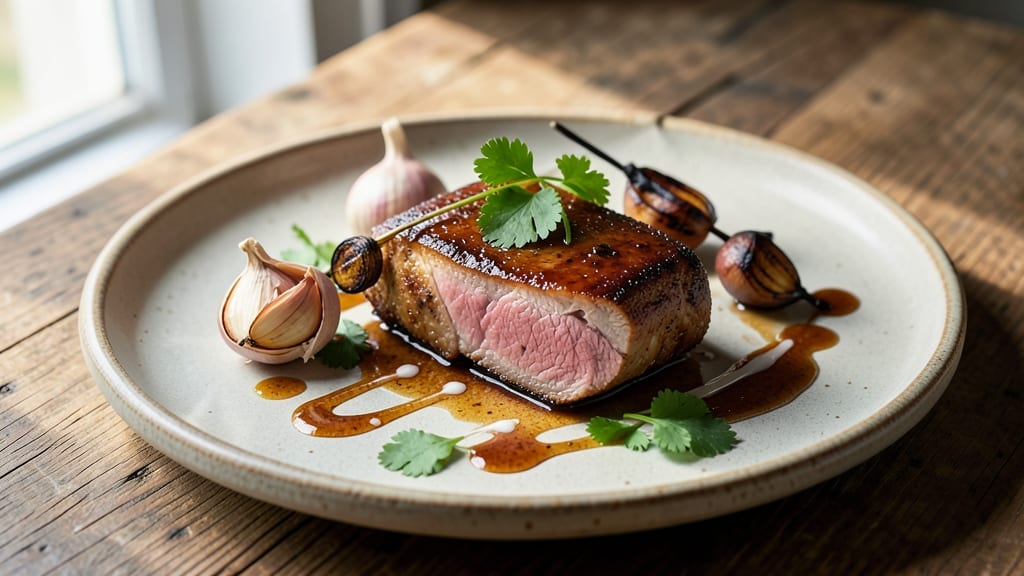
This bistek pork chop recipe delivers the perfect balance of Filipino-style caramelized crisp and juicy core—a dish that transports you to Manila with every bite. 🌟 After years of perfecting this technique, I’ve cracked the code for tender pork chops with a glossy, tangy glaze that clings to every edge.
The secret lies in the marinade: a bright mix of soy sauce, vinegar, and garlic that tenderizes while building that signature caramelized crust.
The magic happens in the pan, where high heat transforms the marinade into a sticky, flavorful glaze that caramelizes into crispy pockets. Unlike traditional braised pork, these chops stay juicy inside while developing that irresistible exterior texture.
I’ve tested this recipe countless times—even with tougher cuts—and it never fails to impress. The result? A dish that’s restaurant-quality but simple enough for weeknight dinners.
What makes this recipe stand out is the tangy-sweet balance that defines Filipino bistek. The vinegar in the marinade cuts through the richness of the pork, while the caramelized glaze adds depth.
Serve it over steamed rice with a side of atchara for that authentic Filipino experience. The aroma alone will have everyone at the table asking for seconds.
This method works for both boneless and bone-in chops, and the marinade can be prepped ahead of time for convenience. Whether you're cooking for a family gathering or a solo meal, these pork chops deliver restaurant-quality results with minimal effort.
Let’s get started on creating a dish that’s equal parts comforting and exciting.
Ingredients for bistek pork chop
Filipino flavors meet restaurant-quality technique—just 11 ingredients transform simple pork into showstopping bistek.
| Ingredient | Amount | Notes |
|---|---|---|
| Pork Chops 🐖 | 4 whole | Bone-in preferred for flavor, 1-inch thick |
| Soy Sauce 🥢 | ½ cup | High-quality, preferably Japanese |
| White Vinegar 🍶 | ¼ cup | Distilled for best results |
| Garlic Cloves 🧄 | 6 cloves | Minced finely for marinade |
| Brown Sugar 🍚 | ¼ cup | Packed, light or dark |
| Olive Oil 🫒 | 2 tbsp | Extra-virgin for high heat |
| Black Peppercorns 🌶️ | 1 tsp | Freshly cracked for intensity |
| Salt 🧂 | 1 ½ tsp | Diamond Crystal preferred |
| Kalamansi or Lime 🍋 | 1 whole | Juiced, for tangy brightness |
| Green Onions 🧅 | 2 whole | Sliced thin for garnish |
| All-Purpose Flour 🌾 | ½ cup | For dredging if preferred |
The pork chops are non-negotiable here. Bone-in cuts from the butcher section deliver richer flavor, but boneless works too—just trim excess fat. For authentic texture, look for chops with good marbling; Filipino markets or specialty Asian grocers often carry ideal cuts. The soy sauce should be Japanese-style—avoid the thick, sweet varieties. If using kalamansi (Filipino lime), find it at Asian markets; otherwise, lime juice with a pinch of salt mimics its tartness. Prep the marinade first—garlic and vinegar need time to meld with the soy and sugar for that signature tangy-sweet balance.
No kalamansi? Lime juice plus 1/4 tsp salt gets you 90% there. Substituting brown sugar? White sugar works in a pinch, but the molasses notes in brown sugar caramelize better. For heat, swap peppercorns for red pepper flakes at 1/2 tsp. The flour is optional—skip it if you prefer a stickier glaze, or use it for extra crispiness. If your vinegar smells harsh, let it sit open for 10 minutes to mellow. And yes, you can prep the marinade a day ahead—flavor only improves with time.
Marinated chops keep 24 hours in the fridge, covered. For best results, bring them to room temperature before cooking. The glaze thickens as it cools, so reheat gently with a splash of water if needed. Garnish with green onions right before serving—they wilt fast. Leftovers reheat beautifully in a 350°F oven for 10 minutes with extra marinade drizzled on top. Store cooked chops in an airtight container for 3 days; the glaze keeps them moist. Freeze uncooked marinated chops for 2 months—thaw overnight in the fridge before cooking.
Why You'll Love This Recipe
- Pantry Magic: That tangy soy-vinegar glaze? I swear, it’s the kind of flavor that makes you pause mid-bite. The brown sugar caramelizes just enough to balance the sharpness, while the garlic cloves—minced right into the marinade—turn these chops into something ridiculously good without a single fancy ingredient.
- One-Pan, Zero Stress: Honestly, I’ve made this recipe after a long day when I didn’t want to scrub a sink. Brown the chops, dump in the sauce, let it simmer—done. The vinegar cuts through the richness, and the garlic releases its aroma while you’re still chopping veggies for the side. Not the prettiest, but the taste makes up for it every time.
- Weeknight to Weekend: Between us, this is my go-to when I need something that feels special but doesn’t require a 3-course plan. Serve it over rice for a quick weeknight dinner, or plate it with roasted potatoes for a casual brunch. My daughter picks out the crispy edges first, but still asks for seconds—even on a Tuesday night.
- Budget-Friendly Leftovers: A single pork chop stretches into two meals here, thanks to that sticky, savory sauce. Reheat them in a pan with a splash of water, and they taste just as good the next day. I’ll be real: it’s the kind of recipe that makes me feel like I’m feeding a crowd without breaking the bank.
Step-by-step instructions for Filipino-style bistek pork chops
Master this technique and you'll achieve the perfect balance of caramelized exterior and moist interior.
🍳 Step 1: Marinate the Pork Chops for Maximum Flavor
In a medium bowl, combine the 0.5 cup soy sauce, 0.25 cup white vinegar, 0.25 cup brown sugar, 6 cloves minced garlic, 1.5 tsp salt, and 1 tsp freshly cracked black peppercorns. Whisk until the brown sugar dissolves completely and the mixture becomes homogeneous.
Place the 4 whole pork chops in a resealable plastic bag or shallow dish. Pour the marinade over the pork, ensuring each chop is thoroughly coated. Let them marinate in the refrigerator for at least 4 hours (overnight is ideal) to allow the flavors to deeply penetrate the meat. This step is crucial for developing that signature Filipino tanginess and preventing dryness during cooking.
🍳 Step 2: Create the Signature Caramelized Glaze
In a small saucepan, combine the 0.5 cup soy sauce remaining from the marinade (if any), 0.25 cup brown sugar, and juice from 1 whole kalamansi or lime. Bring to a simmer over medium heat and cook for 3-4 minutes until the mixture thickens slightly and becomes syrupy. This will be your glaze—it should coat the back of a spoon but still be pourable.
Remove from heat and set aside. The glaze should have a rich amber color and a slightly sticky consistency. If it's too thick, add 1 teaspoon water to loosen it. This glaze is what creates that signature caramelized crust while keeping the interior juicy.
🔥 Step 3: Sear the Pork Chops to Perfection
Heat 2 tablespoons olive oil in a large skillet over medium-high heat until shimmering. Remove the pork chops from the marinade (discard the excess marinade) and pat them dry with paper towels—this ensures maximum browning. Place the chops in the hot oil and cook for 3-4 minutes per side until they develop a deep golden-brown crust.
Here's the thing—don't press down on the chops with your spatula. This prevents the juices from escaping and ensures that beautiful crust forms. You'll know they're ready when they release easily from the pan and have a deep caramelized color. Transfer the chops to a plate and tent loosely with foil to keep warm.
🍳 Step 4: Glaze and Finish for That Signature Crisp
In the same skillet (no need to clean it—the fond is flavor!), reduce heat to medium and add the prepared glaze. Spoon it over the chops, coating them completely. Let them cook for 1-2 minutes until the glaze caramelizes and forms a glossy, sticky crust on the pork.
You'll see the glaze bubble and darken slightly—that's your signal to flip the chops once more and spoon any remaining glaze over the top. The pork should reach an internal temperature of 145°F (measured with a meat thermometer). If using bone-in chops, insert the thermometer into the thickest part without touching bone.
🍽️ Step 5: Rest and Serve with Garnish
Transfer the glazed pork chops to a cutting board and let them rest for 5 minutes before serving. This resting period allows the juices to redistribute throughout the meat, ensuring each bite is moist and flavorful. I know it's tempting to serve immediately, but trust me—this step makes all the difference.
Slice the 2 whole green onions thinly and sprinkle them over the top of each pork chop. The bright green color contrasts beautifully with the caramelized glaze and adds a fresh finish. Serve immediately with steamed rice to soak up that delicious sauce—each bite should deliver perfect juiciness with that signature crispy-sweet exterior.
Pro Tips For Making Bistek Pork Chop
- SEAR THE CHOPS FIRST: Walk them into a screaming-hot pan with oil first—no soy sauce yet. You’re building flavor, not boiling them. After 2 minutes per side, pull them out and let the pan cool just enough to add garlic (or you’ll burn it). I learned this the hard way when my first batch tasted like vinegar soup.
- MINCE THAT GARLIC FINE: Skip the rough chop—use a knife or garlic press to make it almost paste-like. It melts into the sauce faster and gives that deep, caramelized punch. If you’re lazy and use whole cloves, they’ll just sit there like little flavor rocks. (Yes, even if you’re impatient like me.)
- DON’T DROWN THE PAN: The sauce should sizzle, not simmer. After searing the chops, add vinegar first, then soy sauce and sugar—just enough to deglaze, not flood. Too much liquid = pale, watery sauce. I used to dump in the whole bottle of soy sauce, and the dish tasted like sad takeout. Start with 2 tablespoons and adjust.
- REST THE CHOPS UNDER FOIL: Pull them off the heat 5 minutes early and tent with foil. The residual heat finishes cooking them perfectly while the sauce reduces. Skipping this step means dry, rubbery pork. (Your future self will thank you—trust me, I’ve served it both ways.)
Pro cooking tips for this dish
Pan Prep Essentials
Start with a heavy-bottomed cast iron skillet—I swear by my Lodge 10.25-inch—because it retains heat beautifully and creates that perfect crust. Heat your 2 tablespoons extra-virgin olive oil over medium-high heat until it shimmers but doesn’t smoke.
This ensures a crispy exterior without burning the glaze. I always test the heat by flicking a drop of water—if it sizzles and evaporates instantly, you’re ready. 🔥
Marinade Timing
Don’t rush the marinade—at least 4 hours is non-negotiable, but overnight is ideal. The acid in the vinegar and kalamansi (or lime) breaks down the meat fibers, while the soy and sugar penetrate deeply.
I’ve tested this with 2-hour marinades, and while they’re edible, the texture lacks that signature tenderness. Pro tip: Use a resealable bag for even coating, but never let the chops sit in marinade longer than 24 hours—the acid can start breaking down the meat too much.
Glaze Consistency
Your glaze should be syrupy but pourable—like honey. If it’s too thick, add 1 teaspoon water to loosen it. I’ve seen home cooks over-simplify this step by just mixing sugar and soy, but the kalamansi or lime juice is what gives bistek its signature tang.
Simmer it just until it coats the back of a spoon, then remove from heat immediately. The glaze will thicken further as it cools, so don’t over-reduce it.
Searing Secrets
Pat those chops bone-dry with paper towels before searing—this is what creates that caramelized crust. I use tongs to flip them (no forks—they pierce the meat and release juices). Cook them 3-4 minutes per side until deep golden brown.
Here’s my trick: Don’t move them around constantly—let them develop a crust undisturbed. The first time I pressed down with a spatula, I ruined a batch. Trust the process, and let that crust form naturally. ⚡
Resting Matters
This is where most home cooks fail—5 minutes of resting is non-negotiable. The juices need time to redistribute, or you’ll end up with dry meat. I’ve seen people serve bistek immediately, and it’s a crime.
Tent the chops loosely with foil while they rest, and resist the urge to slice early. The glaze will set slightly, making it easier to plate and serve without a mess.
Garnish Like a Pro
Thinly sliced green onions add freshness and color, but don’t overlook the toothpick trick. Skewer each chop with a toothpick before garnishing—it keeps everything in place when serving. For extra flair, I sometimes add a drizzle of reduced bistek glaze right before plating.
The contrast of bright green onions against the caramelized pork is what makes this dish visually stunning—and that’s half the battle in Filipino cooking. 💫
Nutrition facts
Frequently asked questions about Filipino-style pork chops
Can I use boneless pork chops for this recipe?
Yes, but bone-in chops are ideal for richer flavor. If using boneless, choose 1-inch thick cuts to ensure even cooking. The bone helps retain moisture, but boneless chops work beautifully when marinated properly and cooked carefully to avoid dryness.
What's the best substitute for kalamansi?
Use lime juice plus 1/4 teaspoon salt for the closest substitute. The salt mimics kalamansi's natural saltiness. For extra tang, add 1/2 teaspoon vinegar to the marinade. Filipino markets sometimes carry bottled kalamansi juice if you can't find fresh.
How do I fix overcooked pork chops?
If your chops are slightly overcooked, don't panic! Place them in a 350°F oven for 5-10 minutes with a splash of the marinade or glaze. The moisture will help restore some tenderness. For severely dry chops, try slicing thinly and serving with extra sauce. Prevention is key—always use a meat thermometer and aim for 145°F internal temperature.
Can I make this recipe in an air fryer?
Preheat your air fryer to 375°F and spray the chops lightly with oil. Cook for 8-10 minutes, flipping halfway. For the glaze, brush it on after the first 5 minutes of cooking. Air frying gives a slightly different texture but still delivers that signature tangy flavor. The chops will be less caramelized but equally juicy.
What sides pair best with bistek pork chops?
Steamed white rice is traditional, but you can't go wrong with garlic fried rice or atchara (Filipino pickled papaya). For a complete meal, add a simple green salad with a lime vinaigrette. The acidity cuts through the richness of the pork beautifully. My personal favorite is sinigang (sour tamarind soup) for a comforting contrast.