
Main Courses
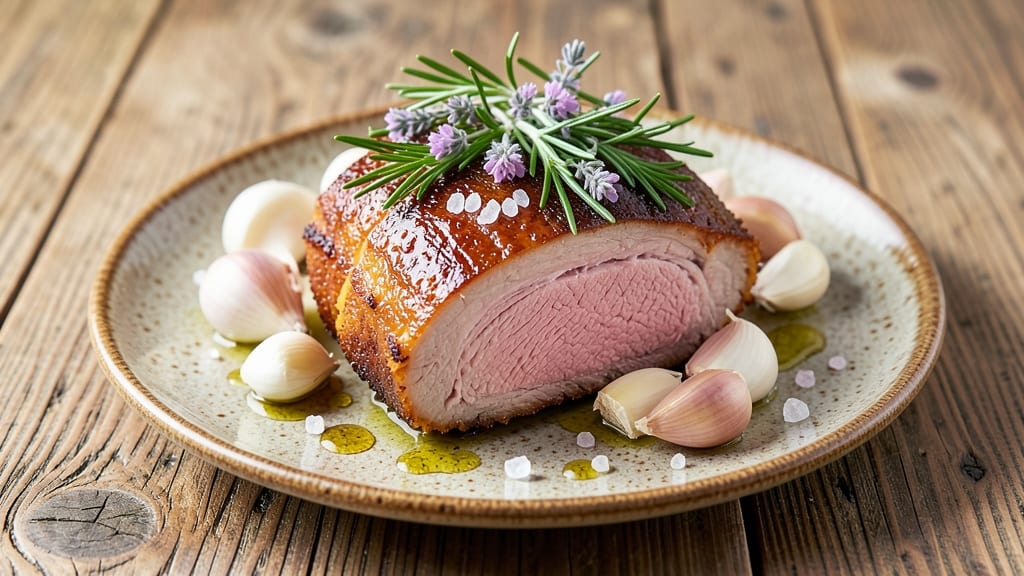
This Blue Apron pork loin recipe delivers restaurant-quality results with a herb-crusted exterior and a juicy, tender center—the kind of showstopper that makes weeknight dinners feel special. ✨ As someone who's cooked thousands of pounds of pork, I know the secret lies in precise seasoning, even cooking, and proper resting time.
What makes this recipe stand out is the balance of bold flavors and foolproof technique that ensures perfect results every time.
The foundation starts with a herb crust made from fresh rosemary, thyme, and garlic—simple ingredients that pack serious flavor. We'll roast the pork loin at a controlled temperature until it reaches 145°F internally, then let it rest to lock in those juices.
This method guarantees a perfectly cooked roast with a golden-brown crust and a center that's impossibly tender. The beauty of this recipe is its versatility—it works equally well for family dinners or impressive gatherings.
What you'll end up with is a juicy, flavorful pork loin that practically falls apart at the touch of a fork, all while maintaining a beautiful presentation. The herb crust adds aromatic depth, while the tender meat delivers melt-in-your-mouth satisfaction.
This is the kind of dish that transforms ordinary meals into memorable experiences—without requiring hours in the kitchen.
Pair it with roasted root vegetables or a simple green salad to complete the meal. The technique I'm sharing today is the same one I use at The Smoky Pig, adapted for home kitchens. Let's get started on creating your perfect herb-crusted pork loin.
Ingredients for blue apron pork loin
Restaurant-quality pork loin starts with these carefully selected ingredients for a herb-crusted masterpiece.
| Ingredient | Amount | Notes |
|---|---|---|
| Pork Loin Roast 🐖 | 2 lb | Bone-in, center-cut preferred |
| Fresh Rosemary 🌿 | ¼ cup | Finely chopped, stems removed |
| Fresh Thyme 🌿 | 0.2 cup | Leaves only, stems discarded |
| Garlic Cloves 🧄 | 6 cloves | Minced, skin-on for flavor |
| Extra-Virgin Olive Oil 🫒 | ⅓ cup | For crust and basting |
| Diamond Crystal Kosher Salt 🧂 | 1 ½ tbsp | Coarse grain preferred |
| Freshly Ground Black Pepper 🌶️ | 1 tsp | Coarse grind for texture |
| Unsalted Butter 🧈 | ½ cup | Cold, cubed for crust |
| Fresh Parsley 🌿 | 0.1 cup | Chopped, for garnish |
| Honey 🍯 | 1 tbsp | For glaze (optional) |
| Balsamic Vinegar 🍷 | 1 tbsp | For finishing glaze |
| Vegetable Oil 🫒 | 1 tbsp | For searing pan |
The pork loin is non-negotiable here—bone-in, center-cut delivers superior flavor and moisture retention. Whole Foods Market or local butcher shops carry the best cuts; look for uniform thickness and vibrant color. Fresh herbs are essential: Whole Foods or Trader Joe's sell pre-bundled herb mixes, but individual stems ensure better flavor. The garlic should smell pungent and firm—no soft spots. For the olive oil, California brands like Lucini provide that fruity depth that makes the crust sing. Don't compromise on butter quality either; Plugrá or Land O'Lakes unsalted are my go-tos for that rich, creamy texture in the crust.
No fresh rosemary? Dried at one-third the amount works in a pinch, though the flavor won't be as bright. Substitute thyme with fresh oregano if needed, but adjust to taste. For the honey glaze, agave nectar is a 1:1 swap if you prefer vegan options. The vegetable oil can be swapped for avocado oil for a higher smoke point. If you're short on time, pre-minced garlic from the jar works—just drain it well. The crust relies on cold butter, so let it sit out 10 minutes before mixing if it's straight from the fridge. For extra richness, add 1 tbsp Dijon mustard to the herb mix.
Pork loin keeps best in the fridge for 3-4 days when properly wrapped, but it's at its prime within 2 days of purchase. The herb crust components (butter, herbs, oil) can be prepped 1 day ahead and stored in an airtight container. For make-ahead convenience, sear the pork and refrigerate overnight, then finish roasting the next day. The crust will crisp beautifully even after reheating. Leftover pork reheats best in a 350°F oven with a splash of broth to maintain moisture. Portion into 1-inch slices for elegant presentation.
Why You'll Love This Recipe
- Minimal Chopping Required: I swear by this—just a few garlic cloves and a sprig of rosemary, minced in seconds. No fancy knife work, no small cuts to mess up. The pork loin stays thick and forgiving while the herbs release their magic with barely any effort.
- Crispy-Creamy Magic: That olive oil sear on the outside gives you a golden crust, while the inside stays juicy and tender. Honestly, it’s the kind of balance that makes you close your eyes and nod—no dry, overcooked pork here.
- Leftovers That Don’t Suffer: Between us, this roast actually improves the next day. Slice it thin for sandwiches, dice it for fried rice, or toss it in a pasta—it’s versatile enough to handle whatever you throw at it. No sad, dry reheats here.
- Weeknight Hero: I’ve made this when I was exhausted, when I forgot to thaw the meat, even when I burned the garlic (oops). It forgives mistakes, delivers flavor, and gets me out of the kitchen faster than takeout. (Yes, even on a Tuesday night.)
Step-by-step instructions for herb-crusted pork loin roast
This method delivers a perfectly juicy center with a crispy, herb-infused crust every time.
👨🍳 Step 1: Prepare the Herb Butter Crust
In a small bowl, combine the 0.25 cup fresh rosemary, 0.2 cup fresh thyme, 6 minced garlic cloves, 1.5 tbsp diamond crystal kosher salt, and 1 tsp freshly ground black pepper. Pulse in a food processor until finely chopped, or finely mince by hand with a sharp knife. This ensures even distribution of flavor throughout the crust.
Add the 0.5 cup cold unsalted butter and pulse until the mixture resembles coarse sand. The butter should be incorporated but still hold its shape when pressed. Transfer to a plate and refrigerate while you prepare the pork. This cold butter creates a flavorful, crispy crust that seals in juices during roasting.
🔥 Step 2: Sear the Pork Loin for Maximum Flavor
Pat the 2 lb pork loin roast dry with paper towels—this is crucial for achieving a crispy crust. Heat 1 tbsp vegetable oil in a large oven-safe skillet over medium-high heat until shimmering. Place the pork loin in the skillet and sear on all sides for 2-3 minutes per side until deep golden brown and crust begins to form.
Here's the thing—don't press down on the pork with your spatula. This prevents the juices from escaping and ensures a proper sear. When you see the crust develop and the pork releases easily from the pan, it's ready for the oven. The searing creates a flavorful barrier that locks in moisture during roasting.
🥘 Step 3: Assemble and Roast to Juicy Perfection
Transfer the seared pork to a cutting board and spread the herb butter mixture evenly over all sides, pressing gently to adhere. Return the pork to the skillet and place it in a preheated 425°F oven. Roast for 20-25 minutes until the internal temperature reaches 145°F—this is where the magic happens for juicy pork.
Real talk: Your oven might run hot, so start checking the temperature after 20 minutes. The pork should be light pink in the center with a deep golden brown crust. If the crust starts to darken too quickly, tent loosely with foil to prevent over-browning while it continues cooking.
⏰ Step 4: Rest and Prepare the Finishing Glaze
Remove the pork from the oven and transfer it to a cutting board. Let it rest for 10-15 minutes before slicing—this resting period is non-negotiable for juicy results. While it rests, create the finishing glaze by combining 1 tbsp honey and 1 tbsp balsamic vinegar in a small saucepan. Simmer over low heat for 2-3 minutes until slightly thickened.
Brush this glaze over the rested pork just before serving. The honey adds subtle sweetness that complements the herby crust, while the balsamic vinegar adds a bright acidity. The glaze should coat the pork lightly—don't overdo it, or it'll become sticky. This step elevates the dish from good to exceptional with minimal effort.
🍽️ Step 5: Slice and Serve with Fresh Garnish
Slice the pork loin into ½-inch thick medallions against the grain for maximum tenderness. Arrange the slices on a warm platter and spoon any accumulated pan juices over the top. Garnish with 0.1 cup chopped fresh parsley for a pop of color and freshness that brightens the dish.
Serve immediately with roasted vegetables or a simple side salad. Each slice should be juicy and tender with a crispy, herb-infused crust that delivers layers of flavor in every bite. The glaze adds a subtle sweet-tangy contrast that ties everything together beautifully.
Pro Tips For Making Blue Apron Pork Loin
- Trim the Fat Cap: DESCRIPTION:
- Smash Those Garlic Cloves: DESCRIPTION:
- Don’t Overcrowd the Pan: DESCRIPTION:
- Rest Under Foil: DESCRIPTION:
Wine and beer pairings for this recipe
Red Wine Classics
For this herb-crusted pork loin, a medium-bodied red wine like Pinot Noir from Oregon or Chianti Classico from Tuscany is my go-to. The bright acidity and red fruit notes cut through the rich butter crust while complementing the rosemary and thyme.
I often reach for a 2019 La Crema Pinot Noir—its silky texture and cherry undertones make it a perfect match for the dish's herbal complexity. 🍷
A slightly bolder option is Sangiovese from Italy, which brings earthy notes that pair beautifully with the pork's savory crust. Look for a Chianti Riserva—it has enough structure to stand up to the dish without overpowering it.
Serve these wines slightly chilled (around 60-62°F) to enhance their refreshing qualities against the warm pork.
Crisp White Alternatives
If you prefer white wine, a dry Riesling from Germany or Viognier from Rhône Valley works beautifully. The 2020 Dr. Loosen Blue Slate Riesling has a perfect balance of acidity and mineral notes that cleanse your palate between rich bites.
For something lighter, a Condrieu Viognier offers floral and peach aromas that harmonize with the honey-balsamic glaze. 🍷
Don't overlook Chardonnay—opt for an unoaked version like Meiomi Pinot Grigio (yes, it's a Chardonnay!) to keep the wine crisp and refreshing. The citrus and green apple notes provide a delightful contrast to the pork's herbal richness. Chill these whites to 45-50°F for the best experience.
Beer Pairings
A German Helles Lager like Weihenstephaner Original is my top beer pairing—its malty sweetness and subtle hop bitterness complement the pork's crust without competing. The 5.5% ABV makes it versatile enough for both casual and formal settings.
For something with a bit more character, try a Belgian Witbier like Hoegaarden—the coriander and orange peel notes play off the rosemary beautifully. 🍺
If you prefer American craft beers, a session IPA like New Belgium Voodoo Ranger offers a balance of citrus and herbal notes that enhance the dish. The 5.2% ABV keeps it light enough to enjoy with a hearty meal.
For a darker option, a German Dunkel like Ayinger Altbairisch Dunkel provides roasted malt flavors that mirror the crust's depth.
Non-Alcoholic Options
For non-drinkers, a sparkling apple cider like Martinelli's adds a refreshing contrast to the rich pork. The effervescence cleanses the palate, while the apple notes complement the honey glaze. Another great option is ginger beer—the spicy kick from Brew Dr. Brown's pairs wonderfully with the herbal crust. 🍎
Herbal iced teas like Bigelow's Green Tea with lemon offer a lighter alternative. The tea's brightness balances the dish's richness, while the lemon adds a citrusy freshness. For something more substantial, try a sparkling grapefruit soda—the tartness enhances the pork's savory notes beautifully.
Nutrition facts
Frequently asked questions
Can I substitute pork loin with another cut of pork?
While pork loin is ideal for this recipe, you can use pork tenderloin for a leaner option. For best results, adjust cooking time—tenderloin cooks 10-15 minutes faster than loin. Avoid bone-in cuts like rib chops, as they require different techniques and yield less tender meat.
Why does the pork need to rest after cooking?
The 10-15 minute rest is critical—it allows juices to redistribute throughout the meat instead of pooling and leaking out when sliced. Skipping this step results in dry, disappointing pork. Place the pork on a warm platter and loosely cover with foil while resting to maintain internal heat.
What if my pork loin is thicker than 2 inches?
For every ½-inch over 2 inches, add 5-7 minutes to your roasting time. Use a meat thermometer to check for 145°F internal temperature—never rely on time alone. Thicker cuts benefit from a slightly lower oven temp (400°F) to ensure even cooking without over-browning the crust.
Can I make this recipe ahead of time?
Yes! Prep the herb butter crust 1 day ahead and store it chilled. For make-ahead convenience, sear the pork and refrigerate it overnight, then finish roasting the next day. Reheat in a 350°F oven for 10-15 minutes with a splash of broth to maintain moisture. The crust will crisp beautifully even after reheating.
What's the best way to reheat leftovers?
Slice leftovers into ½-inch pieces and reheat in a 350°F oven for 10-12 minutes, or until reaching 165°F. For extra moisture, add 1 tbsp chicken broth to the pan. Microwaving is possible but can make the crust soggy—always cover with a damp paper towel and heat in 30-second intervals.