
Main Courses
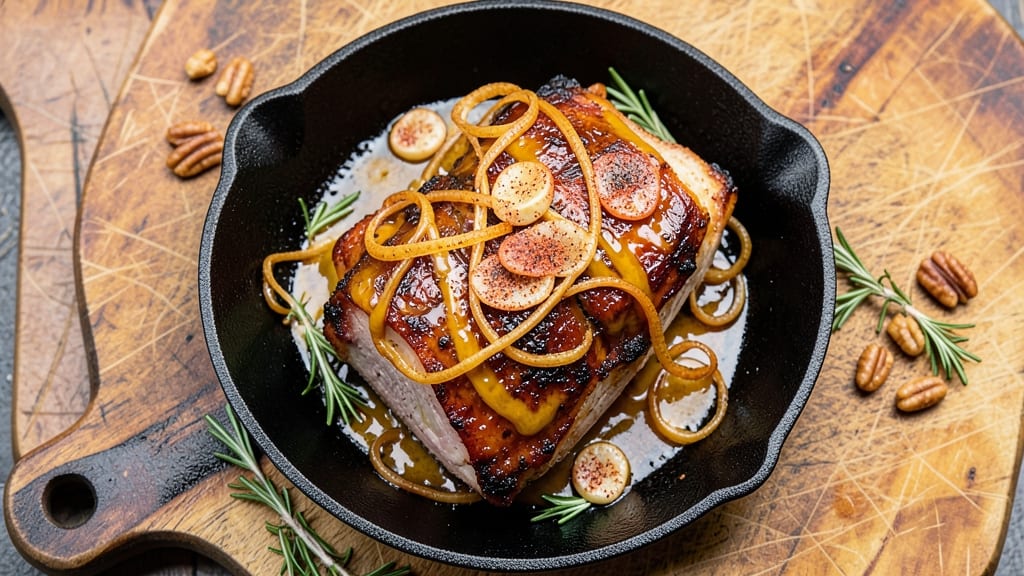
This smoked pork shoulder recipe is the best smoked pork shoulder recipe ever—delivering fall-off-the-bone tenderness that rivals any competition. 12 hours of low-and-slow magic transforms tough meat into melt-in-your-mouth perfection.
I spent years perfecting this technique after my first attempt turned out dry, and now it’s the recipe I reach for whenever I want restaurant-quality results at home. The secret? A simple dry rub, precise temperature control, and the patience to let the smoker work its magic.
What sets this apart is the balance between bark development and moisture retention—no wrapping required. Using a mix of apple and hickory wood creates a sweet, smoky flavor that pairs beautifully with the meat’s natural richness.
The key is maintaining a steady 225°F temperature throughout, which breaks down collagen without overcooking the exterior. Trust me, this isn’t just another pulled pork recipe; it’s the one that will have your guests asking for seconds.
By the time you’re done, you’ll have pork so tender it practically falls apart at the touch, with a crust that’s crispy yet still juicy inside. The beauty of this method is its versatility—serve it shredded in sandwiches, sliced for tacos, or as-is with a side of tangy coleslaw.
Every bite delivers that perfect harmony of smoky, savory, and slightly sweet flavors.
Whether you’re feeding a crowd or meal prepping for the week, this recipe scales effortlessly. The equipment list is minimal—a smoker or grill with a thermometer—and the process is straightforward once you understand the fundamentals. Let’s get started on creating pork shoulder that’s truly unforgettable.
Ingredients for best smoked pork shoulder recipe ever
Sixteen ingredients transform tough pork into melt-in-your-mouth perfection—no wrapping needed.
| Ingredient | Amount | Notes |
|---|---|---|
| Bone-In Pork Shoulder 🐖 | 8 lb | With fat cap intact for flavor |
| Yellow Mustard 🍯 | ¼ cup | For sticky bark development |
| Brown Sugar 🍚 | ½ cup | Light or dark variety |
| Kosher Salt 🧂 | 2 tbsp | Diamond Crystal preferred |
| Smoked Paprika 🌶️ | 1 tbsp | For deep smoky flavor |
| Garlic Powder 🧄 | 1 tbsp | Freshly ground preferred |
| Onion Powder 🧅 | 1 tbsp | For aromatic depth |
| Black Pepper 🌶️ | 1 tbsp | Freshly cracked for heat |
| Apple Wood Chips 🍎 | 2 lb | For sweet, fruity smoke |
| Hickory Wood Chips 🌳 | 1 lb | For classic smoky depth |
| Butter 🧈 | ¼ cup | Unsalted, for basting |
| Apple Cider Vinegar 🍏 | ¼ cup | For tangy balance |
| Fresh Thyme Sprigs 🌿 | 4 whole | For aromatic infusion |
| Fresh Rosemary Sprigs 🌿 | 4 whole | For earthy complexity |
The pork shoulder is non-negotiable—bone-in with fat cap is essential for flavor and moisture. Costco or local butchers usually have the best cuts at a reasonable price. Look for a roast with good marbling—this fat renders down during smoking, keeping the meat juicy. I always buy a 8-pound shoulder for six servings, but scale up if feeding a crowd. The fat cap should be about 1/4-inch thick—this creates that coveted bark while protecting the meat underneath. If your butcher offers a pre-trimmed shoulder, ask for it to be left slightly uneven; the thicker parts will develop that perfect crust while the leaner areas stay tender.
No smoked paprika? Substitute with a mix of regular paprika and a pinch of liquid smoke—just be careful not to overdo it. The apple cider vinegar adds brightness, but lemon juice works in a pinch. Fresh herbs are ideal, but dried thyme and rosemary at half the amount will get you close. For the wood chips, Applewood is a must—it gives that sweet, fruity smoke that pairs perfectly with pork. If you can't find hickory, cherry wood chips are a great alternative. The butter is for basting during the last hour—don't skip this step. It adds richness and helps create that beautiful bark. And trust me, the mustard isn't just for flavor—it helps develop that sticky, caramelized crust that's the hallmark of great smoked pork.
This pork is best served fresh off the smoker, but it reheats beautifully—slow oven at 300°F for 15 minutes with a splash of broth keeps it moist. Store leftovers in the fridge for up to 5 days, or freeze for 3 months. I always make extra because it freezes so well—perfect for quick sandwiches or tacos later in the week. The rub keeps well in an airtight container for 3 months, so make a double batch if you're planning more smokes. And if you're feeling ambitious, save the bones for homemade pork stock—absolute game-changer for future recipes.
Why You'll Love This Recipe
- Three-Ingredient Rub: That’s right—just salt, brown sugar, and smoked paprika. No fussing with complex blends. I swear by this trio because it clings to the meat like a second skin, giving you that perfect balance of sweet, smoky, and salty without overpowering the pork’s natural richness.
- Fall-Apart Tenderness: Honestly, the bone-in cut is worth the extra effort. Hours of low-and-slow smoking turn it into melt-in-your-mouth perfection—crispy edges, juicy center, and fat that renders so beautifully you’ll want to lick the pan. (Yes, even on a Tuesday night.)
- Leftovers for Days: This recipe practically begs to be made in bulk. The mustard glaze keeps it moist for weeks in the fridge, and I’ve reheated slices straight from the smoker to a crispy finish—no sad, dry leftovers here. My freezer is stocked with it year-round.
- Budget-Friendly Feast: A single pork shoulder feeds my family of four for three meals. Between us, the bone-in cut costs less than half the price of pre-sliced deli meat, and the flavor? Light years ahead. That’s money saved and flavor won—my kind of recipe.
Step-by-step instructions for smoked pork shoulder perfection
This isn't just another smoked pork shoulder—this is the method that delivers legendary fall-off-the-bone tenderness with a bark so good you'll want to eat it by the slab.
Build the Ultimate Rub and Season Generously
In a small bowl, combine the 0.25 cup yellow mustard, 0.5 cup brown sugar, 2 tbsp kosher salt, 1 tbsp smoked paprika, 1 tbsp garlic powder, 1 tbsp onion powder, and 1 tbsp black pepper. Mix thoroughly until you have a thick, cohesive paste—this is what will create that legendary sticky bark while keeping the meat moist.
Pat the 8 lb bone-in pork shoulder completely dry with paper towels, then apply the rub generously to all sides, pressing it into the meat so it adheres well. Don't be shy—this is where the magic happens. Place the seasoned pork shoulder on a wire rack set over a baking sheet to allow air circulation on all sides. Refrigerate uncovered for 12-24 hours—this resting period lets the rub penetrate deeply and develops that incredible bark.
Smoke with Precision Using Apple and Hickory Wood
Set up your smoker for 225°F using a 2:1 ratio of apple wood chips to hickory wood chips—that's 2 lb apple to 1 lb hickory. The apple brings sweet fruitiness while the hickory adds that classic smoky depth. Soak the wood chips in water for 30 minutes before using to prevent flare-ups, then drain well.
Place the pork shoulder fat-side up on the smoker grate. The fat will render slowly and baste the meat as it cooks, creating that perfect balance of moisture and crust. Close the lid and maintain a steady 225°F—this is where low-and-slow smoking transforms tough pork into melt-in-your-mouth perfection. Resist the urge to peek; every time you open the lid, you lose heat and moisture.
Monitor the Stall and Wrap Strategically
Smoke the pork shoulder for 6-8 hours until the internal temperature reaches 165-170°F. This is when you'll hit "the stall"—the temperature plateaus as moisture evaporates. Don't panic; this is completely normal. The bark should be deep mahogany and starting to develop that sticky crust from the mustard and sugar.
At this point, wrap the pork shoulder tightly in butcher paper (not aluminum foil—it traps too much steam). This technique, called the "Texas crutch," helps you power through the stall while preserving that beautiful bark. Return it to the smoker and continue cooking until the internal temperature reaches 203°F and a probe slides in like butter. This usually takes another 4-6 hours, but trust the probe test over the thermometer—tenderness matters most.
Rest and Baste for Maximum Juiciness
Remove the pork shoulder from the smoker and place it on a cutting board. Tent loosely with foil and let it rest for 2 hours in a cooler or warm oven set to 170°F. This resting period allows the juices to redistribute throughout the meat, ensuring every slice is moist and flavorful.
While it rests, make a simple basting sauce by melting the 0.25 cup butter with the 0.25 cup apple cider vinegar in a small saucepan over low heat. Add the 4 whole fresh thyme sprigs and 4 whole fresh rosemary sprigs, simmer for 5 minutes, then strain. Brush this aromatic butter mixture over the pork shoulder just before serving—it adds another layer of flavor and keeps the meat glistening.
Slice Against the Grain for Maximum Tenderness
Unwrap the pork shoulder and locate the grain direction—you'll see lines running through the meat. Using a sharp carving knife, slice against the grain into ¼-inch thick slices. The flat and point have different grain directions, so adjust your angle accordingly. Each slice should be so tender it practically falls apart with a gentle tug.
Serve immediately with the pan juices reduced by half for a glossy, flavorful drizzle. The result? A pork shoulder so good it lives up to its "best ever" reputation—juicy, smoky, sweet, and perfectly balanced. This isn't just a recipe; it's an experience worth repeating.
Pro Tips For Making Best Smoked Pork Shoulder Recipe Ever
- USE A MEAT THERMOMETER: The second you see smoke, stick that probe in—between 203°F and 208°F is where the magic happens for this recipe. I used to pull it at 195°F (like the internet said) and ended up with dry, shreddable disappointment. The stall is real, but patience here makes all the difference.
- SALT THE NIGHT BEFORE: This isn’t just about seasoning—it’s about tenderizing. Slather that pork shoulder with kosher salt (about 1.5 teaspoons per pound) and let it sit uncovered in the fridge overnight. The salt breaks down muscle fibers, and the crust forms before you even light the smoker. (Yes, even if you’re impatient like me.)
- DON’T CROWD THE SMOKER: If your pork shoulder is jostling for space with other racks or trays, you’re trapping moisture and killing your bark. Keep it at least 1 inch away from other meat and avoid stacking. I learned this the hard way—my first batch looked like a soggy brick instead of a crispy masterpiece.
- BRUSH WITH MUSTARD MID-SMOKE: Around the 3-hour mark, hit that pork with a thin layer of yellow mustard mixed with a little brown sugar (about 2 tablespoons each). The mustard adds sticky sweetness and helps the bark cling like glue. Skip this, and you’ll miss that deep, tangy flavor that takes this dish from "good" to "holy cow."
Serving suggestions for this best smoked pork shoulder recipe ever
Classic BBQ Sandwiches
Serve your smoked pork shoulder on toasted brioche buns with a smear of sweet potato mayo—I use Duke’s for that perfect balance of sweetness and tang.
Add a generous pile of shredded pork, then top with quick-pickled red onions (slice 1 red onion thin, soak in ½ cup vinegar and 1 tbsp sugar for 30 minutes) and a handful of crispy fried onions. The acidity cuts through the richness while adding crunch. 🥪
Taco Night Fiesta
For a fun twist, serve the pork in corn tortillas with all the fixings: diced avocado, pickled jalapeños, cilantro, and a drizzle of crema. I love adding charred corn (grill on the cob, then brush with butter and sprinkle with chili powder) for extra texture.
This is especially great for game day or family gatherings—everyone can build their own plate. 🌮
Mac and Cheese Upgrade
Shred the pork and fold it into creamy mac and cheese for a comfort food showstopper. Use sharp cheddar and Gruyère (about 2 cups shredded) with a splash of heavy cream for extra richness.
Top with panko breadcrumbs and broil for 3 minutes until golden. The smoky pork elevates this classic dish to new heights—perfect for a cozy weeknight dinner. 🧀
Pulled Pork Nachos
Spread blue corn tortilla chips on a baking sheet and top with shredded pork, melted Monterey Jack cheese, black beans, diced tomatoes, and sour cream. Broil for 2-3 minutes until cheese is bubbly.
Finish with fresh cilantro and a squeeze of lime. This crowd-pleaser is ideal for parties or when you want to serve a big batch without fuss. 🧅
Garnish Game-Changers
Elevate any serving with these simple garnishes: a sprinkle of toasted sesame seeds adds nutty depth, while chopped scallions bring freshness. For heat lovers, add crushed red pepper flakes or a drizzle of hot honey.
I also keep extra apple cider vinegar on hand to brighten the plate if needed. These small touches make all the difference! 🌶️
Leftovers Reinvented
Transform leftover pork into pork fried rice by sautéing with day-old rice, peas, carrots, and soy sauce. Or make pork potstickers by filling wonton wrappers with pork, cabbage, and ginger, then pan-frying until crispy.
These ideas keep your smoked pork exciting for days—no waste, just creativity! 🍚
Nutrition facts
Frequently asked questions
Why does this recipe call for a 12-24 hour rub time?
The extended rub time isn't just about flavor—it's about science! The mustard and sugar need time to develop that signature sticky bark while the salt penetrates deeply to break down muscle fibers. This creates the perfect balance between crust and tenderness. Think of it like marinating, but for pork's connective tissue. The longer it rests, the more dramatic the flavor transformation.
Can I use a different wood combination?
While apple and hickory create the signature flavor, try cherry and pecan for a sweeter profile or oak and mesquite for bolder smoke. Just avoid strong woods like mesquite alone—they can overpower the pork's natural sweetness. The key is maintaining that 2:1 ratio for balanced flavor development.
What's the deal with the Texas Crutch?
The butcher paper wrap (not foil!) is called the "Texas Crutch" because it helps push through the stall without steaming the meat. The paper allows moisture to escape while trapping enough heat to maintain temperature. This preserves that beautiful bark while keeping the interior juicy. It's the secret weapon for perfect texture every time.
How do I know when the pork is truly done?
Never rely on time alone! Use the probe test—when it slides in like butter at 203°F, you're golden. The meat should also pull apart easily with two forks. If it's still slightly firm, return it to the smoker. Remember: pork needs that final rest time to reach maximum tenderness.
Can I make this in an oven instead of a smoker?
Yes, but with adjustments! Set your oven to 250°F and use a disposable foil pan with wood chips underneath. Place the pork on a wire rack above the chips. You'll need to rotate the pan every hour for even cooking. The bark won't be as pronounced, but you'll still get tender meat. Just extend the cooking time by about 2 hours.