
Main Courses
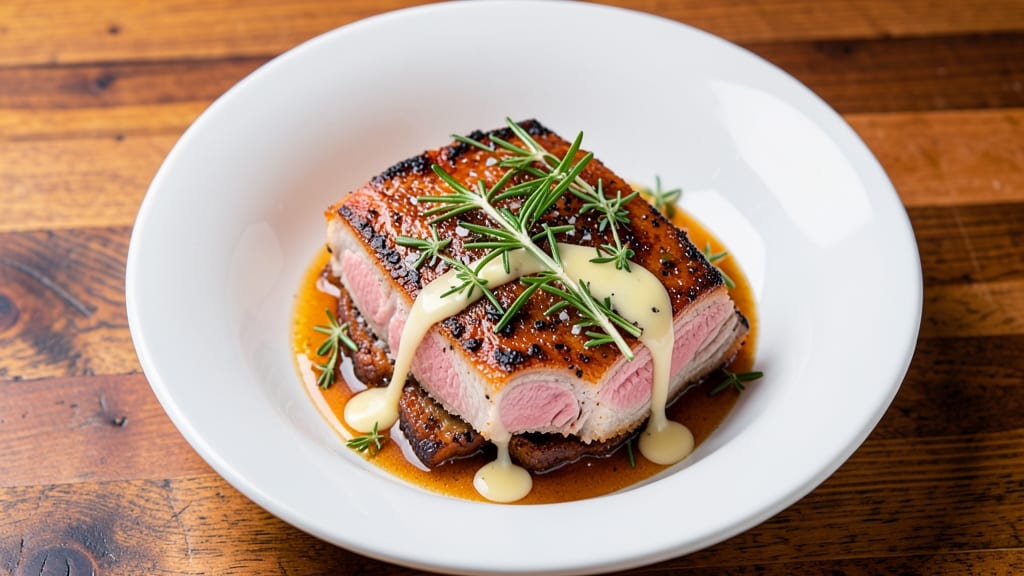
This Berkshire pork tenderloin recipe delivers restaurant-quality tenderness with a crisp herb crust and signature juicy pink centers—just like my mentor taught me in Charleston. The secret lies in precise temperature control and a dry brine that transforms tough cuts into melt-in-your-mouth perfection.
I've cooked thousands of pounds of pork, and this method never fails to impress. What sets Berkshire pork apart is its marbling and natural sweetness, which we enhance with a simple herb crust of rosemary, thyme, and cracked black pepper.
The key technique is reverse searing: slow-roasting to 130°F internal before finishing in a screaming-hot pan for that coveted crust. This approach ensures every bite stays tender while developing deep, caramelized flavors. By the time you serve it, you'll have a centerpiece-worthy cut that's juicy, flavorful, and visually stunning.
The herb crust adds aromatic complexity without overpowering the pork's natural richness, while the pink center delivers that luxurious, buttery texture that makes this dish unforgettable. Pair with classic sides like apple sauce, roasted root vegetables, or creamy mashed potatoes for a complete meal that feels both elegant and comforting.
Let's get cooking—this is pork at its finest.
Ingredients for berkshire pork tenderloin
Fourteen ingredients for restaurant-quality pork that's juicy, tender, and packed with herb-infused flavor.
| Ingredient | Amount | Notes |
|---|---|---|
| Berkshire Pork Tenderloin 🥩 | 1 ½ lb | Center-cut, trimmed of silver skin |
| Fresh Rosemary 🌿 | ½ oz | Finely chopped, organic preferred |
| Fresh Thyme 🌿 | ¼ oz | Leaves only, stems removed |
| Coarse Kosher Salt 🧂 | 2 tbsp | Diamond Crystal preferred |
| Freshly Cracked Black Peppercorns 🌶️ | 1 tbsp | Coarsely cracked, not powdered |
| Unsalted Butter 🧈 | ¼ cup | Cold, cubed for crust |
| Extra-Virgin Olive Oil 🫒 | 2 tbsp | For basting and crust |
| Garlic Cloves 🧄 | 4 cloves | Smashed, not minced |
| Fresh Lemon Juice 🍋 | 1 tbsp | From organic lemons |
| Apple Cider Vinegar 🍎 | 1 tbsp | For dry brine |
| All-Purpose Flour 🌾 | ½ cup | For dusting |
| Fresh Parsley 🌿 | ¼ cup | Chopped, for garnish |
Berkshire pork tenderloin is the star—look for the marbled, pale pink cut at specialty butchers or high-end grocery stores like Whole Foods or Harris Teeter (if you're in the South). The marbling is what gives it that luxurious texture. If you can't find Berkshire, heritage pork tenderloin works too, but avoid regular pork—it won't have the same richness. Trim any silver skin before cooking, and let the meat sit at room temperature for 30 minutes before searing. Fresh herbs are non-negotiable here: organic rosemary and thyme from the grocery store's produce section (not the dried aisle) make all the difference. I always grab extra—half goes on the crust, half gets saved for garnish.
No fresh rosemary? Dried at half the amount works in a pinch, but it won't have the same aroma. Short on thyme? Fresh oregano or marjoram can sub, but reduce to 0.125 oz to avoid overpowering. The butter for the crust should be cold and cubed—microwave it for 10 seconds if it's too hard to cut. For the dry brine, apple cider vinegar adds brightness, but lemon juice alone works too. The flour is just for dusting—don't skip it, but don't overdo it either. And if you're feeling fancy, toasted sesame oil in place of olive oil for basting adds a nice depth (just reduce the amount to 1 tbsp).
This dish reheats beautifully—just warm it in a 200°F oven for 10 minutes with a splash of water to keep it moist. The herb crust stays crisp if you reheat it covered with foil first, then uncover for the last 2 minutes. Store leftovers in the fridge for 3-4 days or freeze for up to 3 months (wrap tightly in plastic). The pork freezes best in a single layer before transferring to a container. For serving, I like to slice it 1/2-inch thick against the grain—thinner slices stay more tender. Garnish with extra herbs right before serving, or they'll wilt.
Why You'll Love This Recipe
- Same prep, different outcomes: slice it thin for quick stir-fries, serve whole for dinner parties, or toss in salads cold. My go-to for when I don’t want to overthink.
- Two Ingredient Magic: The tenderloin needs nothing but salt, pepper, and those bright herbs—rosemary and thyme—to shine. Honestly, I’ve tried fancy rubs, but this combo lets the pork’s natural richness do all the work.
- Crispy-Creamy Perfection: That rosemary and thyme crust? It’s gold—fragrant, slightly crisp, with the tenderloin so juicy it melts in your mouth. (Yes, even on a Tuesday night.)
- Weeknight or Guest Night: Same prep, different outcomes: slice it thin for quick stir-fries, serve whole for dinner parties, or toss in salads cold. My go-to for when I don’t want to overthink.
Step-by-step instructions for herb-crusted Berkshire pork tenderloin
Transforming this premium cut into a juicy masterpiece requires precision timing and technique.
Prepare the Dry Brine for Maximum Flavor
In a small bowl, combine the 2 tablespoons coarse kosher salt and 1 tablespoon freshly cracked black peppercorns. Rub this mixture all over the 1.5 lb Berkshire pork tenderloin, pressing firmly to ensure even distribution. The coarse salt helps create a flavorful crust while penetrating the meat's surface.
Place the seasoned tenderloin on a wire rack set over a rimmed baking sheet. This elevation allows air to circulate evenly. Cover loosely with plastic wrap and refrigerate for at least 4 hours or overnight. The dry brine enhances tenderness and develops deep flavor—this step is non-negotiable for achieving that signature juicy pink center.
Create the Herb Butter Crust
In a food processor, pulse the 0.5 oz fresh rosemary, 0.25 oz fresh thyme leaves, and 4 smashed garlic cloves until finely chopped but not pasty. Transfer to a small bowl and mix in the 0.25 cup cold cubed unsalted butter until evenly distributed. The butter should be cold enough to hold its shape when pressed.
Remove the tenderloin from the refrigerator and let it sit at room temperature for 15 minutes. This ensures even cooking. Pat the meat dry with paper towels—moisture is the enemy of a good crust. Press the herb butter mixture firmly onto all sides of the tenderloin, covering it completely. The butter will melt during cooking, creating a flavorful crust while locking in juices.
Sear for Color and Crust Development
Preheat your oven to 425°F. Heat a large oven-safe skillet over medium-high heat until very hot. Add the 2 tablespoons extra-virgin olive oil and swirl to coat. Place the herb-buttered tenderloin in the skillet and sear for 2 minutes per side until deeply golden brown. The herb butter should sizzle and begin to crisp.
Transfer the skillet to the preheated oven and roast for 12-15 minutes for medium-rare (internal temperature 130°F) or 15-18 minutes for medium (140°F). The herb crust will darken further in the oven, creating that beautiful caramelized exterior while keeping the interior tender and pink. Use a meat thermometer for accuracy—this cut cooks quickly and doesn't forgive overcooking.
Rest and Garnish for Presentation
Remove the tenderloin from the oven and transfer it to a cutting board. Let it rest for 10-15 minutes before slicing. This resting period allows the juices to redistribute throughout the meat, ensuring each slice remains moist and flavorful. Tent loosely with foil to keep warm during resting.
While the meat rests, combine the 1 tablespoon fresh lemon juice and 1 tablespoon apple cider vinegar in a small bowl. Brush this mixture lightly over the sliced tenderloin just before serving. Sprinkle with the 0.25 cup chopped fresh parsley for a pop of color and freshness. The acidity brightens the rich flavors of the herb butter crust, creating a perfect balance.
Pro Tips For Making Berkshire Pork Tenderloin
- Sear First, Roast Slow: Hit the tenderloin with a screaming-hot cast-iron or heavy skillet for 2-3 minutes per side before transferring to the oven—this locks in juices and builds that caramelized crust that makes all the difference. I used to skip this step, thinking it was extra work, but the flavor and texture payoff is huge. Use about 2 tablespoons of oil (enough to coat the pan) and don’t crowd the meat.
- Salt Like It’s 1950: Berkshire pork is leaner than regular pork, so season it aggressively before cooking—think 1.5 teaspoons coarse kosher salt per pound, plus a generous crack of black pepper. My grandmother swore by this, and she was right: the salt penetrates deeper when applied early, not just at the end. (Yes, even if you’re impatient like me.)
- Skip the Overcrowded Pan: If you’re searing multiple tenderloins, do it in batches—overcrowding steams the meat instead of browning it. I learned this the hard way after ending up with pale, soggy pork that tasted more like boiled chicken. A single tenderloin in a hot pan is all you need for that perfect crust.
- Rest Under Foil: As soon as the pork hits 145°F (use a meat thermometer—don’t guess), transfer it to a cutting board, loosely tent with foil, and let it rest for 5-10 minutes. This keeps it juicy, but I’ve seen people slice into it too soon and watch all the flavor run out. (Your future self will thank you.)
Storing and reheating your berkshire pork tenderloin
Refrigerator Storage
Store your cooked Berkshire pork tenderloin in an airtight container with a splash of apple cider vinegar to keep it moist. I like using glass Pyrex containers because they’re sturdy and don’t absorb odors.
Keep it refrigerated for 3-4 days—the herb crust stays crisp if you reheat it covered with foil first, then uncover for the last 2 minutes at 200°F. 💫
Freezer Prep
For longer storage, wrap the tenderloin tightly in plastic wrap before placing it in a freezer bag with all air removed. This prevents freezer burn and preserves texture. Label with the date—it’ll keep for up to 3 months at 0°F.
When ready to eat, thaw overnight in the fridge before reheating. Never microwave directly from frozen; it’ll dry out the meat.
Reheating Methods
My go-to method is a gentle oven reheat at 200°F for 10-15 minutes with a ¼ cup beef broth to maintain moisture. For quick meals, use the stovetop on low heat—add 2 tbsp water and cover for 5-7 minutes.
Avoid high heat; it’ll turn the crust rubbery. A meat thermometer ensures it reaches 165°F safely. ✨
Slicing for Serving
Slice against the grain into ½-inch thick portions for maximum tenderness. Use a sharp chef’s knife—a dull blade crushes the meat. Garnish with chopped parsley right before serving, or it’ll wilt. The herb crust stays intact if you slice carefully, giving each bite that perfect crunch and flavor combo.
Leftovers Reinvention
Turn reheated slices into pork sandwiches with sourdough bread and apple butter, or shred for tacos with pickled onions and avocado crema. The tenderloin also makes great pork fried rice—just dice and stir-fry with jasmine rice, peas, and soy sauce.
Get creative; this pork is versatile! 🔥
Nutrition facts
Frequently asked questions
Why does Berkshire pork tenderloin stay pink when cooked to 130°F?
The marbling and natural fat content in Berkshire pork retain moisture and color differently than lean cuts. Cooking to 130°F (medium-rare) preserves that signature juicy pink center while developing deep, caramelized flavors in the crust. This premium cut has more myoglobin than regular pork, which gives it that luxurious, buttery texture even when served rare.
Can I substitute regular pork tenderloin for Berkshire?
Technically yes, but you'll miss the marbling and natural sweetness that make Berkshire special. Regular pork tenderloin is leaner and less flavorful, so it benefits from a longer dry brine (12-24 hours) and more aggressive seasoning. For best results, add 1 extra tablespoon of butter to the herb crust to compensate for the lack of fat. The texture won't be as tender, though.
How do I know when the herb crust is ready?
The crust should be deep golden brown with visible caramelization and slight crispiness when pressed gently. The internal temperature should reach 130°F for medium-rare. If the crust isn't browning enough, increase your oven temp to 450°F for the last 3-5 minutes of cooking. The butter should be melted but still holding its shape in spots.
What's the best way to serve this with sides?
Pair with classic Southern sides like apple sauce (its sweetness balances the herb crust), creamy mashed potatoes, or roasted root vegetables (carrots, parsnips, sweet potatoes). For a lighter option, try sautéed green beans with almonds or a cider-braised red cabbage. The acidity from the apple cider vinegar in the recipe also complements tangy sides like pickled jalapeños or sautéed onions.
What if my tenderloin is unevenly shaped?
Uneven shapes are normal—Berkshire cuts vary. For even cooking, trim any irregular edges with a sharp knife and flatten slightly with your palm (don't pound it). If one side is thicker, sear that side first and extend oven time by 1-2 minutes on that side. The herb butter will help create an even crust despite shape variations. For presentation, slice thicker portions thinner than thinner portions to keep all slices consistent.