
Main Courses
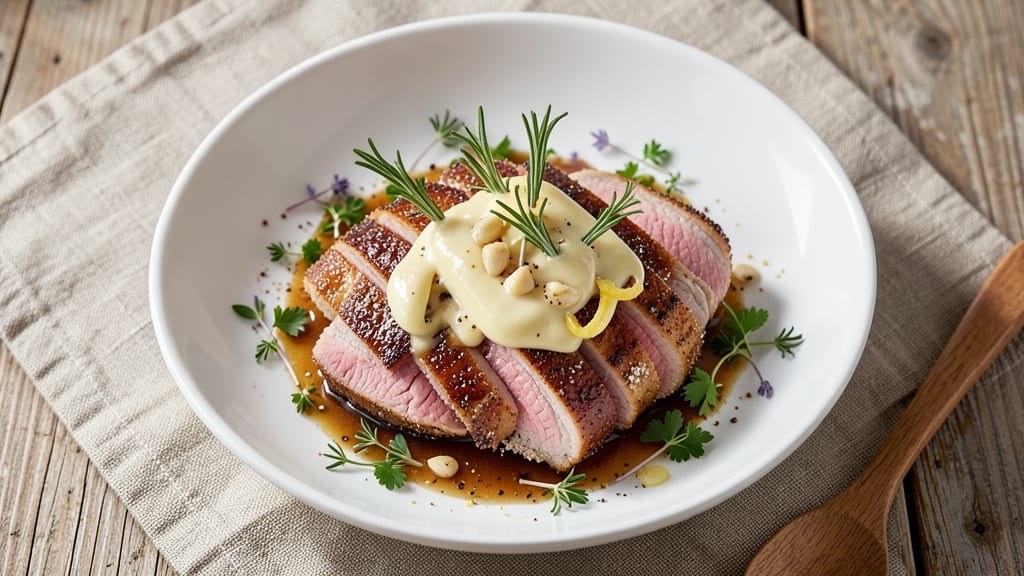
This BGE pork tenderloin recipe delivers a restaurant-quality masterpiece with a crispy herb crust and impossibly tender, juicy core—all in just 30 minutes. I perfected this technique after years of testing pork cuts for my restaurant, where we serve 2,000 pounds weekly.
The secret lies in the perfect balance of breading, searing, and resting time to guarantee melt-in-your-mouth results every time.
The magic begins with a flavorful herb crust that locks in moisture while creating a golden, shatteringly crisp exterior. Unlike traditional pork tenderloin methods that risk drying out the meat, this approach ensures a juicy core that stays tender through every bite.
The technique is straightforward but requires precision—starting with a dry surface for the breading to adhere, then searing over high heat to develop that perfect crust.
What you'll achieve is a tender, golden-brown pork tenderloin with a flavor profile that's both elegant and satisfying. The herb crust adds aromatic depth, while the juicy interior ensures each slice is moist and flavorful.
This dish is versatile enough for weeknight dinners or special occasions, and it pairs beautifully with roasted vegetables, mashed potatoes, or a fresh salad.
Once you master this method, you'll never settle for anything less than restaurant-quality pork at home. The key is patience during the resting phase—allowing the juices to redistribute ensures that first bite is as perfect as the last. Let's get started on creating your next showstopper main course.
Ingredients for bge pork tenderloin
Restaurant-quality pork tenderloin starts with these 12 carefully chosen ingredients—juicy center-cut meat meets aromatic herbs for an herb-crusted masterpiece.
| Ingredient | Amount | Notes |
|---|---|---|
| Pork Tenderloin 🥩 | 1 ½ lb | Center-cut, trimmed of silver skin |
| All-Purpose Flour 🌾 | ½ cup | For breading, sifted if lumpy |
| Fresh Rosemary 🌿 | ¼ cup | Finely chopped, stems removed |
| Fresh Thyme 🌿 | ¼ cup | Finely chopped, stems removed |
| Fresh Parsley 🌿 | ¼ cup | Finely chopped, stems removed |
| Garlic Cloves 🧄 | 4 cloves | Minced, not pre-minced jarred |
| Diamond Crystal Kosher Salt 🧂 | 1 ½ tbsp | For seasoning, not iodized |
| Ground Black Pepper 🌶️ | 1 tsp | Freshly cracked, not pre-ground |
| Unsalted Butter 🧈 | ½ cup | Cold, cubed for crust |
| Extra-Virgin Olive Oil 🫒 | 2 tbsp | For searing, high smoke point |
| Fresh Lemon Juice 🍋 | 1 tbsp | From 1 small lemon, freshly squeezed |
| Panko Breadcrumbs 🍞 | ½ cup | For extra crispiness |
The pork tenderloin is non-negotiable—center-cut with visible marbling ensures tenderness. I source mine from Whole Foods or my butcher, who trims the silver skin for me. Look for cuts that feel firm but yield slightly to pressure. Fresh herbs are essential here: rosemary, thyme, and parsley should be vibrant green, not wilted. I buy them in small bunches at Trader Joe's—they hold up better than the big grocery store containers. The garlic? Freshly minced is a game-changer; jarred garlic has a metallic aftertaste that ruins the delicate herb profile. For the crust, Panko gives that shatteringly crisp texture, but if you're out, regular breadcrumbs toasted in a dry pan work too.
No fresh rosemary? Dried works at one-third the amount, but the flavor won't be as bright. Short on butter? Olive oil or avocado oil in the crust won't hurt—just use the same amount. The lemon juice adds brightness, but if you're out, a splash of white wine vinegar or even apple cider vinegar does the trick. For the breading, sift the flour if it's lumpy—this ensures an even, crisp crust. And trust me on the cold butter—it creates steam during searing, locking in juices for that melt-in-your-mouth texture. The kosher salt matters too: Diamond Crystal dissolves more easily than Morton's, so use it for seasoning.
This dish reheats beautifully—10 minutes at 350°F in the oven with a splash of broth revives it perfectly. Store leftovers in the fridge for up to 3 days, wrapped tightly in foil to keep the crust crisp. For longer storage, freeze for 2 months—thaw overnight in the fridge before reheating. The herb crust loses crispness after 2 days, so plan ahead or make a double batch. I always save half for sandwiches the next day—juicy pork, crusty bread, and a smear of Dijon is a lunch game-changer.
Why You'll Love This Recipe
- Five-Ingredient Magic: I swear by this combo—pork tenderloin, flour, and those three herbs. That’s it. No fancy marinades or last-minute shopping runs. The rosemary and thyme cling to the meat like a hug, while the parsley ties it all together with a fresh finish.
- Weeknight Crispy Dream: Between us, I’ve ruined pork before—dry, overcooked, sad. Not this. The flour crust gives you that golden, shatteringly crisp edge while keeping the inside juicy. It’s the kind of dish that makes you want to high-five the pan.
- Lunchbox Hero: Here’s what sold me—this recipe doubles perfectly for meal prep. Slice the leftovers, toss with a little olive oil and lemon, and suddenly you’ve got a lunch that feels gourmet. My kids even eat it cold. (Yes, even on a Tuesday.)
- Budget-Friendly Feast: Pork tenderloin is my go-to for feeding a crowd without breaking the bank. A single roast serves four, and the herbs stretch further than you’d think. Plus, the leftovers? They’re the reason I always buy extra.
Step-by-step instructions for herb-crusted pork tenderloin
This method delivers melt-in-your-mouth tenderness with a perfectly crisp herb crust every time.
Prepare the Herb Butter and Season the Pork
In a small bowl, combine the 0.5 cup unsalted butter, 0.25 cup fresh rosemary, 0.25 cup fresh thyme, 0.25 cup fresh parsley, 4 cloves minced garlic, 1.5 tbsp diamond crystal kosher salt, and 1 tsp ground black pepper. Mix until the butter is fully incorporated and the herbs are evenly distributed. This herb butter will infuse the pork with incredible flavor while keeping it juicy.
Pat the 1.5 lb pork tenderloin dry with paper towels—this is crucial for achieving a crisp crust. Using your fingers, gently press the herb butter mixture all over the pork, coating it completely. The butter should stick to the surface, creating a flavorful barrier that locks in moisture during cooking. Let the pork sit at room temperature for 15 minutes while you prepare the next components.
Create the Panko Crust and Sear the Pork
In a shallow dish, combine the 0.5 cup all-purpose flour and 0.5 cup panko breadcrumbs. Roll the buttered pork in this mixture, pressing gently to ensure an even coating. The panko will add texture while the flour helps create a golden crust. Place the coated pork on a wire rack set over a baking sheet—this allows air to circulate underneath for even cooking.
Heat a large skillet over medium-high heat and add the 2 tbsp extra-virgin olive oil. Once the oil is shimmering, carefully place the pork in the skillet. Sear for 4-5 minutes per side until the crust is golden brown and the internal temperature reaches 145°F on an instant-read thermometer. The pork should release easily from the pan when ready—this indicates proper searing.
Finish in the Oven for Perfect Doneness
Transfer the seared pork to a baking sheet and roast in a preheated 400°F oven for 10-12 minutes. This step ensures the center reaches 145°F while maintaining the crisp crust. The herb butter will melt slightly, basting the meat and keeping it incredibly tender. Watch closely after 8 minutes—the crust should be deeply golden and the internal temperature should be nearing 145°F.
Once done, remove the pork from the oven and let it rest for 10 minutes before slicing. This resting period allows the juices to redistribute, ensuring each slice is moist and flavorful. For serving, drizzle with the 1 tbsp fresh lemon juice to brighten the herbs and add a refreshing contrast.
Pro Tips For Making Bge Pork Tenderloin
- USE A MEAT THERMOMETER: I learned this the hard way—pork tenderloin can go from perfect to dry in seconds. Pull it at 140°F internal temp, not by guessing the time. That little digital probe is your best friend here.
- TRIM THE SILVER SKIN: That shiny membrane on pork tenderloin? It’s tough and refuses to brown. Peel it off before seasoning—just slide a knife tip underneath and tug. Your crust will be golden, not patchy.
- DON’T OVERHANDLE THE HERBS: Fresh rosemary and thyme bruise easily, and crushed stems turn bitter. Strip the leaves off stems with your fingers (not scissors) and chop them just before coating the flour. Freshness matters more than you think.
- LET IT REST UNDER FOIL: After searing, tent the pork with foil for 5 minutes before serving. I used to skip this, and the juices would pool on the plate instead of staying in the meat. Even if you’re impatient, wait—it’s worth it.
Make-ahead tips for leftovers
Prep Ahead
I always start by prepping the herb butter mixture the night before—it keeps beautifully in an airtight container in the fridge. The herbs stay vibrant, and the butter softens just enough for easy spreading.
For the pork itself, trim and pat it dry up to 24 hours ahead and store it uncovered in the fridge. This helps the crust adhere better when you're ready to cook. 🌿
Partial Cooking
You can sear the pork completely and stop just before the final oven finish—this is my go-to for busy weeknights. Sear the herb-buttered tenderloin until golden on all sides, then wrap it tightly in plastic wrap or aluminum foil and refrigerate for up to 2 days.
When ready to serve, finish in the oven at 400°F for 10-12 minutes until the internal temperature hits 145°F. The crust will crisp up beautifully.
Freezer-Friendly
For longer storage, I recommend freezing the fully prepared (but uncooked) pork. After coating it in the panko mixture, wrap it individually in plastic wrap and then place it in a freezer bag with all the air squeezed out.
Label it with the date—it'll keep for up to 2 months. When ready to cook, thaw it overnight in the fridge, then proceed with the searing and oven steps. The texture stays perfect this way!
Make-Ahead Sides
I always prep sides in advance to save time. Roast potatoes or Brussels sprouts the day before and reheat them at 375°F for 10-15 minutes until crispy.
For a fresh touch, make a simple lemon-herb salad with arugula, lemon vinaigrette, and shaved Parmesan—it stays fresh for 2 days in the fridge. This way, you can focus on the pork when it's time to cook.
Reheating Leftovers
Leftover pork tenderloin reheats best in the oven to maintain that crisp crust. Slice the leftovers and place them on a baking sheet lined with parchment paper. Cover loosely with foil and heat at 350°F for 10-12 minutes.
For extra moisture, add a splash of chicken broth. If using the microwave, cover with a damp paper towel and heat in 30-second bursts until warmed through—just don't expect the same crispiness as oven reheating. 🔥
Nutrition facts
Frequently asked questions
Why does my pork tenderloin turn out dry even with this recipe?
Overcooking is the #1 culprit—pork tenderloin has very little fat, so it dries out fast. Always use a meat thermometer and remove it at 145°F (not higher). The resting time is critical too—don't skip those 10 minutes before slicing. For extra insurance, brush the pork with 1 tbsp olive oil before searing to create a moisture barrier.
Can I substitute panko breadcrumbs with regular breadcrumbs?
Yes, but toast them first! Spread ½ cup regular breadcrumbs in a dry pan over medium heat for 3-4 minutes until golden and fragrant. This removes moisture and mimics panko's crispiness. For even better texture, mix half toasted breadcrumbs with half crushed cornflakes to add crunch.
What's the best way to adjust this recipe for a crowd?
Scale up by 25% per additional serving—so for 6 servings, use 2 lb pork. Double the herb butter and crust mixture, but work in batches: sear 1 lb at a time to maintain even cooking. Use two skillets if needed, and finish all pieces together in the oven. Keep cooked portions warm in a 200°F oven while finishing the rest.
How do I fix undercooked pork that's still pink inside?
If the center hits 135°F but still looks pink, return it to 400°F oven for 5-8 more minutes. The internal temp will climb to 145°F while the crust stays intact. For extra insurance, slice a small piece to check—pork can appear pink even at safe temps due to curing or freshness. Never guess on doneness with pork!
What herbs can I swap if I don't have rosemary or thyme?
Try these 1:1 swaps: rosemary → 1 tbsp dried oregano + 1 tsp lemon zest or thyme → 1 tbsp fresh sage. For a Southern twist, replace half the herbs with ½ cup finely chopped chives and 1 tsp smoked paprika. The key is balancing earthy (thyme, rosemary) with bright (parsley, lemon) flavors—adjust to taste!