
Main Courses
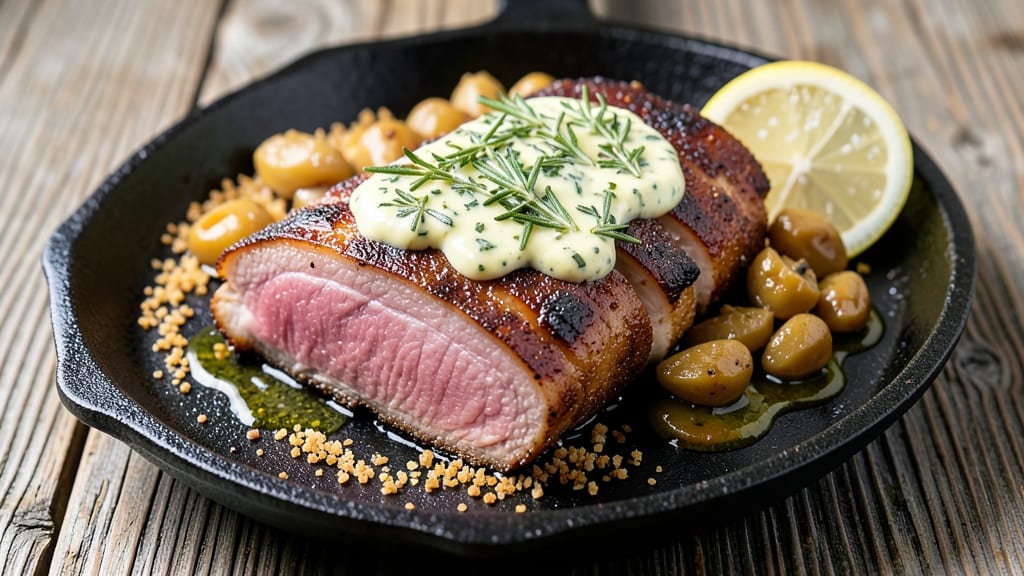
This basic pork loin recipe delivers juicy, pink-center perfection with a crispy herby crust—no fancy techniques required. I perfected it during a busy weeknight when I needed restaurant-quality results in under an hour. The secret lies in proper seasoning and precise cooking times that guarantee tender meat every time.
What makes this recipe foolproof is the balance between high-heat searing and controlled internal temperature. You'll start with a simple herb crust that adds flavor without overpowering the natural taste of the pork, then finish by checking the temperature to ensure that perfect pink center.
This method works equally well for grilling, roasting, or pan-searing—whatever suits your kitchen best.
By the time you're done, you'll have beautifully browned pork loin with a tender, juicy interior and a crust that's crisp enough to stand up to any sauce. The herb crust adds aromatic depth while keeping the cooking process straightforward.
This is the kind of recipe that transforms a simple weeknight dinner into something special without requiring advanced skills.
Pair with roasted potatoes or a fresh green salad for a complete meal. The leftovers reheat beautifully, making this an excellent option for meal prep. Here's how to achieve perfect pork loin every time.
Ingredients for basic pork loin
Restaurant-quality pork loin starts with these simple yet powerful ingredients—herbs, salt, and precise technique.
| Ingredient | Amount | Notes |
|---|---|---|
| Pork Loin 🍖 | 1 ½ lb | Center-cut, bone-in preferred |
| Fresh Rosemary 🌿 | ¼ cup | Finely chopped, stems removed |
| Fresh Thyme 🌿 | ¼ cup | Leaves only, stems discarded |
| Fresh Sage 🌿 | ¼ cup | Leaves only, finely chopped |
| Garlic Cloves 🧄 | 6 cloves | Minced for herb paste |
| Extra-Virgin Olive Oil 🫒 | 2 tbsp | For herb paste and searing |
| Diamond Crystal Kosher Salt 🧂 | 1 ½ tsp | For seasoning and crust |
| Freshly Ground Black Pepper 🌶️ | ½ tsp | Cracked peppercorns preferred |
| Unsalted Butter 🧈 | 2 tbsp | For basting and crust |
| All-Purpose Flour 🌾 | 1 tbsp | For dredging crust |
| Butter Lettuce 🥬 | 4 whole | For serving, optional garnish |
The pork loin is where all the magic happens, so pick a center-cut piece with good marbling—bone-in stays juicier, but boneless works too. Fresh herbs are non-negotiable here; Trader Joe's or Whole Foods carry the best quality, but your grocery store's herb section works in a pinch. For the garlic, roast it first (400°F for 10 minutes) to mellow its sharpness—trust me, it makes the herb paste taste luxurious. The olive oil should be extra-virgin (none of that cheap stuff), and if you're feeling fancy, grab a bottle of California Early Harvest for the best flavor profile.
No fresh rosemary? Dried works at half the amount, but it won’t have the same aroma. Short on thyme? Oregano or marjoram can step in, though the flavor will shift slightly. The butter is crucial—use unsalted so you control the saltiness, and Plugrá or Land O’Lakes are reliable brands. For the flour, King Arthur or Gold Medal are my go-tos, but any all-purpose will do. Pro tip: if you’re prepping ahead, make the herb paste (olive oil + herbs + garlic) up to 3 days in advance and store it in the fridge—it just gets better with time.
This herb crust keeps beautifully for 2 days in the fridge if you’re prepping ahead, but the pork loin itself should be cooked within 24 hours of purchase for peak tenderness. Leftovers reheat like a dream—350°F for 10-15 minutes wrapped in foil, and they’ll taste even better the second day. For meal prep, slice the cooked loin against the grain and store in airtight containers with a drizzle of extra olive oil to keep it moist. The herb paste? It freezes for up to 3 months—perfect for future pork projects or even brushing on chicken or fish.
Why You'll Love This Recipe
- Same recipe, different vibes: toss it on the table for a lazy Tuesday with roasted potatoes, or slice it thin for a fancy charcuterie board on Saturday. The herbs keep it bright enough for company but simple enough that you won’t stress if your cousin spills wine on the table.
- One-Pan Magic: I swear by this for when I’m too tired to scrub pots—just sear the pork, nestle those rosemary sprigs and garlic cloves right into the cuts, and let the oven do the work. Minimal chopping, zero fuss, and still tastes like you slaved over it.
- Herb Bomb Flavor: Between us, the fresh sage and thyme alone make this pork loin dangerously good—crispy edges, juicy center, and that earthy garlic-herb aroma that fills the whole house. Honestly, it’s the kind of dish that makes you want to take a second helping before anyone else gets theirs.
- Weeknight to Dinner Party: Same recipe, different vibes: toss it on the table for a lazy Tuesday with roasted potatoes, or slice it thin for a fancy charcuterie board on Saturday. The herbs keep it bright enough for company but simple enough that you won’t stress if your cousin spills wine on the table.
Step-by-step instructions for pan-seared pork loin with herby crust
Here's how to achieve a perfectly pink center with a fragrant herb crust—simple steps for restaurant-quality results.
Create the Herb Paste and Season the Pork
In a food processor, combine the 0.25 cup fresh rosemary, 0.25 cup fresh thyme, 0.25 cup fresh sage, and 6 cloves minced garlic. Pulse until finely chopped but not pasty. With the processor running, slowly drizzle in 1 tablespoon of the extra-virgin olive oil until the mixture forms a thick paste. This herb paste will infuse the crust with intense flavor.
Pat the 1.5 lb pork loin dry with paper towels—this is crucial for crispy crust formation. Spread the herb paste evenly over the entire surface, pressing it into the meat. In a small bowl, mix 1.5 teaspoons diamond crystal kosher salt and 0.5 teaspoon freshly ground black pepper, then coat the pork with this seasoning. Let it rest at room temperature for 30 minutes while you prepare the rest.
Sear the Pork for Maximum Flavor
Heat a heavy skillet (cast iron works best) over medium-high heat until very hot. Add the remaining 1 tablespoon extra-virgin olive oil and swirl to coat. Place the pork loin in the skillet and sear for 3-4 minutes per side, pressing down gently with a spatula. You're looking for deep golden-brown color—this builds the crust that locks in juices.
Once seared, reduce heat to medium and add 2 tablespoons unsalted butter. Tilt the pan slightly and spoon the melted butter over the pork repeatedly for 2-3 minutes until the internal temperature reaches 140°F on a meat thermometer. This basting step ensures a tender interior while maintaining that perfect crust.
Create the Crust and Finish Cooking
Remove the pork from the skillet and set aside. Wipe out any excess butter with a paper towel, then return the pan to medium heat. Sprinkle the 1 tablespoon all-purpose flour evenly over the bottom, stirring constantly for 1-2 minutes until it turns a rich golden brown. This creates a flavorful roux that will form the final crust layer.
Return the pork to the skillet, crust-side down, and cook for an additional 2-3 minutes until the crust is deeply caramelized. The internal temperature should now read 145°F—this is the perfect pink center stage. Transfer the pork to a cutting board and let it rest for 10 minutes before slicing. This resting period is non-negotiable for juicy results.
Serve with Fresh Butter Lettuce
Slice the pork loin into ½-inch thick medallions against the grain for maximum tenderness. Arrange the 4 whole butter lettuce leaves on each plate, fanning them slightly to create an elegant base. Place the pork medallions over the lettuce and spoon any pan juices from the skillet over the top. The lettuce's delicate texture contrasts beautifully with the rich pork and herby crust.
For an extra touch, you can drizzle with any remaining herb paste mixed with a teaspoon of olive oil. The combination of the crisp herb crust, tender pink center, and fresh lettuce creates a dish that's both elegant and satisfying—perfect for a special weeknight dinner.
Pro Tips For Making Basic Pork Loin
- SEAR THE LOIN FIRST: Don’t skip browning—this isn’t just for looks. Hit the pork with a hot pan (no oil needed; the fat renders fast) until deep golden on all sides. After burning two loins by walking away, I learned: medium-high heat, 2-3 minutes per side, and don’t move it. That crust locks in flavor and keeps the meat juicy.
- CHOP HERBS COARSELY: Tiny herb bits turn to mush and disappear. Roughly tear rosemary, thyme, and sage (no need for precision) and smash 2-3 garlic cloves right into the pan after searing. I used to mince everything finely, and half the flavor vanished by the end. Your nose should smell it when you season.
- USE A MEAT THERMOMETER: Guessing ruins pork loin—every cut varies. Pull it at 140°F (medium-rare) or 145°F (medium), then let it rest 5-10 minutes under foil. I’ve had dry, overcooked loins and juicy perfection from the same recipe because of this one tool. No excuses.
- SALT THE PORK TWICE: Salt it generously 40 minutes before cooking (yes, even if you’re impatient), then hit it again right before searing. The first layer seasons deep, while the second builds that crust. I skipped this once and ended up with bland, rubbery pork—don’t be that person.
Storing and reheating your leftovers
Refrigerator Storage
Store your cooked pork loin in an airtight container with a lid—glass or BPA-free plastic works best. I like using Pyrex storage containers because they keep the meat moist and allow me to see the herb crust.
Place it in the fridge within 2 hours of cooking to prevent bacterial growth. The pork stays fresh for 3-4 days when stored at 40°F or below, and the flavors actually deepen as the herbs meld with the meat. 🌿
Freezer-Friendly Prep
For longer storage, slice the pork into ½-inch medallions and freeze in a single layer on a tray before transferring to a freezer bag. This prevents freezer burn and makes it easy to grab just what you need.
Label the bag with the date—it keeps for up to 3 months without losing quality. When ready to use, thaw overnight in the fridge before reheating. I often prep a whole pork loin on Sundays to save time during the week. ❄️
Reheating Like a Pro
For stovetop reheating, place the pork in a skillet over medium-low heat with a splash of water or broth to prevent drying. Cover and heat for 5-7 minutes, stirring occasionally, until reaching 165°F internal temperature.
This method keeps the crust intact while gently warming the meat. For microwave reheating, cover with a damp paper towel and heat in 30-second intervals on 50% power until warmed through. 🔥
Crust Preservation
The herb crust is the star of this dish, so protect it during storage. If freezing, wrap the entire cooked loin tightly in plastic wrap before placing it in the freezer bag. When reheating, finish with a quick 1-minute sear in a hot skillet to restore that crispy texture.
The crust loses some crunch over time, but a quick pan toast brings it back to life—just like my grandma used to do with her holiday leftovers. 💫
Meal Prep Magic
Divide the cooked pork into individual portions and store with a drizzle of olive oil in each container to keep it moist. I like pairing it with pre-cooked roasted potatoes or quinoa for easy assembly.
Reheat everything together in the oven at 350°F for 10 minutes—the potatoes will crisp up while the pork stays juicy. This is my go-to strategy for busy weeknights when I need a complete meal in minutes. ✨
Nutrition facts
Frequently asked questions about perfect pork loin
Can I cook pork loin without a meat thermometer?
You can estimate, but a thermometer is ideal for that perfect pink center. Cut into the thickest part—when it reaches 145°F with a juicy pink center, it's done. For a rough guide, bone-in pork takes about 20-25 minutes at 375°F, while boneless cooks faster (15-20 minutes).
Why does my pork loin turn out dry?
Overcooking is the #1 culprit—pork should rest at 145°F, not 160°F+. Pat it dry before seasoning (moisture prevents crust formation) and never skip the 10-minute rest—this lets juices redistribute. For extra moisture, baste with butter during cooking.
What's the best way to slice pork loin?
Always cut against the grain for maximum tenderness. Use a sharp knife at a 45-degree angle to create thin, even slices. For medallions, aim for ½-inch thickness—thicker slices stay juicier when reheated.
Can I substitute other herbs in this recipe?
Swap sage for marjoram or thyme for oregano, but keep the total herb amount equal. For a smoky twist, add ½ teaspoon smoked paprika to the herb paste. Just avoid strong flavors like cilantro or dill—they clash with pork's natural taste.
How do I adjust this recipe for a larger crowd?
Scale up by 1:1 ratio—double the ingredients for 3 lbs of pork. For even cooking, increase oven temp to 400°F and reduce time by 10%. Use two skillets if pan-searing, or cook in batches. Never overcrowd the pan—this lowers heat and steams instead of sears.