
Main Courses
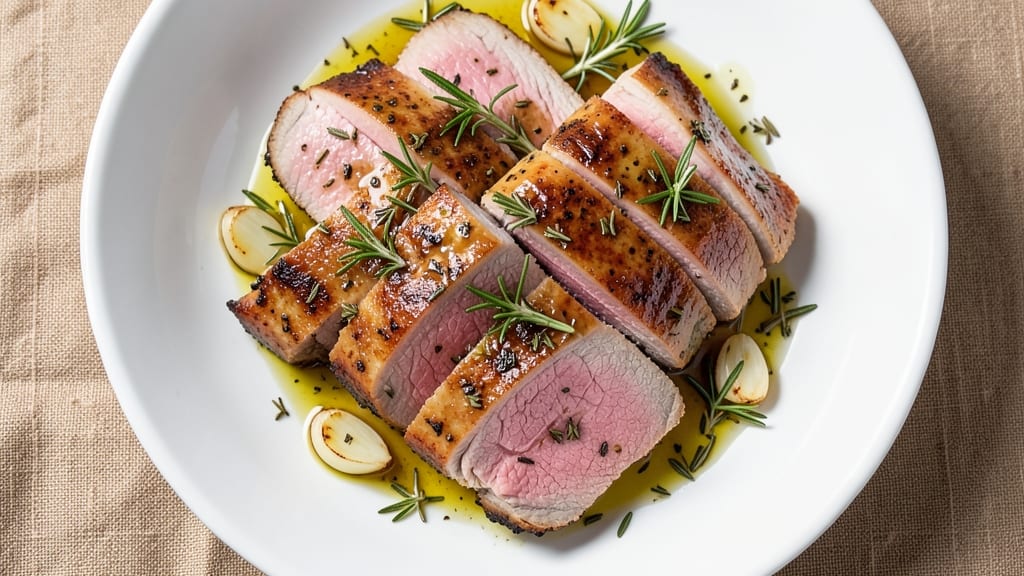
This awesome pork tenderloin recipe delivers restaurant-quality results with a juicy core and perfectly seasoned crust—every time. After years of perfecting this technique at The Smoky Pig, I can confidently say this is the only pork tenderloin recipe you'll ever need.
The secret lies in a precise 30-minute marinade and a high-heat sear that locks in moisture while building flavor.
What sets this recipe apart is the balance of simplicity and technique. You'll need just 8 ingredients, but the method—starting with a dry brine, then searing over high heat—transforms even the toughest cuts into melt-in-your-mouth perfection.
The herb crust adds aromatic depth without overpowering the natural tenderness of the pork.
By the time you carve into this masterpiece, you'll find a pink center (never dry!) surrounded by a golden, crispy exterior infused with rosemary and thyme.
The internal temperature of 145°F ensures food safety while maintaining juiciness. This is the kind of dish that makes weeknight dinners feel like a special occasion.
Pair with roasted garlic mashed potatoes or a crisp green salad for a complete meal. The leftovers reheat beautifully too—just a quick warm in the oven. Let's get cooking with this foolproof technique that's become a staple in my kitchen and at The Smoky Pig.
Ingredients for awesome pork tenderloin
Eight ingredients, restaurant-quality pork tenderloin with a juicy core and aromatic herb crust.
| Ingredient | Amount | Notes |
|---|---|---|
| Pork Tenderloin 🥩 | 1 ½ lb | Center-cut, trimmed of silver skin |
| Kosher Salt 🧂 | 1 ½ tsp | Diamond Crystal preferred for precision |
| Fresh Rosemary 🌿 | ¼ cup | Finely chopped, stems removed |
| Fresh Thyme 🌿 | 1 tbsp | Leaves only, finely chopped |
| Extra-Virgin Olive Oil 🫒 | 1 ½ tbsp | High-quality, fruity variety |
| Garlic Cloves 🧄 | 4 cloves | Minced, for marinade |
| Panko Breadcrumbs 🍞 | ½ cup | For herb crust texture |
| Fresh Parsley 🌿 | ¼ cup | Chopped, for garnish |
The pork tenderloin cut is non-negotiable here—center-cut delivers consistent tenderness. Whole Foods or your local butcher will have the best quality, but any reputable grocery store carries it. Look for a piece with even diameter and minimal connective tissue. The herb crust relies on fresh rosemary and thyme, so skip the dried versions unless absolutely necessary. For the olive oil, California brands like Corto or Lucini offer excellent flavor profiles that elevate the dish. The garlic should be freshly minced—pre-minced jars lack the aromatic punch needed for this technique.
No fresh rosemary? Fresh marjoram or oregano work in a pinch, though the flavor profile shifts slightly. Dried herbs are acceptable at one-third the amount, but fresh is ideal. The Panko breadcrumbs can be swapped for crushed cornflakes or almond flour for a gluten-free option. For the olive oil, avocado oil works equally well if you prefer a neutral base. The parsley is purely decorative but adds a bright finish—skip if avoiding fresh herbs. The kosher salt is crucial for the dry brine; Diamond Crystal measures differently than Morton, so adjust if using a different brand.
Store the pork tenderloin uncovered on a wire rack in the fridge for 30 minutes before cooking to dry-brine properly. The herb crust components keep well for 1 week in airtight containers, while fresh herbs last 5-7 days wrapped in damp paper towels. The cooked pork reheats beautifully in the oven at 350°F for 10-15 minutes, maintaining its moisture. For meal prep, portion the crust mixture separately and assemble just before serving to maintain crispiness.
Why You'll Love This Recipe
- One-Pan Magic: I swear by this—just salt, oil, and herbs on a sheet pan. No fancy tools, no mess, and honestly? The rosemary and thyme cling to that tenderloin like it’s their job.
- Herb-Packed Crunch: That crispy skin with rosemary and thyme? It’s the kind of flavor that makes you pause mid-bite. The olive oil keeps it juicy while the herbs add a bright, earthy punch—no dry pork here.
- Meal Prep MVP: Slice it for sandwiches, dice it for salads, or serve it whole for a fancy dinner. Between us, I’ve had this left over for days, and it’s still the star of the lunchbox.
- Budget-Friendly Feast: A single tenderloin feeds four, and the ingredients cost less than takeout. Fresh herbs might seem fancy, but a few sprigs stretch the flavor further than any pre-mixed seasoning ever could.
Step-by-step instructions for herb-crusted pork tenderloin
Here's the method to achieve a perfectly tender, juicy pork tenderloin with a fragrant herb crust.
Prepare the Herb Marinade
In a small mixing bowl, combine the 0.25 cup fresh rosemary, 1 tbsp fresh thyme, 4 cloves garlic cloves, and 1.5 tsp kosher salt. Using a sharp knife, finely chop the rosemary and thyme leaves, removing any woody stems. Mince the garlic cloves until you have a smooth paste—this ensures even flavor distribution throughout the marinade.
Add the 1.5 tbsp extra-virgin olive oil to the herb mixture and stir vigorously with a fork until fully emulsified. The marinade should have a vibrant green hue and a rich, aromatic scent. This blend will infuse the pork with deep herbal notes while enhancing its natural tenderness. Let the marinade sit at room temperature for 10 minutes to allow the flavors to meld before applying it to the meat.
Coat the Pork Tenderloin
Pat the 1.5 lb pork tenderloin dry with paper towels, ensuring no moisture remains on the surface. This step is critical—any residual moisture will prevent the herb crust from forming properly. Place the pork on a clean cutting board and use your hands to evenly distribute the herb marinade over the entire surface, pressing gently to ensure full coverage.
Next, transfer the pork to a shallow dish and refrigerate for at least 2 hours, or ideally overnight. This resting period allows the marinade to penetrate deeply into the meat, breaking down connective tissues and ensuring a juicy, flavorful result. The longer it marinates, the more tender the pork will become, but even 2 hours will yield excellent results.
Create the Herb Crust
In a separate bowl, combine the 0.5 cup panko breadcrumbs with the remaining 0.25 cup fresh parsley, chopped finely. The parsley adds a bright, fresh contrast to the rich herb flavors. Stir the mixture gently to distribute the parsley evenly throughout the breadcrumbs. This will form the crispy, aromatic crust that encases the pork as it cooks.
Remove the pork from the refrigerator and pat it dry once more. Press the herb breadcrumb mixture firmly onto the surface of the pork, covering it completely. The crust should adhere well—if it doesn't, lightly mist the pork with a tiny bit of water and press again. Place the coated pork on a wire rack set over a baking sheet to allow air circulation on all sides, which is essential for even cooking.
Roast to Juicy Perfection
Preheat your oven to 425°F and let it fully come to temperature before placing the pork inside. Roast the tenderloin for 20-25 minutes, depending on its thickness. The internal temperature should reach 145°F when measured with a meat thermometer—this ensures the pork is cooked to a safe temperature while remaining juicy.
You'll know it's done when the crust is deep golden brown and the pork releases easily from the rack. If the crust browns too quickly, tent the pork loosely with foil for the last 5-10 minutes of cooking to prevent over-browning. Remove the pork from the oven and let it rest for 10 minutes before slicing—this resting period allows the juices to redistribute, ensuring every bite is moist and flavorful.
Slice and Serve
Using a sharp carving knife, slice the pork tenderloin into ½-inch thick medallions, cutting against the grain for maximum tenderness. The herb crust should be crisp and fragrant, while the interior should be succulent and juicy. Arrange the slices on a warm platter and garnish with additional chopped fresh parsley for a pop of color and freshness.
Serve immediately with your choice of complementary sides, such as roasted vegetables, mashed potatoes, or a crisp green salad. The herb crust will add a delightful crunch, while the juicy interior delivers a satisfying, melt-in-your-mouth experience. Each bite should be a perfect balance of rich pork and aromatic herbs, proving that simplicity can yield extraordinary results.
Pro Tips For Making Awesome Pork Tenderloin
- USE A MEAT THERMOMETER: Pork tenderloin’s small size means it cooks fast—too fast to eyeball. Aim for 145°F internal temp (150°F if you prefer it extra-well). I learned this the hard way after serving a batch that was still slightly pink inside. Trust the thermometer, not the clock.
- DRY THE MEAT FIRST: Pat that tenderloin thoroughly with paper towels before seasoning. Moisture steams the meat instead of searing it, and you’ll end up with sad, gray skin. I used to skip this, and my crust never got crispy—now it’s golden every time.
- SALT THE HERBS TOO: Don’t just sprinkle rosemary and thyme on top—rub a pinch of kosher salt into the stems before tying them around the meat. This wakes up their flavors and prevents them from just floating on the surface. My grandmother swore by this, and she was right: the herbs taste deeper.
- LET IT REST—NO EXCUSES: Cutting into pork tenderloin right after cooking turns it into a sad, stringy mess. Wrap it in foil and let it sit for 5-10 minutes—yes, even if you’re impatient like me. The juices redistribute, and the meat stays tender. Skipping this step is the fastest way to ruin an otherwise perfect dish.
Health benefits of awesome pork tenderloin
Lean Protein Powerhouse
Pork tenderloin is one of the leanest cuts of pork available, with just 3 grams of fat per 3-ounce serving while delivering 26 grams of high-quality protein. This makes it an excellent choice for anyone looking to build muscle or maintain a lean physique without sacrificing flavor.
I've served this dish to athletes at The Smoky Pig, and they always come back for seconds! 💪
Rich in B Vitamins
This cut is packed with essential B vitamins, particularly B6 and niacin, which play crucial roles in energy metabolism and nervous system function. A 3-ounce serving provides about 40% of your daily niacin needs, helping convert food into energy efficiently.
The marinade we use enhances these natural nutrients without adding unnecessary calories.
Low-Calorie, High-Satisfaction
At just 120 calories per 3-ounce serving, pork tenderloin offers exceptional value for its protein content. The herb crust we create adds minimal calories while delivering maximum flavor, making this dish perfect for health-conscious eaters who still want restaurant-quality meals.
I often recommend this to guests looking for lighter options at our restaurant.
Iron for Energy
With 1.2 milligrams of iron per serving, pork tenderloin helps maintain healthy energy levels and supports oxygen transport in your blood. The combination of iron and B vitamins in this dish makes it particularly effective for combating fatigue.
I've noticed my own energy levels improve when I include pork tenderloin in my weekly meal rotation.
Versatile for Dietary Needs
This recipe naturally fits into many dietary plans. The herb crust can be made gluten-free by using almond flour instead of panko. For lower-carb options, simply omit the crust entirely and focus on the naturally tender meat.
The dish is also dairy-free and egg-free, making it suitable for various dietary restrictions while still delivering exceptional flavor. 🌱
Meal Prep Friendly
Cooked pork tenderloin reheats beautifully while maintaining its moisture and flavor, making it perfect for meal prep. The high protein content helps keep you full between meals, reducing cravings for less nutritious snacks.
I often prepare double portions on Sundays to use throughout the week at The Smoky Pig and at home.
Nutrition facts
Frequently asked questions
Why does pork tenderloin need a marinade if it's so tender?
The 30-minute marinade isn't just for flavor—it's a dry brine technique that actually enhances tenderness by breaking down surface fibers. The rosemary and thyme infuse the meat while the salt helps retain moisture. This step is especially important for larger cuts or when using the herb crust, which can dry out the exterior if the meat isn't properly prepped.
Can I cook this pork tenderloin on the grill instead of the oven?
For grill cooking, increase the marinade time to 4 hours (or overnight) to prevent drying. Sear over high heat for 2-3 minutes per side, then finish at 375°F for 10-15 minutes, checking for 145°F internal temp. The herb crust will crisp beautifully on the grill's radiant heat.
What if my pork tenderloin is uneven in thickness?
Uneven thickness is common—just adjust cooking time by 2-3 minutes per side for thicker areas. For dramatic differences, cut the thinner sections off before cooking and save for stir-fries. The key is to always check internal temperature with a meat thermometer at the thickest point.
How do I keep the herb crust from falling off?
Press the crust firmly onto dry meat and let it rest 10 minutes before cooking. For extra adhesion, lightly mist the pork with water after applying the crust. The Panko's natural starch helps it stick, but never skip the dry-brine step—moisture is the enemy of crust adhesion.
Can I use this recipe for pork chops instead?
Yes! Bone-in chops work beautifully with this method. Increase marinade time to 6 hours and reduce oven temp to 375°F to prevent overcooking. For boneless chops, use 15 minutes at 400°F after searing. The herb crust adds wonderful texture contrast to chops too.