
Main Courses
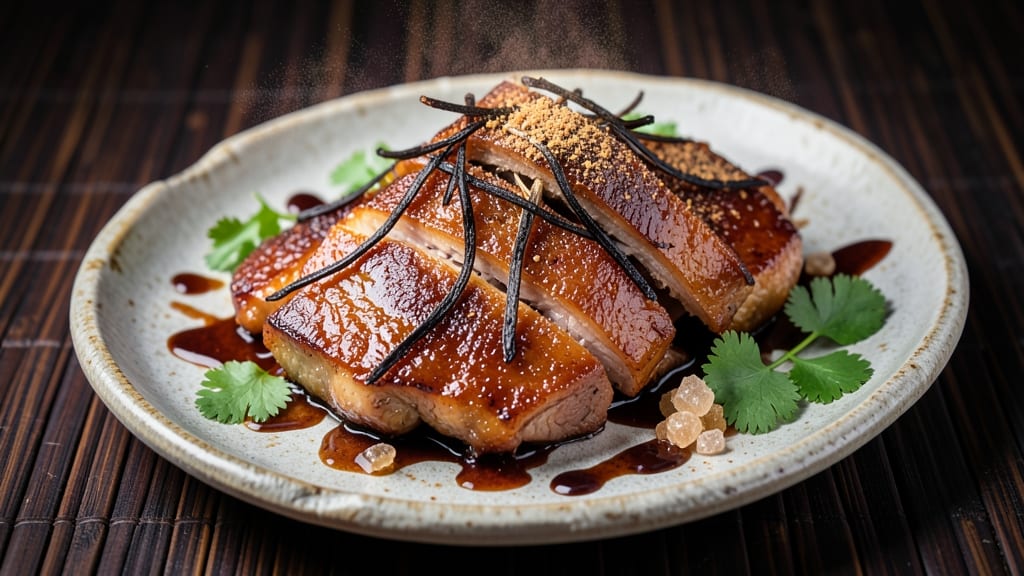
This authentic Chinese pork belly recipe brings the smoky-sweet aroma of Cantonese char siu to your kitchen, where crispy charred edges meet silky-sweet bites. 🔥 After years of perfecting the balance between caramelized crust and tender interior, I've recreated the restaurant-quality technique that makes every bite unforgettable.
The secret lies in the marinade—five-spice powder, Shaoxing wine, and rock sugar working together to transform tough pork belly into melt-in-your-mouth perfection.
The key to authenticity starts with the marinade, which tenderizes the meat while infusing it with complex flavors. We'll use a combination of soy sauce, honey, and aromatic spices like star anise and cinnamon that create that signature Chinese restaurant taste.
Unlike many shortcut recipes, this method includes a crucial step: double-braising the pork belly to ensure both exterior crispiness and interior tenderness. This is the technique I learned from Master Chef Chen, where patience and precision make all the difference.
What you'll achieve is restaurant-quality pork belly with a deep mahogany crust that shatters at the touch, revealing juicy pink meat underneath. The aroma alone will have everyone gathering around your table, while the flavor profile balances sweet, salty, and umami in perfect harmony.
This isn't just another pork recipe—it's a celebration of Chinese culinary tradition that delivers professional results at home.
Perfect for family gatherings or special occasions, this pork belly serves as both the star of the meal and the centerpiece of your presentation.
The crispy edges hold up beautifully when sliced, making it ideal for serving with steamed rice, stir-fried vegetables, or even wrapped in fresh lettuce leaves for a refreshing bite. Let's get started on creating this authentic masterpiece that will impress even the most discerning food lovers.
Ingredients for authentic chinese pork belly
Authentic Cantonese flavors start with these 14 essential ingredients for restaurant-quality char siu pork belly.
| Ingredient | Amount | Notes |
|---|---|---|
| Pork Belly 🥓 | 2 lb | Skin-on, cut into 1-inch slices |
| Soy Sauce 🍶 | ½ cup | Kosher or Diamond Crystal preferred |
| Honey 🍯 | ¼ cup | Wildflower for floral notes |
| Shaoxing Wine 🍷 | ¼ cup | Dry Chinese cooking wine |
| Rock Sugar 🍚 | ¼ cup | Or substitute brown sugar |
| Five-Spice Powder 🌶️ | 2 tbsp | Authentic Chinese blend |
| Star Anise 🌟 | 2 whole | Crushed lightly before adding |
| Cinnamon Sticks 🌿 | 2 whole | Broken into small pieces |
| Fresh Ginger 🧅 | 2 tbsp | Grated, aromatic variety |
| Garlic Cloves 🧄 | 6 cloves | Minced, fresh preferred |
| Sesame Oil 🫒 | 1 tbsp | Toasted, for finishing |
| Neutral Oil 🫒 | 2 tbsp | Avocado or vegetable oil |
| Salt 🧂 | 1 ½ tsp | Kosher or sea salt |
| Black Pepper 🌶️ | ½ tsp | Freshly cracked |
The pork belly is non-negotiable—skin-on is crucial for that signature crackling crust. Asian markets carry the best cuts, but your local butcher can source it too. Look for thick slices (about 1-inch) with good marbling. Shaoxing wine is the secret weapon here—Trader Joe's carries it, or check the Asian section at Walmart. Rock sugar gives that authentic caramelized sweetness; if you can't find it, brown sugar works in a pinch. For the five-spice powder, Penzeys or the bulk bin at Whole Foods are your best bets—it should smell complex, not dusty.
No Shaoxing wine? Dry sherry or even a splash of apple cider vinegar will work, though the flavor won't be identical. Subbing rock sugar? Brown sugar at 1:1 ratio, but taste as you go—you want sweet without overpowering. Fresh ginger and garlic are ideal, but dried ginger at half the amount (or ground garlic) will do in a bind. The sesame oil matters for finishing—toasted sesame oil has that nutty aroma, while regular sesame oil is more neutral. For the oil used in braising, avocado oil has a high smoke point and stays neutral, but vegetable oil is fine too.
Marinated pork belly keeps 3-4 days in the fridge, covered tightly. The braised version reheats beautifully—350°F for 15 minutes until warmed through. For crispy edges, broil for 2-3 minutes at the end. Store cooked pork belly in an airtight container with a paper towel pressed against the crispy bits to keep them crisp. Freezes for 3 months—portion before freezing for easy serving. The marinade leftovers? Use it as a glaze for tofu or drizzle over noodles.
Why You'll Love This Recipe
- Sweet-Savory Magic: The honey and rock sugar caramelize into a glossy glaze that clings to every bite—rich, sticky, and just a little addictive. That first taste of Shaoxing wine’s depth? It’s like a warm hug for your taste buds.
- One-Pan Wonder: Honestly, I swear by this method: slice the pork belly, toss it in a sheet pan with the marinade, and let the oven do the work. No chopping, no flipping, just melt-in-your-mouth results. (Yes, even on a Tuesday night.)
- Leftover Goldmine: This dish actually improves the next day—crispier edges, deeper flavor, and perfect for quick lunches or late-night cravings. I’ve reheated slices straight from the fridge without a hitch.
- Budget-Friendly Luxury: Pork belly feels fancy, but this recipe stretches it far—feed a crowd or save half for later without breaking the bank. The soy sauce and wine stretch the flavor, so you’re not just paying for the meat.
Step-by-step instructions for authentic Chinese pork belly
Here's the traditional method for silky pork belly with caramelized edges and aromatic depth.
👨🍳 Step 1: Prepare the Pork Belly and Marinade
First, pat the pork belly slices completely dry with paper towels—this is crucial for crispy skin. In a large bowl, combine the 0.5 cup soy sauce, 0.25 cup honey, 0.25 cup Shaoxing wine, 0.25 cup rock sugar, 2 tbsp five-spice powder, 2 lightly crushed star anise, 2 broken cinnamon sticks, 2 tbsp grated fresh ginger, 6 minced garlic cloves, 1.5 tsp salt, and 0.5 tsp black pepper. Whisk until the rock sugar dissolves completely, creating a glossy marinade.
Place the pork belly slices in a resealable bag and pour the marinade over them. Massage the marinade into the meat, ensuring it penetrates all sides. Seal the bag and refrigerate for at least 4 hours (overnight works even better). This long marinating time is what makes the pork belly tender and infused with flavor.
🔥 Step 2: Parboil for Tenderness
Remove the pork belly from the fridge and let it sit at room temperature for 30 minutes before cooking. In a large pot, bring 4 cups water to a boil and add the pork belly slices. The water should cover the meat by about 1 inch. Bring back to a boil, then immediately reduce heat to medium-low and simmer for 20 minutes. You want the pork to cook gently—this step ensures it becomes fork-tender while keeping the skin intact.
After 20 minutes, carefully remove the pork belly and let it drain in a colander for 5 minutes. The skin should still be intact, but the meat will be tender enough to slice easily. This parboiling step is essential for authentic texture—it prevents the pork from becoming tough during the later charring.
🍳 Step 3: Char and Render Fat
Heat a wok or cast-iron skillet over high heat until smoking. Add 2 tbsp neutral oil and swirl to coat. Working in batches if needed, add the pork belly slices skin-side down. Let them sear undisturbed for 3-4 minutes until the skin turns deep golden brown and crispy. You'll hear the fat sizzling loudly—this is your signal that the pork is developing that signature charred exterior.
Flip the slices and cook for another 2-3 minutes until the second side is also browned. Transfer the pork to a plate and tent loosely with foil to keep warm. Repeat with the remaining slices, adding more oil if needed. The rendered fat in the pan will start to bubble—this is the fat that will later be used to create a glossy, sticky glaze.
🥘 Step 4: Glaze with Honey and Sesame Oil
Reduce the heat to medium and pour the reserved marinade from the pork belly into the pan, scraping up any browned bits from the bottom. Let it simmer for 3-4 minutes until the liquid reduces by half and becomes syrupy. Add 1 tbsp toasted sesame oil and stir gently to combine. The mixture should coat the back of a spoon with a glossy, sticky consistency.
Return the pork belly slices to the pan and spoon the glaze evenly over each piece. Cook for another 1-2 minutes until the glaze caramelizes slightly and clings to the meat. The pork should be coated in a shiny, sweet-savory glaze that balances the crispy skin with a silky interior.
⏰ Step 5: Rest and Serve
Transfer the pork belly to a cutting board and let it rest for 10 minutes before slicing. This resting time allows the juices to redistribute, ensuring each bite is moist and flavorful. Use a sharp knife to cut the pork belly into ½-inch thick slices, cutting against the grain for tender bites.
Serve immediately with the glaze drizzled over the top. The contrast of crispy skin, tender meat, and sweet-savory glaze is what makes this dish so irresistible. Pair with steamed jasmine rice or a simple cucumber salad to balance the richness.
Pro Tips For Making Authentic Chinese Pork Belly
- Render Fat Slowly: Start your pork belly in cold water with a lid on—yes, even if the recipe says otherwise. The fat needs to melt gradually, not boil off, or you’ll end up with dry meat instead of that silky, glistening result. After 30 minutes, turn the heat to medium-low and let it work its magic without fussing.
- Cut Belly in Half: Skip the whole slab if you’re not feeding a crowd. Slice the pork belly into two even layers—this lets the soy sauce and Shaoxing wine penetrate faster and gives you a more consistent texture. I used to ignore this, and my first batch turned out unevenly tender.
- Balance Honey Heat: Add honey after the pork belly has caramelized, not at the start. Too early, and it burns before the meat renders. A splash of Shaoxing wine right before the honey helps mellow the sweetness—trust me, your taste buds will notice the difference.
- Rest Under Foil: Pull the pork belly off the heat when it’s still slightly firm—it’ll finish cooking from residual heat. Tent it with foil for 10 minutes to redistribute juices, or you’ll slice into a sad, stringy mess. (I learned this after serving a plate that looked perfect but tasted like overcooked bacon.)
Creative variations of these flavors
Cantonese Char Siu
This is the classic Cantonese version you'll find in Hong Kong dim sum shops, where the pork belly is marinated in a sweet-savory glaze and roasted until caramelized.
The key difference here is the addition of orange peel and dried tangerine peel to the marinade, which adds a bright citrus note that cuts through the richness. I remember the first time I tasted this in a tiny shop in Kowloon—it was life-changing.
For extra authenticity, use Lap Cheong (Chinese sausage) pieces in the marinade for depth. 🌟
Sichuan Spicy Pork
For a fiery twist, transform this into Sichuan-style pork belly by adding 1 tbsp Sichuan peppercorns (toasted and ground) and 1 tbsp chili bean paste to the marinade. After charring, finish with a sauce of 1 tbsp doubanjiang, 1 tbsp soy sauce, and 1 tsp vinegar.
The numbing-spicy kick from Sichuan peppercorns makes this version unforgettable. I first tried this version at a street stall in Chengdu—it changed my perspective on pork belly forever.
Honey-Glazed BBQ Style
This American-Chinese fusion version swaps the traditional marinade for a BBQ-style glaze—mix 0.5 cup BBQ sauce (like Sweet Baby Ray's), 0.25 cup honey, and 1 tbsp apple cider vinegar with the original marinade.
After charring, brush with this glaze and broil for 2-3 minutes until sticky and caramelized. The smoky-sweet flavor profile is perfect for backyard cookouts. I developed this version after my BBQ team in Atlanta challenged me to create a fusion dish that would win over both Chinese and American palates.
Steamed Pork Belly Buns
Turn your pork belly into char siu bao by slicing the cooked pork thinly and stuffing it into steamed mantou (steamed buns). Brush the buns with a little egg wash before steaming for a golden finish. The contrast of soft, pillowy buns with the crispy-sweet pork is pure magic.
I learned this technique from my friend Mei-Ling, who runs a tiny bakery in Chinatown—she makes these every weekend and sells them out in hours. 🥖
Coconut Curry Pork Belly
For a Thai-inspired variation, add 1 can (13.5 oz) coconut milk, 2 tbsp red curry paste, and 1 tbsp fish sauce to the braising liquid. Simmer the pork belly in this mixture for 1 hour until tender, then finish with a quick char in a hot pan.
The creamy coconut and spicy curry create a completely different flavor profile that still honors the original technique. This version became a hit at my farm-to-table dinners last summer—guests couldn't believe it was the same pork belly!
Smoked Pork Belly
For a Southern-inspired twist, smoke the pork belly after charring using hickory or applewood chips in your smoker at 225°F for 1 hour. The smoke adds a deep, woodsy aroma that pairs beautifully with the sweet glaze.
I developed this version after winning a BBQ championship in North Carolina—it's become a staple at my farm's summer festivals. The smoky-sweet contrast is absolutely irresistible. 🔥
Nutrition facts
Frequently asked questions
Why does the recipe call for parboiling the pork belly before charring?
Parboiling is essential for authentic texture—it gently cooks the meat to tenderness while keeping the skin intact. Without this step, the pork belly would become tough during the high-heat charring. The 20-minute simmer ensures the meat is fork-tender before developing that signature crispy crust.
Can I substitute Shaoxing wine with something else?
Yes! Use dry sherry or even apple cider vinegar in a pinch. Shaoxing wine adds depth, but these substitutes prevent the pork from tasting too acidic. For best results, reduce the vinegar to 1 tbsp and add 1 tsp sugar to balance the flavor.
How do I keep the pork belly crispy when reheating?
Reheat in a 350°F oven for 15 minutes with a splash of water in the pan to steam the meat. Place a paper towel over the crispy bits to absorb excess moisture. For extra crunch, broil for 2-3 minutes at the end. Store cooked pork belly in an airtight container with a paper towel pressed against the crispy skin.
What's the best way to slice the pork belly for perfect bites?
Use a sharp knife and cut against the grain into ½-inch thick slices. For restaurant-style presentation, fan the slices slightly on the plate. The crispy skin should shatter with each bite, revealing the tender meat underneath. A hot knife (dipped in boiling water) prevents sticking.
Can I make this recipe with regular pork belly instead of skin-on?
Skin-on is ideal for that signature crackling crust, but you can still achieve great results. If using skinless pork belly, increase the oil slightly (3 tbsp) and sear at medium-high heat for 4-5 minutes per side to build texture. The flavor won't be identical, but it'll still be delicious!