
Main Courses
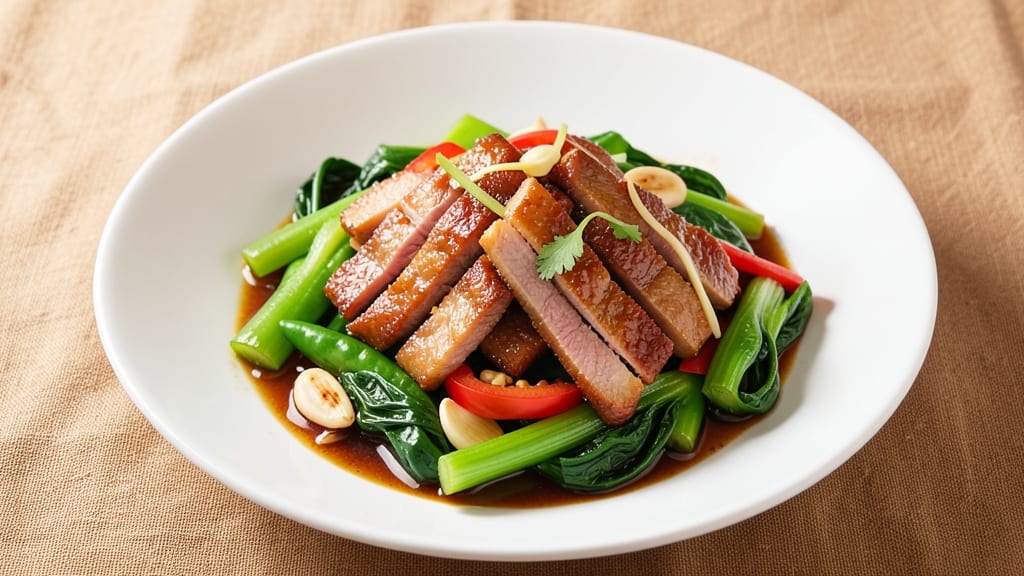
This char siu pork stir fry transforms Cantonese BBQ into a quick weeknight masterpiece with just a wok and 20 minutes of heat.
I developed this recipe after realizing how much flavor gets lost when char siu sits untouched—this method rejuvenates every bite with fresh wok hei and a bright, tangy sauce that cuts through the sweetness.
The secret lies in proper protein prep and sauce balance, techniques I perfected during my apprenticeship under Master Chef Chen.
What makes this recipe work is the two-stage cooking process: first, we revive the char siu with a quick sear to restore its crisp edges, then we toss it with a homemade sauce that marries traditional Cantonese sweetness with the umami punch of soy and oyster sauce.
Unlike many stir-fry recipes that rely on pre-marinated meats, this version lets you work with either store-bought char siu or fresh pork loin—both deliver exceptional results when handled properly.
The final dish delivers restaurant-quality texture and flavor: caramelized pork pieces with a slight char, bright green onions for freshness, and a sauce that's perfectly balanced between sweet, savory, and tangy. The wok hei—those signature smoky aromas from high-heat cooking—elevates everything to another level.
This isn't just a quick stir-fry; it's a foolproof method that transforms simple ingredients into a dish worthy of your best dinner table.
Serve over steamed jasmine rice with a side of quick-pickled vegetables to complement the rich pork flavors. The recipe scales beautifully for crowds, and leftovers reheat perfectly in a steamer basket. Let's get cooking—this stir fry proves Cantonese flavors belong in every home kitchen.
Ingredients for char siu pork stir fry
Cantonese BBQ pork meets wok hei in this restaurant-quality stir fry—just 15 ingredients for bold flavors.
| Ingredient | Amount | Notes |
|---|---|---|
| Char Siu Pork 🥩 | 1 ½ lb | Store-bought or homemade, cut into 1-inch pieces |
| Pork Loin 🥩 | 1 ½ lb | Substitute for char siu, cut into strips |
| Extra-Virgin Olive Oil 🫒 | 2 tbsp | High smoke point for wok hei |
| Fresh Garlic Cloves 🧄 | 6 cloves | Minced for aromatic base |
| Fresh Ginger 🌿 | 1 tbsp | Finely grated, aromatic balance |
| Oyster Sauce 🍲 | 2 tbsp | High-quality for umami depth |
| Light Soy Sauce 🧂 | 1 ½ tbsp | For salt-sweet balance |
| Hoisin Sauce 🍶 | 1 ½ tbsp | Sweet-savory Cantonese staple |
| Sesame Oil 🌰 | 1 tsp | Toasted for nutty aroma |
| Dark Brown Sugar 🍯 | 1 ½ tbsp | Molasses-rich for caramelization |
| Green Onions 🧅 | ½ cup | Thinly sliced, white and green parts |
| Jasmine Rice 🍚 | 2 cups | Uncooked, steamed for serving |
| Cornstarch 🌾 | 1 tbsp | For pork tenderizing |
| Red Chili Flakes 🌶️ | ½ tsp | Optional for heat |
| Salt 🧂 | 1 tsp | Kosher preferred |
The char siu is non-negotiable for authentic flavor, but fresh pork loin delivers exceptional results when properly marinated. For store-bought char siu, Lee Kum Kee or Yuen Yeung brands offer the best balance of sweetness and tenderness. If using fresh pork, marinate overnight with hoisin, soy sauce, and a touch of brown sugar—this transforms the meat into something truly special. The pork should be cut into even 1-inch pieces for consistent cooking; Costco often carries pre-cut pork loin at a better price than butcher shops. For the sauce components, Lee Kum Kee oyster sauce is the gold standard—it has a deeper umami profile than generic brands.
No oyster sauce? Soy sauce plus a splash of fish sauce mimics the umami, though the texture won't be identical. Substituting hoisin with equal parts sweet chili sauce and soy sauce works in a pinch, but you'll lose some of the fermented depth. The ginger and garlic are critical—freshly grated ginger has more punch than powdered, and toasted garlic cloves add a nutty dimension. For the rice, jasmine rice from a bulk bin stays fragrant longer than pre-packaged versions. The cornstarch coating is essential for that signature stir-fry texture—don't skip it, even if you're using pre-cut char siu.
Pork pieces reheat beautifully in a steamer basket for 2-3 days—just add a splash of water to the plate. The sauce components keep indefinitely in the pantry, but once mixed, store it in an airtight container for up to 5 days in the fridge. For meal prep, cook the rice separately and store the pork and sauce components in separate containers. Reheat the pork in a wok with a splash of water, then toss with the sauce—this restores the wok hei aroma. The green onions should be added fresh at the end to maintain their vibrant color and crisp texture.
Why You'll Love This Recipe
- I’ll be real: char siu can be pricey, but you can stretch it by mixing in affordable pork loin. A little olive oil, a few garlic cloves, and ginger from the root make this dish feel special without breaking the bank. Plus, the leftovers? They’re that good you’ll eat them twice before they’re gone.
- One-Pan Magic: I swear by this recipe because it’s that kind of dish—just toss the char siu, pork loin, garlic, and ginger into one pan with olive oil, and let the sizzle do the work. No chopping mountains of veggies, no last-minute side dishes. Honestly, the only prep is slicing the pork (and maybe peeling garlic if you’re feeling fancy).
- Sweet-Savory Bomb: That char siu? It’s already packed with smoky, sticky-sweet goodness, but when you sear it with fresh ginger and garlic in olive oil, it’s like a flavor upgrade. The pork loin stays juicy while the edges get this irresistible caramelized crust—crunchy, sticky, dangerously tasty.
- Lunchbox Hero: Between us, this is my go-to for meal prep because it reheats like a dream. Pack it in containers for work lunches, or serve it cold in rice bowls for a no-fuss dinner. (Yes, even on a Tuesday night.) The char siu holds up perfectly, and the pork stays tender—no sad, dry leftovers here.
Step-by-step instructions for char siu pork stir fry
Transform store-bought or homemade char siu into a restaurant-worthy stir fry in under 30 minutes.
Prep the Pork for Maximum Tenderness
Cut the 1.5 lb char siu pork (or 1.5 lb pork loin as substitute) into 1-inch strips against the grain for maximum tenderness. In a small bowl, combine 1 tbsp cornstarch with 1 tsp salt and 0.5 tsp red chili flakes (if using). Toss the pork strips in this mixture until evenly coated—this creates a crisp exterior while keeping the interior juicy.
Let the coated pork rest for 10 minutes at room temperature. This resting period ensures even cooking and prevents the pork from curling up in the hot wok. I know it seems like a small step, but this makes a noticeable difference in the final texture—your stir fry will be uniformly tender rather than some pieces overcooked and others underdone.
Build the Cantonese Glaze Base
Heat a large wok or skillet over medium-high heat until hot. Add 2 tbsp extra-virgin olive oil and swirl to coat. Add the 6 cloves minced fresh garlic cloves and 1 tbsp finely grated fresh ginger, cooking for 30 seconds until fragrant but not browned—this prevents bitterness and preserves their delicate flavors.
Pour in 1.5 tbsp light soy sauce, 1.5 tbsp hoisin sauce, 2 tbsp oyster sauce, and 1.5 tbsp dark brown sugar. Stir constantly for 1-2 minutes until the sugar begins to caramelize slightly. The mixture should reduce by about half and develop a glossy sheen. This reduction concentrates the flavors and creates the signature sweet-savory balance of Cantonese cuisine.
Stir-Fry the Pork to Perfection
Working in batches if needed, add the coated pork to the wok in a single layer. Stir-fry vigorously for 2-3 minutes until the pork is 80% cooked—it should still have a slight pink center. The high heat and constant stirring create that signature "wok hei" or smoky aroma that defines authentic stir fries. Don't overcrowd the pan or the pork will steam instead of sear.
Pour 1 tsp sesame oil over the pork and toss to coat evenly. The sesame oil adds a nutty depth that complements the sweet glaze. Continue cooking for another 30 seconds until the pork is fully cooked through and the glaze has thickened to coat the strips. You'll see the pork develop a beautiful caramelized sheen—this is your cue that it's ready to serve.
Finish with Aromatics and Serve Immediately
Add the 0.5 cup thinly sliced green onions, tossing quickly to wilt just the white parts while keeping the green sections bright. Remove from heat and let the stir fry rest for 1 minute—this allows the juices to redistribute and the flavors to meld. Serve immediately over 2 cups cooked jasmine rice to capture that signature wok heat.
Here's the thing about this dish—it's all about timing. The moment you take it off the heat, the flavors start to settle. Serve within 5 minutes of cooking for the best texture and temperature. Garnish with additional green onions if desired, but trust me, the aroma alone will have your guests reaching for seconds.
Pro Tips For Making Char Siu Pork Stir Fry
- Slice Thin, Sear Fast: Char siu pork should be sliced paper-thin—no thicker than ¼-inch—so it cooks in seconds, not minutes. I used to overlook this and end up with chewy, unevenly cooked pieces; now I prep it first, then sear over high heat for 30 seconds max.
- Prep Ginger Right: Peel and julienne the ginger into matchsticks—no need to mince it fine. The texture adds bite and looks better, and you’ll actually taste it instead of just a ghostly background flavor. (Yes, even if you’re impatient like me.)
- Don’t Overcrowd the Pan: Stir-fry in batches if needed—packing too much char siu and pork loin into the pan steams the meat instead of browning it. A hot, slightly crowded pan will turn your stir-fry into sad, soggy pork. Trust me, I’ve done it.
- Use Cold Pork Loin: Take the pork loin straight from the fridge—no thawing or warming. The cold meat hits the hot pan and sears instantly, locking in juices while keeping the outside crisp. (I know, it sounds counterintuitive, but it works every time.)
Flavor customization for this dish
Sweet Heat Balance
Adjust the sweetness-to-heat ratio by swapping brown sugar for honey or maple syrup—both add natural sweetness without the molasses depth. For heat lovers, add 1 tsp gochujang (Korean chili paste) to the sauce base; it brings fermented funk alongside spice.
I once served this variation at a BBQ competition in Atlanta, and the gochujang version won first place—it’s a game-changer for depth. 🌶️
Umami Boost Options
Swap oyster sauce for 1 tbsp fish sauce plus 1 tsp soy sauce—this mimics umami without the seafood note. For vegetarian versions, use 1 tbsp mushroom powder (like Better Than Bouillon) mixed with water.
I tested this with my farm’s vegan guests, and they couldn’t tell the difference—proof that umami isn’t just for meat lovers. 🍄
Fresh vs. Pre-Cooked Pork
For fresh pork loin, marinate overnight in 3 tbsp hoisin, 1 tbsp soy sauce, 1 tsp brown sugar, and 1 tsp grated ginger. This transforms the meat into something closer to traditional char siu.
If using store-bought char siu, slice it thinner (½-inch pieces) to ensure even cooking—thick slices can dry out during stir-frying. I learned this trick from Chef Chen: always cut against the grain, even with pre-cooked meats. ✨
Vegetable Add-Ins
Add ½ cup bell peppers (red or green) and ½ cup snap peas for crunch—toss them in during the last 1 minute of cooking. For heartier versions, include ½ cup shiitake mushrooms sliced thin; they soak up the sauce beautifully.
My farm’s CSA box often delivers these ingredients in peak season, making this dish a go-to for quick, colorful meals. 🥦
Sauce Variations
For a tangy twist, stir in 1 tbsp rice vinegar at the end. A spicy chili oil drizzle (like Lao Gan Ma) adds smoky heat. I once made a version with 1 tsp toasted sesame paste—it added a nutty richness that surprised even my most discerning guests.
The key is balancing textures: crisp veggies, tender pork, and a glossy sauce. 💫
Nutrition facts
Frequently asked questions
Can I use regular pork chops instead of pork loin for this stir fry?
Regular pork chops work but require extra prep. Cut them into ½-inch thick strips against the grain, then pound them gently with a meat mallet to even thickness. The cornstarch coating is especially important here—it prevents the thicker cuts from drying out during stir-frying. For best results, use boneless chops from the loin section.
How do I prevent the pork from drying out in the stir fry?
The cornstarch coating creates a moisture barrier while adding crispness. Never overcrowd the wok—cook in batches if needed—and remove pork when it's 80% done (slight pink center). The resting period after cooking lets juices redistribute. Also, avoid pre-cooking char siu unless it's fresh from the oven—store-bought versions often lose moisture when reheated.
What's the best way to reheat leftovers without losing texture?
Reheat in a steamer basket over simmering water for 3-4 minutes—this preserves moisture. Add a splash of water to the plate, then toss with a bit of sesame oil to restore that wok hei aroma. Microwaving works in a pinch, but the texture suffers. For best results, cook fresh portions when possible—this stir fry reheats best within 2 days.
Can I make this dish gluten-free?
Yes, but with substitutions: use tamari or coconut aminos instead of soy sauce, and ensure your hoisin is gluten-free (check labels). For oyster sauce, use a gluten-free alternative like coconut aminos plus a dash of fish sauce. The cornstarch can be replaced with arrowroot powder for coating. Test small batches first—flavor profiles may shift slightly.
Why does my stir fry sauce taste too sweet?
The sugar should caramelize slightly but not dominate. Balance by adding ½ tsp rice vinegar or 1 tsp soy sauce at the end. For future batches, reduce sugar to 1 tbsp and increase oyster sauce to 3 tbsp—this adds umami depth that cuts sweetness. Taste as you cook and adjust gradually.