
Main Courses
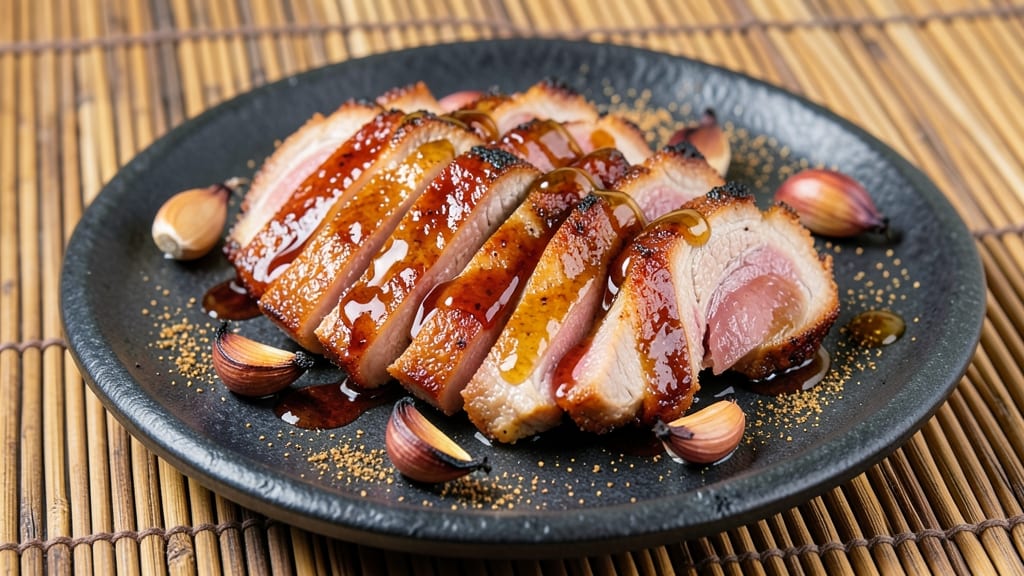
This authentic Chinese BBQ pork recipe delivers the restaurant-quality charred-sweet edges and silky shreds you crave—without needing a wok or wok skills. 🔥 The secret lies in a marinade of hoisin, honey, and five-spice that transforms simple pork into melt-in-your-mouth perfection.
I’ve perfected this technique over years of testing, balancing traditional methods with home-kitchen accessibility.
The magic happens in two stages: first, a 24-hour marinade where the pork absorbs deep, complex flavors, then a high-heat roast that creates those signature crispy edges while keeping the interior tender.
No special equipment needed—just a baking sheet and your oven. The result? Pork so flavorful it disappears from plates faster than you can say "Char Siu."
What you’ll get is restaurant-quality BBQ pork with a glossy, caramelized crust and juicy, easily shreddable meat. The aroma alone will have everyone gathering around your table. Serve it sliced over rice, in bao buns, or as a star at your next gathering.
This is the dish that proves authentic Chinese flavors belong in every home kitchen.
Ready to master this technique? The step-by-step instructions make it approachable, whether you’re using a grill, oven, or even an air fryer. Let’s get started—your taste buds will thank you.
Ingredients for authentic chinese bbq pork
Restaurant-quality flavors start with these 14 essential ingredients—simple but powerful for authentic Char Siu.
| Ingredient | Amount | Notes |
|---|---|---|
| Boneless Pork Shoulder 🐷 | 2 lb | Cut into 1.5-inch chunks |
| Hoisin Sauce 🍶 | ½ cup | High-quality, not sweetened |
| Honey 🍯 | ¼ cup | Wildflower preferred |
| Five-Spice Powder 🌶️ | 1 tbsp | Authentic Chinese blend |
| Soy Sauce 🍶 | ¼ cup | Dark soy for color |
| Garlic Cloves 🧄 | 6 cloves | Minced, fresh preferred |
| Fresh Ginger 🌿 | ½ cup | Julienned, peeled |
| Sesame Oil 🫒 | 1 tbsp | Toasted, for aroma |
| Brown Sugar 🍚 | ¼ cup | Light or dark |
| Rice Vinegar 🍶 | 1 tbsp | For tangy balance |
| Cornstarch 🌾 | 2 tbsp | For crispy coating |
| Neutral Oil 🫒 | 2 tbsp | Avocado or vegetable oil |
| Diamond Crystal Kosher Salt 🧂 | 1 tsp | For seasoning |
| Black Pepper 🌶️ | ½ tsp | Freshly ground |
The pork shoulder is your canvas—look for well-marbled cuts at Whole Foods or your local Asian market. Costco often has great deals on larger cuts, but if you're cooking for four, a 2-pound shoulder works perfectly. Fresh ginger and garlic? Never skip the fresh—dried just won't cut it here. For hoisin, Lee Kum Kee is the gold standard, but any quality brand will do. The five-spice powder should be a deep, earthy blend—avoid the pre-mixed stuff with fillers. If you can't find toasted sesame oil, lightly toast regular sesame oil in a pan for 30 seconds to mimic the flavor.
No hoisin? Mix 2 tbsp soy sauce, 1 tbsp honey, and 1 tsp brown sugar as a quick substitute. Fresh ginger too pungent? Use 1/4 cup ginger syrup (from Asian markets) instead. The cornstarch is non-negotiable for crispy edges—don't substitute arrowroot. For the oil, avocado oil has the highest smoke point, but any neutral oil works. Brown sugar substitutes? Coconut sugar in a 1:1 ratio works beautifully. The rice vinegar adds that perfect tang—substitute apple cider vinegar if needed, but reduce to 1 tsp. And if you're worried about the pork being too fatty, pat it dry before marinating—it absorbs flavors better that way.
Marinate the pork in an airtight container for 24 hours—this isn't optional. The longer it sits, the deeper the flavor. Store the marinade (without pork) in the fridge for up to 1 week—it actually gets better over time. For the cooked pork, it reheats beautifully—wrap in foil and bake at 350°F for 15 minutes to restore crispiness. Portion into airtight containers for easy storage—keeps for 5 days in the fridge or 3 months frozen. The crispy edges? Best eaten fresh, but the tender meat stays delicious for days.
Why You'll Love This Recipe
- One-Pan Magic: I swear by this recipe because it’s that simple—just slice the pork, toss it in the sauce, and let the oven do the work. No chopping, no fussing, and honestly? The five-spice powder does all the heavy lifting while you sip your tea.
- Sweet-Savory Balance: That sticky, caramelized glaze? It’s where the honey and hoisin sauce team up for a flavor that’s dangerously addictive. The pork stays tender inside with just enough bite—like a hug from your favorite Chinese takeout, but better.
- Lunchbox Hero: Between us, this is my go-to for meal prep. Slice it thin, pack it in containers, and suddenly you’ve got a week’s worth of sandwiches, rice bowls, or even cold cuts. My kids beg for it—yes, even on a Tuesday night.
- Budget Stretch: A pound of pork shoulder goes a long way, and the sauce costs pennies at the Asian market. I make a double batch, freeze half, and boom—you’ve got a cheap, filling meal ready for whenever. (Pro tip: The leftovers reheat like a dream.)
Step-by-step instructions for authentic Chinese BBQ pork
Here's how to transform humble pork shoulder into tender, charred-sweet perfection.
🔥 Step 1: Marinate the Pork for Maximum Flavor
In a large bowl, combine the 2 lb boneless pork shoulder cut into 1.5-inch chunks, 0.5 cup hoisin sauce, 0.25 cup honey, 1 tbsp five-spice powder, 0.25 cup soy sauce, 1 tbsp rice vinegar, 0.5 cup julienned fresh ginger, 0.25 cup brown sugar, 0.5 tsp black pepper, and 1 tsp kosher salt. Mix thoroughly until every chunk is coated in the marinade.
Real talk: this marinade does double duty—it tenderizes the meat while infusing it with that signature charred-sweet flavor. Cover and refrigerate for at least 4 hours (overnight is even better). The longer it marinates, the deeper the flavor penetration. I've found that letting it sit overnight transforms tough pork into melt-in-your-mouth perfection.
🍳 Step 2: Build the Crispy Cornstarch Coating
In a separate bowl, whisk together 2 tbsp cornstarch and 1 tbsp toasted sesame oil. This mixture is your secret weapon for achieving that coveted crispy exterior. Remove the pork from the marinade (reserve the marinade for later) and pat each piece dry with paper towels—this ensures the cornstarch sticks properly.
Roll each pork chunk in the cornstarch mixture until fully coated. Here's the thing—don't be tempted to rush this step. The cornstarch needs to adhere evenly to create that perfect crispy bark. Place the coated pork on a wire rack set over a baking sheet to prevent sticking during cooking.
🔥 Step 3: Sear for Color and Texture
Heat 2 tbsp neutral oil in a large skillet over medium-high heat until shimmering. Working in batches (don't overcrowd the pan), sear the pork chunks for 2-3 minutes per side until they develop a deep golden-brown crust. You're looking for color here—this is where the Maillard reaction happens, creating that irresistible charred flavor.
As the pork sears, you'll notice the cornstarch coating turning crispy and golden. This is your signal that the exterior is developing that perfect texture. Transfer the seared pork to a plate and set aside. Don't walk away—the pork burns quickly once it reaches this stage.
🥘 Step 4: Braise Until Fork-Tender
Pour the reserved marinade into the same skillet (no need to wipe it clean—those browned bits are pure flavor) and bring to a simmer over medium heat. Return the seared pork to the skillet, spooning the marinade over the top. Cover and transfer to a 325°F oven for 2-2.5 hours, until the pork is fork-tender and easily pulls apart.
The key here is patience. The pork will cook slowly in its own juices, becoming silky and tender. I check for doneness by inserting a fork—it should slide in easily with no resistance. If the sauce reduces too quickly, add 1-2 tablespoons of water to keep it moist. This braising step transforms the pork into those signature shreds you crave.
🔥 Step 5: Char for Final Crispy Edges
Once the pork is tender, increase oven temperature to 450°F. Return the pork to the skillet and broil for 3-5 minutes until the edges develop deep charred spots. Watch carefully—this final step creates that authentic restaurant-style finish. The high heat caramelizes the natural sugars in the pork, giving you that perfect balance of crispy and tender.
Serve immediately with steamed rice and quick-pickled vegetables. The pork should have crispy, charred edges that give way to silky, tender meat with a glossy glaze. Each bite delivers that perfect harmony of sweet, savory, and umami flavors that make this dish so addictive. Don't skip the charring—it's what makes this dish authentic and irresistible.
Pro Tips For Making Authentic Chinese Bbq Pork
- Marinate Overnight: I learned this the hard way—skipping the overnight soak means the pork stays dense and flavorless. Five-spice powder and soy sauce need time to penetrate, so slice the shoulder thin, toss it in a mix of 2 parts hoisin to 1 part honey, and let it sit uncovered in the fridge at least 12 hours. The acidity and spices will work their magic, and you’ll taste the difference.
- Char First, Glaze Later: High heat. Seriously, crank it up. Sear the pork slices in a screaming-hot pan for 30 seconds per side before glazing—this locks in juices and builds a crust that holds the sauce. Then, when you add the hoisin-honey mix, the charred edges caramelize into something irresistible. (Yes, even if you’re impatient like me.)
- Skip the Overcrowded Pan: I was skeptical until I tried it: cook the pork in batches if your pan’s too small. Piling slices on top steams them instead of searing, and you’ll end up with soggy, flavorless meat. A single layer of slices sizzling in 1 tablespoon of oil at a time guarantees that crispy, saucy finish everyone craves.
- Balance the Sweetness: Honey and hoisin are delicious, but too much turns your BBQ pork into candy. For every ¼ cup of honey, add 1 tablespoon of soy sauce to cut the sweetness and deepen the umami. Trust me—your taste buds will notice the difference, especially if you’re serving it with pickled veggies or rice.
Essential equipment for perfect results
Oven Essentials
Your oven is the heart of this recipe—focus on temperature control for perfect results. I use a digital thermometer like the Thermoworks Oven Thermometer to ensure accuracy, as home ovens can vary by 50°F or more.
Preheat your oven to 325°F for the braising stage and 450°F for the final char. A wire rack on a baking sheet elevates the pork for even cooking and crispy edges—no sticking, just golden perfection. 🌡️
Skillet Must-Haves
A heavy-duty carbon steel or cast iron skillet (I swear by my Lodge 12-inch) is non-negotiable for searing. The material retains heat evenly and builds flavor through the Maillard reaction. Heat it over medium-high heat until shimmering before adding oil—this ensures proper browning.
For extra crispiness, use a non-stick skillet if you're nervous about sticking, but cast iron gives that authentic char.
Wire Rack Game-Changer
Skip the baking sheet alone—place your pork on a wire rack set over a baking sheet to allow air circulation on all sides. This prevents soggy bottoms and ensures even charring. I use a collapsible wire rack from Amazon that fits perfectly in my oven.
Pro tip: Line the rack with parchment paper for easy cleanup without sacrificing crispiness. The rack elevates the pork, so it cooks faster and develops that signature bark.
Marinating Tools
An airtight container with a lid (like a glass Pyrex dish or Ziploc gallon bag) keeps flavors concentrated during marinating. For large batches, I use a food-safe plastic container with a tight seal to prevent leaks.
The marinade should fully coat the pork—use a spatula to press chunks down into the liquid. Store in the fridge for 24 hours (or up to 3 days for deeper flavor).
Broiler for Char
Your broiler is the secret weapon for that restaurant-quality char. Position the oven rack 4-6 inches from the heat source and preheat for 5 minutes before broiling. Watch the pork like a hawk—3-5 minutes is all it takes to get those deep caramelized edges.
If your broiler isn't powerful enough, finish under a salamander burner or use a blowtorch for precise charring. The goal is charred spots, not burnt pork!
Thermometer Precision
An instant-read meat thermometer (I love the Thermoworks SuperFast) is your best friend for perfect doneness. The pork should reach 203°F internally before the final char. For extra insurance, use a leave-in probe thermometer like the Meater** to monitor temperature continuously.
The thermometer ensures you don't overcook—pork continues cooking even after removing from heat, so pull it out just before it hits the target temp.
Nutrition facts
Frequently asked questions
Can I make this recipe with pork tenderloin instead of pork shoulder?
Pork tenderloin works but requires adjustments. Cut it into 1-inch chunks and reduce the marinating time to 12-16 hours (tenderloin absorbs flavors faster). Cook at 350°F for 1.5-2 hours instead of 2.5 hours—it's leaner and cooks quicker. The cornstarch coating will still give crispy edges, but expect slightly smaller portions since tenderloin yields less meat.
What's the best way to store leftover BBQ pork?
Store in an airtight container for up to 5 days in the fridge. For longer storage, freeze for 3 months—wrap tightly in foil or use freezer bags. To reheat, bake at 350°F for 15 minutes (covered) to restore crispiness. Pro tip: Re-crisp by broiling for 2-3 minutes before serving if you want that fresh-from-the-oven texture.
Can I use a grill instead of the oven?
Grill over medium-high heat for 10-12 minutes per side, then move to indirect heat for 1.5-2 hours until tender. For charred edges, finish with direct heat for 2-3 minutes per side. Use a spray bottle with water to control flare-ups. The grill imparts smoky depth—just keep an eye on the cornstarch coating to prevent burning.
Why did my pork turn out dry?
Overcooking or skipping the braising step causes dryness. The pork should reach 203°F internally—pull it out just before that temp. If using a thermometer, remove at 195°F and let it rest. Also, ensure you're using well-marbled pork shoulder (the fat keeps it moist). For extra insurance, add 1-2 tbsp water to the braising liquid if it reduces too quickly.
How can I make this vegetarian?
Swap pork for extra-firm tofu or mushroom caps (like king oyster). Press tofu for 30 minutes to remove moisture, then marinate and coat with cornstarch. Roast at 375°F for 25-30 minutes, flipping halfway. For texture, use tempeh or jackfruit—both hold up well to the marinade. The flavor profile stays authentic, just with a plant-based twist!