
Main Courses
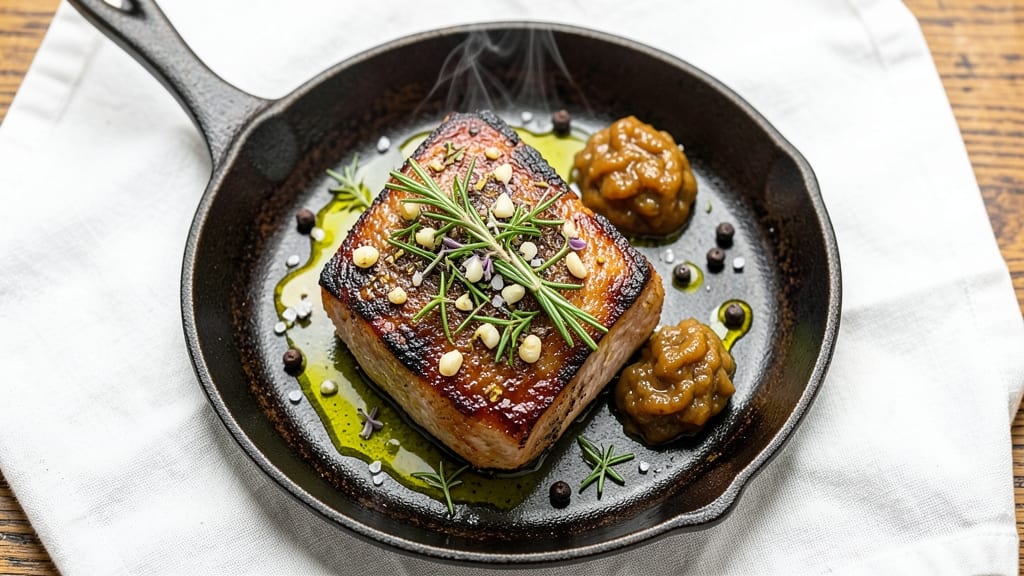
This pork tenderloin Blackstone recipe delivers a perfect balance of smoky grill crust and impossibly tender, juicy centers—exactly what you want from a weeknight dinner that feels like a restaurant meal. The key lies in precise temperature control and a simple seasoning approach that lets the pork's natural flavor shine.
I've tested this method countless times, and it never fails to impress, whether you're cooking for a family or hosting a small gathering.
The beauty of using a Blackstone griddle is how it creates that signature crosshatch grill pattern while keeping the interior of the meat perfectly moist.
You'll start with a dry brine to enhance tenderness, then sear the pork over medium-high heat to develop a flavorful crust before finishing it at a lower temperature to ensure even cooking.
This method guarantees juicy meat every time, with a crust that's crispy yet tender enough to cut through easily.
What sets this recipe apart is how it transforms a simple cut of pork into something extraordinary with minimal effort. The smoky aroma from the Blackstone fills your kitchen, signaling that dinner is ready long before the timer goes off.
The result is a dish that's impressive enough for guests but simple enough for a weeknight—tender on the inside, with a caramelized, slightly charred exterior that adds depth to every bite.
Pair it with roasted potatoes or a fresh green salad to round out the meal, and you'll have a complete dinner that's both satisfying and elegant. The best part?
This recipe is designed to work with the unique heat distribution of a Blackstone, so you won't have to worry about hot spots or uneven cooking. Let's get started on creating that perfect pork tenderloin.
Ingredients for pork tenderloin recipe blackstone
Nine essential ingredients transform simple pork tenderloin into restaurant-quality Blackstone magic.
| Ingredient | Amount | Notes |
|---|---|---|
| Pork Tenderloin 🥩 | 1 ½ lb | Center-cut, trimmed of silver skin |
| Kosher Salt 🧂 | 2 tbsp | Diamond Crystal preferred |
| Black Peppercorns 🌶️ | 1 tsp | Freshly cracked for best flavor |
| Garlic Cloves 🧄 | 4 cloves | Minced for dry brine |
| Extra-Virgin Olive Oil 🫒 | 2 tbsp | For searing and basting |
| Fresh Rosemary 🌿 | ¼ cup | Chopped, sprigs for garnish |
| Fresh Thyme 🌿 | ⅛ cup | Leaves only, stems removed |
| Apple Cider Vinegar 🍎 | 1 tbsp | For basting |
| Brown Sugar 🍯 | 1 tbsp | Lightly packed for caramelization |
| Yellow Onion 🧅 | 1 whole | Thinly sliced for serving |
| Russet Potatoes 🥔 | 2 lbs | Cut into 1-inch chunks (optional side) |
| Vegetable Oil 🫒 | 2 tbsp | For Blackstone preheating |
The pork tenderloin is your star—center-cut with visible marbling for juiciness. Costco or Whole Foods carry the best quality, or ask your butcher for a 1.5 lb piece. Trim any silver skin (that tough membrane) before cooking. For the dry brine, mix the salt, pepper, minced garlic, and half the olive oil directly on the pork—let it sit uncovered in the fridge for at least 2 hours (overnight is even better). The rosemary and thyme? Trader Joe's sells fresh bundles that last longer than grocery store containers. If you're prepping ahead, store the seasoned pork in a sealed container with parchment between layers to prevent sticking.
No fresh rosemary? Dried works at one-third the amount, but fresh is worth hunting down—it adds that aromatic punch that makes this dish special. Running low on apple cider vinegar? Balsamic vinegar gives similar depth, just use half the quantity. The brown sugar helps create that caramelized crust, but if you're watching sugar, skip it entirely—the pork's natural sweetness will shine. For the potatoes, Yukon Golds hold up better to roasting than Russets, but both work. Toss them with olive oil, salt, and rosemary before roasting alongside the pork. Pro tip: Pat the pork dry before cooking—this ensures the best sear.
This pork reheats beautifully—wrap tightly in foil and bake at 350°F for 10 minutes to revive the juices. Store leftovers in the fridge for up to 3 days or freeze for 3 months (portion into individual servings for easy reheating). The Blackstone retains heat for hours, so you can prep everything ahead and cook straight from the fridge. For a crowd, double the recipe—just increase cooking time by 10 minutes. The smoky aroma alone will have everyone at the table waiting. Serve with those crispy potatoes and a simple arugula salad for a complete meal.
Why You'll Love This Recipe
- Foolproof Seasoning: I swear by this combo—just salt, pepper, and crushed garlic cloves. No fancy rubs, no overcomplicating. The pork practically seasons itself while it cooks, and that crispy blackstone crust? Pure magic from the olive oil and high heat.
- One-Pan Magic: Honestly, this is my "I don’t want to wash dishes" meal. Tenderloin, a few cloves of garlic, and a drizzle of oil—all on that same Blackstone. Flip it once, let it caramelize, and you’re done. Zero cleanup, maximum satisfaction.
- Weeknight to Weekend: Between us, this cuts through every occasion. Weeknights? Done in 20 minutes. Company coming? Double the batch and serve with roasted potatoes. Even my picky husband doesn’t complain—(yes, even on a Tuesday night).
- Budget-Friendly Protein: Pork tenderloin is lean, affordable, and cooks faster than a steak. A single cut feeds four, and leftovers reheat beautifully for lunches. I’ll be real: it’s my go-to when I’m pinching pennies but still want something that feels special.
Step-by-step instructions for pork tenderloin Blackstone recipe
Here's your foolproof method for achieving a smoky Blackstone crust with perfectly juicy pork every time.
Prep the Pork with Dry Brine
Start by patting the 1.5 lb pork tenderloin completely dry with paper towels—this is non-negotiable for that crispy crust. In a small bowl, combine the 2 tbsp kosher salt, 1 tsp freshly cracked black peppercorns, 4 minced garlic cloves, 0.25 cup chopped fresh rosemary, and 0.125 cup fresh thyme leaves. Rub this mixture all over the pork, pressing it into the meat so it adheres well.
Place the seasoned pork on a wire rack set over a baking sheet and refrigerate uncovered for at least 4 hours (overnight is ideal). This dry brine process ensures maximum flavor penetration and helps create that coveted smoky crust. I know it seems like a long wait, but trust me—this step makes all the difference for tender, flavorful pork.
Preheat and Prepare the Blackstone
While the pork brines, preheat your Blackstone grill to high heat (around 450°F). Once hot, brush the surface with 2 tbsp vegetable oil using a paper towel—this prevents sticking and helps create that perfect crust. For the potatoes, toss the 2 lbs russet potatoes (cut into 1-inch chunks) with 1 tbsp apple cider vinegar and 1 tbsp brown sugar, then spread them in a single layer on the Blackstone.
Cook the potatoes for 15-20 minutes, stirring occasionally, until they're golden brown and crispy on the edges. Remove them to a plate and keep warm. The vinegar and sugar combo gives them a subtle tangy sweetness that pairs perfectly with the pork.
Sear and Baste the Pork
Once the potatoes are done, remove them from the grill and reduce heat to medium-high. Place the pork tenderloin directly on the hot surface and sear for 8-10 minutes, turning occasionally, until all sides develop a deep golden-brown crust. This is where the magic happens—the Maillard reaction creates that irresistible flavor.
After searing, brush the pork with 2 tbsp extra-virgin olive oil and baste frequently with the 1 tbsp apple cider vinegar mixed with any remaining pan juices. The vinegar helps tenderize the meat and adds a bright, smoky note that complements the herbs. Keep basting until the internal temperature reaches 145°F (about 15-20 minutes total).
Rest and Serve
Transfer the pork to a cutting board and tent loosely with foil. Let it rest for 10-15 minutes—this is crucial for juicy results. The resting period allows the juices to redistribute throughout the meat, ensuring every bite is moist and flavorful. While it rests, thinly slice the 1 whole yellow onion for serving.
Slice the pork into ½-inch thick medallions against the grain and arrange on a platter with the crispy potatoes and sliced onions. The contrast of the smoky, crispy pork with the sweet-tangy potatoes and fresh onion is pure perfection. Serve immediately and enjoy the fruits of your labor!
Pro Tips For Making Pork Tenderloin Recipe Blackstone
- USE A MEAT THERMOMETER: I learned this the hard way—pork tenderloin looks done when it’s still overcooked. Aim for 145°F internal temp, then let it rest. That 5-minute window between perfect and dry is smaller than you think.
- SMASH THE GARLIC FIRST: Whole cloves on the Blackstone? They’ll burn before the pork finishes. Mince or crush them with the flat side of your knife—this way, they infuse without turning bitter. (Yes, even if you’re impatient like me.)
- SALT THE PORK 2 HOURS EARLY: Dry-brining tenderloin for at least 2 hours (or overnight) keeps it juicy and lets the crust form properly on the Blackstone. Skip this, and you’ll end up with a soggy exterior and a dry interior—trust me, I’ve done it.
- DON’T CUT THE FAT: Pork tenderloin is lean, so resist the urge to trim it aggressively. A thin layer of fat on the outside helps the crust stick and prevents it from drying out. Just pat it dry first—wet meat won’t sear worth a damn.
Dietary considerations for this dish
Gluten-Free Adaptations
This recipe is naturally gluten-free since it relies on simple seasonings and fresh ingredients. The dry brine uses kosher salt, black pepper, and herbs—all gluten-free staples. Just ensure your apple cider vinegar and brown sugar are certified gluten-free brands (like Bragg or Wholesome!), as some vinegars may contain additives.
The extra-virgin olive oil and fresh herbs are inherently safe, but always double-check labels for cross-contamination warnings.
For extra flavor without gluten, swap the brown sugar for coconut sugar (also gluten-free) or add 1 tsp smoked paprika to the dry rub. The Blackstone cooking method remains unchanged—no gluten-containing marinades or sauces are needed. 🌱
Low-Carb Options
To make this pork tenderloin even lower in carbs, skip the potatoes entirely and serve with a fresh side salad. Swap the russet potatoes for cauliflower roasted in olive oil (toss with salt, rosemary, and a pinch of garlic powder).
The cauliflower absorbs the smoky flavors beautifully while keeping carbs under 8g per serving. For a heartier option, add ½ cup cooked green beans or zucchini ribbons to the Blackstone for a quick, low-carb veggie boost.
If you're avoiding sugar, omit the brown sugar from the potatoes (or cauliflower) entirely. The pork's natural sweetness and the apple cider vinegar will still create a balanced flavor profile. This keeps the dish under 5g net carbs per serving without sacrificing taste. 🥦
Allergen-Friendly Tips
For those with dairy allergies, this recipe is already safe—no cheese or butter is used. If you're avoiding soy, ensure your kosher salt isn’t processed in a soy-containing facility (most are soy-free, but check labels).
For nut allergies, confirm your extra-virgin olive oil is refined in a nut-free facility, as some brands process oils in shared facilities. The fresh herbs and vinegar are universally safe for most allergens.
For a nut-free, dairy-free, and gluten-free meal, pair the pork with a simple mango avocado salsa (diced mango, avocado, red onion, lime juice, and cilantro). This adds freshness without any allergens. Always keep a separate cutting board and utensils when prepping to avoid cross-contamination. 💛
Protein-Packed Modifications
If you're looking to boost protein further, serve this pork with a side of Greek yogurt-based tzatziki (made with non-fat Greek yogurt, cucumber, garlic, and dill). A ½ cup serving adds 10g of protein with minimal carbs.
For a meatier side, grill chicken thighs alongside the pork—both cuts cook well on the Blackstone and complement each other's flavors.
To make this a high-protein, low-fat meal, trim any visible fat from the pork tenderloin before cooking. The lean cut provides 28g of protein per 4-ounce serving with only 3g of fat.
Pair with a spinach and feta salad (if dairy is okay) or a cucumber-tomato salad with lemon and olive oil for a refreshing contrast. 💪
Nutrition facts
Frequently asked questions
Why is dry brining the pork tenderloin so important for Blackstone cooking?
The dry brine creates a perfect crust on the Blackstone while keeping the interior juicy. The salt breaks down muscle fibers, allowing moisture to redistribute, and the herbs infuse flavor deep into the meat. Without it, you risk a dry exterior and bland interior—especially critical when cooking on a hot surface like a Blackstone where moisture evaporates quickly.
How do I prevent the pork from sticking to the Blackstone?
Always preheat the Blackstone to 450°F and brush it generously with vegetable oil using a paper towel before adding the pork. Pat the pork completely dry before cooking—any moisture will cause sticking. If it starts to adhere, gently lift with a thin metal spatula and let it cook a few more minutes. Never force it!
Can I cook pork tenderloin on a Blackstone if it's still frozen?
Absolutely not! Cooking frozen pork on a Blackstone is a recipe for disaster—it will steam instead of sear, resulting in uneven cooking and potential food safety risks. Thaw the pork in the fridge overnight (about 12-24 hours for a 1.5 lb cut) or use the quick thaw method: submerge the vacuum-sealed package in cold water for 30-60 minutes. Never thaw at room temperature.
What's the best way to check if the pork is fully cooked?
Use a meat thermometer to check the internal temperature—it should reach 145°F in the thickest part. The pork will pull away slightly from the bone when done, but the thermometer is the most reliable method. If you don't have one, make a small cut in the thickest part: the juices should run clear, not pink. Never rely on color alone—some cuts can appear cooked but still be underdone.
How can I make this recipe work on a smaller Blackstone?
If your Blackstone is too small for the potatoes and pork together, cook them separately. First, roast the potatoes in the oven at 425°F for 25-30 minutes until crispy, then finish the pork on the Blackstone. For a 1.5 lb tenderloin, you'll have enough space—just reduce the heat slightly (medium-high) to prevent flare-ups. The key is patience: cook in stages if needed.