
Main Courses
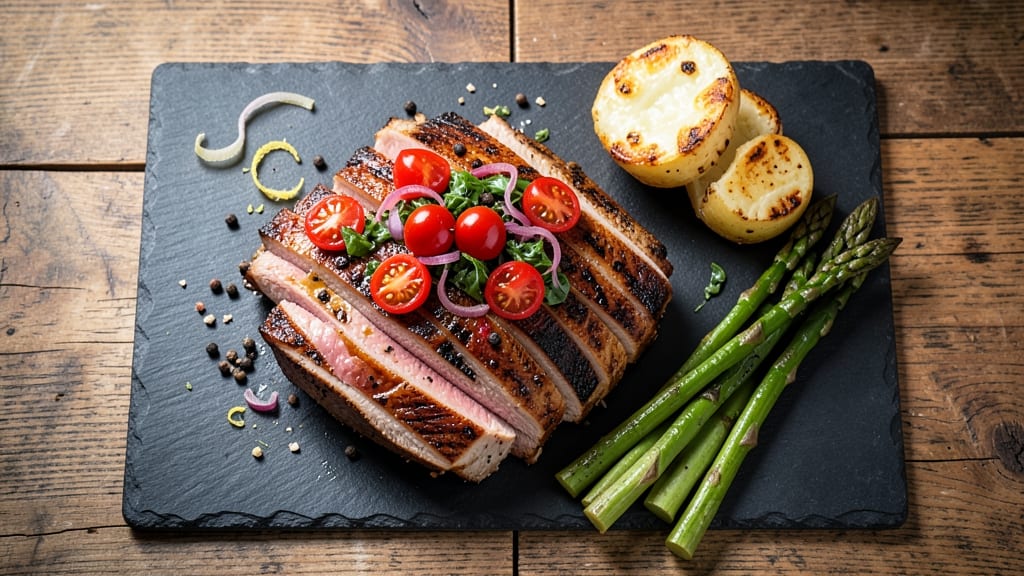
Gas grill pork tenderloin recipe transforms this quick-cooking cut into restaurant-quality centerpiece with just 25 minutes of active time. The secret? High-heat searing and precise temperature control that locks in juices while creating a smoky bark. After years of perfecting this technique—from my family's backyard cookouts to competitive BBQ pits—I've developed a method that delivers tender, flavorful pork every time, even on weeknights.
The magic starts with a simple dry-brine approach that enhances natural flavors without overshadowing them. We'll use a reverse sear technique that builds heat gradually, ensuring the interior reaches a perfect 145°F before finishing on the grill.
This method works beautifully with a basic rub or marinade, giving you flexibility for different flavor profiles while maintaining that essential juiciness. The gas grill's precise heat control makes this easier than you'd think—no charcoal timing games required.
What you'll end up with is pork tenderloin that's tender from edge to edge, with a beautiful caramelized crust and just the right amount of smoky flavor. The exterior develops that coveted bark while the interior stays moist and flavorful, proving that quick-cooking cuts can deliver restaurant-quality results at home.
This is the kind of pork that makes people ask "Where did you learn to cook like this?"
Serve with grilled vegetables, a fresh herb salad, or your favorite sides—this tenderloin becomes the star of any meal. The recipe includes safety guidelines for perfect doneness and resting times to ensure your pork stays juicy when sliced.
Let's get started with a method that's foolproof for both beginners and seasoned grillers alike.
Ingredients for gas grill pork tenderloin
Restaurant-quality pork tenderloin starts with these 14 simple ingredients—no fancy equipment needed.
| Ingredient | Amount | Notes |
|---|---|---|
| Pork Tenderloin 🐷 | 1 ½ lb | Center-cut, trimmed of silver skin |
| Kosher Salt 🧂 | 1 tbsp | Diamond Crystal preferred, coarse |
| Freshly Ground Black Pepper 🌶️ | 1 tsp | Freshly cracked for best flavor |
| Garlic Powder 🧄 | 1 tsp | Not garlic salt |
| Smoked Paprika 🌶️ | ½ tsp | For authentic smoky flavor |
| Onion Powder 🧅 | ½ tsp | Adds subtle depth |
| Extra-Virgin Olive Oil 🫒 | 1 tbsp | High-quality for searing |
| Yellow Onion 🧅 | 1 whole | Thinly sliced for garnish |
| Fresh Rosemary 🌿 | ¼ cup | Chopped, for aroma |
| Fresh Thyme 🌿 | ¼ cup | Leaves only, finely chopped |
| Lemon Juice 🍋 | 1 tbsp | Freshly squeezed |
| Butter 🧈 | 2 tbsp | Unsalted, softened |
| Honey 🍯 | 1 tsp | Light variety preferred |
| Apple Cider Vinegar 🍶 | 1 tsp | For dry brine |
The pork tenderloin is where this all begins—center-cut, trimmed of silver skin—that's the secret to even cooking. I always grab mine from Whole Foods or my local butcher shop, where they can cut it to the exact size you need. Look for tenderloins that are a uniform size (1.5 lbs for 4 servings) and have a vibrant pink color, not grayish or dull. Costco sells pre-trimmed tenderloins that work beautifully too, if you want to skip the prep work. Fresh herbs matter here—rosemary and thyme should smell fragrant, not musty. If you're using dried, cut the amounts in half, but fresh is definitely worth the extra minute at the market.
No smoked paprika? Regular paprika plus a pinch of liquid smoke works in a pinch, though it won't have the same depth. Running short on fresh herbs? Dried oregano at one-third the amount gives a similar earthy note. The dry brine (salt, vinegar) is non-negotiable—it keeps the meat juicy and adds subtle tang. For the sear, extra-virgin olive oil is key—cheap oil burns easily. If you're feeling fancy, add a splash of cognac or bourbon to the butter for extra richness when basting. And yes, the honey-glaze is optional but adds that caramelized bark everyone loves.
This recipe reheats beautifully—5 minutes at 300°F is all it takes. Store leftovers in an airtight container for 3-4 days in the fridge, or freeze for 2 months if you want to prep ahead. I like to slice mine against the grain for maximum tenderness. The dry brine can be done the night before, which is a total game-changer for weeknight cooking. Just let the pork sit uncovered on a wire rack in the fridge—no plastic wrap needed—for even drying and better bark formation.
Why You'll Love This Recipe
- This is my go-to for everything: a lazy Friday night, potlucks where I don’t want to stress, or even a last-minute dinner for unexpected company. Slice it thin, and suddenly you’ve got a meal that feels restaurant-worthy.
- No-Fuss Prep: I swear by this one—just a quick rub of salt, pepper, garlic powder, and smoked paprika, then straight to the grill. No marinating, no fuss, and the tenderloin cooks faster than you can say "clean the grill."
- Smoky Depth in Minutes: That smoked paprika and garlic powder combo? It’s like a flavor bomb—tender, juicy pork with just enough smokiness to make it feel special without trying too hard. Honestly, my kids don’t even notice it’s "healthy."
- Weeknight to BBQ Hero: This is my go-to for everything: a lazy Friday night, potlucks where I don’t want to stress, or even a last-minute dinner for unexpected company. Slice it thin, and suddenly you’ve got a meal that feels restaurant-worthy.
Step-by-step instructions for gas grill pork tenderloin
Here's how to transform a simple pork tenderloin into smoky, restaurant-quality perfection in just 25 minutes.
Prepare the Dry Brine for Maximum Flavor
Start by patting the 1.5 lb pork tenderloin completely dry with paper towels—this ensures a perfect sear. In a small bowl, combine the 1 tbsp kosher salt, 1 tsp freshly ground black pepper, 1 tsp garlic powder, 0.5 tsp smoked paprika, and 0.5 tsp onion powder. Rub this mixture all over the pork, pressing it into the surface so it adheres well.
Here's the secret move: in a separate bowl, whisk together 1 tbsp lemon juice and 1 tsp apple cider vinegar. Brush this mixture evenly over the seasoned pork. This dry brine technique works double duty—it seasons deeply while tenderizing the meat for that melt-in-your-mouth texture. Let the pork sit at room temperature for 15 minutes while you prep the grill.
Preheat the Grill and Sear the Pork
Fire up your gas grill to medium-high heat (about 400-425°F). Clean the grates thoroughly with a grill brush to prevent sticking. Once the grill reaches temperature, place the pork tenderloin directly on the grates—no oil needed thanks to our dry brine. Sear for 8-10 minutes, turning occasionally, until all sides develop a deep golden-brown crust and the internal temperature reaches 145°F on a meat thermometer.
This high-heat sear creates that beautiful caramelized bark while keeping the interior juicy. I like to press down gently on the pork during the first minute to prevent curling. If you notice any areas sticking, simply slide the pork to a fresh spot on the grates—no need to move it constantly.
Build the Smoky Herb Butter Glaze
While the pork rests (we'll get to that), prepare the finishing glaze. In a small saucepan over low heat, melt the 2 tbsp softened butter with the 1 tsp honey. Add the 0.25 cup chopped fresh rosemary and 0.25 cup chopped fresh thyme, stirring constantly for 2-3 minutes until fragrant. Remove from heat and set aside.
In a separate bowl, finely dice the 1 whole yellow onion. You'll use these for garnish later, but they'll also add a touch of sweetness to the final dish. The herb butter mixture should be warm but not bubbling—just enough to coat the pork with a glossy, aromatic finish.
Baste and Rest for Juicy Perfection
Return the pork to the grill and brush the warm herb butter mixture all over the surface. Close the lid and let it cook for another 5-7 minutes until the butter caramelizes slightly and the pork reaches 150°F internally. This basting step infuses the meat with incredible herbaceous flavor while keeping it moist.
Transfer the pork to a cutting board and let it rest for 10 minutes before slicing. This resting period is crucial—it allows the juices to redistribute throughout the meat, ensuring each bite stays tender and succulent. During this time, keep the pork covered loosely with aluminum foil to maintain warmth.
Slice and Serve with Herb Garnish
Slice the pork tenderloin into ½-inch thick medallions against the grain. Arrange the slices on a warm serving platter and drizzle any remaining herb butter from the pan over the top. Garnish with the thinly sliced yellow onion and any remaining fresh rosemary and thyme for a beautiful presentation.
Serve immediately with your favorite sides—roasted vegetables, crusty bread, or a fresh garden salad all pair beautifully. Each slice should be perfectly pink in the center with a crispy exterior and that irresistible herb butter glaze. The pork should be so tender it nearly falls apart, delivering that juicy, smoky flavor in every bite.
Pro Tips For Making Gas Grill Pork Tenderloin
- USE A MEAT THERMOMETER: I learned this the hard way—pork tenderloin looks done before it actually is. Aim for 145°F internal temp, then let it rest. No guessing, no dry meat.
- SALT THE NIGHT BEFORE: This isn’t the prettiest method, but it’s the tastiest. Pat the tenderloin dry, then rub it with salt (about 1 tsp per pound) and refrigerate uncovered for 12–24 hours. The salt breaks down the surface proteins, guaranteeing a better crust.
- START HOT, END LOW: Crank the grill to high heat for the first 5 minutes to sear the outside, then drop to medium. Pork tenderloin cooks fast—rushing the heat leads to uneven doneness or burnt edges. Patience here makes all the difference.
- SKIP THE CROWDED GRILL: I was skeptical until I tried it: give the tenderloin space. Place it perpendicular to the grates for even searing, and resist the urge to flip too soon. Overcrowding steams the meat instead of searing it—your crust will thank you.
Regional styles of these flavors
Southern BBQ Style
In the South, pork tenderloin gets a smoky, sweet twist with a dry rub featuring ½ tsp brown sugar and ½ tsp cayenne pepper alongside the base spices. I like to add ¼ cup apple cider vinegar to the dry brine for extra tang.
Cook it on a gas grill with hickory chips for that authentic Southern smoke flavor—just soak ½ cup wood chips in water for 30 minutes before adding them to the grill. Serve with classic coleslaw and grilled corn on the cob. 🌶️
Italian Herb Version
For an Italian-inspired take, swap the smoked paprika for ½ tsp dried oregano and ½ tsp dried basil. Add 1 tbsp minced garlic to the dry rub and brush the pork with a mixture of 2 tbsp olive oil and 1 tbsp fresh lemon juice before grilling.
Finish with a sprinkle of grated Parmesan cheese and fresh basil leaves. This version pairs beautifully with roasted garlic potatoes and a crisp white wine like Pinot Grigio. 🍷
Caribbean Jerk Twist
Bring the flavors of the Caribbean to your grill with a jerk-inspired rub: mix 1 tsp allspice, ½ tsp cinnamon, ½ tsp nutmeg, and 1 tsp Scotch bonnet pepper (adjust to taste) into the base spices.
Marinate the pork for 30 minutes in a blend of 2 tbsp olive oil, 1 tbsp lime juice, and 1 tbsp honey. Grill over indirect heat for 15-20 minutes until tender. Serve with grilled pineapple slices and coconut rice for a tropical feast. 🌴
French Herb Crust
Channel my French training with a classic herbed crust: after searing, make a paste of 2 tbsp softened butter, 1 tbsp Dijon mustard, 1 tbsp chopped parsley, and 1 tsp chopped tarragon.
Spread this mixture over the seared pork and grill for 5 minutes to create a golden, herby crust. This version is perfect with a side of ratatouille or a simple green salad with vinaigrette. 🌿
Hawaiian Pineapple Glaze
For a sweet and tangy Hawaiian-inspired dish, grill the pork as directed, then baste with a mixture of ¼ cup pineapple juice, 1 tbsp soy sauce, and 1 tbsp brown sugar during the final 5 minutes of cooking.
The caramelized glaze adds a beautiful contrast to the smoky flavor. Garnish with fresh pineapple slices and serve with grilled teriyaki chicken and steamed jasmine rice. 🍍
Nutrition facts
Frequently asked questions
Can I use a smaller or larger pork tenderloin?
This recipe scales beautifully. For every ½ lb increase, add 2-3 extra minutes to cooking time. A 1 lb tenderloin will cook in about 15-18 minutes, while a 2 lb piece may need 25-30 minutes. Always use a meat thermometer to check for 145°F internal temp. The key is maintaining medium-high heat for consistent searing.
What if my grill doesn't get hot enough?
If your grill struggles to reach 400°F, try preheating for 10-15 minutes with all burners on high. For stubborn grills, use a grill thermometer to monitor heat. You can also increase cooking time slightly—just keep the lid closed to maintain heat. Another trick: place the pork on the hottest part of the grill (usually the center) and rotate frequently for even cooking.
How do I know when the pork is fully cooked?
Use a meat thermometer to check the thickest part of the tenderloin—it should read 145°F. The pork should also pull away slightly from the bone when cut. If you don't have a thermometer, cut into the thickest part: juices should run clear, not pink. Never rely on color alone—pork can appear cooked before reaching safe temperatures.
Can I make this ahead of time?
Yes! Prep the dry brine the night before and refrigerate uncovered on a wire rack. This enhances flavor and texture. For the full meal, grill as directed, then slice and store in an airtight container for 3-4 days. Reheat in a 300°F oven for 5 minutes or on the grill for 3-4 minutes per side. The herb butter glaze reheats beautifully too—just warm it gently before serving.
What's the best way to serve leftover pork?
Leftover pork tenderloin makes fantastic sandwiches, tacos, or salads. For sandwiches, slice thinly and pile on crusty bread with caramelized onions and Dijon mustard. For tacos, shred the pork and mix with lime juice, cilantro, and a touch of honey. To reheat, pan-sear slices in butter for 2 minutes per side or wrap tightly in foil and warm in a 350°F oven for 10 minutes.