
Main Courses
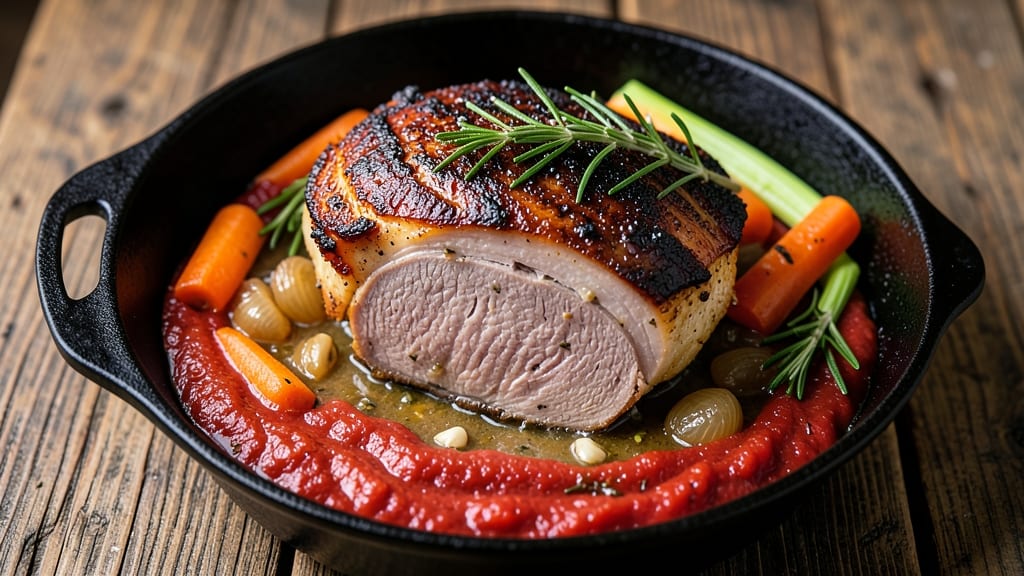
This stovetop pork pot roast delivers restaurant-quality tenderness without needing an oven—just patience and the right technique. I learned from my grandmother's handwritten notes how slow cooking transforms tough cuts into melt-in-your-mouth perfection, and this method keeps all that flavor concentrated in one pot.
The key? Low, steady heat and enough liquid to create a rich, savory broth that cooks the meat gently over hours.
What makes this recipe work is the balance of time and temperature—3 to 4 hours on low heat breaks down the pork's connective tissue while keeping it juicy. You'll start with a simple seasoning blend and aromatic vegetables that infuse the meat with deep, caramelized flavors.
The result is pork so tender it practically falls apart at the touch, with a sauce rich enough to serve alongside or spoon over mashed potatoes.
This method is perfect for weeknights when you want a hearty meal without the fuss of an oven. The one-pot approach means minimal cleanup, and the flavors only get better as they develop.
Whether you're feeding a family or meal prepping for the week, this recipe delivers comfort food at its finest—just like my grandmother used to make, but with a few modern shortcuts.
Ready to try it? The secret lies in the slow simmer—no rushing, no guesswork. By the time you're done, you'll have a dish that tastes like it simmered all day, even if you started it before work. Let's get cooking!
Ingredients for pork pot roast recipe stove top
Pantry staples plus a few fresh aromatics—this is all you need for melt-in-your-mouth pork.
| Ingredient | Amount | Notes |
|---|---|---|
| Pork Shoulder Roast 🥩 | 2 ½ lb | Bone-in for best flavor |
| Yellow Onion 🧅 | 1 whole | Chopped into wedges |
| Carrots 🥕 | 4 whole | Baby carrots work too |
| Garlic Cloves 🧄 | 4 cloves | Smashed for deeper flavor |
| Celery Stalks 🧅 | 3 whole | Trimmed and chopped |
| Tomato Paste 🍅 | 2 tbsp | Squeeze tube works |
| Dry Red Wine 🍷 | 1 cup | Bold Cabernet works best |
| Beef Broth 💧 | 2 cups | Low-sodium preferred |
| Olive Oil 🫒 | 2 tbsp | For searing pork |
| Salt 🧂 | 1 ½ tsp | Kosher or sea salt |
| Black Pepper 🌶️ | 1 tsp | Freshly ground preferred |
| Fresh Thyme 🌿 | 2 sprigs | Or 1 tsp dried thyme |
| Bay Leaves 🍃 | 2 whole | Remove before serving |
| All-Purpose Flour 🌾 | 1 tbsp | For thickening sauce |
The pork cut matters most. Pork shoulder is ideal—it's got enough fat and connective tissue to break down beautifully. Look for bone-in at Costco or your local butcher shop—they'll often cut it for you. If you're buying a whole roast, ask for it to be trimmed of excess fat (but leave some for flavor!). The aromatics—onion, celery, carrots—are the flavor base, so don't skimp. I usually grab a big bag of carrots when I see them on sale at Trader Joe's—they keep for weeks. Fresh thyme is best, but dried works in a pinch if you've got it.
No red wine? Beef broth with a splash of balsamic vinegar works just as well. Fresh thyme is ideal but dried works at half the amount. The tomato paste can be the squeeze-tube kind from Trader Joe's—it's perfect for this recipe and lasts forever. If you're short on time, pre-chopped mirepoix from the grocery store freezer section saves minutes. The flour is just for thickening at the end—don't skip it if you want that silky sauce. For extra richness, add 1 tbsp of Dijon mustard with the tomato paste.
This dish tastes even better the next day—trust me on that. Store leftovers in the fridge for 4-5 days or freeze for 3 months. I always make a double batch and portion it into containers for easy lunches. The sauce thickens as it cools, so add a splash of broth when reheating. For serving, I like to spoon it over mashed potatoes or crusty bread—both soak up that delicious sauce perfectly.
Why You'll Love This Recipe
- One-Pot Magic: I swear by this recipe because it’s literally just dump-and-simmer. No fancy gadgets, no stress—just toss the pork shoulder, onions, carrots, and celery into a pot with broth, let it bubble away, and walk away. That’s it. (Yes, even on a Tuesday night.)
- Garlic-Caramel Symphony: The slow cook of the pork shoulder turns it melt-in-your-mouth tender, while the onions and garlic caramelize into this ridiculously rich, sweet base. Honestly, the first time I tasted it, I nearly burned the kitchen—it’s that good.
- Leftovers That Shine: This roast actually improves the next day. Shred it for tacos, sandwiches, or even a loaded baked potato. My kids fight over the scraps, and I’ve repurposed it into soup, fried rice—you name it. Budget win, flavor win.
- Pantry-Friendly Flex: You’re using ingredients you already have: onions, carrots, celery, garlic. No specialty items, no last-minute grocery runs. Between us, this is my go-to when I’m low on time or cash but still want something hearty and satisfying.
Step-by-step instructions for stove top pork pot roast
This method transforms tough pork shoulder into melt-in-your-mouth perfection using just your stovetop.
Sear the Pork Shoulder for Deep Flavor
Heat a large Dutch oven or heavy pot over medium-high heat with the 2 tablespoons olive oil. Place the 2.5 lb pork shoulder roast, fat-side down, in the pot. Let it sear undisturbed for 8-10 minutes until the bottom develops a deep golden-brown crust. This step creates the rich, caramelized foundation for your roast.
Flip the pork and sear the other side for another 5-7 minutes, then remove it from the pot and set it aside. You'll know it's ready when the pork releases easily from the pan—no need to force it. The goal here is maximum browning, which adds incredible depth of flavor to the finished dish.
Build the Aromatic Base
In the same pot, add the chopped yellow onion wedges, trimmed celery stalks, and whole carrots. Cook them over medium heat for 5 minutes until the vegetables begin to soften and release their natural juices. This process develops their sweetness and prepares them for the long cooking ahead.
Add the 4 smashed garlic cloves and the 2 tablespoons tomato paste, stirring to coat everything evenly. Cook for another 2 minutes until the tomato paste darkens slightly and the garlic becomes fragrant. This aromatic base forms the flavor backbone of your roast, so don't rush this step.
Deglaze and Simmer the Roast
Pour in the 1 cup dry red wine, scraping up all the browned bits from the bottom of the pot with a wooden spoon. This deglazing step captures all the meaty flavors that would otherwise go to waste. Let the wine simmer for 3-4 minutes until it reduces by about half and becomes slightly syrupy.
Add the 2 cups beef broth, 1.5 teaspoons salt, 1 teaspoon black pepper, 2 sprigs fresh thyme, and 2 whole bay leaves. Return the pork shoulder to the pot, fat-side up, and bring everything to a gentle simmer. The liquid should just barely bubble—you're aiming for a slow, steady cook that won't toughen the meat.
Slow Cook Until Fork-Tender
Cover the pot and reduce heat to low. Let the pork roast simmer gently for 2.5-3 hours, checking occasionally to ensure there's always enough liquid to cover the meat. You'll know it's ready when a fork slides in and out with minimal resistance, and the meat pulls apart easily. This slow cooking process breaks down the tough connective tissues, transforming the pork into tender, melt-in-your-mouth perfection.
About 30 minutes before the pork is done, sprinkle the 1 tablespoon all-purpose flour over the top of the roast. Stir gently to distribute it, which will help thicken the cooking liquid into a rich gravy. The flour should dissolve completely into the sauce, creating a velvety consistency that coats every bite.
Rest and Serve with Homemade Gravy
Remove the pork roast from the pot and transfer it to a cutting board. Tent it loosely with aluminum foil and let it rest for 10-15 minutes. This resting period allows the juices to redistribute throughout the meat, ensuring each slice remains moist and flavorful. During this time, remove and discard the bay leaves from the pot.
Return the pot to the stovetop over medium heat and simmer the cooking liquid uncovered for 5-7 minutes to reduce it slightly and create a thicker gravy. Skim off any excess fat if desired, then serve the pork sliced into ½-inch thick pieces alongside the homemade gravy and the tender vegetables. The result is a comforting, restaurant-quality meal made entirely on your stovetop.
Pro Tips For Making Pork Pot Roast Recipe Stove Top
- Sear the Pork First: High heat. Seriously, crank it up on your stove and sear the pork shoulder in batches—don’t skimp on this. The crust locks in flavor and keeps the meat from drying out later. I used to rush this, and the roast always tasted bland. Two minutes per side, no excuses.
- Cut Celery into Uniform Sticks: Skip the chopping—slice celery into ¼-inch-thick matchsticks. They’ll soften evenly and blend into the sauce instead of turning to mush. My grandmother swore by this, and she was right: no one notices the veggies when they’re too small, but when they’re uneven, you end up with a watery pot.
- Deglaze with Wine, Not Water: After browning the pork, splash in ½ cup of dry red wine (or broth if you’re skipping alcohol). Scrape the fond off the pan—this stuff is flavor gold. Water just dilutes the sauce. I learned this the hard way after making a pot that tasted like… well, watered-down pork.
- Cover Tightly, Then Simmer Low: Use a lid that fits snugly, even if it means propping it with a towel. A loose lid means steam escapes, and you’ll end up with dry meat. After the initial sear, drop the heat to a gentle simmer—too high, and the pork will toughen. Sounds weird, but it works: patience here makes all the difference.
Flavor customization for this dish
Sweet and Smoky
Add 1 tablespoon brown sugar and ½ teaspoon smoked paprika to the tomato paste before deglazing with wine. This sweet-smoky combo caramelizes beautifully during the long simmer, giving the pork a subtle BBQ-like depth. I like to finish with a sprinkle of coarsely ground black pepper for texture contrast. 🌶️
For extra richness, stir in 2 tablespoons apple cider vinegar with the broth. The acidity brightens the flavors while the sugar and smoke create a complex, almost molasses-like sauce. This variation works especially well with mashed sweet potatoes instead of regular potatoes.
Herb-Forward Variation
Swap the thyme for 1 sprig rosemary and 1 sprig sage tied together with kitchen twine. These herbs add an earthy, piney aroma that pairs perfectly with pork. I also add ½ teaspoon dried marjoram to the seasoning blend for a Mediterranean touch. Remove the herb bundle before serving.
For a fresh finish, garnish with chopped parsley and a drizzle of high-quality olive oil (I love California Early Harvest from local markets). This variation feels lighter but still hearty—ideal for spring or summer weeknights.
Spicy Kick
Add 1-2 teaspoons of hot sauce (like Cholula) or ½ teaspoon cayenne pepper when you sprinkle the flour over the pork. The heat builds as the sauce reduces, giving you a slow-burning spice profile. For balance, I also add 1 teaspoon honey to the tomato paste.
Pair this spicy version with cooling sides like cucumber salad or avocado slices. The contrast makes each bite more vibrant. If you're sensitive to heat, start with ½ teaspoon cayenne and adjust to taste.
Creamy Twist
After removing the pork to rest, stir ¼ cup heavy cream into the reduced sauce. This adds a luxurious silkiness that balances the richness of the pork. I also add 1 teaspoon Dijon mustard for a subtle tang. The cream thickens the sauce beautifully without needing extra flour.
This variation feels indulgent but still comforting—perfect for special occasions. Garnish with crispy fried shallots (store-bought works) for a restaurant-worthy touch. Serve with buttery egg noodles to soak up every drop of sauce.
Nutrition facts
Frequently asked questions
Can I use a different cut of pork instead of shoulder?
Pork shoulder is ideal because of its fat and connective tissue, but you can use pork butt (another name for shoulder) or even pork loin in a pinch. For loin, reduce cooking time to 1.5-2 hours since it's leaner and cooks faster. Never use tender cuts like pork chops—they'll dry out on the stovetop.
What if my stovetop pot roast isn't tender enough?
If the pork feels tough after 3 hours, it needs more time. Cover the pot and let it simmer another 30-60 minutes, adding ¼ cup water if needed to keep it moist. The meat should pull apart easily with a fork. Never rush this—slow cooking is the secret to tenderness!
Can I make this in a regular pot instead of a Dutch oven?
Yes! Any heavy pot with a tight-fitting lid works—just ensure it's deep enough to cover the meat with liquid. A 5-6 quart pot is perfect. If your pot isn't heavy, use a metal colander in the sink to create a steam bath for extra moisture during cooking.
How do I adjust this for a larger group?
Double the recipe and use a 7-8 quart pot. For 6-8 servings, increase pork to 4-5 lbs and broth to 3 cups. Keep the same liquid-to-meat ratio (1 cup liquid per pound of pork) to maintain tenderness. Cooking time may increase by 30-60 minutes for larger batches.
Why did my sauce get too thin?
This usually happens if you didn't add the flour or if the sauce reduced too much. For next time, stir in 1 tablespoon cornstarch mixed with 1 tablespoon cold water instead of flour. Simmer for 2-3 minutes until thickened. Always reduce the sauce uncovered at the end for the best consistency!