
Main Courses
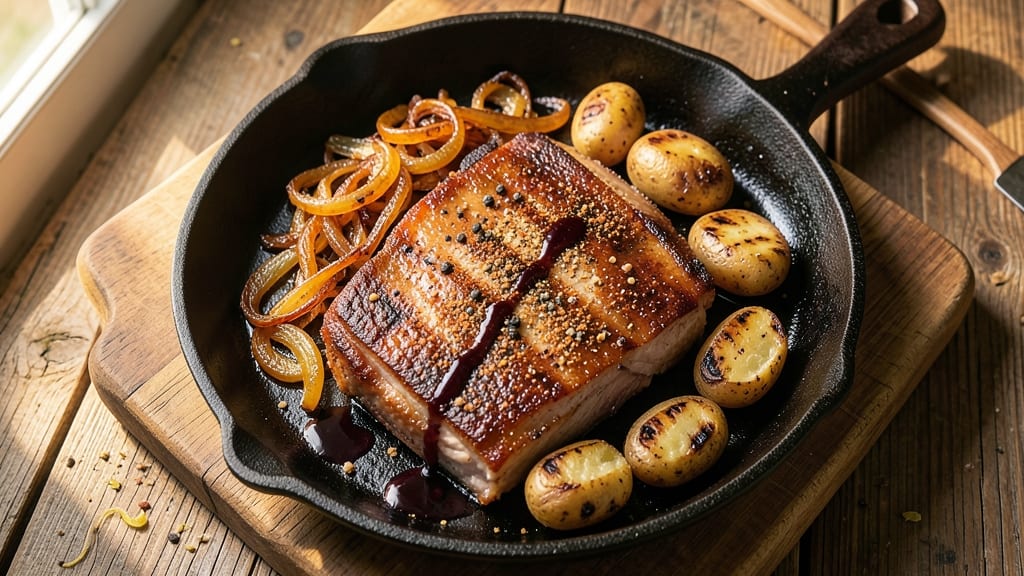
This pork belly recipe grill transforms fatty cuts into smoky, crispy perfection with juicy meat inside—no fancy equipment needed. The secret lies in a 24-hour salt cure that tenderizes while building that coveted bark, followed by precise grilling techniques that deliver restaurant-quality results at home.
I've perfected this method after years of testing, and the difference between store-bought and homemade is night and day.
The process begins with scoring the belly in a diamond pattern (about 1/4-inch deep) to prevent curling, then applying a dry rub of coarse salt that penetrates deeply.
On the grill, indirect heat is key—this ensures the fat renders slowly while the meat stays juicy and the exterior develops that irresistible crispy bark. A meat thermometer is your best friend here, aiming for an internal temp of 145°F before resting.
What you'll end up with is a slab of pork belly so tender it practically melts in your mouth, with a crackling crust that's worth every bite.
The aroma alone will have everyone gathering around the grill, and the versatility means you can serve it sliced thin for tacos, chopped for fried rice, or as a showstopping centerpiece. This is the kind of dish that elevates any meal from ordinary to extraordinary.
Pair it with grilled vegetables, a simple rice pilaf, or even a tangy slaw to balance the richness. The leftovers? Even better the next day, as the flavors deepen and the texture becomes irresistibly crispy. Let's get grilling—this recipe delivers on every promise.
Ingredients for pork belly recipe grill
Four pounds of pork belly and a few key ingredients transform into smoky, crispy perfection.
| Ingredient | Amount | Notes |
|---|---|---|
| Pork Belly 🐖 | 3 lb | Skin-on, thick-cut preferred |
| Coarse Kosher Salt 🧂 | 1 cup | Diamond Crystal preferred |
| Brown Sugar 🍯 | 2 tbsp | Light or dark variety |
| Black Peppercorns 🌶️ | 1 tsp | Freshly cracked preferred |
| Smoked Paprika 🌶️ | 1 tbsp | For smoky depth |
| Garlic Powder 🧄 | 1 tsp | Freshly ground preferred |
| Olive Oil 🫒 | 2 tbsp | Extra-virgin for richness |
| Fresh Rosemary 🌿 | 2 sprigs | For aromatic flavor |
| Fresh Thyme 🌿 | 2 sprigs | For earthy notes |
| Lemon Zest 🍋 | 1 tbsp | Brightens the flavor |
| Charcoal or Hardwood Chunks 🔥 | 2 cups | Hickory or oak preferred |
| Meat Thermometer 🌡️ | 1 whole | For precise doneness |
The pork belly makes all the difference here. Look for thick-cut, skin-on pieces—they render fat beautifully and develop that coveted crackling bark. Costco or your local butcher are great spots for quality cuts. If you can't find thick-cut, ask for a piece with good marbling. The salt is non-negotiable—Diamond Crystal kosher salt dissolves perfectly and gives you that perfect crust. I always buy extra because it's worth it. For the wood chunks, hickory or oak adds that classic smoky flavor, but fruitwoods like apple or cherry can bring a different twist.
No coarse salt? Fine sea salt at double the amount works in a pinch, but it won't give you that same texture. Short on time? Skip the 24-hour cure and do 12 hours—it'll still be delicious. Fresh herbs? Dried works at one-third the amount, but fresh is ideal. The lemon zest can be swapped for a splash of lemon juice if you don't have zesters. For the wood, mesquite or pecan are great alternatives if you're experimenting. And if you don't have a meat thermometer, cut into the thickest part—it should feel just firm to the touch, not rubbery.
The pork belly keeps beautifully in the fridge for 3-4 days if wrapped tightly in parchment paper. For longer storage, vacuum-seal it and freeze for up to 3 months. The leftovers? Even better the next day—reheat in a 300°F oven for 10 minutes to restore that crispy texture. I always make extra because it's perfect for tacos, fried rice, or even sandwiches. The wood chunks can be reused a few times if stored in a dry place, but they lose potency after a couple uses.
Why You'll Love This Recipe
- Salt-Crust Magic: Honestly, the prep couldn’t be simpler—just slather that pork belly with salt, sugar, and peppercorns, then let it sit while you fire up the grill. No fancy marinades, no peeling garlic, just pure, hands-off flavor development. (Yes, even on a Tuesday night.)
- Smoky Sweet Crisp: That caramelized crust from the brown sugar and smoked paprika? It’s the good kind of addictive—the kind that makes you want to eat it straight off the grill. The pork belly stays juicy inside while the outside gets that perfect crackle, like a hug from a campfire.
- Leftovers for Days: Between us, this recipe makes more than you’ll eat in one sitting, and that’s a win. Cold slices the next day are crispy and tender, perfect for sandwiches or rice bowls. I’ve even thrown them into fried rice—no one’s ever complained.
- Budget-Friendly Feast: Pork belly can feel fancy, but this method stretches it into a whole meal without breaking the bank. A single cut feeds four, and the salt-sugar rub costs pennies. Plus, the leftovers mean fewer takeout nights—my wallet thanks me every time.
Step-by-step instructions for grilled pork belly
Here's how to transform tough pork belly into irresistible, crispy-edged perfection with tender meat inside.
Prepare the Dry Rub and Cure the Pork Belly
In a medium bowl, combine the 1 cup coarse kosher salt, 2 tbsp brown sugar, 1 tsp black peppercorns, 1 tbsp smoked paprika, and 1 tsp garlic powder. Mix thoroughly until the salt and spices are evenly distributed. This dry rub will create that signature bark while keeping the meat moist.
Place the 3 lb pork belly skin-side up on a plate and pat it completely dry with paper towels. You want it as dry as possible—this helps the rub stick and the skin crisp up properly. Rub the dry rub all over the pork belly, pressing it into the meat so it adheres well. Now, add the 2 sprigs fresh rosemary and 2 sprigs fresh thyme on top, and sprinkle the 1 tbsp lemon zest evenly over the surface.
Refrigerate the pork belly uncovered on a wire rack set over a tray for 12-24 hours. This curing process draws out moisture, allowing the rub to penetrate deeply and the skin to develop that coveted crispy bark. The longer it cures, the better the texture—just don't exceed 24 hours or the meat may start to dry out.
Set Up the Grill for Indirect Heat
Fill your grill with the 2 cups charcoal or hardwood chunks and light them, allowing them to burn until they're covered with a thick layer of white ash. Once the coals are ready, spread them evenly on one side of the grill, leaving the other side completely clear. This creates an indirect heat zone, which is essential for slow-cooking the pork belly without burning the bark.
Preheat the grill to 250°F with the lid closed. You'll know it's ready when the temperature stabilizes and you see a steady stream of blue smoke. Place the pork belly skin-side down on the cooler side of the grill, away from direct heat. This setup ensures the skin crisps slowly while the meat cooks through evenly.
Smoke and Cook Until Probe-Tender
Close the grill lid and cook the pork belly for 3-4 hours, maintaining the temperature at 250°F. You'll want to check the temperature occasionally and adjust the vents as needed to keep it steady. Every 30 minutes, gently flip the pork belly using tongs to ensure even cooking on all sides.
After 3 hours, insert the meat thermometer into the thickest part of the pork belly, avoiding the bone. When the internal temperature reaches 195-203°F, the pork belly is ready. At this point, the meat should be fork-tender, and the skin should be starting to crisp up. If the skin isn't crispy yet, you can increase the heat slightly for the last 10 minutes to achieve that perfect texture.
Crisp the Skin and Rest Before Slicing
Once the pork belly reaches the desired temperature, move it to the hotter side of the grill, skin-side down. Close the lid and cook for an additional 5-10 minutes to crisp up the skin. You'll know it's done when the skin is deep golden brown and crackly to the touch. Be careful not to overcook it—you want that skin to be crispy but not burnt.
Remove the pork belly from the grill and let it rest on a cutting board for 15-20 minutes. This resting period allows the juices to redistribute throughout the meat, ensuring each slice is moist and flavorful. During this time, you can tent it loosely with aluminum foil to keep it warm.
Slice and Serve with Confidence
After resting, use a sharp carving knife to slice the pork belly into ½-inch thick slices, cutting against the grain for maximum tenderness. The meat should be juicy and rich, with a crispy, smoky bark that adds a satisfying crunch to every bite. Serve immediately while the skin is still crispy and the meat is piping hot.
For the best experience, drizzle the slices with any accumulated juices from the cutting board and garnish with extra lemon zest. Pair with your favorite sides like roasted vegetables, pickled onions, or a simple green salad to balance the richness of the pork belly. Enjoy your perfectly grilled pork belly with that irresistible combination of crispy bark and juicy meat!
Pro Tips For Making Pork Belly Recipe Grill
- CRANK THE HEAT FIRST: Pork belly needs a screaming-hot grill to render fat fast and lock in moisture. Start with direct flame—450°F or higher—until you hear that satisfying sizzle. I used to play it safe with medium heat and ended up with greasy, uneven cooking. Trust me, the first 5 minutes over direct heat make all the difference.
- SALT THE BELLY 24 HOURS EARLY: Don’t skip this—coarse kosher salt needs time to work its magic. Pat the belly dry, then slather it with salt (about 1.5 teaspoons per pound) and refrigerate uncovered for a full day. The salt cures the meat, tightens the skin, and keeps it juicy. I learned this the hard way after a batch turned out rubbery because I rushed it.
- DON’T CROWD THE GRILL: Pork belly needs space to breathe, or you’ll steam it instead of sear it. Leave at least 2 inches between cuts, and resist the urge to flip too soon. If you’re cooking multiple pieces, work in batches. I once tried grilling two thick slabs side by side and ended up with sad, soggy edges.
- USE BROWN SUGAR SPARINGLY: A light dusting of brown sugar on the last 5 minutes of grilling gives that caramelized crust, but go easy—it burns faster than you think. Stick to 1-2 teaspoons total, and brush it on after the initial sear. I once went overboard and had to scrape charred sugar off the meat mid-cook. Less is more here.
Pro cooking tips for this recipe
Score for Perfect Bark
Before grilling, use a sharp knife to score the pork belly in a diamond pattern with cuts about ¼-inch deep. This prevents curling during cooking and allows the fat to render more evenly.
I like to make the cuts about ½-inch apart—don’t go too close or the skin might tear. Trust me, this step makes all the difference for that crispy, crackling texture. 🔥
Indirect Heat Mastery
Set up your grill with hot coals on one side only—this creates an indirect heat zone where the pork belly can cook slowly without burning. Maintain a steady 250°F temperature by adjusting the vents as needed.
If the grill fluctuates, use a meat thermometer probe to monitor the pork belly’s internal temperature. I’ve seen beginners overcook it by placing it too close to direct heat—keep it on the cooler side until the final crisping step.
Fat Rendering Trick
As the pork belly cooks, the fat will begin to render and pool on the grill grates. Every 30 minutes, use tongs to flip the pork belly and baste it with its own fat—this adds incredible flavor and helps build that crispy crust.
I also recommend placing a drip pan under the pork belly to catch excess fat, which you can later use for cooking or roasting vegetables. 💡
Final Crisping Stage
Once the pork belly reaches 195°F internal temperature, move it to the hotter side of the grill (direct heat) for 5-10 minutes to crisp the skin. Watch closely—this is where the magic happens! The skin should turn a deep golden brown and develop that satisfying crackle.
If it starts to burn, move it back to indirect heat. A tongs test works too: if the skin resists but cracks when pressed, it’s ready.
Resting Like a Pro
Never skip the 15-20 minute rest before slicing—this allows the juices to redistribute, ensuring every bite is moist and flavorful. I like to tent the pork belly loosely with aluminum foil to keep it warm. Slicing too soon will leave you with dry, stringy meat.
Pro tip: Use a sharp carving knife and cut against the grain for maximum tenderness. The slices should fall apart slightly when you pull them apart.
Temperature Targets
Aim for an internal temperature of 195-203°F—this ensures the pork belly is probe-tender with a perfect balance of crispy skin and juicy meat. Overcooking past 203°F can make the meat dry, so keep an eye on that thermometer!
I’ve ruined a few batches by ignoring the temp, so don’t make the same mistake. The USDA safe minimum for pork is 145°F, but pork belly benefits from cooking much longer for that melt-in-your-mouth texture. 🌡️
Nutrition facts
Frequently asked questions
How do I prevent the pork belly from curling while grilling?
Score the skin in a diamond pattern with cuts about ¼-inch deep before grilling. This creates channels for fat to render and prevents the skin from curling up. Also, keep the temperature steady at 250°F and avoid direct heat until the final crisping stage.
Can I grill pork belly without a meat thermometer?
Yes, but it's trickier. The pork belly should feel fork-tender when pierced in the thickest part. For crispy skin, look for a deep golden brown color and a crackling sound when pressed. Aim for 3-4 hours total cooking time, flipping every 30 minutes.
What's the best way to reheat leftover grilled pork belly?
Wrap slices in aluminum foil and reheat in a 300°F oven for 10-15 minutes to restore crispiness. For extra crunch, broil for 1-2 minutes at the end. Never microwave—it makes the skin soggy and ruins the texture.
How can I make the skin extra crispy?
After the pork belly reaches 195°F, move it to direct heat for 5-10 minutes to crisp the skin. For maximum crunch, use coarse kosher salt in the dry rub and ensure the meat is completely dry before grilling. A final spray of olive oil before the last minute can also help.
What are some great side dishes for grilled pork belly?
Balance the richness with grilled vegetables (asparagus, zucchini, bell peppers), a tangy slaw, or steamed rice. For a heartier meal, serve with roasted potatoes or a fresh salad with a citrus vinaigrette. The key is acidity or freshness to cut through the fat.