
Main Courses
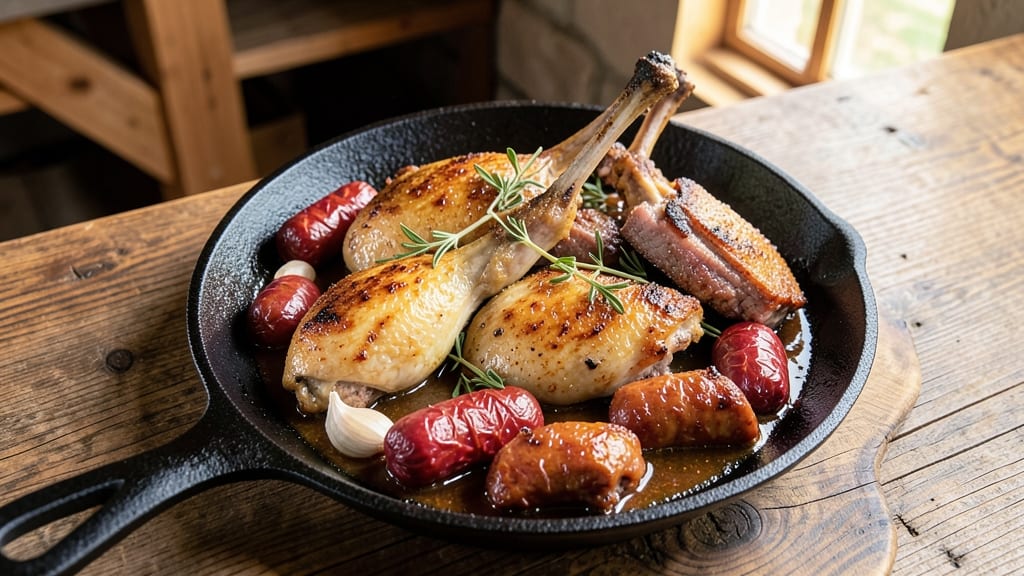
This Argentine asado recipe transforms your backyard into a Buenos Aires parrilla with tender chicken and pork cooked over wood charcoal. The secret lies in slow, indirect heat and bold flavors—think smoky morcilla sausage, crispy pork ribs, and juicy chicken thighs basted with chimichurri.
I’ve perfected this technique after countless weekends spent grilling with Argentine friends, where the meal becomes as important as the conversation. The magic starts with the marinade: a simple blend of garlic, oregano, and red wine vinegar that tenderizes the meat while building deep, earthy flavors.
Chimichurri, Argentina’s signature herb sauce, adds a vibrant green contrast and bright acidity that cuts through the richness. Grilling over wood charcoal creates those signature grill marks and infuses the meat with a smoky depth that’s impossible to replicate with gas.
What you’ll end up with is a spread of perfectly cooked meats—crispy on the outside, tender within—arranged on a wooden platter with grilled peppers and provoleta (grilled cheese) on the side.
The aroma alone will draw everyone to the table, but the first bite—juicy pork ribs paired with herby chimichurri—will make it unforgettable. This isn’t just a recipe; it’s an experience.
Whether you’re hosting a gathering or simply craving the flavors of Argentina, this asado delivers restaurant-quality results with a technique that’s surprisingly approachable. Let’s get grilling.
Ingredients for chicken and pork asado
Six meats, two marinades, and one smoky grill session transform your backyard into an Argentine parrilla feast.
| Ingredient | Amount | Notes |
|---|---|---|
| Chicken Thighs (bone-in, skin-on) 🍗 | 1 ½ lb | Evenly sized for consistent cooking |
| Pork Ribs (back ribs, meaty) 🥓 | 2 lb | Silver skin removed for crispiness |
| Morcilla Sausage (Argentinian blood sausage) 🌭 | 4 pieces | Fresh, not pre-cooked |
| Red Wine Vinegar 🍷 | ¼ cup | For marinade, Malbec preferred |
| Garlic Cloves 🧄 | 8 cloves | Fresh, peeled and smashed |
| Dried Oregano 🌿 | 1 tbsp | Mexican oregano for authentic flavor |
| Wood Charcoal Chunks 🔥 | 4 lb | Hardwood preferred for smoky flavor |
| Fresh Parsley Leaves 🌿 | 1 cup | Flat-leaf variety for chimichurri |
| Fresh Cilantro Leaves 🌿 | ½ cup | For chimichurri brightness |
| Extra-Virgin Olive Oil 🫒 | ½ cup | High-quality for chimichurri |
| Red Bell Peppers 🍅 | 2 whole | Grilled for provoleta |
| Provolone Cheese 🧀 | 8 oz | Sliced for grilled provoleta |
| Diamond Crystal Kosher Salt 🧂 | 1 ½ tbsp | For seasoning and curing |
| Ground Black Peppercorns 🌶️ | 1 tsp | Freshly cracked for marinade |
| Red Wine (for basting) 🍷 | ½ cup | Malbec or Cabernet Sauvignon |
The meat selection is critical—Argentinian morcilla is non-negotiable for authenticity, though Spanish chorizo works in a pinch. For the pork ribs, meaty back ribs yield the best results; avoid spare ribs which are leaner. Costco or specialty butchers carry authentic morcilla, but Whole Foods bulk sections often stock it too. Chicken thighs with skin-on create the signature crispy exterior, but remove the skin before serving. The garlic should be freshly peeled and smashed—never minced—to infuse maximum flavor into the marinade. For the wood charcoal, hardwood chunks (like oak or quebracho) are essential; avoid briquettes which lack authentic smokiness.
No red wine vinegar? Balsamic vinegar at half the amount works, though it lacks the same depth. Substituting dried oregano for Mexican? Use double the quantity—it’s less potent. The chimichurri herbs can be swapped for flat-leaf parsley only if cilantro’s not your thing, but the texture suffers. For the provoleta, mozzarella can substitute provolone, though it won’t melt as dramatically. The olive oil must be extra-virgin—anything less will taste harsh in the chimichurri. Preferring gas grill? Soak wood chips in water for 30 minutes first to create smoke without flare-ups.
Marinate meats for at least 4 hours, ideally overnight. Chimichurri keeps 5 days refrigerated or 3 months frozen—portion into ice cube trays for easy single-use servings. Grilled peppers and provoleta should be assembled just before serving—the cheese melts best off the heat. Store cooked meats in airtight containers with chimichurri drizzled on top—the acidity preserves juiciness for 3 days. For a crowd, double the morcilla and ribs; they’re the most popular components. Leftovers reheat beautifully—350°F for 10 minutes—though nothing beats fresh-off-the-grill flavor.
Why You'll Love This Recipe
- No-Fuss Grill Night: That bone-in, skin-on chicken and meaty pork ribs? They practically cook themselves on the grill while you sip wine and pretend you’re in Buenos Aires. Honestly, the hardest part is deciding when to flip them—not the prep.
- Umami Bomb Combo: Between the rich morcilla’s iron depth, the vinegar’s tang cutting through the fat, and those garlic cloves caramelizing into crispy bits, every bite is a flavor collision. I’ll be real: my kids now ask for seconds just to taste the sausage.
- Weeknight Crowd-Pleaser: This feeds six without breaking a sweat—perfect for game days, family dinners, or when your friends show up unannounced. (Yes, even on a Tuesday night.) The ribs fall apart, the chicken stays juicy, and no one cares if the morcilla looks intimidating.
- Budget-Friendly Leftovers: You’ll have enough for lunch the next day, and it tastes even better cold in sandwiches. Between us, the pork ribs stretch further than takeout, and the chicken thighs? They’re cheaper than breasts but way more forgiving. Win-win.
Step-by-step instructions for Argentine asado masterpiece
Here's how to transform simple cuts into restaurant-worthy Argentine grill fare.
Prepare the Meat and Marinades
Pat the 1.5 lb chicken thighs and 2 lb pork ribs completely dry with paper towels—moisture is the enemy of crispy skin. In a bowl, combine the 0.25 cup red wine vinegar, 1.5 tbsp kosher salt, 1 tsp cracked black pepper, and 1 tbsp dried oregano. Rub this marinade generously over all meat surfaces, including the ribs. Let them marinate uncovered in the refrigerator for at least 4 hours (overnight is ideal).
While the meat marinates, prepare the morcilla by scoring the casings lightly with a knife—this prevents bursting during cooking. Keep them at room temperature until grilling. The marinade's acidity tenderizes the meat while the salt and pepper create that signature Argentine crust.
Build the Chimichurri and Provoleta
In a food processor, combine the 1 cup fresh parsley leaves, 0.5 cup fresh cilantro leaves, 0.5 cup extra-virgin olive oil, 4 smashed garlic cloves, and 1 tbsp kosher salt. Pulse until finely chopped but not puréed—you want texture. Transfer to a bowl and let it rest for 30 minutes to allow flavors to meld. This vibrant green sauce is the soul of Argentine grilling.
For the provoleta, slice the 8 oz provolone cheese into ¼-inch thick pieces and set aside. Cut the 2 whole red bell peppers in half lengthwise, remove seeds, and brush lightly with olive oil. These will become sweet, smoky grilled peppers to complement the meat.
Set Up the Argentine Parrilla
Arrange 4 lb wood charcoal chunks in a pyramid shape in your grill or smoker. Light them and let them burn until they're covered with white ash—this indicates proper heat distribution. Spread the coals evenly to create two temperature zones: medium-high (400°F) for direct grilling and medium (350°F) for indirect cooking. This dual-zone method prevents flare-ups while ensuring even cooking.
Place the pork ribs on the hot side first—bone-side down—so the fat renders and creates a flavorful crust. After 10 minutes, flip them to the indirect side. The ribs will cook slowly, developing that signature smoky bark while remaining tender inside. Meanwhile, keep the chicken thighs and morcilla sausages on the hot side for 4-5 minutes per side until they reach 165°F internally.
Grill to Perfection and Assemble
Grill the red bell peppers directly over the flames for 8-10 minutes, turning occasionally, until their skins blacken and blister. Remove them to a plate and cover loosely with foil to steam. The provolone slices should go on the hot side for 2-3 minutes until golden and bubbly—watch closely to prevent burning.
Once the ribs reach 195°F (about 2 hours total), wrap them in foil with 0.5 cup red wine for basting and let them rest for 15 minutes. The chicken thighs and morcilla should be cooked through but still juicy. Arrange everything on a platter: ribs on one side, chicken and morcilla on the other, with grilled peppers and provolone nearby. Drizzle generously with chimichurri and serve immediately.
Pro Tips For Making Chicken And Pork Asado
- SEAR CHICKEN SKIN FIRST: Take the chicken thighs out of the fridge 30 minutes before cooking and pat them bone-dry—then hit the skin side down in a screaming-hot pan for 6-8 minutes straight. I learned this the hard way: skipping this step means you’ll end up with sad, greasy skin instead of crispy, golden armor that protects the meat. (Yes, even if you’re impatient like me.)
- TRIM PORK RIBS RIGHT: Use kitchen shears to snip the membrane off the back ribs before seasoning—it’s the only way to guarantee they render fat evenly and don’t curl into a sad, uneven pile. I used to peel it off with a knife, but this method is faster and way less frustrating. (Your future self will thank you when the ribs stay flat on the grill.)
- DON’T OVERMIX THE MORCILLA: The morcilla’s texture is everything—handle it like you’re defusing a bomb. Slice it thick (½-inch) and sear it skin-side down in batches, resisting the urge to flip it constantly. After 3 minutes, just let it sit. Overmixing or flipping too soon turns it into mush. (Sounds weird, but it works.)
- BASTE WITH VINEGAR GARLIC: Mix ¼ cup red wine vinegar with 4 minced garlic cloves and a glug of olive oil, then brush it over everything in the last 10 minutes of cooking. The acid cuts through the fat, the garlic clings to the meat, and the vinegar keeps the morcilla from drying out. I skip this when I’m lazy, but the dish is noticeably better when I don’t.
Wine and beer pairings for this recipe
Argentine Malbec
This bold red wine is the classic pairing for asado, mirroring the smoky, charred flavors of the grill. Look for an Argentine Malbec from Mendoza—its dark fruit notes and velvety tannins complement the pork ribs beautifully.
I love Catena Zapata or Trapiche for their perfect balance of richness and acidity. Serve slightly chilled (60-65°F) to enhance the wine’s freshness against the smoky meat. 🍷
Argentine Torrontés
For a lighter option that still shines with the herby chimichurri, try an Argentine Torrontés. This aromatic white wine, with its citrus and floral notes, cuts through the richness of the pork and chicken. Alamos or Zorzal are excellent choices.
Serve at 45-50°F to preserve its delicate aromas while balancing the bold flavors of the asado.
Craft IPA Balance
If you prefer beer, a crisp Argentine craft IPA works surprisingly well. The hoppy bitterness contrasts the smoky meat, while the malt sweetness complements the chimichurri.
Try Patagonia IPA from Cervecería Patagonia—its tropical fruit notes echo the grilled peppers. Serve at 45°F to keep the carbonation lively and the flavors vibrant.
Provoleta Pairing
The grilled provolone deserves its own spotlight. A glass of Argentine Chardonnay from Mendoza, like Bodega Norton, enhances the melted cheese’s creamy texture. Its buttery notes and subtle oak complement the charred peppers and smoky meat.
For beer lovers, a Belgian witbier adds a refreshing citrus twist that pairs perfectly with the provoleta’s richness.
Basting with Wine
Don’t toss that leftover Malbec—use it to baste the ribs during grilling! The wine’s acidity tenderizes the meat while adding depth. I like to pour ½ cup into a small saucepan, reduce it slightly, then brush it over the ribs during the last 30 minutes of cooking.
This technique infuses the meat with wine’s fruity notes, making every bite more complex. 💫
Nutrition facts
Frequently asked questions
Why does Argentine asado use wood charcoal instead of gas?
The smoky flavor from wood charcoal is essential—it creates that signature asado taste that gas grills can't replicate. Hardwoods like quebracho or oak burn slowly and produce deep, aromatic smoke that infuses the meat. The slow, indirect heat also mimics traditional Argentine parrilla techniques, ensuring tender results.
Can I substitute morcilla sausage for another type?
Yes, but authenticity suffers. Spanish chorizo works in a pinch, though it's spicier. For a closer match, look for Argentinian morcilla de sangre (blood sausage) or even Italian luganega. The key is a fresh, uncooked sausage with a firm casing that won't burst during grilling. If using chorizo, remove the casing before serving.
How do I keep the chicken from drying out on the grill?
Skin-on chicken thighs are your best bet—they render fat that bastes the meat. Never overcook! Use a meat thermometer and remove chicken at 160°F (it'll rise to 165°F while resting). Let it rest 10 minutes before serving to redistribute juices. Brushing with red wine during grilling also adds moisture.
What's the best way to reheat leftovers?
Wrap meats in foil with a splash of chimichurri and reheat at 350°F for 10-15 minutes. Never microwave—it turns meat rubbery. For ribs, add 2 tbsp water or broth—the steam keeps them tender. Reheated asado makes great sandwiches or tacos the next day!
Can I make this asado indoors?
You can adapt it for an oven or stovetop, but you'll lose the authentic smoky flavor. For oven-baked ribs, wrap them in foil with wood chips—place them on the oven rack above the meat. Use a meat thermometer to monitor temperature. The chimichurri and marinade techniques remain the same—just adjust cooking times (ribs need 3-4 hours at 275°F).