
Main Courses
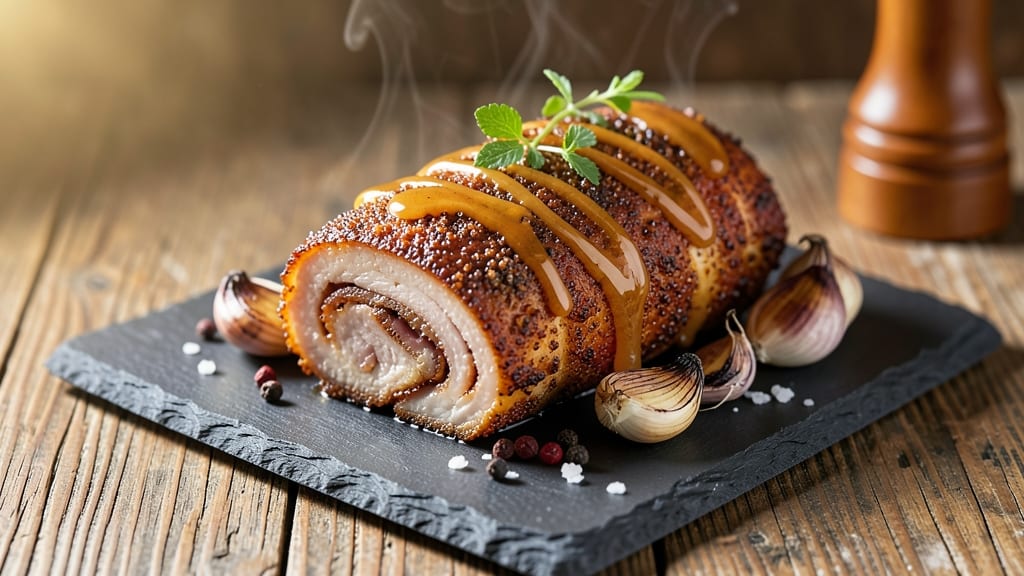
Boneless rolled pork shoulder transforms tough cuts into melt-in-your-mouth perfection—no smokehouse needed. After years of perfecting this technique at The Smoky Pig, I’ve refined the process to deliver restaurant-quality results at home, with collagen-rich tenderness and a crispy exterior. The secret lies in the rolling and slow cooking, which unlocks deep flavor without requiring hours of babysitting.
What sets this recipe apart is the balance between traditional methods and modern convenience. We start with a dry rub of smoked paprika and brown sugar for color and depth, then slow-roast the pork until it reaches 195°F—where the collagen breaks down into velvety richness.
The boneless cut makes it easier to handle, but the rolling technique ensures even cooking and maximum flavor penetration. This is the kind of dish that gets better as it rests, making it ideal for meal prep.
The result? Juicy, fork-tender pork that practically falls apart with minimal effort, paired with a caramelized crust that adds texture. The slow cooking process infuses every bite with smoky-sweet notes, while the internal temperature ensures maximum tenderness.
This isn’t just pork—it’s a masterpiece of technique and patience, designed to impress even skeptical guests.
Serve it sliced thin over mashed potatoes, in tacos, or as a centerpiece for a holiday feast. The versatility of this dish makes it a staple for any occasion, while the hands-off cooking method ensures you’ll have time to enjoy the meal instead of standing over the oven.
Let’s get started on creating your own collagen-rich masterpiece.
Ingredients for boneless rolled pork shoulder
Six ingredients transform tough pork into melt-in-your-mouth perfection—no smoker needed.
| Ingredient | Amount | Notes |
|---|---|---|
| Boneless Pork Shoulder 🥩 | 4 lb | Evenly trimmed for rolling |
| Smoked Paprika 🌶️ | 2 tbsp | High-quality for smoky depth |
| Brown Sugar 🍚 | 1 tbsp | Light or dark preferred |
| Kosher Salt 🧂 | 2 tsp | Diamond Crystal preferred |
| Ground Black Pepper 🌶️ | 1 tsp | Freshly cracked for flavor |
| Garlic Powder 🧄 | 1 tsp | Not garlic salt |
| Onion Powder 🧅 | 1 tsp | For subtle depth |
| Olive Oil 🫒 | 2 tbsp | For basting and crust |
| Yellow Onion 🧅 | 1 whole | Sliced for aromatics |
| Carrots 🥕 | 4 whole | Baby or regular, peeled |
| Celery Stalks 🥬 | 3 whole | Trimmed and chopped |
| Apple Cider Vinegar 🍎 | 2 tbsp | For brightness |
| Fresh Thyme 🌿 | ¼ cup | Or 1 tsp dried |
| Fresh Rosemary 🌿 | ¼ cup | Chopped, woody stems removed |
| Beef Broth 🍲 | 1 ½ cups | Low-sodium preferred |
The pork shoulder is the star—look for one with good marbling and even thickness for perfect rolling. Costco or Whole Foods carry high-quality boneless cuts, but any reputable butcher will trim it for you. If you're buying whole, ask for the shoulder cut and have it boned and rolled in-store. The smoked paprika should be vibrant red, not dull—Penzeys or McCormick are solid brands. For the aromatics, fresh thyme and rosemary make all the difference, but dried works in a pinch (use half the amount). The carrots and celery can be baby or regular—just make sure they're fresh and firm.
No smoked paprika? Substitute with 1 tbsp regular paprika plus 1/2 tsp liquid smoke. Fresh herbs missing? Dried thyme and rosemary at half the amount work fine. The beef broth can be swapped for chicken broth, but the pork will have a slightly lighter flavor. For extra richness, add 1 tbsp of Worcestershire sauce (ensure it's vegetarian if needed). The apple cider vinegar adds brightness—skip it if you prefer a sweeter profile, but I recommend keeping it for balance. The olive oil matters for the crust—use something with a high smoke point like avocado oil if you're worried about burning.
This pork gets better as it rests, so plan ahead. Once cooked, let it rest 30-45 minutes before slicing—this is non-negotiable for tenderness. Store leftovers in the fridge for 5-6 days or freeze for 3 months. For meal prep, slice and portion into containers with a little of the cooking juices. The flavor actually deepens overnight, so it reheats beautifully. If you're serving a crowd, double the recipe—this dish scales perfectly.
Why You'll Love This Recipe
- No Bone Hassle: I’ll be real—rolling that pork shoulder feels like a victory lap. No butchering, no messy bones to pick out later. Just one big, juicy slab ready to soak up that smoky paprika and caramelized brown sugar in one go.
- Sweet-Smoky Magic: That combo of smoked paprika and brown sugar? It’s like a hug for your taste buds. The pork gets this perfect balance—slightly sweet on the outside, tender and savory underneath. I’ve made it for guests who swear they can’t tell it’s not from a BBQ joint.
- Leftovers That Don’t Suck: Between us, pork shoulder leftovers are usually sad. Not this one. The rolled cut stays moist, so it reheats like a dream—whether it’s shredded for tacos, sliced for sandwiches, or tossed into a stir-fry. I’ve got three meals planned just from one cook.
- Budget Win, Big Flavor: Honestly, this is my go-to when I need to feed a crowd without breaking the bank. A single pork shoulder stretches across lunches, dinners, and even breakfast hash. Plus, the spices cost pennies, so you’re basically getting gourmet flavor for grocery-store prices. (Yes, even on a Tuesday night.)
Step-by-step instructions for slow-cooked rolled pork shoulder
Here's how to transform that pork shoulder into melt-in-your-mouth perfection.
Prepare and Season the Pork Shoulder
Start by trimming any excess fat from the 4 lb boneless pork shoulder, leaving about ¼-inch thickness. This ensures even cooking and prevents grease buildup. Pat the meat completely dry with paper towels—moisture is the enemy of crispy bark.
In a small bowl, combine the 2 tbsp smoked paprika, 1 tbsp brown sugar, 2 tsp kosher salt, 1 tsp ground black pepper, 1 tsp garlic powder, and 1 tsp onion powder. Rub this mixture all over the pork shoulder, pressing firmly so the spices adhere. Let it sit at room temperature for 30 minutes before cooking—this allows the seasoning to penetrate deeply.
Roll and Secure the Pork
Roll the pork shoulder tightly into a log shape, starting from one end and working toward the other. Use kitchen twine to secure the roll every 1-2 inches, creating a compact package that cooks evenly. This shape maximizes surface area for browning while keeping the meat tender.
Here's the thing—don't skimp on the twine. You want this roll to hold its shape throughout the long cook. If it unravels, the meat won't cook uniformly, and you'll end up with tough spots. I like to make an "X" with the twine at each end for extra security.
Sear for Depth of Flavor
Heat a Dutch oven over medium-high heat until it's smoking hot. Add the 2 tbsp olive oil and swirl to coat the bottom. Place the rolled pork shoulder in the pot, fat-side down, and sear for 5-6 minutes until a deep golden-brown crust forms. Flip and sear the other side for another 5 minutes.
Don't rush this step. You're building flavor layers here—the Maillard reaction happening in your pan will give your pork that restaurant-quality depth. If it sticks, don't panic—just let it cook until it releases naturally. The crust you create now will become the bark that holds everything together.
Build the Aromatic Base
Remove the pork from the Dutch oven and set it aside. In the same pot, add the sliced 1 whole yellow onion, peeled 4 whole carrots cut into chunks, and trimmed 3 whole celery stalks chopped into ½-inch pieces. Cook for 5 minutes until the vegetables begin to soften.
Deglaze the pot with the 2 tbsp apple cider vinegar, scraping up all those beautiful browned bits from the bottom. This step captures all the flavor you've built so far. Add the 0.25 cup fresh thyme and 0.25 cup fresh rosemary, then pour in the 1.5 cups beef broth. Return the pork to the pot, spooning the aromatic liquid over the top.
Slow Cook to Tender Perfection
Bring the liquid to a simmer, then reduce heat to low. Cover the Dutch oven and transfer to a 300°F oven. Cook for 3-4 hours, then increase temperature to 325°F and cook for another 2-3 hours until the internal temperature reaches 195-203°F and the meat is fork-tender.
This slow cooking process breaks down the collagen in the pork, transforming it into gelatin that makes each bite irresistibly tender. I check the temperature every 30 minutes after the 3-hour mark—patience is key here. The pork should pull apart easily with two forks when you test it.
Rest and Serve
Remove the pork from the pot and transfer it to a cutting board. Let it rest for 30 minutes before slicing. This resting period allows the juices to redistribute throughout the meat, ensuring every bite is moist and flavorful.
While the pork rests, skim any excess fat from the cooking liquid and reduce it by half on the stovetop. This makes a fantastic pan sauce—simply toss the sliced pork in it before serving. The result should be perfectly rolled pork shoulder with a beautiful bark, tender meat that falls apart, and a rich, aromatic sauce that ties everything together.
Pro Tips For Making Boneless Rolled Pork Shoulder
- Trim the Fat First: Boneless pork shoulder still has surface fat—scrape it off before rolling. I learned this the hard way when my first batch turned greasy instead of crispy; now I use a knife to shave it down to a thin layer. Less fat means better browning and a cleaner crust.
- Salt the Night Before: Sprinkle kosher salt all over the pork and refrigerate uncovered for 12–24 hours. This dries the surface just enough for that perfect crust while keeping the meat juicy inside—no soggy skin here. (Yes, it’s weird, but it works.)
- Don’t Skip the Rest: After cooking, let the pork rest for at least 15 minutes under foil before slicing. Cutting too soon sends juices pooling on your plate instead of staying where they belong—in the meat. Patience here makes all the difference.
- Brown It Hot: Sear the rolled pork in a screaming-hot pan with oil until the sugar crust darkens and smells like a campfire. If you rush this, you’ll end up with a pale, bland skin. High heat = flavor explosion. (I know, I know—it’s worth the wait.)
Perfect pairings for this dish
Classic Southern Sides
Nothing complements this collagen-rich pork like creamy mashed potatoes—I prefer Yukon Golds with a splash of whole milk and a pat of butter. The richness of the pork pairs beautifully with their velvety texture.
For a Southern twist, serve with buttery cornbread—I like to brush the top with honey butter before baking. 🥔
Crunchy Vegetable Contrasts
Add texture with roasted Brussels sprouts tossed in 1 tbsp olive oil, ½ tsp smoked paprika, and a pinch of salt. Roast at 425°F for 20 minutes until crispy.
Alternatively, shaved cabbage salad with a tangy apple cider vinaigrette cuts through the richness while adding freshness. I often serve this during Georgia's cooler months.
Hearty Bread Options
For a rustic touch, serve with crusty sourdough—its tangy notes balance the pork's sweetness. I recommend Brioche for its buttery richness, or whole wheat for a heartier bite.
Warm the bread in the oven for 5 minutes at 350°F to enhance its flavor. A simple garlic butter dip elevates this pairing further.
Taco Night Transformation
Slice the pork thinly against the grain and serve in warm corn tortillas with pickled red onions, crumbled cotija cheese, and avocado crema. The smoky-sweet flavors shine in this fusion dish.
For extra heat, add sliced jalapeños and a squeeze of lime. This is a crowd-pleaser at my Atlanta restaurant, The Smoky Pig. 🌶️
Holiday Feast Centerpiece
For special occasions, serve the pork as the centerpiece with sweet potato casserole (topped with marshmallows and pecans) and green bean almondine. The sweetness of the potatoes and the nutty crunch of the green beans complement the pork's savory depth.
This combination is a staple at Thanksgiving gatherings in Charleston.
Leftover Reinvention
Transform leftovers into pork pot pie with a flaky puff pastry crust. Mix shredded pork with creamy mushroom gravy, layer over roasted potatoes, and bake until golden.
Another favorite is pork fried rice with day-old rice, peas, and soy sauce. These ideas keep the pork delicious for days. ✨
Nutrition facts
Frequently asked questions
Why roll the pork shoulder instead of cooking it whole?
The rolling technique creates a compact shape that cooks more evenly and develops a better crust. It also maximizes surface area for browning while keeping the meat tender inside. The twine helps maintain this shape during the long cook, preventing the meat from unraveling and becoming unevenly cooked. This method is especially effective with boneless cuts, as it mimics the natural shape of the bone-in version.
Can I use a different cooking method like a slow cooker or Instant Pot?
Yes! For a slow cooker, sear the pork first, then transfer to the cooker with aromatics and liquid, cooking on low for 8-10 hours until tender. For the Instant Pot, use the "Meat/Stew" setting for 90 minutes on high pressure. Both methods work, but the oven method gives you more control over the bark and internal temperature. The Instant Pot version will be slightly more tender but may lack the deep crust.
How do I know when the pork is fully cooked?
Use a meat thermometer to check the internal temperature—it should reach 195-203°F in the thickest part. The meat should also pull apart easily with two forks when you test it. If you don't have a thermometer, cut into the center: if the juices run clear and the meat is fork-tender, it's done. The slow cooking process breaks down collagen, so don't be afraid to let it cook until it reaches that perfect tender stage.
What if my pork shoulder unravels while cooking?
Don't panic! If the twine comes loose, simply re-tighten it with fresh twine or use kitchen string. The meat will still cook through, though it may take slightly longer. If it's already partially unraveled, you can place it in a roasting pan with a rack to allow air circulation and prevent steaming. The key is to keep the temperature consistent—just monitor it closely and adjust your cooking time as needed.
How far ahead can I prepare this dish?
This pork is perfect for meal prep! Cook it up to 3 days ahead and store in the fridge, or freeze for 3 months. The flavor actually improves as it rests, making it ideal for busy weeks. When reheating, warm in a skillet with a splash of broth or water to keep it moist. For serving, slice thinly against the grain and reheat until warmed through—every bite will be just as tender as when it was first cooked.