
Main Courses
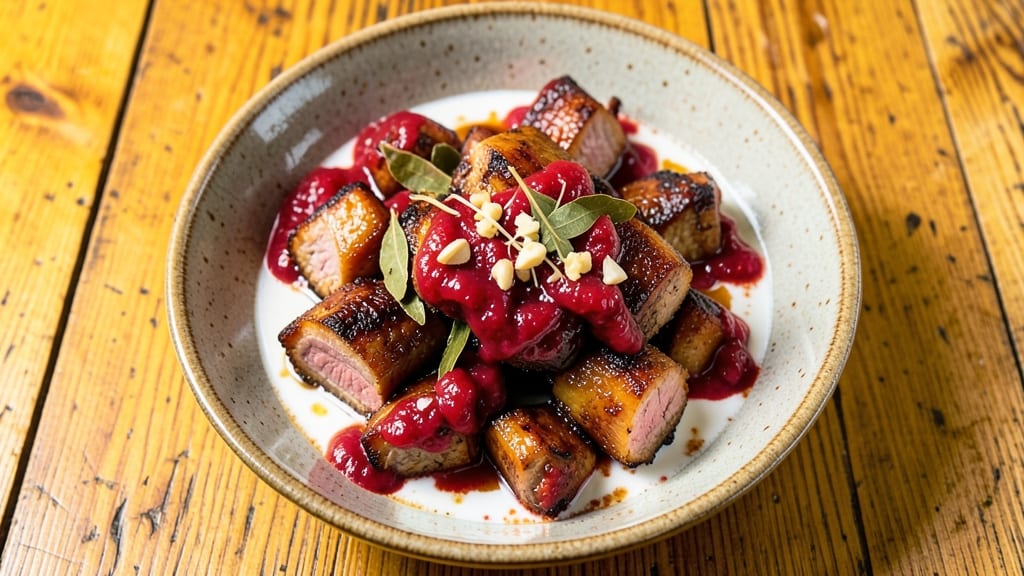
Chamorro pork adobo brings the bold flavors of Guam to your kitchen with its signature balance of tangy vinegar and sweet guava. This traditional dish transforms tough pork into melt-in-your-mouth tenderness through a slow braising process that infuses every bite with island-inspired depth. I first encountered this method while researching Pacific Rim cuisines, and it quickly became a staple in my restaurant's special occasions menu.
The secret lies in the marinade—a precise blend of vinegar, guava paste, and aromatic spices that tenderizes the meat while building complex flavors. Unlike other adobo recipes, Chamorro pork adobo incorporates local ingredients like guava and coconut milk, creating a sweet-tangy profile that's uniquely its own.
The dish requires patience, with pork simmering for hours until it's fork-tender and the sauce reduces to a glossy, flavorful finish.
What you'll achieve is restaurant-quality pork that's equally at home on a family dinner table or festive celebration. The meat falls apart with gentle pressure, coated in a sauce that's perfectly balanced between sharp vinegar notes and tropical guava sweetness.
This is comfort food with cultural roots, delivering the kind of satisfaction that comes from traditional techniques and quality ingredients.
Serve with steamed jasmine rice and pickled vegetables for the full Chamorro experience. The recipe scales beautifully for gatherings, and leftovers reheat wonderfully—making it perfect for meal prep or special occasions. Let's bring Guam's flavors to your kitchen with this authentic recipe.
Ingredients for chamorro pork adobo
Pantry staples meet tropical flavors in this island-inspired pork dish.
| Ingredient | Amount | Notes |
|---|---|---|
| Pork Shoulder 🥩 | 3 lb | Cut into 2-inch chunks, bone-in preferred |
| White Vinegar 💧 | 1 ½ cups | Distilled white vinegar preferred |
| Guava Paste 🍈 | ½ cup | Unsweetened, thick consistency |
| Coconut Milk 🥥 | 1 can | Full-fat, 13.5 oz can |
| Bay Leaves 🌿 | 4 whole | Dried, standard size |
| Fresh Ginger 🌶️ | 2 tbsp | Finely grated, peel included |
| Garlic Cloves 🧄 | 8 cloves | Peeled, lightly crushed |
| Ground Black Pepper 🌶️ | 1 tbsp | Freshly ground preferred |
| Salt 🧂 | 1 ½ tsp | Diamond Crystal preferred |
| Brown Sugar 🍯 | ¼ cup | Light or dark, packed |
| Olive Oil 🫒 | 2 tbsp | Extra-virgin for richness |
| Fresh Green Onions 🧅 | 4 whole | White and green parts separated |
| Jasmine Rice 🍚 | 2 cups | Uncooked, long-grain |
The pork shoulder is the star—look for well-marbled cuts at Whole Foods or your local butcher. Bone-in pieces stay juicier during the long braise. If you can't find pork shoulder, pork butt works just as well. For the guava paste, Filipino markets often carry the best quality, but any unsweetened version will do. Fresh ginger and garlic should smell vibrant, not musty. The coconut milk? Full-fat only—it adds richness that lighter versions can't match.
No guava paste? Mango or pineapple jam in a pinch (reduce sweetness by half). Running low on brown sugar? White sugar plus 1/4 tsp cinnamon mimics the depth. The white vinegar is non-negotiable—apple cider vinegar changes the flavor profile completely. For a quicker prep, pre-grate the ginger and garlic while you measure everything else. The green onions can be swapped for regular onions if you're out, but the white parts add a subtle sweetness that's worth keeping.
This dish tastes even better the next day as flavors meld. Store leftovers in the fridge for up to 5 days, or freeze portions for 3 months. I always double the batch—half for dinner, half for lunches. The sauce thickens as it cools, so add a splash of water when reheating. Serve with steamed jasmine rice to soak up every last bit of that guava-vinegar goodness.
Why You'll Love This Recipe
- One-Pot Magic: That’s right—just toss everything in one pot. Pork shoulder, vinegar, guava paste, and coconut milk? It all simmers together while you handle the rest of your day. No chopping, no fuss, no stress.
- Sweet-Sour Tang: Here’s what sold me—the guava paste isn’t just sweet; it’s bright, cutting through the richness of the pork like a citrusy hug. The vinegar keeps it sharp, but the coconut milk? Pure comfort. It’s the kind of flavor that makes you slow down mid-bite.
- Leftovers That Win: Between us, this dish begs for seconds—and thirds. The sauce thickens beautifully, so the next day, it’s even better. Pack it for lunch, reheat it for dinner, or freeze portions. It’s my go-to when I need to feed a crowd without slaving away.
- Budget Stretch: Pork shoulder is affordable, and a little goes a long way. The guava paste and coconut milk add depth without breaking the bank. Honestly, I’ve made this for under $10 a serving, and no one ever complains.
Step-by-step instructions for Chamorro pork adobo
Here's how to transform tough pork into melt-in-your-mouth tenderness with that signature Chamorro sweet-sour balance.
Prepare the Pork and Marinate Overnight
Cut the 3 lb pork shoulder into 2-inch chunks—bone-in if possible, as the marrow adds flavor. In a large bowl, combine the pork with 1.5 cups white vinegar, 0.5 cup guava paste, 2 tbsp grated fresh ginger, 8 crushed garlic cloves, 1 tbsp ground black pepper, and 1.5 tsp salt. The guava paste will give that signature sweetness while the vinegar tenderizes the meat.
Mix everything thoroughly with your hands, making sure each piece of pork absorbs the marinade. Cover the bowl and refrigerate for at least 8 hours (overnight is ideal). This long marinating time is crucial—it breaks down the tough fibers and infuses the meat with flavor. Don't skip it, even if you're eager to cook.
Sear the Pork and Build the Base
Heat 2 tbsp olive oil in a large Dutch oven over medium-high heat. Working in batches, remove the pork from the marinade (reserve the marinade) and sear until golden brown on all sides—about 3-4 minutes per side. This step develops deep flavor through the Maillard reaction, so don't rush it.
Once all pork is seared, return everything to the Dutch oven, including the reserved marinade. Add 4 whole bay leaves and bring to a gentle simmer. The mixture will bubble vigorously at first, but reduce to a low simmer—this prevents the vinegar from evaporating too quickly. Let it cook uncovered for 1 hour, stirring occasionally, until the pork is tender when pierced with a fork.
Add Coconut Milk and Brown Sugar
After the initial hour, stir in 1 can coconut milk and 0.25 cup brown sugar. The coconut milk adds richness while balancing the acidity, and the sugar caramelizes slightly, deepening the flavor profile. Return to a simmer and cook uncovered for another 45-60 minutes, until the sauce has thickened and the pork is fork-tender.
Here's the thing—you want the sauce to coat the back of a spoon but still be saucy enough to drizzle over rice. If it thickens too much, add 2-3 tablespoons of water to loosen it. Taste and adjust seasoning—you might need a pinch more salt or pepper, depending on your vinegar's strength.
Finish with Green Onions and Rest
Once the pork is tender and the sauce is perfect, remove the 4 whole bay leaves and stir in the white and green parts of the 4 fresh green onions, chopped. These add a fresh brightness that cuts through the richness. Let the adobo simmer for another 5 minutes to meld the flavors.
Transfer the pork and sauce to a serving dish, tent loosely with foil, and let it rest for 10-15 minutes. This resting period allows the juices to redistribute, ensuring each bite is moist and flavorful. Serve over steamed 2 cups jasmine rice, spooning the pork and sauce generously over the top.
Serve with Confidence
This dish is best served immediately while the pork is still warm and the sauce is at its peak flavor. The combination of tender pork, sweet guava, tangy vinegar, and creamy coconut milk makes every bite unforgettable. Save any leftovers—the flavors only deepen overnight, making it even better the next day.
Real talk: the first time I made this, I almost skipped the overnight marinade. Big mistake. The pork was tough. Don't make that mistake—trust the process, and you'll have restaurant-quality adobo at home.
Pro Tips For Making Chamorro Pork Adobo
- Brown the Pork First: Skip the slow start—sear your pork shoulder in a hot pan with a splash of vinegar until deep golden. This locks in flavor and prevents the meat from turning mushy later. (Yes, even if it means waiting 5 minutes for the pan to scream hot.)
- Mix Vinegar Gradually: Don’t dump all the white vinegar at once—add it in stages while cooking. Too much upfront makes the meat tough; letting it mellow in means the acid tenderizes without overpowering. I learned this after a batch that tasted like a science experiment gone wrong.
- Simmer, Don’t Boil: Keep the coconut milk and guava paste mixture at a gentle simmer, not a rolling boil. High heat burns the guava paste, turning it bitter, and scalds the coconut milk into a greasy mess. This isn’t a race—let it work its magic at 180°F (82°C).
- Toast the Bay Leaves: Dry-toast the bay leaves in the pan for 30 seconds before adding the pork. This releases their oils, deepening the earthy aroma in the adobo. (Sounds weird, but it works—trust me, your nose will thank you.)
Creative variations of this dish
Guam-Inspired Twist
For a more authentic Guam touch, swap the brown sugar for 1/4 cup coconut sugar—it has a caramel-like flavor that complements the guava beautifully. I also recommend adding 1/2 cup chopped fresh cilantro at the end for a bright, herbal note that locals often use.
This adjustment keeps the dish true to its island roots while adding a fresh dimension. 🌴
Slow Cooker Adaptation
Transform this into a hands-off meal by using a 6-quart slow cooker. After searing the pork, transfer everything (including marinade) to the slow cooker, then cook on low for 8 hours or high for 5 hours.
The slow cooking intensifies the flavors without requiring constant attention. Just stir in the coconut milk and brown sugar during the last 30 minutes of cooking. Perfect for busy weeknights! ⏰
Spicy Kick Option
Crank up the heat with 1 tbsp chopped fresh chili peppers or 1 tsp ground annatto (achuete) for a vibrant red color and mild heat. This variation is popular in Chamorro cuisine and adds a beautiful visual contrast to the dish.
I like to use Thai bird's eye chilies for a fiery punch, but adjust to your spice tolerance. 🌶️
Vegetable Variations
Add 1 cup sliced eggplant or 1 cup chopped kabocha squash during the final 30 minutes of cooking. These vegetables absorb the rich sauce beautifully, adding texture and depth. For a classic side, serve with steamed taro leaves—a staple in Chamorro cuisine that pairs wonderfully with the pork. 🥬
Coconut Milk Reduction
For a richer sauce, reduce the coconut milk by simmering it alone in a saucepan over medium heat for 10 minutes before adding it to the pork.
This concentrates the flavor and creates a thicker, more luxurious sauce. I often do this when making the dish for special occasions—it's worth the extra effort! 🥥
Make-Ahead Marinade
Prepare the marinade up to 3 days in advance and store it in an airtight container in the fridge. This gives the flavors even more time to meld, resulting in pork that's incredibly tender.
I've even made the marinade the day before and let it sit overnight—it's a game-changer for meal prep. Just add the pork the morning you plan to cook! ⏳
Nutrition facts
Frequently asked questions
Why does Chamorro pork adobo need an overnight marinade?
The 8-hour minimum marinade is key for two reasons: first, white vinegar breaks down the tough pork fibers through osmosis, creating melt-in-your-mouth tenderness. Second, the guava paste and spices penetrate deeply, building complex flavors that develop over time. Skipping this step results in chewy meat—trust the process!
Can I substitute guava paste if I can't find it?
Yes! Use ½ cup mango or pineapple jam (unsweetened) as a substitute, but reduce the brown sugar by half to balance sweetness. For a closer match, blend 1 cup fresh guava purée with 1 tbsp cornstarch to thicken. The tropical fruit flavor remains, though the texture will differ slightly.
How do I know when the pork is fully tender?
Pierce the largest piece with a fork or skewer—if it slides in easily with no resistance, the pork is done. For extra assurance, check the internal temperature: it should reach 203°F (the collagen will have melted into gelatin). The sauce should also coat the back of a spoon but remain pourable.
What's the best way to reheat leftovers?
Gently reheat in a skillet over low heat with 1-2 tablespoons of water or coconut milk to prevent drying. Avoid microwaving—it makes the sauce watery. Leftovers taste even better the next day as flavors meld further! Store in an airtight container for up to 5 days.
Can I make this in a slow cooker instead of a Dutch oven?
After searing, transfer everything to a 6-quart slow cooker and cook on low for 8 hours or high for 5 hours. Add the coconut milk and brown sugar only during the last 30 minutes to prevent curdling. The slow cooker method is perfect for hands-off prep while intensifying flavors.