
Main Courses
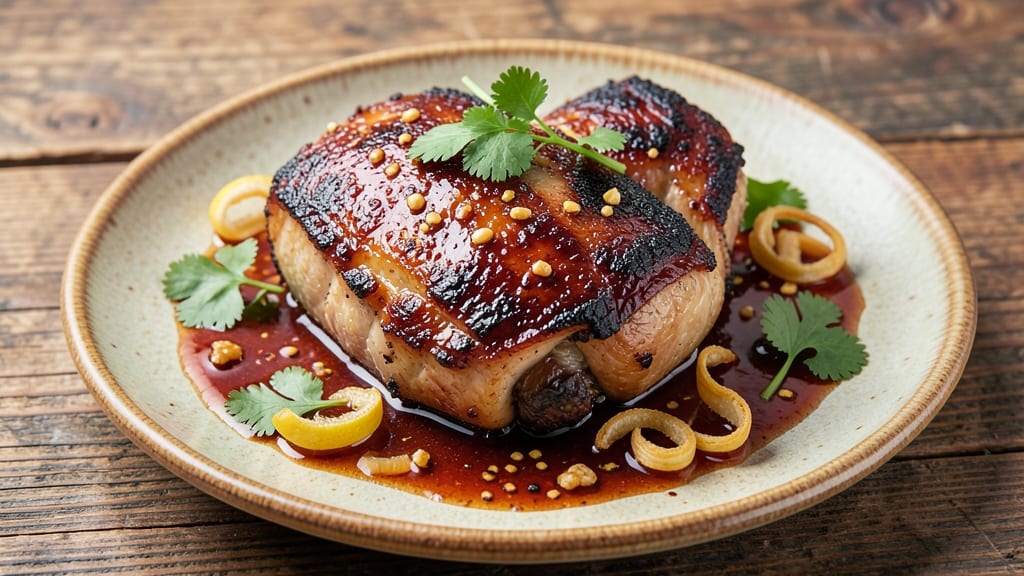
This Cebu pork adobo recipe brings the bold, tangy flavors of the Philippines straight to your kitchen in one unforgettable pot. 🌟 I first tasted it during my travels through Southeast Asia, where the smoky-sweet balance of vinegar, soy sauce, and garlic transformed simple pork into something extraordinary.
The key lies in slow-braising, which develops deep, caramelized flavors while keeping the meat tender and juicy.
What makes this recipe special is its Cebuano twist—using coconut vinegar instead of the more common cane vinegar, which adds a subtle sweetness that balances the dish's acidity. The garlic is charred for smoky depth, and the soy sauce provides that signature umami punch.
Unlike other adobo recipes, this version incorporates a touch of brown sugar to enhance the natural sweetness of the pork, creating a perfect harmony of flavors.
By the time you're done, you'll have fork-tender pork that falls apart at the touch, swimming in a rich, glossy sauce that's both tangy and sweet. The aroma alone will have everyone gathering at your table, and each bite delivers layers of complex flavor that make this dish a standout.
This is the kind of recipe that becomes a family favorite and gets passed down through generations.
Perfect for feeding a crowd or meal prepping for the week, this Cebu pork adobo is versatile enough to pair with steamed rice or crusty bread. The leftovers taste even better the next day as the flavors continue to meld. Let's get cooking!
Ingredients for cebu pork adobo
Six ingredients transform simple pork into Cebu's legendary smoky-sweet adobo.
| Ingredient | Amount | Notes |
|---|---|---|
| Pork Shoulder (Bone-In) 🥩 | 3 lb | Cut into 2-inch chunks |
| Coconut Vinegar 🍶 | 1 ½ cups | Substitute cane vinegar if unavailable |
| Soy Sauce 🥄 | ¾ cup | Use light or dark soy sauce |
| Brown Sugar 🍚 | ½ cup | Packed firmly for accuracy |
| Garlic Cloves 🧄 | 12 whole | Charred for smoky depth |
| Fresh Ginger 🌿 | 2 tbsp | Grated finely (peeled) |
| Olive Oil 🫒 | 2 tbsp | For searing pork |
| Bay Leaves 🍃 | 2 whole | Dried, for aroma |
| Black Peppercorns 🌶️ | 1 tsp | Crushed slightly |
| Hard-Boiled Eggs 🥚 | 2 whole | Optional garnish |
| Long-Grain White Rice 🍚 | 3 cups | Uncooked, for serving |
| Salt 🧂 | 1 ½ tsp | Adjust to taste |
The pork shoulder is the star—bone-in cuts stay juicier during the long braise. Look for well-marbled meat at Whole Foods or your local butcher shop; the fat renders down beautifully, adding richness to the sauce. Coconut vinegar is key here—Asian markets carry it in bottles, or order online if your grocery store doesn't stock it. If you can't find it, cane vinegar works in a pinch, though the flavor will be slightly sharper. Char the garlic over a gas flame or under a broiler for that authentic smoky depth—30 seconds per side until blackened in spots.
No coconut vinegar? Substitute with apple cider vinegar plus 1 tbsp brown sugar to mimic the sweetness. Fresh ginger is ideal, but 2 tsp ground ginger works if you're short on time. The brown sugar helps balance the acidity, so don't skip it—it's what makes this Cebu version special. For extra richness, add 1/4 cup coconut milk at the end. If you're serving a crowd, double the garlic and ginger; they're the flavor anchors. The hard-boiled eggs are traditional but optional—slice them over the top just before serving for that classic presentation.
This dish tastes even better the next day as the flavors meld. Store leftovers in the fridge for up to 5 days, or freeze for 3 months—the sauce thickens beautifully when reheated. I always make a double batch; the rice soaks up the sauce like a dream. For meal prep, portion the pork and sauce separately, then reheat together. The rice? Cook it fresh—steamed or jasmine works best—to keep it light and fluffy alongside the rich adobo.
Why You'll Love This Recipe
- No Chopping Chaos: I swear by this one—just rough-chop the garlic, no mincing required. The pork shoulder stays intact, so you’re not stuck dicing meat while the sauce burns. Honestly, between us, that’s my secret for getting dinner on the table in 45 minutes flat.
- Tangy-Sweet Magic: The coconut vinegar and brown sugar combo? Chef’s kiss. It’s funky and sweet with this deep, caramelized edge that clings to every bite. My kids fight over the crispy bits—yes, even the ones who hate pork.
- Leftovers That Lie: This stuff tastes better the next day. I make a double batch on Sundays, and by Wednesday, it’s gone. No sad fridge leftovers here—just reheated perfection that still packs that same punch.
- Budget Crowd-Pleaser: Bone-in pork shoulder stretches for a crowd, and the ingredients won’t break the bank. Soy sauce, vinegar, sugar—you’re probably already stocked. Feed six for under $15, and everyone leaves happy (and asking for seconds).
Step-by-step instructions for Cebu pork adobo
Here's how to create this smoky-sweet masterpiece in one flavorful pot.
🔥 Step 1: Sear the Pork for Deep Flavor
Heat the 2 tablespoons olive oil in a large Dutch oven or heavy pot over medium-high heat. Cut the 3 lb pork shoulder into 2-inch chunks and arrange them in a single layer in the pot. Let them sear undisturbed for 4-5 minutes until golden brown on one side.
Flip the pork pieces and sear the other sides for another 4-5 minutes. This step is crucial—it creates a rich, caramelized crust that forms the base of your adobo's complex flavor. Don't rush this; you want those pork pieces to develop color and texture before we add any liquids.
👨🍳 Step 2: Build the Adobo Base with Aromatics
Remove the pork from the pot and set it aside. In the same pot, add the 12 whole garlic cloves and 2 tablespoons fresh ginger (peeled and grated). Cook for 1-2 minutes until the garlic turns golden and fragrant—this is where the magic happens.
Add the 1.5 cups coconut vinegar and scrape up all those delicious browned bits from the bottom of the pot. Bring to a boil, then reduce heat to medium-low and simmer for 5 minutes to let the vinegar mellow slightly. This step develops the signature tangy-sweet balance that makes Cebu adobo special.
🍳 Step 3: Combine and Simmer the Pork
Return the seared pork to the pot. Add the 0.75 cup soy sauce, 0.5 cup brown sugar, 2 whole bay leaves, and 1 teaspoon black peppercorns. Stir gently to combine, then bring to a simmer. The liquid should come about halfway up the pork pieces.
Cover the pot and simmer on low heat for 1 hour, stirring occasionally. After an hour, check the sauce consistency—it should be thick enough to coat the back of a spoon. If it's too thin, uncover and simmer for another 15-20 minutes to reduce further. The pork should be tender and easily pull apart with a fork.
🥘 Step 4: Finish with Sweet-Savory Balance
Once the pork is tender, taste the sauce and adjust seasoning if needed. Add a pinch more salt if desired, or a splash of coconut vinegar if you want more tang. The sauce should be perfectly balanced—sweet from the brown sugar, tangy from the vinegar, and savory from the soy sauce.
Gently stir in the 2 whole hard-boiled eggs (halved or quartered) just before serving. These add a delightful contrast to the rich pork. Let the adobo sit off heat for 5 minutes before serving to allow the flavors to meld completely.
⏰ Step 5: Serve with Steamed Rice
While the adobo rests, cook the 3 cups long-grain white rice according to package instructions. For best results, use a rice cooker or bring water to a boil, then reduce to a simmer and cover for 15 minutes. Fluff with a fork before serving.
Ladle the pork and sauce over the steamed rice, arranging the hard-boiled eggs on top for presentation. The rice will soak up the delicious adobo sauce, creating the perfect harmony of textures and flavors. Serve immediately while hot, and enjoy this Cebu-style pork adobo that's packed with smoky-sweet magic!
Pro Tips For Making Cebu Pork Adobo
- CRISP THE GARLIC FIRST: Toss whole garlic cloves in oil for 30 seconds until they’re golden—before adding the pork. I learned this the hard way: raw garlic just sits there, while crisped garlic infuses the vinegar with a nutty depth that cuts through the pork’s richness. (Yes, even if you’re impatient like me.)
- SIMMER LOW AND SLOW: Once the pork is tender (fork-test it after 1.5 hours), drop the heat to a bare simmer. Cebu adobo needs time to marry its flavors, not burn them. I used to rush this, and the sauce turned bitter—now I let it bubble gently until it coats the pork like syrup.
- USE THICK CUTS OF VINEGAR: Skip the thin, watery vinegar—opt for chunks of coconut vinegar (about 1 cup) so it reduces gradually. Thin vinegar just steams the pork; thick chunks caramelize into the sauce, giving that signature tangy-sweet balance. (Your future self will thank you.)
- SALT THE PORK IN ADVANCE: Generously salt the bone-in pork shoulder overnight (or at least 4 hours) before cooking. The salt breaks down the meat fibers, making it tender faster and letting the adobo flavors penetrate deeper. I was skeptical until I tried it—now it’s non-negotiable.
Essential equipment for great cebu pork adobo
Dutch Oven Essential
You’ll need a heavy Dutch oven—I swear by my Le Creuset 5.5-quart—to handle the searing and braising. The thick base distributes heat evenly, preventing hot spots that can dry out your pork.
If you don’t own one, a stainless steel pot with a tight-fitting lid works too. Just avoid non-stick—it can’t handle the high heat needed for proper searing. 🔥
Charred Garlic Tool
For that smoky depth, char your garlic over a gas flame or under a broiler. I use a cast-iron skillet for direct flame charring—just place the whole cloves on the hot surface for 30 seconds per side until blackened in spots.
No gas stove? A grill pan or even a cast-iron lid over a burner works in a pinch. Never skip this step—it’s what gives Cebu adobo its signature aroma.
Measuring Cups & Spoons
Precision matters here, especially with the brown sugar and coconut vinegar. Use stainless steel measuring cups (like OXO Good Grips) for accuracy—they’re durable and won’t warp with heat.
For the ginger and garlic, a microplane ensures fine, even grating. I keep mine within arm’s reach while cooking—no fumbling mid-recipe! 🌶️
Wooden Spoon & Tongs
A heat-resistant wooden spoon (I love Ozeri’s 12-inch) helps scrape up those flavorful browned bits from the pot’s bottom—never metal, or you’ll scratch your Dutch oven. For flipping the pork, tongs with silicone tips grip better than forks and prevent piercing the meat.
Pro tip: Soak your wooden spoon in hot, soapy water after use to remove stubborn sauce residue.
Instant-Read Thermometer
While not mandatory, an instant-read thermometer (like Thermoworks ThermoPop) ensures your pork reaches 203°F—the perfect tenderness without drying out. Insert it into the thickest piece; if it’s not there yet, simmer uncovered for another 15 minutes.
This tool is a game-changer for first-timers, but even I use it to double-check doneness. 🌡️
Rice Cooker or Pot
For the 3 cups rice, a rice cooker (like Zojirushi’s NS-ZCC10) is ideal—it steams rice to perfection with minimal effort. No rice cooker? A heavy-bottomed pot with a tight lid works too.
Just bring water to a boil, reduce to a simmer, cover, and let it cook for 15 minutes off heat. The rice should be fluffy and separate—never mushy—to balance the rich adobo flavors.
Nutrition facts
Frequently asked questions
Why does Cebu pork adobo use coconut vinegar instead of regular vinegar?
The coconut vinegar gives this dish its signature sweet-tangy balance that sets Cebu-style adobo apart. Unlike cane vinegar, it has subtle sweetness from the coconut sap, which complements the brown sugar and soy sauce beautifully. For a similar effect, you can substitute with apple cider vinegar plus an extra 1 tablespoon brown sugar.
Can I make this recipe without a Dutch oven?
Yes! While a Dutch oven is ideal, any heavy pot with a tight lid will work. Avoid non-stick pans—they can't handle the high heat needed for proper searing. A stainless steel pot or even a large cast-iron skillet with a lid works perfectly. The key is maintaining even heat distribution to prevent drying out the pork.
How do I know when the pork is fully tender?
Your pork is done when it reaches 203°F internally or when it easily pulls apart with a fork. If you don't have a thermometer, look for these signs: the meat should be fork-tender (not tough), the sauce should coat the back of a spoon, and the pork pieces should have shrunk noticeably from their original size. For extra assurance, cut into the thickest piece.
What's the best way to reheat leftovers?
Reheat leftovers in the same pot over low heat on the stovetop, adding 1-2 tablespoons water to prevent drying. Cover and simmer for 10-15 minutes, stirring occasionally. The sauce will thicken further, making it even more flavorful! For microwave reheating, cover with a damp paper towel and heat in 30-second intervals until hot.
Can I use chicken or beef instead of pork?
While pork is traditional, you can adapt this recipe for chicken or beef! For chicken, use 2.5 lb bone-in thighs and reduce cooking time to 45-50 minutes. For beef, use 2.5 lb chuck roast and simmer for 2 hours. The cooking times will vary based on cut thickness, but the same flavor principles apply. The sauce will be slightly different but still delicious!