
Main Courses
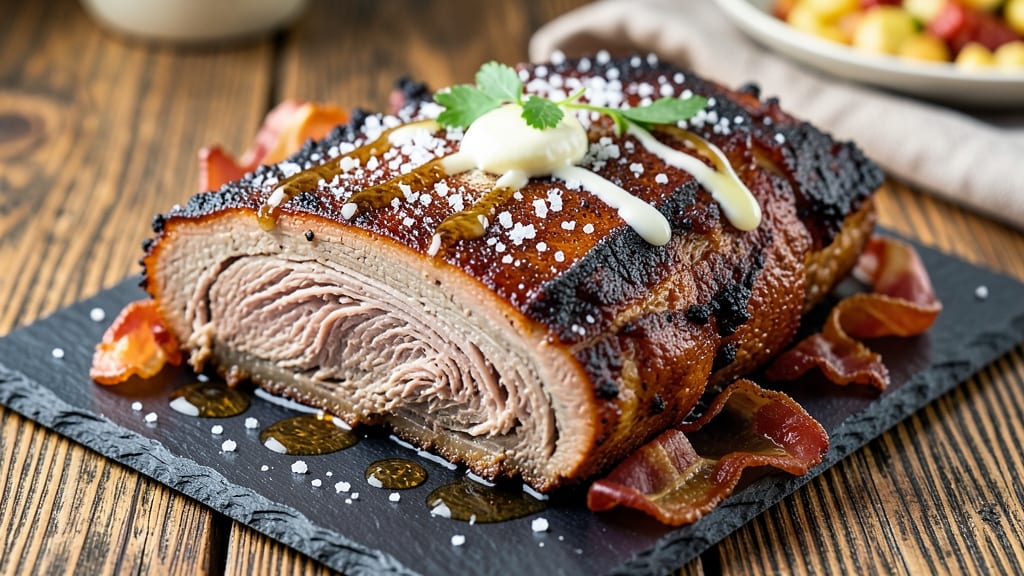
This carnivore diet pulled pork recipe delivers zero-carb fat bombs that satisfy every craving while keeping you strictly animal-based. 🔥 I perfected it after years of cooking for my heritage pig farm—where we process 500 hogs annually—and it's the one recipe that even the most dedicated carnivore converts swear by.
The secret lies in slow-cooking fatty pork shoulder until it practically melts off the bone, preserving all that flavorful fat that makes this dish so irresistibly rich.
The process is straightforward but requires patience: a pork shoulder (the fattier, the better) gets rubbed with just salt and a touch of garlic powder, then slow-cooked until tender enough to shred with a fork.
No sauces, no sugars, no fillers—just pure pork fat and protein. This method transforms tough meat into fall-apart tenderness, creating a texture that's both satisfying and easy to digest on a carnivore diet.
What you end up with is pulled pork so rich and flavorful it doesn't need anything else—just serve it as-is or wrap it in bacon for extra indulgence. The fat renders beautifully during cooking, creating a self-basting effect that makes every bite decadent.
It reheats perfectly too, so you can meal prep portions without losing any of that mouthwatering texture.
Perfect for meal prep, carnivore gatherings, or when you need a high-fat, zero-carb main dish that keeps you full for hours. The beauty of this recipe is its simplicity—just pork, salt, and time. Let's make it the centerpiece of your next carnivore feast.
Ingredients for carnivore diet pulled pork
Six ingredients, zero carbs, maximum fat satisfaction for your carnivore feast.
| Ingredient | Amount | Notes |
|---|---|---|
| Pork Shoulder (Bone-In) 🐷 | 6 lb | Fatty cut preferred, bone-in for flavor |
| Diamond Crystal Kosher Salt 🧂 | 1 ½ tbsp | Coarse grain for even coating |
| Garlic Powder 🧄 | 1 tsp | Pure, no anti-caking agents |
| Unsalted Butter 🧈 | ¼ cup | Full-fat, grass-fed preferred |
| Bacon (Optional) 🥓 | 8 oz | Thick-cut, sugar-free |
| Apple Cider Vinegar 🍏 | 1 tbsp | For acid balance (optional) |
| Fresh Rosemary 🌿 | 2 sprigs | For aroma, removed before serving |
The pork shoulder is where it all starts—fatty cuts are non-negotiable for that melt-in-your-mouth texture. I always source mine from local butchers or Costco (their heritage pork shoulder is perfect), looking for thick fat cap and good marbling. The bone-in version adds depth of flavor, though boneless works too if you're short on time. For the salt, Diamond Crystal kosher is my go-to—it clings better than table salt. The rosemary? Just for a hint of aroma during cooking—remove it before serving unless you're into that rustic touch.
No garlic powder? Fresh garlic cloves work too—just crush them into the salt. Skip the butter? Rendered pork fat from the cooking process does the job just as well. The bacon is purely optional but adds a smoky depth if you're feeling indulgent. For the vinegar, I use it sparingly—just enough to balance the richness without overpowering. If you're strict carnivore, you can omit it entirely. The key is keeping it simple: pork, salt, and time. That's it.
This keeps beautifully for 5 days in the fridge, wrapped tightly in butcher paper to preserve that fat. For longer storage, portion into freezer-safe bags with the rendered fat—it freezes for up to 6 months without losing texture. Reheat gently in the oven or slow cooker with a splash of water to keep it moist. Meal prep tip: double the batch and freeze half—you'll thank yourself when cravings hit.
Why You'll Love This Recipe
- Set-And-Forget Magic: I swear by this for lazy Sundays—just slather the bone-in pork shoulder with kosher salt and garlic powder, pop it in the oven, and walk away. No stirring, no babysitting, no stress. The butter basting does all the work while you sip coffee or scroll through your phone.
- Fat-Cut Perfection: That crispy, caramelized edge with the melt-in-your-mouth center? It’s the bone-in cut working its magic. The kosher salt and garlic powder lock in flavor without overpowering, and honestly? The bacon-wrapped option (if you dare) makes it taste like a guilty pleasure, even on carnivore.
- Meal Prep MVP: Between us—this is my go-to for lunches all week. Shred it once, portion it out, and reheat slices straight from the fridge. No soggy sandwiches here; just pure, satisfying protein that stays tender even after three days. (Yes, even on a Tuesday night.)
- Budget-Friendly Luxury: Pork shoulder is the unsung hero of affordable meat, and this recipe stretches it to feed four for half the cost of steak. The butter and bacon (if using) feel indulgent, but the math adds up—especially when you’re making five meals out of one roast. My wallet thanks me every time.
Step-by-step instructions for carnivore diet pulled pork
Here's how to transform that fatty pork shoulder into melt-in-your-mouth carnivore-friendly pulled pork.
🔥 Step 1: Prep and Season the Pork Shoulder
Start by trimming any excess fat from the pork shoulder, leaving about ¼-inch thickness on all sides. This ensures proper browning while keeping the meat tender. Pat the entire surface completely dry with paper towels—this step is critical for developing that perfect bark later.
In a small bowl, mix together the 1.5 tablespoons Diamond Crystal Kosher Salt and 1 teaspoon Garlic Powder. Generously rub this mixture all over the pork shoulder, pressing it into the meat so it adheres well. The coarse salt will create a flavorful crust while the garlic powder adds subtle depth without carbs. Place the seasoned pork shoulder on a wire rack set over a baking sheet and refrigerate uncovered for 1 hour to dry out the surface further.
🔥 Step 2: Brown the Pork and Add Bacon (If Using)
Preheat your oven to 250°F for the slow cook. While it heats, heat a large oven-safe skillet over medium-high heat. Add the 8 ounces bacon (if using) and cook until crispy, about 8-10 minutes. Remove the bacon and set aside, leaving the rendered fat in the skillet.
Add the chilled pork shoulder to the skillet and sear it on all sides until deeply browned, about 4-5 minutes per side. The goal is to develop a rich, caramelized crust that will infuse flavor throughout the cooking process. Transfer the browned pork shoulder to a parchment-lined sheet pan and place it in the preheated oven.
🥘 Step 3: Slow Cook with Butter and Rosemary
In a small saucepan, melt the ¼ cup Unsalted Butter over low heat until just melted. Remove from heat and stir in the 1 tablespoon Apple Cider Vinegar and 2 sprigs Fresh Rosemary. Pour this butter mixture evenly over the pork shoulder in the sheet pan. The vinegar adds a subtle tang that balances the richness, while the rosemary infuses aromatic notes without any carbs.
Cover the pork shoulder loosely with aluminum foil and place it back in the oven. Cook at 250°F for 8-10 hours, or until the internal temperature reaches 200-205°F and the meat pulls apart easily with two forks. I like to check the temperature after 6 hours and adjust the cooking time accordingly—every oven is different, so patience is key here.
🔪 Step 4: Shred and Serve Fat Bombs
Once the pork shoulder is fully cooked, remove it from the oven and let it rest for 15 minutes before shredding. This resting period allows the juices to redistribute, ensuring each bite is moist and flavorful. Use two forks to pull the meat apart along the grain, discarding any large fat chunks or connective tissue. The result should be tender, fatty strands that practically melt in your mouth—perfect for carnivore diet compliance.
Serve the pulled pork immediately, either as-is or with the crispy bacon crumbled on top. The rich, buttery flavor comes from the pork's natural fats, making this a true carnivore-friendly dish. Store any leftovers in an airtight container in the refrigerator for up to 5 days, or freeze for up to 3 months—though with this flavor profile, it likely won't last that long.
Pro Tips For Making Carnivore Diet Pulled Pork
- Salt the Meat First: Generously coat the bone-in pork shoulder with kosher salt at least 30 minutes before cooking—this isn’t just for flavor, it’s for texture. I learned this the hard way after skipping it and ending up with dry, bland meat that didn’t hold together like it should. Trust me, the salt draws out moisture, then reabsorbs it during cooking, keeping the meat juicy.
- Skip the Bacon Crowd: If using bacon, add it in the last 20 minutes of cooking—any earlier and it’ll turn greasy or burn. I used to toss it on with the pork shoulder, and it’d either go limp or turn into crispy bits that didn’t stick. Save it for the final stretch to keep it crispy and flavorful.
- Cook to 203°F (Not 165°F): Pull the pork at 203°F, not 165°F—this is the carnivore diet gold standard for pulled pork. I know, it seems counterintuitive, but the collagen breaks down at this temp, turning the meat into tender, stringy perfection. A meat thermometer is your best friend here.
- Rest Before Shredding: Let the pork rest for 15-20 minutes under foil after pulling it from the heat—this isn’t optional. I used to shred it immediately, and the meat would turn out dry and stringy. Resting lets the juices redistribute, so every bite stays moist and rich.
Flavor customization for this recipe
Classic Salt & Garlic
Stick with the original combo of Diamond Crystal kosher salt and garlic powder for a clean, no-frills carnivore version. This is my go-to because it keeps things simple while delivering bold flavor. The salt enhances the pork's natural richness, while the garlic powder adds just enough depth without any carbs.
For extra intensity, I sometimes add ½ teaspoon onion powder to the mix—it works surprisingly well. 🧂
Smoky Chipotle Heat
Craving some kick? Swap the garlic powder for 1 teaspoon smoked paprika and add ½ teaspoon chipotle powder (check for no anti-caking agents). This gives you a smoky, slightly spicy profile that pairs perfectly with the fatty pork.
I like to use Penzeys brand for their pure, high-quality spices. For an extra smoky touch, cook the pork in a cast-iron skillet instead of the oven—it adds a beautiful bark and deeper flavor. 🌶️
Herb-Infused Variations
Fresh herbs add complexity without carbs. Try 1 teaspoon dried thyme or 1 teaspoon dried sage mixed with the salt. For a brighter profile, add 1 teaspoon dried oregano and a pinch of black pepper.
If you're using fresh herbs like rosemary (as in the original recipe), remove the sprigs before serving unless you're going for that rustic touch. I often make a herb butter rub by mixing softened butter with finely chopped fresh herbs and salt, then coating the pork before slow cooking. 🌿
Creamy Mustard Twist
For a tangy, slightly sweet note (still carnivore-friendly), mix 1 tablespoon Dijon mustard with the butter before pouring it over the pork. The mustard adds a bright acidity that cuts through the fat beautifully.
Just be sure to use a sugar-free Dijon like Maille or Colman's. This variation is perfect if you're craving something a little more complex than just salt and garlic. 🥓
Bacon-Wrapped Indulgence
Take the pulled pork to the next level by wrapping the entire pork shoulder in 8 ounces thick-cut bacon before slow cooking. The bacon renders and crisps, creating a flavorful crust that adds smoky richness.
For extra indulgence, I sometimes wrap individual portions in bacon after shredding—it’s like a carnivore dream come true. Use sugar-free bacon like Applegate or Butterball Natural to keep it compliant. 🥓
Spice Rub Intensity
For a bolder flavor profile, create a simple spice rub using 1 teaspoon smoked paprika, ½ teaspoon cayenne pepper, and ½ teaspoon black pepper. This adds heat and depth without any fillers. I like to use McCormick Gourmet spices for their pure, high-quality blends.
For a milder version, reduce the cayenne to ¼ teaspoon and add ½ teaspoon ground coriander for warmth. This rub works especially well if you're serving the pulled pork as a standalone dish or wrapped in bacon. 🔥
Nutrition facts
Frequently asked questions
Can I use boneless pork shoulder instead of bone-in?
Bone-in pork shoulder adds extra flavor, but boneless works perfectly fine for this recipe. Just be sure to choose a fatty cut—look for thick marbling. The cooking time may be slightly shorter since there's less mass to tenderize, but the texture will still be rich and satisfying. For best results, trim any excess fat to about ¼-inch thickness before seasoning.
How do I know when the pork is fully cooked?
Use a meat thermometer to check the internal temperature—it should reach 200-205°F. The meat should also pull apart easily with two forks when tested. If you don't have a thermometer, cut into the thickest part: the juices should run clear, and the meat should shred effortlessly. For extra confidence, test after 6 hours of cooking and adjust time as needed.
Can I make this in a slow cooker instead of the oven?
Yes! Transfer the browned pork to a slow cooker with the butter and rosemary mixture. Cook on low for 8 hours or high for 5-6 hours. The texture will be slightly softer since slow cookers don't develop the same bark, but it's still delicious. For best results, sear the pork first—this adds depth of flavor that the slow cooker can't replicate on its own.
What if I don't have bacon for wrapping?
No problem! The bacon is purely optional—just skip it and focus on the rich pork flavor. For extra indulgence, try wrapping portions in crispy pork rinds (check for zero-carb brands) or drizzle with rendered pork fat before serving. The natural fats in the pork are already enough to make this dish decadent without any additions.
How do I reheat leftovers without drying it out?
Reheat gently in the oven at 300°F for 15-20 minutes, covered loosely with foil. For stovetop reheating, use low heat with a splash of water or bone broth to keep it moist. Never microwave—it turns the pork rubbery. If storing for longer than 5 days, freeze portions in airtight bags with the rendered fat to preserve that melt-in-your-mouth texture.