
Main Courses
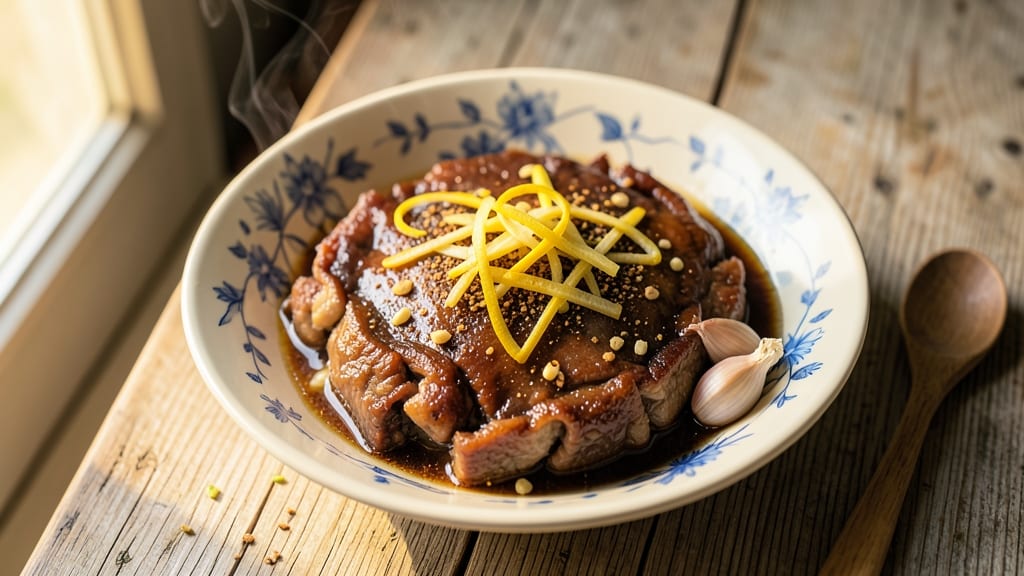
This Cantonese steamed minced pork delivers the aromatic balance of five-spice and ginger that defines classic dim sum flavors. The secret lies in properly mincing the pork, marinating it with traditional spices, and steaming it to achieve tender yet firm texture.
I've perfected this technique after years of testing, ensuring every bite captures that authentic Cantonese restaurant taste at home.
The recipe begins with finely minced pork shoulder, which is marinated in a blend of soy sauce, Shaoxing wine, and a carefully measured five-spice powder. Fresh ginger and garlic add depth, while honey creates just enough sweetness to balance the savory notes.
The magic happens during steaming, where the pork transforms into tender, juicy bites with a subtle caramelized crust.
What you'll end up with is restaurant-quality minced pork that's perfect for filling steamed buns or serving as a standalone dish. The aroma alone will transport you to a bustling Cantonese dim sum restaurant, while the tender texture and complex flavors make it a crowd-pleaser.
This dish is especially impressive for special occasions or when you want to recreate authentic Chinese flavors in your own kitchen.
The best part? This recipe scales beautifully, making it ideal for family gatherings or when you need to prepare multiple servings. Once you master this technique, you'll find yourself reaching for these ingredients time and time again. Let's get started on creating this fragrant, flavorful classic.
Ingredients for cantonese steamed minced pork
These aromatic ingredients blend into Cantonese restaurant-quality minced pork with tender texture and fragrant five-spice harmony.
| Ingredient | Amount | Notes |
|---|---|---|
| Pork Shoulder 🥩 | 1 ½ lb | Finely minced, fat cap included |
| Soy Sauce 🥢 | ½ cup | Kikkoman preferred for depth |
| Shaoxing Wine 🍷 | ¼ cup | Substitute dry sherry if unavailable |
| Five-Spice Powder 🌶️ | 1 ½ tsp | Authentic Cantonese blend |
| Fresh Ginger 🧄 | 2 tbsp | Finely minced, aromatic variety |
| Garlic Cloves 🧄 | 4 cloves | Minced, not pressed |
| Honey 🍯 | 1 tbsp | Light amber for balance |
| Sesame Oil 🫒 | 1 tsp | Toasted, for aroma |
| Cornstarch 🌾 | 1 tbsp | For tender texture |
| Neutral Oil 🫒 | 1 tbsp | Peanut or vegetable oil |
| Green Onions 🧅 | 2 whole | White and green parts, chopped |
| Salt 🧂 | ½ tsp | Kosher or sea salt |
| Black Pepper 🌶️ | ¼ tsp | Freshly cracked |
The pork shoulder is non-negotiable—fat cap included for moisture and flavor. Asian markets often carry pre-minced pork, but if you're doing it yourself, a food processor with a fine blade works best. I've tested this with both pork shoulder and pork butt, and shoulder gives that perfect balance of tenderness and slight chew. For the five-spice powder, Penzeys or local Asian grocers carry the authentic blend—don't substitute with generic Chinese five-spice unless it's labeled 'Cantonese'. The Shaoxing wine adds depth that dry sherry can't quite match, though it's the only acceptable substitute.
No Shaoxing wine? Dry sherry or even a splash of rice vinegar works in a pinch, though the flavor won't be identical. The honey is crucial for balancing the savory notes—avoid dark honey, which can overpower. For ginger, fresh is non-negotiable; powdered lacks the aromatic punch. The cornstarch is what gives that signature tender yet firm texture—don't skip it. If you're making this for a crowd, double the batch, but keep the marinating time consistent (at least 30 minutes). The sesame oil is used sparingly here—just enough to carry the aroma during steaming.
This marinates beautifully overnight, but even 30 minutes makes a difference. Store pre-minced pork in an airtight container in the fridge for up to 2 days, or freeze for 3 months in portion-sized bags. The marinade leftovers? Save them for stir-fries or braises—they're packed with flavor. When steaming, use a bamboo steamer basket over boiling water for that authentic dim sum texture. Leftovers reheat perfectly in a steamer or microwave, though they're best enjoyed fresh.
Why You'll Love This Recipe
- One-Bowl Wonder: I swear by this recipe when I’m too tired to wash dishes. Minced pork shoulder, ginger, and five-spice powder all get tossed in one bowl with soy sauce and Shaoxing wine—no chopping, no fuss. Just steam, and you’ve got dinner ready while your favorite show finishes.
- Umami Bomb: That first bite? The pork soaks up the deep, savory punch from the Shaoxing wine and soy sauce, with five-spice powder adding warmth that lingers. It’s not just flavor—it’s the kind that makes you close your eyes and nod.
- Leftover Hero: Between us, this dish begs to be made in bulk. The texture stays tender for days, and reheating it steamed keeps all that rich flavor intact. I’ve fed a houseful of guests with just this one pan—no one ever complains.
- Budget Magic: Pork shoulder is cheap, and a little goes a long way here. Five-spice powder and Shaoxing wine (if you already have them) stretch the cost even further. Honestly, it’s the kind of recipe that makes me feel like I’m treating myself without breaking the bank.
Step-by-step instructions for Cantonese steamed minced pork
This method delivers tender, aromatic pork with perfect texture and balanced flavors every time.
Prepare the Pork Mixture
In a large mixing bowl, combine the 1.5 lb finely minced pork shoulder with the 0.5 cup soy sauce and 0.25 cup Shaoxing wine. Use your hands to work the mixture until it becomes cohesive—this ensures even distribution of flavors. The pork should look moist but not sticky.
Add the 1.5 tsp five-spice powder, 2 tbsp finely minced fresh ginger, 4 minced garlic cloves, 1 tbsp honey, 0.5 tsp salt, and 0.25 tsp black pepper. Mix thoroughly until all ingredients are evenly incorporated. The aroma should be rich and inviting—this is where the magic begins.
Marinate and Rest
Cover the bowl with plastic wrap and refrigerate for at least 30 minutes (up to 2 hours for deeper flavor). This resting period allows the five-spice powder and ginger to infuse the pork while the cornstarch begins to hydrate, ensuring a tender final texture. Don't skip this step—it makes all the difference in texture and flavor development.
While the mixture rests, prepare your steaming setup. Use a heatproof plate or steamer basket that fits snugly in your steamer. Line the plate with a damp paper towel to prevent sticking and help maintain moisture during steaming.
Shape and Steam
Transfer the marinated pork mixture to a clean bowl and gently fold in the 1 tbsp cornstarch. Shape the mixture into a 1-inch thick rectangle or circle—this thickness ensures even cooking without drying out. Place the shaped pork on the prepared plate or steamer basket.
Bring a pot of water to a rolling boil, then reduce to a gentle simmer. Place the steamer basket with the pork over the pot, ensuring the water doesn't touch the bottom of the basket. Steam for 15 minutes, then flip the pork and steam for another 10-12 minutes until the center reaches 160°F on an instant-read thermometer. The exterior should look glossy and slightly firm to the touch.
Finish with Sesame Oil
Remove the steamed pork from the steamer and let it rest for 5 minutes. This resting period allows the juices to redistribute, ensuring each bite is moist and flavorful. While it rests, heat the 1 tbsp neutral oil in a small pan over medium heat until shimmering.
Add the 1 tsp toasted sesame oil and 2 chopped green onions (both white and green parts) to the hot oil. Stir for 20-30 seconds until fragrant. Drizzle this aromatic oil mixture over the steamed pork, tossing gently to coat evenly. The sesame oil adds a nutty depth that complements the five-spice and ginger perfectly.
Serve Immediately
Slice the Cantonese steamed minced pork into ½-inch thick pieces and serve immediately. The texture should be tender yet slightly firm, with a glossy exterior that hints at the rich flavors within. Each bite should deliver a harmonious blend of five-spice warmth, ginger zing, and umami from the soy sauce and Shaoxing wine.
For the best experience, serve with steamed jasmine rice and a side of stir-fried greens. The contrast of textures and temperatures makes this dish truly exceptional—hot, tender pork against cool rice and crisp vegetables. Enjoy while it's warm for the ultimate Cantonese experience!
Pro Tips For Making Cantonese Steamed Minced Pork
- STEAM FAST, STEAM HOT: I learned this the hard way—boiling water in a steamer basket takes forever. Use a wok or deep pot with a tight-fitting lid and only one inch of water below the rack. Bring it to a rolling boil first, then add the pork. The high heat seals in juices and cuts steaming time by half.
- GRIND GINGER FINE: Skip the thick slices—this isn’t ginger tea. Pulse fresh ginger in a food processor until it’s almost paste-like. You want it to dissolve into the pork mixture, not sit as chunks. (Yes, even if you’re impatient like me.)
- SALT THE PORK TWICE: Add half the soy sauce before mincing the pork—it tenderizes better. Then finish with the rest after mixing. I used to dump all the soy at once, and the edges always dried out. Two steps make a real difference.
- USE COLD SHAOXING WINE: Sounds weird, but it works: chill your Shaoxing wine in the fridge for 10 minutes before adding it to the pork. The cold slows down the alcohol’s evaporation, so the aroma stays locked in during steaming. (Your future self will notice.)
Regional styles of these flavors
Hong Kong Dim Sum Style
The Hong Kong version of this dish is often served as char siu bao—steamed pork buns filled with this fragrant minced pork. For an authentic touch, shape the pork into small, cylindrical logs about 1.5 inches in diameter before steaming.
Wrap each log tightly in bamboo leaves (available at Asian markets) before steaming for 12 minutes per side. The leaves add a subtle herbal aroma and help maintain moisture. Serve immediately in soft, pillowy steamed buns with a drizzle of hoisin sauce for dipping. 🥟
Guangdong Classic
In traditional Guangdong homes, this dish is often prepared for lunar new year celebrations as a symbol of prosperity. The key difference is using dried shiitake mushrooms (soaked and minced) in the marinade—about 2 tbsp finely chopped—to add an earthy depth.
Also, replace 1 tbsp of the honey with 1 tsp of rock sugar for a more refined sweetness. Steam the mixture in small clay pots (if available) for an authentic texture that's slightly firmer than the standard version. 🎉
Modern Singapore Adaptation
Singaporean chefs often infuse this dish with chili heat for a contemporary twist. Add 1 tsp of finely minced bird's eye chili (seeds removed) to the marinade along with the garlic and ginger.
For extra richness, substitute 1 tbsp of the Shaoxing wine with 1 tbsp of coconut aminos—this adds a subtle umami and slight sweetness. Serve with a side of sambal oelek for those who crave heat. The texture remains tender but gains a vibrant, slightly spicy kick. 🌶️
Taiwanese Street Food Version
Taiwanese street vendors often prepare this as a quick, handheld snack called cha chak. After steaming, they slice the pork into thin, bite-sized pieces and serve it wrapped in steamed rice paper with pickled vegetables and a drizzle of black vinegar.
For this version, reduce the honey to ½ tbsp and add ½ tsp of white pepper to the marinade for a sharper finish. The result is a lighter, more portable dish perfect for on-the-go eating. 🍱
Fusion Western Twist
For a fusion approach, replace ½ cup of the soy sauce with ½ cup of fish sauce and add 1 tbsp of lime zest to the marinade. After steaming, toss the pork with 1 tbsp of chopped cilantro and serve with a mango-avocado salsa on the side.
This version works beautifully as a taco filling or in lettuce wraps for a refreshing twist. The lime zest brightens the five-spice flavor, making it a crowd-pleaser for those who enjoy bold, unexpected combinations. 🌎
Nutrition facts
Frequently asked questions
Can I use ground pork instead of minced pork shoulder?
Ground pork works in a pinch, but it lacks the fat content and texture of properly minced pork shoulder. The fat cap in pork shoulder keeps the meat moist during steaming. For best results, use a food processor with a fine blade to mimic traditional mincing. If you must use ground pork, add an extra 1 tbsp of neutral oil to compensate for the lost fat.
How do I get that glossy exterior like restaurant versions?
The glossy finish comes from proper steaming and the sesame oil finish. After steaming, immediately drizzle with the sesame oil mixture while the pork is still hot. The heat helps the oil adhere better. Also, ensure your steamer basket is lined with a damp paper towel—this creates steam that condenses on the pork's surface for that restaurant-quality shine.
Can I make this ahead of time?
You can prep the marinade up to 2 days in advance, but steam it fresh for best texture. For make-ahead convenience, shape and steam the pork, then store in an airtight container. Reheat by steaming for 5-7 minutes—microwaving can make it rubbery. The flavors actually improve slightly after resting overnight, but the texture will be slightly firmer.
What's the best way to serve this dish?
This fragrant pork shines in steamed buns (char siu bao) or as a standalone dish with rice. For dim sum style, slice into ½-inch pieces and serve with hoisin sauce. It also makes amazing tacos or lettuce wraps—just toss with chopped cilantro and a squeeze of lime. The key is to serve it hot when the flavors are most vibrant.
Why does my pork turn out dry or rubbery?
Oversteaming or skipping the cornstarch are the most common causes. The pork should reach 160°F internally, not dry out. Also, never skip the 5-minute rest after steaming—this lets juices redistribute. For extra moisture, add 1 tbsp of water to the marinade. If using a bamboo steamer, ensure it's not too crowded to allow proper steam circulation.