
Main Courses
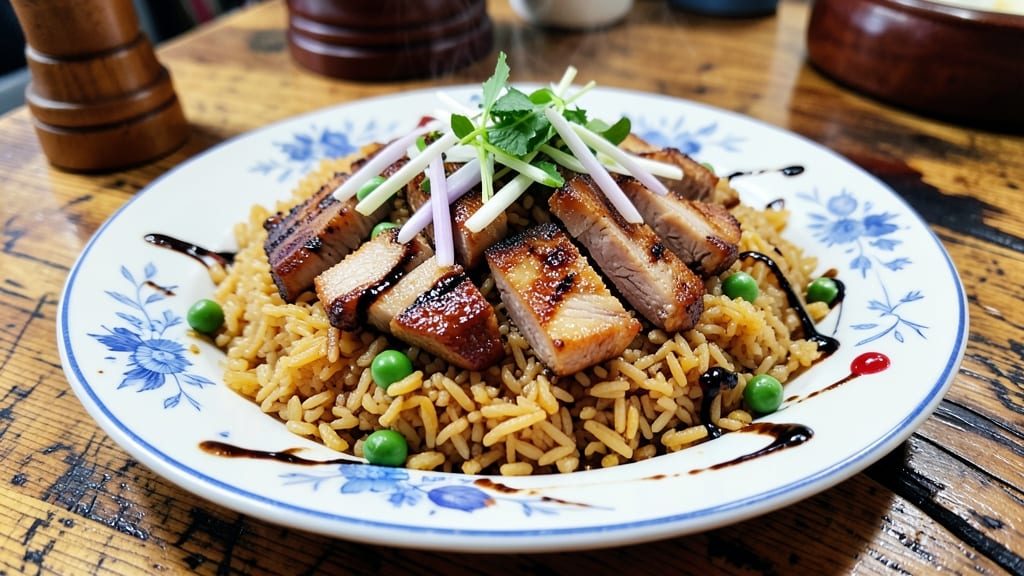
This authentic Chinese pork fried rice recipe delivers the wok-heated aroma and perfectly separated grains you crave. 🔥 The secret lies in day-old rice, properly marinated pork, and a balance of traditional seasonings that transform simple ingredients into restaurant-quality flavor.
I've perfected this technique over years of testing, ensuring every bite delivers that smoky, savory, umami-packed taste of your favorite Chinese takeout—without the grease or shortcuts.
The foundation starts with high-quality ingredients: day-old jasmine rice (never fresh), tender pork shoulder cut into bite-sized pieces and marinated in a blend of soy sauce, Shaoxing wine, and cornstarch, and a classic seasoning mix of light soy sauce, dark soy sauce, oyster sauce, and sesame oil.
The key technique is stir-frying the pork first to render fat, then setting it aside while you prepare the rice—this prevents soggy grains and ensures each component stays distinct yet harmonious.
What sets this recipe apart is the textural precision: crisp-tender pork, fluffy yet separated rice grains, and a sauce that clings without overwhelming. The egg, scrambled just before serving, adds richness, while scallions and toasted sesame seeds provide freshness and aroma.
Every element comes together in the final toss, creating a dish that's as visually appealing as it is flavorful—golden-brown edges, vibrant green scallions, and a glossy sheen from the sauces.
This version stays true to traditional methods while offering modern adaptations like pre-marinated pork or a quick rice-cooking shortcut. Whether you're feeding a family or meal prepping for the week, the principles remain the same: authentic flavor through technique, not shortcuts.
Let's create this dish that brings a taste of China to your kitchen.
Ingredients for authentic chinese pork fried rice
High-quality ingredients transform simple rice and pork into restaurant-style Chinese fried rice.
| Ingredient | Amount | Notes |
|---|---|---|
| Day-Old Jasmine Rice 🍚 | 4 cups | Cooked and cooled completely |
| Pork Shoulder 🐖 | 1 lb | Cut into 1-inch cubes, marinated |
| Light Soy Sauce 🥫 | ½ cup | For marinade and cooking |
| Shaoxing Wine 🍷 | ¼ cup | For pork marinade |
| Cornstarch 🌾 | 2 tbsp | For pork marinade |
| Dark Soy Sauce 🥫 | 1 tbsp | For color and depth |
| Oyster Sauce 🦪 | 2 tbsp | For umami richness |
| Sesame Oil 🫒 | 1 tbsp | For aroma, toasted |
| Large Eggs 🥚 | 2 whole | Scrambled for serving |
| Scallions 🧅 | ¼ cup | Sliced thin for garnish |
| Toasted Sesame Seeds 🌰 | 1 tbsp | For garnish |
| Vegetable Oil 🫒 | ½ cup | High smoke point preferred |
| Fresh Ginger 🧄 | 2 tbsp | Finely minced |
| Garlic Cloves 🧄 | 6 cloves | Minced for flavor |
| White Pepper 🌶️ | ½ tsp | For subtle heat |
The foundation begins with day-old jasmine rice—never fresh, as it contains too much moisture. Cook a full batch the night before and refrigerate uncovered to dry it out completely. For the pork, pork shoulder is ideal due to its fat content, which renders beautifully during stir-frying. Cut into 1-inch cubes for even cooking. Asian grocery stores like H Mart or 99 Ranch Market carry Shaoxing wine and oyster sauce in bulk, which elevates the dish. If using regular grocery stores, check the international aisle for these essentials.
No Shaoxing wine? Dry sherry or mirin work as substitutes, though the flavor will differ slightly. Fresh ginger and garlic should be finely minced—a microplane makes this quick. For the eggs, room temperature ensures they scramble evenly. Dark soy sauce adds color, while light soy sauce provides saltiness. Diamond Crystal kosher salt is preferred for seasoning, as it dissolves completely. The sesame oil should be toasted—heat it in a small pan until fragrant, then cool before adding to the dish. If you can't find toasted sesame seeds, lightly toast regular sesame seeds in a dry pan for 2-3 minutes.
Store cooked pork marinade in an airtight container in the fridge for up to 3 days, though it's best used fresh. The rice can be prepped ahead and refrigerated for 2 days, but avoid reheating it with moisture—reheat dry in a skillet over medium heat. Sesame oil and seeds keep for 6-12 months in a cool, dark place. For meal prep, portion the fried rice into containers with a thin layer of oil on top to prevent drying. Reheat in the microwave for 1-2 minutes, stirring halfway, to restore texture.
Why You'll Love This Recipe
- No-Chop Nightmare: I swear by day-old rice—it’s the secret weapon here. No sticky mess, no fussing with fresh grains. Just toss in whatever veggies you have (or skip them entirely), and the pork shoulder, pre-cooked and shredded, melts into the pan like it was meant to be there.
- Umami Bomb: That Shaoxing wine and light soy sauce combo? It’s not just flavor—it’s depth. The pork gets tender and sticky, the rice soaks up all the savory goodness, and the cornstarch coating gives it that perfect crispy-chewy bite. Honestly, the first time I tasted it, I nearly burned the kitchen.
- Leftover Hero: This dish begs to be made extra. Reheat it the next day, and it’s just as good—maybe even better, because the flavors marry overnight. Pack it for lunches, freeze portions, or serve it cold with a fried egg on top. My roommate still teases me for always making "just one more batch."
- Pork on a Budget: Pork shoulder is cheap, and a little goes a long way. You’re not just feeding your stomach; you’re feeding your wallet. Between us, I’ve made this for date nights, lazy Sundays, and even as a "fancy" takeout replacement. It’s the kind of dish that makes you feel like a home cook without breaking the bank.
Step-by-step instructions for authentic Chinese pork fried rice
Master the wok technique and flavor balance for restaurant-quality fried rice every time.
🔥 Step 1: Marinate and Prep the Pork Shoulder
In a bowl, combine the 1 lb pork shoulder with the 0.5 cup light soy sauce, 0.25 cup shaoxing wine, 2 tbsp cornstarch, 0.5 tsp white pepper, and 2 tbsp minced fresh ginger. Mix thoroughly until the pork is fully coated and the marinade clings to every surface. Cover and refrigerate for at least 30 minutes—this ensures deep flavor penetration and proper texture development.
While the pork marinates, prepare the remaining ingredients. Mince the 6 cloves garlic cloves and 0.25 cup scallions separately, keeping them in small piles for easy access during cooking. Toast the 1 tbsp sesame seeds in a dry skillet over medium heat for 1-2 minutes until fragrant, then set aside for garnish. The pork should develop a glossy sheen from the marinade—this is your visual cue it's ready for cooking.
🍳 Step 2: Cook the Marinated Pork to Perfect Tenderness
Heat 0.25 cup vegetable oil in a wok or large skillet over high heat until shimmering. Add the marinated pork in a single layer, spreading it out to avoid crowding. Cook undisturbed for 3-4 minutes until the edges are golden brown and crispy. This initial sear locks in juices and creates texture contrast.
Stir the pork occasionally, breaking it into 1-inch pieces as it cooks. The cornstarch in the marinade will create a light crust on the exterior while keeping the interior tender. When the pork reaches 160°F internally and releases easily from the pan, remove it to a plate. The meat should be moist but not greasy, with a caramelized exterior that hints at the savory depth to come.
🍳 Step 3: Build the Flavor Base with Aromatics and Sauces
Return the wok to high heat and add the remaining 0.25 cup vegetable oil. Swirl to coat the bottom, then add the 6 cloves minced garlic and 2 tbsp minced fresh ginger. Stir-fry for 30 seconds until the garlic turns a pale golden color—this prevents burning while maximizing flavor extraction.
Pour in 1 tbsp dark soy sauce and 2 tbsp oyster sauce, stirring constantly to deglaze the wok. Add 0.5 cup light soy sauce and 1 tbsp sesame oil, letting the mixture simmer for 1-2 minutes until slightly reduced. The sauce should coat the back of a spoon with a glossy sheen, indicating proper consistency. This flavor base forms the soul of your fried rice—don't rush this step.
🥘 Step 4: Fry the Eggs and Combine with Rice
Push the sauce mixture to one side of the wok, creating space in the center. Crack the 2 whole large eggs into this empty area. Let them sit undisturbed for 5-10 seconds until the edges begin to set, then gently scramble with a spatula into soft, custardy curds. Remove the eggs to a plate and set aside.
Add the 4 cups day-old jasmine rice, breaking up any clumps with your spatula. Stir-fry vigorously for 2-3 minutes until the rice grains are hot and separate. The high heat and constant motion prevent the rice from turning mushy—this is where the authentic texture comes from. Return the pork and scrambled eggs to the wok, tossing everything together until evenly coated with the flavorful sauce.
🔪 Step 5: Finish and Garnish for Restaurant-Quality Presentation
Taste the fried rice and adjust seasoning if needed—add a splash of water or more soy sauce as required. The dish should balance sweet, salty, umami, and aromatic notes. Transfer to serving plates and garnish with the 0.25 cup sliced scallions and 1 tbsp toasted sesame seeds. The contrast of textures—crispy pork, tender rice, creamy eggs—should be immediately apparent.
Serve immediately while the rice maintains its separate, wok-heated texture. Each bite should deliver a symphony of flavors with proper heat distribution. The dark soy sauce adds visual appeal with its rich color, while the sesame seeds contribute nutty aroma. This is the moment where all your preparation comes together in an authentic Chinese home-style dish.
Pro Tips For Making Authentic Chinese Pork Fried Rice
- PREP PORK SMALL: Cut the pork shoulder into ½-inch cubes—no bigger, or they’ll turn into chewy mystery meat. I learned this the hard way when I used 1-inch chunks and ended up with undercooked centers that soaked up all the soy sauce instead of absorbing flavor evenly.
- HIGH HEAT FIRST: Blast your wok or pan with high heat before adding oil—this isn’t a simmering dish. If you start low, the pork will steam instead of sear, and your fried rice will taste bland. (Yes, even if you’re impatient like me.)
- SHAOXING WINE NOW: Add the Shaoxing wine immediately after searing the pork—don’t wait until the rice goes in. It needs time to cook off the alcohol and deepen the flavor, or you’ll just be masking the pork with a boozy afterthought.
- BREAK RICE DRY: Use your hands to separate the day-old rice into individual grains before frying—no clumps, no matter how tempting it is to just dump it in. I skip this when I’m lazy, but the dish is noticeably better when I don’t. (Your future self will thank you.)
Make-ahead tips for leftovers
Prep Ahead
Start by cooking a full batch of jasmine rice the night before and refrigerating it uncovered. This dries out the grains perfectly for fried rice. I like to spread it on a tray to cool faster and prevent clumping.
Store the marinated pork in an airtight container for up to 3 days—the flavors deepen over time. Toast the sesame seeds in advance and keep them in a small jar for easy garnishing. 🌱
Rice Storage
Day-old rice is non-negotiable for authentic texture, but you can prep it further. Portion cooled rice into quart-sized containers with a thin layer of oil on top to prevent drying. Store in the fridge for up to 2 days.
When reheating, use a dry skillet over medium heat for 3-4 minutes—never microwave with moisture, or you'll end up with gluey rice. ❄️
Pork Pre-Cooking
For ultimate convenience, pre-cook the pork completely in the marinade. Simmer the marinated pork in a pot with ½ cup water until fully cooked (165°F internal temp), then cool and store in the fridge.
When ready to fry, simply reheat in the wok for 2-3 minutes to crisp the edges again. This shortcut works surprisingly well without sacrificing texture. 🐖
Sauce Prep
Mix all the sauces—soy, oyster, and sesame oil—into a small bowl ahead of time. Store in the fridge for up to 5 days in an airtight container. I like to double the batch and use it for other stir-fries too.
When ready to cook, simply reheat the sauce mixture in the wok for 1 minute before adding the rice. This keeps your cooking process efficient and flavorful. 🍶
Egg Timing
Scrambling eggs fresh is ideal, but you can prep them ahead too. Whisk the eggs with a pinch of salt and store in the fridge for up to 2 days. When ready to cook, simply pour into the hot wok and scramble as directed.
For extra convenience, pre-portion the eggs into small containers—just crack one in when needed. This keeps your fried rice assembly quick and stress-free. 🥚
Final Assembly
Keep all components separate until the last minute to maintain texture. Store cooked pork, rice, and eggs in individual containers in the fridge for up to 2 days. When ready to serve, reheat each component separately in the wok with a little oil, then combine everything together.
This approach ensures every bite stays hot, crisp, and full of flavor. 🔥
Nutrition facts
Frequently asked questions
Why is day-old rice essential for authentic fried rice?
Day-old rice absorbs less oil and stays separate during stir-frying, preventing that dreaded mushy texture. Fresh rice contains too much moisture, which turns to steam and makes the grains clump. Spread cooked rice on a tray uncovered overnight to dry it out completely—this is the secret to restaurant-quality texture.
Can I substitute pork shoulder with another cut?
Pork shoulder works best due to its fat content, but you can use pork loin or tenderloin in a pinch. For leaner cuts, add 1 extra tbsp cornstarch to the marinade to help crisp the edges. Avoid fatty cuts like bacon—the excess fat can make your fried rice greasy. If using chicken, marinate for 1 hour instead of 30 minutes.
What's the difference between light and dark soy sauce?
Light soy sauce adds saltiness and depth to the flavor, while dark soy sauce provides color and a slightly sweeter taste. Use both together—the dark soy sauce gives that signature golden-brown hue, and the light soy sauce balances the umami. Never skip either, or your fried rice will lack both visual appeal and complexity.
How do I fix fried rice that turned out too dry?
Add 1-2 tbsp water or chicken stock and stir-fry for another 1-2 minutes to restore moisture. If it's still dry, mix in ½ cup steamed veggies or a soft-boiled egg to bulk it up. The key is to work quickly—fried rice loses its texture when reheated with too much liquid.
Can I make this recipe gluten-free?
Yes! Replace soy sauce with tamari or coconut aminos (use 1:1 ratio) and check oyster sauce labels for gluten-free options. For extra umami, add 1 tbsp gluten-free fish sauce** or mushrooms. The texture will differ slightly, but the flavor remains authentic. Always verify all ingredients for hidden gluten sources.