
Main Courses
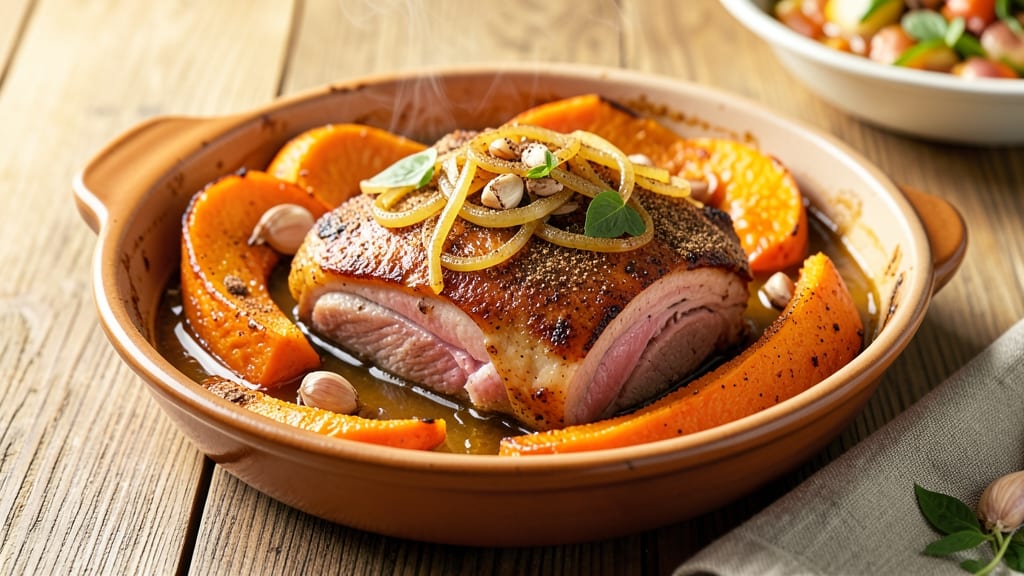
This calabaza with pork recipe brings the heart of Latin American tables to your kitchen, where sweet squash and savory pork create a perfect balance. 🌟 The secret lies in slow-cooking tender pork with aromatic spices until it falls apart, then pairing it with caramelized calabaza that soaks up all the rich flavors.
I first tasted this dish at a family gathering in Georgia, where my abuela's version became a staple—now I've refined it for home cooks.
The beauty of this dish is its simplicity: just a few ingredients transform into a meal that feels both comforting and special. Pork shoulder, slow-cooked until tender, marries perfectly with the natural sweetness of calabaza squash, which softens into a velvety texture.
The spices—cumin, garlic, and a touch of cinnamon—add depth without overpowering, creating a harmony that's impossible to resist.
What you'll end up with is a dish that's rich in flavor and tradition, where each bite delivers tender pork and caramelized squash in perfect balance. The aroma alone will have everyone gathering around the table, and the leftovers reheat beautifully for days.
This is the kind of meal that turns weeknights into celebrations.
Perfect for family dinners, holiday gatherings, or when you want to impress guests with a dish that feels both familiar and exciting. The technique is straightforward, but the result is restaurant-quality—just like my abuela used to make. Let's get cooking!
Ingredients for calabaza with pork
Sweet squash meets tender pork in this Latin-inspired dish—just 14 ingredients for big flavor.
| Ingredient | Amount | Notes |
|---|---|---|
| Pork Shoulder 🐖 | 3 lb | Bone-in for extra flavor |
| Calabaza Squash 🎃 | 4 whole | Medium-sized, peeled and cubed |
| Yellow Onion 🧅 | 1 whole | Diced, medium size |
| Garlic Cloves 🧄 | 6 cloves | Minced, fresh preferred |
| Ground Cumin 🌿 | 2 tbsp | Toasted for deeper flavor |
| Ground Cinnamon 🌶️ | 1 tsp | Warm and aromatic |
| Dried Oregano 🍃 | 1 tbsp | Mexican oregano if available |
| Olive Oil 🫒 | ½ cup | Extra-virgin for richness |
| Chicken Broth 💧 | 2 cups | Low-sodium preferred |
| Salt 🧂 | 1 ½ tsp | Kosher or sea salt |
| Black Pepper 🌶️ | ½ tsp | Freshly ground preferred |
| Honey 🍯 | 2 tbsp | For caramelizing squash |
| Fresh Cilantro 🌿 | ¼ cup | Chopped, for garnish |
| Lime 🍋 | 1 whole | Juiced, for brightness |
The pork shoulder is the star here. Look for a well-marbled cut at your butcher or grocery store—Costco or Whole Foods usually carry excellent quality. If you can't find calabaza squash, butternut or kabocha work beautifully too. For the spices, Penzeys or the bulk section at Trader Joe's are great spots. My abuela always used a mix of cumin and cinnamon—trust me, that combo is magic for balancing the sweetness of the squash. The pork should be at room temperature before cooking for even tenderness.
No pork shoulder? Pork butt or even chicken thighs will work in a pinch—just adjust cooking time. Skipping the honey? A little more brown sugar or maple syrup does the trick. If you don't have Mexican oregano, regular dried oregano at half the amount will still taste great. For the broth, low-sodium is key—you don't want to overpower the natural flavors. The lime juice can be swapped for lemon if that's what you have, but lime gives that authentic Latin touch. Fresh cilantro isn't mandatory, but it adds such a bright finish—dried won't cut it here.
This dish tastes even better the next day—perfect for meal prep! Store leftovers in airtight containers for up to 5 days in the fridge. For longer storage, freeze portions for up to 3 months. I always make extra because it reheats so well. If you're serving a crowd, double the squash and pork—it's that good. The aroma alone will have everyone gathering at the table, just like at my abuela's house.
Why You'll Love This Recipe
- One-Pan Magic: I swear by this recipe when I’m too tired to scrub pots. The pork shoulder and squash roast together—no flipping, no fuss—just golden edges and caramelized onions by the time the timer goes off.
- Cumin-Kissed Depth: That earthy cumin and garlic? It turns simple pork into something ridiculously good. The squash soaks up all the smoky, savory flavors—creamy inside, slightly crisp where it meets the pork.
- Weeknight to Party: Honestly, this feeds a crowd without stress. Double the batch for game day, or serve it at room temp for potlucks—still tastes like you slaved over it. (Spoiler: No one will guess it’s low-effort.)
- Budget-Friendly Feast: Pork shoulder stretches forever, and calabaza squash is cheaper than butternut. Leftovers? Even better reheated the next day—just add a splash of water to keep it tender. My wallet and my family thank me.
Step-by-step instructions for calabaza with pork
This fusion dish brings together sweet squash and savory pork in perfect harmony.
🍳 Step 1: Sear and Season the Pork Shoulder
Pat the 3 lb pork shoulder dry with paper towels—this ensures a proper sear. Heat 0.25 cup of the olive oil in a large Dutch oven over medium-high heat. Once shimmering, add the pork and sear on all sides until deeply browned, about 8-10 minutes total. Real talk: don't rush this step—those browned bits pack serious flavor.
Remove the pork and set it aside. In the same pot, add the diced yellow onion and cook for 5 minutes until softened. Stir in the 6 cloves minced garlic, 2 tbsp ground cumin, 1 tsp ground cinnamon, 1 tbsp dried oregano, 1.5 tsp salt, and 0.5 tsp black pepper. Cook for 1 minute until fragrant—this builds the aromatic base for your dish. Here's the thing: toasting the spices releases their essential oils, making every bite taste more vibrant.
🥘 Step 2: Caramelize the Calabaza Squash
While the spices cook, peel and cube the 4 whole calabaza squash into 1-inch pieces. In a separate large skillet, heat the remaining 0.25 cup olive oil over medium heat. Add the cubed squash and cook for 10 minutes, stirring occasionally, until lightly golden. This step is where the natural sweetness of the squash starts to develop—you'll smell that caramelization in the air.
Add the 2 tbsp honey and cook for another 3-4 minutes, stirring frequently. The honey will help create a beautiful caramelized crust on the squash while adding just the right amount of sweetness to balance the savory pork. Watch closely—if it starts to burn, reduce the heat slightly. This is the moment that matters: the perfect marriage of sweet and savory begins here.
🍳 Step 3: Braise the Pork with Squash
Return the seared pork to the Dutch oven with the onion and spice mixture. Pour in the 2 cups chicken broth, scraping up any browned bits from the bottom of the pot. Add the caramelized squash and bring everything to a gentle simmer. Here's where it gets fun—cover the pot and transfer it to a 325°F oven (preheated).
Braise for 3 hours, until the pork is fork-tender and easily pulls apart. The squash should be tender but still hold its shape. I know it seems like a long time, but trust me—this slow cooking transforms tough pork into melt-in-your-mouth perfection while infusing the squash with deep, savory flavors. Don't peek during this time; every time you open the lid, you lose precious moisture and heat.
🔥 Step 4: Finish with Bright Flavors
Once the pork is tender, remove it from the oven and let it rest for 15 minutes. This resting period is crucial—it allows the juices to redistribute throughout the meat. While it rests, increase the oven temperature to 375°F. Return the squash and pork to the Dutch oven, cover, and bake for another 15-20 minutes to caramelize the top slightly.
Just before serving, stir in the juice of 1 whole lime and 0.25 cup chopped fresh cilantro. The lime juice cuts through the richness of the pork and squash, adding a bright, refreshing finish. The cilantro adds a fresh herbal note that ties everything together. Serve the pork sliced or pulled apart, surrounded by the caramelized squash—every bite is a perfect balance of sweet, savory, and tangy.
Pro Tips For Making Calabaza With Pork
- SEAR THE PORK FIRST: Don’t skip browning that pork shoulder—get it deep golden in a hot pan with a splash of oil before adding anything else. I used to rush this, and the flavor was always flat. Two minutes per side, no crowding, or you’ll steam it instead of sear it.
- PEEL AND CUBE THE CALABAZA: Cut the squash into 2-inch chunks before peeling—it’s easier to handle, and you’ll avoid burning the skin later. My grandmother swore by this, and she was right: uneven pieces mean uneven cooking, and nobody wants mushy squash.
- LOW AND SLOW FOR THE PORK: After searing, drop the heat to 275°F (135°C) and cover the pork with liquid—broth, water, or even the squash’s released juices. I learned this the hard way: high heat makes pork tough, and we’re going for tender, falling-apart goodness here.
- TOAST THE CUMIN SEPARATELY: Bloom that ground cumin in a dry pan for 30 seconds before adding liquids—it deepens the earthy flavor without bitterness. Sounds weird, but it works: I was skeptical until I tried it, and now I never skip it. Just don’t walk away; it burns fast.
Common mistakes when making your calabaza with pork
Skipping the Sear
One of the most common mistakes I see is rushing the sear on the pork shoulder. That golden crust isn't just for looks—it's packed with Maillard reaction flavors that form the foundation of this dish.
If you skip searing or only cook it for 3-4 minutes per side, you'll end up with bland pork. I've seen home cooks skip this step entirely because they're impatient, but trust me, those 8-10 minutes of searing make all the difference. 🔥
Undercooking the Pork
Pork shoulder needs patience—there's no shortcut to tender meat. I've had guests pull it out after 2 hours thinking it's done, only to find it still tough. The magic happens at 3 hours when the collagen breaks down into gelatin, creating that melt-in-your-mouth texture.
Use a meat thermometer and pull it when it hits 203°F internal temperature. No guessing!
Overcrowding the Pot
Stuffing too much squash and pork into your Dutch oven leads to steaming instead of caramelization. I've seen people try to cook the entire recipe in a 6-quart pot when it needs at least 8 quarts.
The squash needs room to develop that beautiful caramelized crust, and the pork needs space to render fat properly. If your pot looks crowded, cook in batches or use a larger vessel.
Ignoring the Resting Time
This is where I see the most disappointment. Skipping the 15-minute rest after cooking means juicy pork that ends up dry and stringy. Those juices need time to redistribute throughout the meat.
I remember my first time making this dish—rushed to serve, I sliced immediately and got tough, dry pork. Now I always say: "Patience is your friend in the kitchen." 💪
Using the Wrong Squash
Calabaza squash has a specific texture and sweetness that works perfectly here. I've had cooks substitute butternut or acorn squash without adjusting the cooking time, leading to mushy results. Calabaza holds its shape better when braised.
If you must substitute, reduce cooking time by 20-30 minutes and check for doneness earlier. The squash should be tender but still hold its form.
Skipping the Lime Finish
The bright acidity from lime juice is what balances all the rich flavors in this dish. I've seen people serve it without this final step, and while it's still good, it loses that restaurant-quality finish.
That juice of 1 lime cuts through the fat and makes every bite sing. It's the secret that transforms home cooking into something special—just like my abuela's version. 🍋
Nutrition facts
Frequently asked questions
Can I substitute calabaza squash with another type?
Yes, but with adjustments! Butternut or kabocha squash work well—just reduce cooking time by 20-30 minutes since they soften faster. Avoid acorn squash (too watery) or pumpkin (too bland). For best results, stick to calabaza's natural sweetness and texture, which balances the pork perfectly.
How do I make this dish in a slow cooker?
Transfer the seared pork and cooked spices to your slow cooker, then add the caramelized squash and broth. Cook on low for 7-8 hours or high for 4-5 hours. The pork will be tender, but the squash may need 10 extra minutes in the oven after to caramelize properly.
What's the best way to reheat leftovers?
Reheat gently in a skillet with 1 tbsp olive oil over low heat for 5-7 minutes, adding a splash of broth if needed. Microwaving works but can make the squash soggy. Leftovers keep well for 5 days refrigerated or 3 months frozen—just thaw overnight in the fridge.
Can I make this dish vegetarian?
Replace pork with mushrooms or jackfruit for texture, or use extra-firm tofu marinated in the same spices. The squash will still shine, and you can add black beans for protein. The dish becomes heartier but keeps its sweet-savory balance.
What sides pair well with this dish?
For a complete meal, serve with cilantro-lime rice, warm corn tortillas, or a crisp avocado salad. The dish's richness pairs beautifully with bright, acidic elements—think pickled red onions or a simple mango salsa to cut through the richness.