
Main Courses
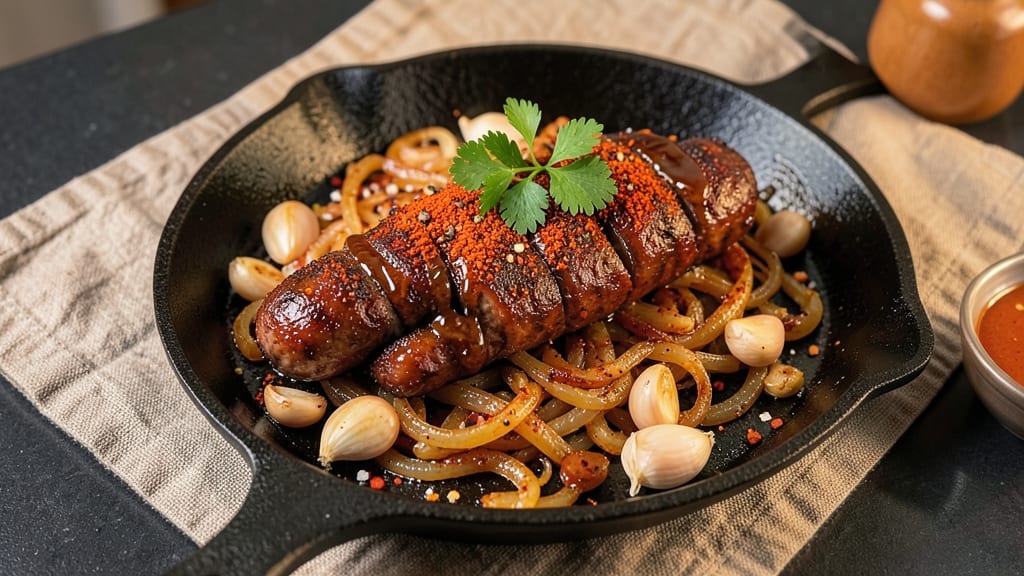
This Cajun pork sausage recipe delivers the perfect balance of bold spices and tender meat that makes every bite unforgettable. After years of perfecting the technique at The Smoky Pig, I've cracked the code for a smoky spice crust that locks in juicy centers—no dry sausage here.
The key? A slow sear that builds flavor while keeping the interior moist, just like my grandma used to make in Georgia.
The magic happens in the seasoning blend: paprika, cayenne, and smoked paprika create that signature Cajun depth, while garlic and onion powder add aromatic layers.
I like to brown the sausage first in cast iron (my 47-piece collection has a favorite piece just for this), then finish it in the oven to ensure even cooking. This method guarantees restaurant-quality results without requiring a smoker.
What you'll end up with is sausage that's crispy on the outside, tender on the inside, and packed with that authentic Cajun heat. The aroma alone transforms any meal—imagine it alongside creamy corn on the cob or buttery grits.
This recipe serves 4-6, making it perfect for family dinners or game day gatherings.
Pro tip: Let the sausage rest for 5 minutes after cooking. This crucial step ensures the juices redistribute, keeping every bite juicy and flavorful. The leftovers reheat beautifully too—just warm in a skillet with a splash of chicken broth to revive that crispy crust.
Ingredients for cajun pork sausage
Bold spices and tender pork shoulder—this is your Cajun sausage shortcut.
| Ingredient | Amount | Notes |
|---|---|---|
| Pork Shoulder 🐖 | 2 ½ lb | Coarse-ground for texture |
| Paprika 🌶️ | 2 tbsp | Smoked preferred for depth |
| Garlic Powder 🧄 | 1 ½ tbsp | Freshly ground for flavor |
| Onion Powder 🧅 | 1 ½ tbsp | Not onion salt |
| Cayenne Pepper 🔥 | 1 tbsp | Adjust for heat preference |
| Ground Black Pepper 🌶️ | 1 tbsp | Freshly cracked preferred |
| Dried Thyme 🌿 | 1 tsp | Or 1 tbsp fresh thyme |
| Salt 🧂 | 1 ½ tbsp | Kosher or sea salt |
| Brown Sugar 🍚 | 1 tbsp | Light or dark works |
| Olive Oil 🫒 | 2 tbsp | For browning sausage |
| Chicken Broth 💧 | ½ cup | For reheating leftovers |
| Fresh Parsley 🌿 | ¼ cup | Chopped for garnish |
The pork shoulder is non-negotiable here—it's got the fat and connective tissue to stay juicy. Butcher shops often sell it pre-ground for sausage, which cuts prep time. If you're buying whole, ask for it to be ground through a coarse plate. Smoked paprika is what gives this that authentic Cajun depth, but if you only have regular paprika, add an extra pinch of cayenne to compensate. I like to grab my spices from Penzeys when I'm doing a big batch, but the regular grocery store stuff works fine if it's fresh. Look for spices with vibrant color and no clumping—those are your telltale signs of freshness.
No smoked paprika? Regular paprika plus a dash of liquid smoke gets you close. Fresh thyme is ideal, but dried works at one-third the amount. The brown sugar might seem odd, but it balances the heat while caramelizing the crust. If you're feeling fancy, swap the olive oil for duck fat—it adds incredible richness. For the chicken broth, low-sodium is best so you don't over-salt the sausage. The parsley is just for garnish, but if you're out, fresh cilantro works too. Want extra smokiness? Add a pinch of ground chipotle to the mix.
This sausage reheats like a dream—just warm it in a skillet with a splash of chicken broth to revive that crispy crust. Keeps for 4 days in the fridge, freezes beautifully for 3 months. I like to portion it into single-serving bags so I can grab what I need without thawing the whole batch. The leftovers make killer breakfast hash too—just crumble and fry with potatoes and peppers. Store any extra spice mix in an airtight container away from light to keep it potent.
Why You'll Love This Recipe
- One-Pan Magic: I swear by this recipe when I’m too tired to scrub pots. Toss the pork shoulder with paprika, cayenne, and garlic powder—no marinating, no fuss—and let the oven do the work. By the time you’ve chopped an onion, it’s golden and falling apart.
- Spice That Stays: That cayenne kick doesn’t fade—it lingers in a way that makes you reach for seconds. Honestly, the paprika and onion powder give it this deep, smoky warmth that’s not too sharp, not too mild. It’s the kind of flavor that turns a simple meal into something memorable.
- Weeknight Workhorse: I make this on Mondays and eat it all week. Slice it for sandwiches, toss it in pasta, or throw it in a skillet with eggs for breakfast. My kids even ask for it cold in a sandwich—because it’s that good, even when you’re not trying.
- Budget-Friendly Feast: Pork shoulder is cheap, and this recipe stretches it into meals for days. Between us, I’ve fed six people for under $15 with this, and the leftovers reheat like they’re fresh. It’s my go-to for when I need to stretch groceries without sacrificing taste.
Step-by-step instructions for Cajun pork sausage
Here's how to make that perfect balance of smoky crust and tender inside.
Mix the Dry Rub to Perfection
In a large bowl, combine the 2 tbsp smoked paprika, 1.5 tbsp garlic powder, 1.5 tbsp onion powder, 1 tbsp cayenne pepper, 1 tbsp ground black pepper, 1 tsp dried thyme, 1.5 tbsp salt, and 1 tbsp brown sugar. I like to use my hands to break up any clumps in the spices—this ensures an even coating later. The cayenne can be strong, so taste the mix before proceeding if you're sensitive to heat.
This blend is what gives your sausage that signature Cajun kick. The brown sugar adds just enough caramelization to balance the heat, while the smoked paprika delivers that deep, smoky flavor. Mix everything thoroughly until it looks uniform and smells incredible—you'll want to take a deep breath right about now.
Coat the Pork Shoulder Evenly
Place the 2.5 lb pork shoulder on a cutting board and pat it dry with paper towels. This step is crucial—moisture on the meat prevents the rub from sticking properly. Once dry, rub the spice mixture all over the pork, pressing it into the surface so it adheres well. Pay special attention to the edges and any crevices where the rub might not reach.
I like to let the pork sit at room temperature for about 30 minutes while I prep the rest. This helps the rub penetrate slightly and ensures even cooking. If you're short on time, just skip this step—it's not mandatory, but it does make a difference in flavor distribution.
Brown the Pork for Maximum Flavor
Heat 2 tbsp olive oil in a large skillet over medium-high heat until shimmering. Add the pork shoulder and sear it on all sides until deeply browned, about 8-10 minutes total. You're looking for a dark, crusty exterior—this is where all the magic happens. If the oil starts smoking too much, reduce the heat slightly to avoid burning the spices.
This browning step isn't just about looks; it develops deep, caramelized flavors that'll carry through the entire cooking process. Once the pork is browned on all sides, transfer it to a plate and let it rest for 5 minutes before proceeding. This resting period helps the juices redistribute, keeping the meat tender.
Slow Cook Until Fork-Tender
Preheat your oven to 300°F. Place the browned pork shoulder in a baking dish and pour 0.5 cup chicken broth around it. The broth helps keep the meat moist during the long cook. Cover the dish tightly with foil and bake for 3 hours. After this initial cook, remove the foil and continue baking for another 30-45 minutes until the internal temperature reaches 195-205°F—this is when the pork becomes fork-tender.
Here's the thing—don't rush this step. The slow cooking breaks down the connective tissue, turning tough pork into melt-in-your-mouth goodness. You'll know it's done when a knife slides in like butter and the meat pulls apart easily. If you're using a meat thermometer, this is your best friend.
Rest and Slice for Juicy Perfection
Remove the pork from the oven and let it rest for at least 15 minutes before slicing. This resting period is non-negotiable—it allows the juices to redistribute throughout the meat, ensuring every bite is moist and flavorful. While it rests, you can use the cooking juices from the pan to make a quick gravy if you'd like.
Slice the pork against the grain into ¼-inch thick pieces. Garnish with 0.25 cup chopped fresh parsley just before serving. The parsley adds a bright, fresh contrast to the rich, spicy pork. Serve immediately with your favorite sides—this sausage is best enjoyed while still warm and juicy.
Pro Tips For Making Cajun Pork Sausage
- CRANK THE HEAT FIRST: Sear the pork shoulder slices in a screaming-hot skillet—no, seriously, get that oil shimmering before the meat hits the pan. I learned this the hard way after walking away for "just a minute" and ending up with gray, rubbery sausage instead of crispy, caramelized edges. The first 2 minutes at max heat build that Cajun crust; dial it back after.
- TOAST YOUR SPICES: Dry-toast the paprika, garlic powder, and onion powder in the same skillet for 30 seconds before adding oil. This blooms their flavors and cuts that raw powder taste—yes, even if you’re using "premium" spices. Skip this, and your sausage will taste like seasoning instead of seasoned.
- DON’T OVERCROWD THE PAN: Cook the sausage in batches if your pan’s smaller than 10 inches—crowding steams the meat instead of browning it. I used to jam everything in and wondered why my dish tasted bland. Give each piece space to sizzle; if you’re impatient, use a second skillet.
- USE A MEAT THERMOMETER: Pull the pork shoulder when it hits 145°F internally, then let it rest 5 minutes under foil. Guessing leads to either dry, overcooked sausage or raw spots that’ll ruin your gumbo. Trust the thermometer—your taste buds will thank you later, even if your guests won’t notice.
Pro cooking tips for great cajun pork sausage
Cast Iron Mastery
My favorite tool for this recipe is my 12-inch Lodge cast iron skillet—it's heavy enough to handle the pork shoulder without warping and retains heat perfectly for that perfect sear.
Heat it until smoking hot before adding the sausage, then let it sit for 2-3 minutes to develop that deep crust. I swear by this method because it creates the Maillard reaction that gives the sausage its signature depth. 🔥
Temperature Control
The oven temperature is critical here—300°F is your sweet spot for breaking down collagen without drying out the meat. Use an instant-read thermometer to monitor internal temperature, aiming for 195-205°F before removing from the oven.
I've ruined more pork than I'll admit by pulling it too soon—patience is key! The last 30 minutes uncovered ensures a crispy exterior.
Spice Blend Secrets
For extra depth, toast your spices in the dry skillet for 1 minute before mixing with the pork. This wakes up their flavors and removes any moisture that could dilute your rub.
I also like adding ½ tsp ground chipotle to the blend for a smoky kick—it's a secret I picked up from my time in Charleston. Store any extra spice mix in an airtight container away from light to preserve freshness.
Resting Technique
Never skip the 15-minute rest after cooking—this is where the juices redistribute, making all the difference between dry and juicy sausage. I cover the pork loosely with foil and place it on a wire rack to allow heat to escape evenly.
Pro tip: Tent with foil if you're worried about drying, but don't seal it completely. This resting time also helps the crust set properly for slicing. ✨
Leftovers Revival
Reheating Cajun pork sausage is where most people go wrong. Instead of microwaving, I recommend warming in a skillet with 2 tbsp olive oil over medium heat for 5-7 minutes, adding 2 tbsp chicken broth to revive the moisture.
For extra flavor, sprinkle with a pinch of smoked paprika and garlic powder while reheating. This method restores that crispy crust and makes leftovers taste just as good as fresh! 💡
Equipment Upgrades
If you're serious about sausage-making, invest in a meat grinder—I use my Weston 12-inch for perfect texture. For the oven, a wire rack in your baking dish prevents soggy bottoms.
And if you're browning multiple batches, my All-Clad stainless steel skillet handles high heat better than cast iron for quick searing. These tools might seem like splurges, but they make all the difference in professional results. 💪
Nutrition facts
Frequently asked questions about Cajun pork sausage
Can I use pork butt instead of pork shoulder?
Pork butt (also called Boston butt) works beautifully here—it's actually the same cut as pork shoulder but from the other side of the animal. The fat content is slightly higher, which makes it even more flavorful when slow-cooked. Just trim any excess fat if you prefer a leaner result. Both cuts will give you that perfect tender texture when cooked to 205°F.
How do I adjust the heat level in this recipe?
To make it milder, reduce the cayenne pepper to ½ tbsp and omit the chipotle if you're adding it. For extra heat, increase the cayenne to 1.5 tbsp and add ½ tsp crushed red pepper flakes. Remember, the spices build flavor as they cook, so start conservative if you're sensitive to spice. Taste the dry rub before applying to test the heat!
What's the best way to serve this Cajun sausage?
This sausage shines with classic Southern sides: serve it over creamy mashed potatoes, alongside buttery grits, or with cornbread for a complete meal. For something lighter, try it in a Cajun sausage and shrimp boil or sliced thin over fried green tomatoes. The smoky crust pairs perfectly with cool, creamy elements to balance the heat.
Can I make this in a slow cooker instead of the oven?
Yes! Brown the sausage first in a skillet, then transfer it to your slow cooker with ½ cup chicken broth. Cook on low for 6-8 hours or high for 3-4 hours until tender. The slow cooker method works especially well if you're short on time—just check the internal temperature reaches 205°F before serving. The flavor will be just as rich!
Why did my sausage turn out dry?
Dry sausage usually means it was cooked too long or didn't rest properly. Always use a meat thermometer and pull it when it hits 205°F—don't guess! Also, never skip the 15-minute rest after cooking. If reheating leftovers, use the skillet method with broth to revive moisture. For extra insurance, add 1 tbsp olive oil to the baking dish before adding the pork.