
Main Courses
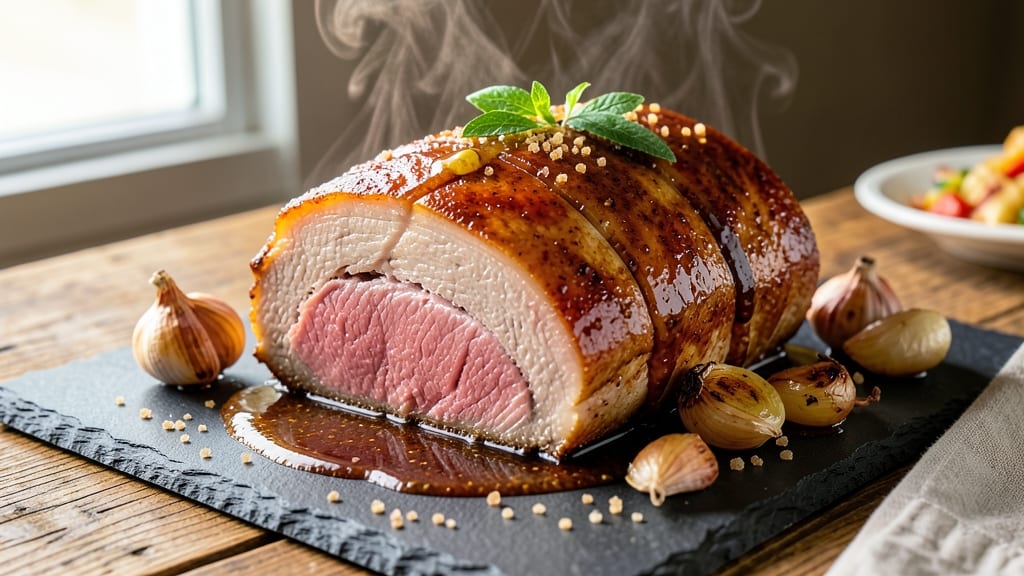
This brown sugar pork roast recipe transforms a simple cut of pork into a showstopping centerpiece with a caramelized crust that cracks like glass when sliced. I developed this technique while perfecting my pitmaster skills, where the balance of slow-braising and high-heat caramelization creates that signature sticky, sweet-savory crust.
The secret lies in the timing—basting with brown sugar glaze at just the right moment to lock in moisture while building that irresistible bark.
What sets this recipe apart is its foolproof method for achieving restaurant-quality results at home. You'll start with a simple dry rub of spices and brown sugar, then slow-roast the pork until tender before finishing with a glaze that caramelizes into a glossy, crackly crust.
The process requires patience—about 3 hours in the oven—but the reward is a pork roast so flavorful it becomes the star of any meal. The glaze isn't just sweet; it's complex, with notes of molasses and a hint of smokiness from the oven.
The final result is a juicy, melt-in-your-mouth pork roast with a crust that's crisp enough to satisfy even the most skeptical carnivores. The glaze clings to every bite, offering a perfect balance of sweet and savory that pairs beautifully with roasted vegetables or creamy mashed potatoes.
This isn't just dinner—it's an experience that turns weeknight meals into special occasions. The best part? Leftovers reheat just as well, making it perfect for meal prep or feeding a crowd.
Whether you're cooking for a family gathering or treating yourself to a showstopping Sunday dinner, this recipe delivers. The key is in the details—resting the meat, basting at the right intervals, and letting that glaze work its magic.
Trust me, once you taste the difference between this and a plain roast, you'll never go back to the basics. Let's get started on creating your own caramelized masterpiece.
Ingredients for brown sugar pork roast
Six ingredients transform ordinary pork into a showstopping caramelized masterpiece—just trust the process.
| Ingredient | Amount | Notes |
|---|---|---|
| Pork Shoulder (Bone-In) 🍖 | 4 lb | Well-marbled, 2-3 inches thick |
| Light Brown Sugar 🍚 | ½ cup | Packed, turbinado preferred |
| Molasses 🍯 | ¼ cup | Unsulphured for depth |
| Yellow Mustard 🥫 | 2 tbsp | Dijon preferred for tang |
| Apple Cider Vinegar 🍎 | 1 tbsp | For bright acidity |
| Smoked Paprika 🌶️ | 1 tbsp | For smoky depth |
| Ground Black Pepper 🌶️ | 1 tsp | Freshly cracked |
| Garlic Powder 🧄 | 1 tsp | Freshly toasted preferred |
| Onion Powder 🧅 | 1 tsp | For aromatic base |
| Salt 🧂 | 1 ½ tbsp | Diamond Crystal preferred |
| Olive Oil 🫒 | 2 tbsp | Extra-virgin for richness |
| Fresh Rosemary 🌿 | ¼ cup | Chopped, stems removed |
| Fresh Thyme 🌿 | ¼ cup | Leaves only, chopped |
The pork shoulder is your canvas—look for well-marbled cuts with visible fat between the muscles at Costco or your butcher shop. A bone-in roast stays juicier, and the fat renders beautifully for extra flavor. If you're buying pre-cut, avoid lean cuts—they dry out. For the brown sugar, turbinado or demerara gives that signature crackly crust, but regular light brown works too. The molasses is non-negotiable—unsulphured has deeper flavor. I always grab Penzeys spices for the smoked paprika, but the grocery store stuff works fine. Fresh herbs? Grow your own or hit the farmers market—they're worth the splurge here.
No molasses? Maple syrup at half the amount works, but you'll lose some depth. Short on rosemary? Thyme alone carries it, but I'd still add a sprig of fresh rosemary if you can. The apple cider vinegar can be swapped for red wine vinegar, but the apple notes complement the molasses beautifully. For the glaze, Dijon mustard adds tang—regular yellow works, but it's less complex. The spices? Toast them in a dry pan for 30 seconds to wake up their flavors. And if you're feeling fancy, add a pinch of cayenne for subtle heat.
This roast rewards patience—rest it 15 minutes before slicing, or the juices will run. Leftovers? Reheat in a 300°F oven until warm, then broil 2 minutes for a crispy finish. Keeps 4-5 days in the fridge, 3 months frozen. I always make double—one for dinner, one for sandwiches the next day. The glaze thickens as it cools, so stir in a splash of water if it gets too stiff. And save those bones—simmer for broth that's perfect for reheating slices.
Why You'll Love This Recipe
- Sweet & Savory Magic: I’ll be real—the molasses and brown sugar combo here transforms basic pork shoulder into something that tastes like a hug from your grandma’s kitchen. That sticky, caramelized crust? Pure satisfaction every time.
- One-Pan, Zero Stress: Honestly, this is my go-to when I’d rather not scrub a million dishes. Toss the pork in the mustard-vinegar glaze, pop it in the oven, and walk away. The bone-in cut keeps it juicy, so you’re not stuck with dry meat.
- Leftovers That Beg for More: Between us, the second day is often the best. That pork gets better as it rests—fall-apart tender with even more flavor. I’ll make a double batch just so I can reheat slices for sandwiches all week.
- Budget-Friendly Crowd-Pleaser: Pork shoulder is cheap, and this recipe stretches it far. Feed six for dinner, then have leftovers for lunch—no one complains. The vinegar and mustard cut through the richness, so it’s never heavy, just ridiculously good.
Step-by-step instructions for slow-braised caramelized pork roast
Here's how to transform a simple pork shoulder into melt-in-your-mouth perfection with that coveted caramelized crust.
Prepare the Pork Shoulder for Maximum Flavor
Pat the 4 lb pork shoulder (bone-in) completely dry with paper towels, including the cavity. This step is non-negotiable—moisture prevents that deep caramelization we're after. Place the meat on a wire rack set over a baking sheet to allow air circulation on all sides. This prevents steaming and ensures even browning.
In a small bowl, combine 0.5 cup packed light brown sugar, 0.25 cup molasses, 2 tbsp Dijon yellow mustard, 1 tbsp apple cider vinegar, 1 tbsp smoked paprika, 1.5 tbsp salt, 1 tsp garlic powder, 1 tsp onion powder, and 1 tsp freshly cracked black pepper. Mix until completely homogeneous. The molasses and brown sugar create the perfect caramel base while the vinegar adds bright acidity that cuts through the richness.
Create the Caramelized Crust
Preheat your oven to 325°F. Rub the pork shoulder generously with 2 tbsp extra-virgin olive oil, then spread the sugar mixture evenly over all surfaces, pressing it into the meat with your fingers. This ensures maximum contact for flavor penetration and crust development. Place the pork fat-side up on a rack in a Dutch oven or deep roasting pan.
Transfer to the preheated oven and roast for 2 hours. After this initial period, increase the heat to 375°F and continue roasting for another 1 hour. This temperature shift creates that beautiful caramelized crust while keeping the interior tender. You'll know it's developing properly when you see a deep amber glaze forming on the surface and the pork releases easily from the pan.
Build the Braising Liquid and Finish Cooking
Remove the pork from the oven and carefully transfer it to a cutting board. Skim off and discard any hardened fat from the pan. Return the pan to the stovetop over medium heat and add 0.25 cup chopped fresh rosemary and 0.25 cup chopped fresh thyme leaves. Sauté for 2 minutes until fragrant, then pour in 2 cups of hot water (or enough to come halfway up the pork). Scrape up any browned bits from the bottom—they're packed with flavor.
Return the pork to the pot, fat-side up, and cover tightly. Braise in the oven at 300°F for 3-4 hours, until the meat is fork-tender and the internal temperature reaches 195-203°F in the thickest part. The braising liquid should reduce to a rich, syrupy consistency that coats the meat beautifully. This low-and-slow cooking breaks down the connective tissue, creating that legendary pulled pork texture.
Rest and Serve with Caramelized Sauce
Remove the pork from the pot and transfer it to a cutting board. Tent loosely with foil and let it rest for at least 30 minutes—this crucial step allows the juices to redistribute throughout the meat. While it rests, skim excess fat from the braising liquid and reduce it on the stovetop over medium-high heat until it reaches a thick, glaze-like consistency. This becomes our caramelized sauce.
Slice the pork against the grain into ½-inch thick pieces and serve immediately with the reduced sauce spooned generously over the top. The contrast between the tender, falling-apart meat and the sweet-savory caramelized crust makes every bite unforgettable. Pair with crusty bread to soak up all that delicious sauce—you'll want to lick the plate clean!
Pro Tips For Making Brown Sugar Pork Roast
- Sear the Shoulder First: I learned this the hard way—skipping the sear means missing out on that deep, caramelized crust that holds the glaze. Hit the bone-in pork shoulder with a hot pan (no oil needed—just the natural fat) until it’s deep brown all over. This isn’t just for looks; it locks in flavor and keeps the meat from drying out later.
- Deglaze with Vinegar: That apple cider vinegar isn’t just for the glaze—use it to scrape up the browned bits from the pan after searing. Let it simmer for 2 minutes before adding the rest of the sauce. It cuts through the richness and adds a tangy brightness that balances the sweetness of the brown sugar and molasses.
- Skip the Crowding: If you’re roasting this in a pan, resist the urge to cover it early. Let the pork shoulder brown uncovered for the first 30 minutes—even if it looks like it’s not cooking fast enough. Covering too soon traps steam and turns your crust into soggy mush. Patience here makes all the difference.
- Brown the Sugar: Sounds weird, but it works: melt the brown sugar with the molasses and mustard in a small saucepan over medium heat until it darkens slightly—about 3-4 minutes. This deepens the flavor and thickens the glaze so it doesn’t run off the meat like syrup. (Yes, even if you’re impatient like me.)
Creative variations of this dish
Southern BBQ-Style
For a true Carolina touch, swap the molasses for 1/4 cup apple cider vinegar and add 1 tbsp hot sauce to the glaze. I like Crystal Hot Sauce for that classic tang.
Serve with coleslaw made from 1/2 head green cabbage and 1/4 cup buttermilk ranch dressing. The vinegar and heat cut through the richness, giving it that signature Carolina BBQ vibe. 🌶️
Honey-Glazed Twist
Replace the molasses with 1/4 cup honey and reduce the brown sugar to 1/3 cup. Add 1 tsp ground ginger for warmth and a splash of soy sauce for umami depth.
This version works beautifully with steamed jasmine rice and sesame seeds. The honey creates a glossier finish while keeping the caramelized texture. 🍯
Spicy Coffee Rub
Infuse the glaze with 1 tbsp instant coffee granules and 1/2 tsp cayenne pepper for a smoky, spicy kick. Use dark brown sugar instead of light for deeper color.
Pair with roasted sweet potatoes and charred corn for a Southwestern-inspired meal. The coffee adds complexity that balances the sweetness perfectly. ☕
Herb-Forward French Style
Replace the molasses with 2 tbsp balsamic vinegar and add 1 tbsp fresh thyme and 1 tbsp fresh rosemary to the rub. Finish with a sprinkle of coarse sea salt and black peppercorn before serving.
This version pairs beautifully with garlic mashed potatoes and sautéed green beans. The herbs elevate the dish to bistro-quality without losing the caramelized magic. 🌿
Breakfast Pork Roast
Turn your roast into a brunch star by adding 1/2 tsp cinnamon and 1/4 tsp nutmeg to the rub. Serve with crispy hash browns and maple syrup for dipping.
The warm spices give it a comforting, almost maple-glazed sausage vibe. Perfect for lazy Sunday mornings when you want something hearty yet special. 🍳
Slow-Cooker Adaptation
For hands-off cooking, sear the pork in a 6-quart slow cooker on high for 2 hours, then switch to low for 6-8 hours. Add 1 cup chicken broth instead of water and 1/2 cup apple cider for moisture.
The texture will be slightly more tender, almost pulled-pork style. Great for meal prep—just reheat and slice. ⏳
Nutrition facts
Frequently asked questions
Can I use white sugar instead of brown sugar for this recipe?
Technically yes, but you'll miss the signature caramelized crust and deeper molasses flavor. Brown sugar's molasses content creates that crackly, sticky glaze that's the recipe's hallmark. If you must substitute, use 1/4 cup molasses plus 1/2 cup white sugar for similar results, but expect a slightly different texture.
How do I know when the pork is done without a meat thermometer?
Press the meat with your finger—if it feels very tender and nearly falls apart, it's likely done. A visual cue is when the juices run clear when pierced with a knife. The internal temp should be 195-203°F in the thickest part, but if you don't have a thermometer, the 3-4 hour braising time at 300°F should get you there.
Can I make this in a regular oven instead of a Dutch oven?
Yes, but you'll need to add 1 cup liquid (water or broth) to the roasting pan. Place the pork on a rack over the liquid to prevent steaming. The key is maintaining moisture—just check the pan occasionally and add more liquid if it reduces too quickly. The Dutch oven's tight fit helps concentrate flavors better.
Why does my glaze turn out too runny?
This happens when the braising liquid doesn't reduce enough. To fix it, after removing the pork, skim excess fat from the pan and reduce the liquid over medium-high heat until it thickens to a glaze consistency. If it's still too thin, simmer uncovered for 5-10 more minutes. For next time, try adding 1 tbsp cornstarch mixed with water as a thickener.
What's the best way to reheat leftovers?
Slice the pork and reheat in a 300°F oven for 20-30 minutes until warm. For extra crispiness, broil for 2-3 minutes at the end. Avoid microwaving—it makes the glaze soggy. Store leftovers in an airtight container for up to 5 days or freeze for 3 months for future meals.