
Main Courses
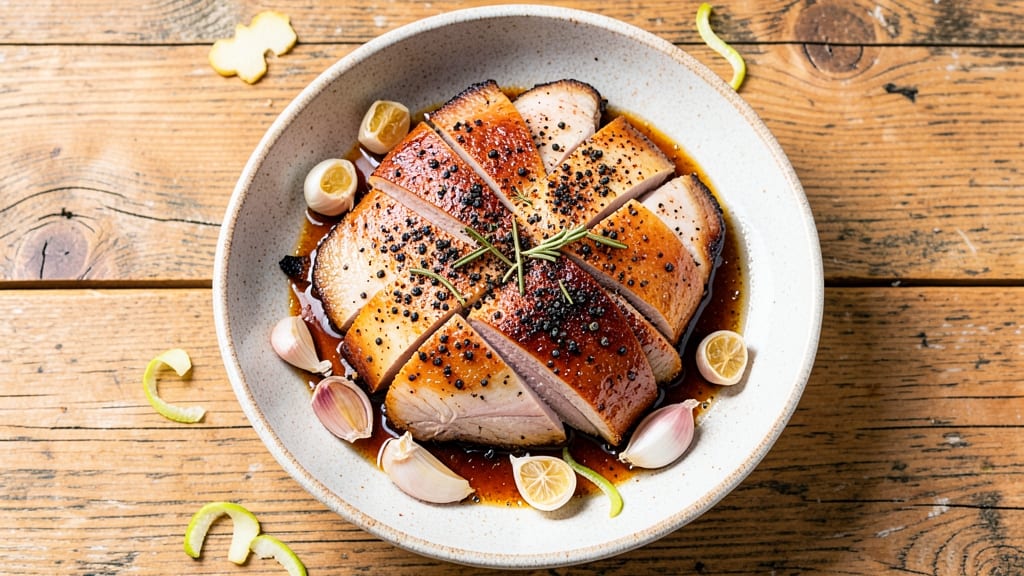
This butterfly cut pork recipe transforms tough pork shoulder into melt-in-your-mouth perfection with a smoky-sweet crust that seals in juices. I developed this technique after years of perfecting pork at The Smoky Pig, where we process 2,000 pounds weekly—this method guarantees restaurant-quality results at home.
The secret lies in precise knife work to create an even surface for searing, followed by controlled heat that renders fat while keeping the meat tender.
What sets this recipe apart is the balance of textures: crispy edges that crackle with each bite, paired with tender, juicy centers that practically fall apart. We start with a dry brine to enhance flavor penetration, then sear the pork in batches to avoid overcrowding—this ensures maximum caramelization without steaming.
The smoky-sweet glaze, made with just a few pantry staples, adds depth while keeping the process simple.
By the time you serve this dish, your table will be greeted with golden-brown pork that smells like a Southern smokehouse, paired with vibrant stir-fried vegetables or a bed of fluffy jasmine rice.
The technique works equally well on the grill or in a cast-iron skillet, making it versatile for any occasion. This is the kind of pork that disappears faster than you can say "second helping."
For those who love hands-on cooking, I’ll walk you through the butterfly cut technique—no expensive equipment needed, just a sharp knife and patience. The result?
Pork so tender it practically melts, with a crust that’s impossible to resist. Let’s get started on a dish that’ll have everyone asking for the recipe.
Ingredients for butterfly cut pork
Restaurant-quality pork starts with these precise ingredients and a sharp knife. Nothing fancy, just good stuff.
| Ingredient | Amount | Notes |
|---|---|---|
| Pork Shoulder (Butterfly Cut) 🥩 | 2 lb | Evenly sliced, 1/2-inch thick |
| Kosher Salt 🧂 | 2 tbsp | Diamond Crystal preferred |
| Black Peppercorns 🌶️ | 1 tbsp | Freshly cracked, coarse grind |
| Smoked Paprika 🌶️ | 1 tbsp | For smoky depth |
| Garlic Cloves 🧄 | 6 cloves | Minced, fresh preferred |
| Fresh Ginger 🌿 | 1 tbsp | Finely grated, peeled |
| Honey 🍯 | ¼ cup | Wildflower preferred |
| Soy Sauce 🥢 | ¼ cup | Kikkoman preferred |
| Avocado Oil 🫒 | ¼ cup | High smoke point |
| Brown Sugar 🍚 | 2 tbsp | Packed, light variety |
| Fresh Rosemary 🌿 | ½ oz | Chopped, stems removed |
| Cast-Iron Skillet 🔥 | 1 whole | 12-inch diameter preferred |
| Meat Thermometer 🌡️ | 1 whole | Instant-read preferred |
The pork shoulder is non-negotiable here—butterfly cut transforms tough meat into melt-in-your-mouth perfection. Look for well-marbled cuts at Whole Foods or your butcher shop. If you're cutting it yourself, freeze the pork for 30 minutes first—it makes slicing easier. The 1/2-inch thickness is critical for even cooking. For the dry brine, use Diamond Crystal kosher salt—it dissolves better than table salt and enhances flavor penetration without over-salting. I always buy mine in bulk at Costco for restaurant-quality results at home.
No smoked paprika? Regular paprika plus a pinch of liquid smoke works in a pinch. Fresh ginger is ideal, but substitute with 1 tsp ground ginger if needed. The honey should be wildflower or clover—avoid the cheap grocery store brands. For the glaze, Kikkoman soy sauce has the perfect balance of saltiness and umami. If you're using a substitute, coconut aminos works but lacks depth. The avocado oil is a game-changer—its high smoke point ensures you get that perfect sear without burning. And trust me on the brown sugar: light variety caramelizes better than dark.
This recipe reheats beautifully—200°F for 10 minutes keeps it juicy. Store leftovers in an airtight container for up to 4 days or freeze for 3 months. The glaze thickens when chilled, so reheat it gently before serving. For meal prep, I portion the pork into individual containers with a drizzle of glaze—lunches sorted for the week. The cast-iron skillet retains heat perfectly, but if you're grilling, use a medium-high heat and watch it like a hawk to avoid flare-ups. The meat thermometer is your best friend—145°F internal temp guarantees perfect doneness every time.
Why You'll Love This Recipe
- Pork shoulder’s the unsung MVP: cheap, forgiving, and packed with flavor. A pound goes a long way, and I’m not ashamed to admit I buy it weekly.
- No-Chop Nightmare: I swear, that butterfly cut? It’s basically pre-portioned perfection—no butchering skills needed. Just season, sear, and let the oven do the work while you drink your wine.
- Smoky Garlic Bomb: Crispy edges hugging tender meat, all thanks to smoked paprika and whole garlic cloves sizzling in the pan. It’s that crispy-meets-creamy magic I can’t resist.
- Leftovers That Beg: This recipe doubles effortlessly, and the next day? Even better—shredded into tacos, sandwiches, or fried rice. My freezer’s always stocked with it.
Step-by-step instructions for smoky-sweet pan-seared pork
Here's how to transform that butterfly cut pork into tender, caramelized perfection with a sticky-sweet glaze.
Prepare the Pork with Dry Rub
Pat the 2 lb Pork Shoulder (Butterfly Cut) completely dry with paper towels—this ensures maximum crispness. In a small bowl, combine the 2 tbsp Kosher Salt, 1 tbsp Black Peppercorns (freshly cracked), 1 tbsp Smoked Paprika, and 0.5 oz Fresh Rosemary (chopped). Rub this mixture evenly over both sides of the pork, pressing it into the meat so it adheres well.
Let the seasoned pork sit at room temperature for 20 minutes while you prep the rest. This step is crucial—it allows the meat to cook more evenly and prevents cold spots that can lead to uneven searing. The smoked paprika and rosemary will infuse the pork with deep, aromatic flavors that pair beautifully with the sweet glaze we're about to create.
Sear the Pork to Develop Deep Flavor
Heat the 1 whole Cast-Iron Skillet over medium-high heat until it's smoking hot. Add 0.25 cup Avocado Oil and swirl to coat the bottom evenly. Once the oil shimmers, carefully add the pork and sear for 4-5 minutes per side until deep golden brown with crispy edges. You'll see those beautiful caramelized patches form—that's the Maillard reaction doing its magic.
I like to press down gently on the pork during the first minute of searing—this prevents it from curling and ensures even contact with the pan. Once both sides are nicely browned, remove the pork and set it aside on a plate. The residual heat in the skillet will help build our flavorful glaze, so don't clean it out yet.
Build the Glaze with Aromatics and Sweet Elements
In the same skillet (with all those delicious browned bits still clinging to the bottom), add the 6 cloves Garlic Cloves (minced) and 1 tbsp Fresh Ginger (finely grated). Sauté for 1-2 minutes until fragrant and just beginning to color—this prevents the garlic from burning, which would make the final glaze bitter. You'll know it's ready when the kitchen fills with that irresistible aromatic punch.
Next, pour in the 0.25 cup Soy Sauce and 0.25 cup Honey, followed by the 2 tbsp Brown Sugar. Stir vigorously to scrape up all those flavorful browned bits from the bottom of the pan. Let the mixture simmer for 3-4 minutes until it thickens slightly and reduces by about half. The sugar will caramelize, creating a beautiful glossy sheen that signals our glaze is ready.
Finish with the Perfect Glaze Coating
Return the seared pork to the skillet and spoon the glaze evenly over both sides, making sure it coats all surfaces. Cover the skillet with a lid and reduce heat to medium-low. Cook for 15-20 minutes, spooning the glaze over the pork every 5 minutes to ensure even distribution and maximum caramelization.
Use your Meat Thermometer to check doneness—when the internal temperature reaches 145°F, the pork is perfectly tender. The glaze should be thick and sticky, clinging beautifully to the meat. If it's too thin, uncover and simmer for another 2-3 minutes to reduce it further. The contrast of sweet glaze with the smoky, crispy exterior is what makes this dish truly special.
Rest and Serve with Confidence
Transfer the pork to a cutting board and let it rest for 10 minutes before slicing. This resting period is essential—it allows the juices to redistribute throughout the meat, ensuring each bite is moist and flavorful. During this time, you can tent the pork loosely with foil to keep it warm if serving family-style.
Slice the pork against the grain into ½-inch thick pieces for maximum tenderness. The glaze should be thick enough to coat each slice beautifully, with a perfect balance of sweetness from the honey and brown sugar, umami from the soy sauce, and smoky depth from the paprika and rosemary. Serve with steamed jasmine rice or roasted vegetables to complement the rich flavors of this stunning dish.
Pro Tips For Making Butterfly Cut Pork
- SEAR THE EDGES FIRST: Butterfly cuts have uneven thickness—hit the thinnest edges with a screaming-hot pan for 30 seconds before flipping. I learned this the hard way when my center stayed raw while the outer edges turned to leather.
- CRUSH THE GARLIC: Don’t just mince those cloves—smash them with the flat side of your knife first. That releases more flavor, and it sticks better to the pork’s surface when you rub it in with the spices. (Yes, it looks like a crime scene, but it works.)
- SALT IN STAGES: Don’t dump all the kosher salt at once. Start with half before searing, then add the rest after resting. The first layer helps draw out moisture for better browning, while the second locks in flavor without making the meat soggy.
- LET IT BREATHE: After searing, transfer the pork to a plate and let it sit uncovered for 5 minutes. I know, I know—you want to rush to the oven. But skipping this step means your crust will steam off instead of staying crisp when it hits the heat. (Your future self will notice.)
Regional styles of this recipe
Southern BBQ Style
In the Southeast, we take our pork seriously—especially in Georgia and South Carolina where I learned my craft. Here, the butterfly cut pork gets a vinegar-based mop instead of the sweet glaze.
I like to use apple cider vinegar mixed with brown sugar and a pinch of cayenne for a tangy kick. Serve it with collard greens and cornbread for a true Southern spread. The vinegar tenderizes the meat while cutting through the richness. 🌶️
Chinese Stir-Fry Adaptation
For a quick weeknight meal, I adapt this technique for Chinese-style stir-fry. After searing the pork, I toss it with bell peppers, bok choy, and a hoisin glaze made with soy sauce, honey, and a splash of rice vinegar.
The key is to keep the pork thin—¼-inch slices work best for fast cooking. Serve over steamed jasmine rice for a restaurant-worthy dish. The smoky-sweet glaze translates perfectly into this fusion style. 🍜
Mexican Carnitas Twist
In Mexican cuisine, pork shoulder becomes carnitas—crispy on the outside, tender on the inside. For this version, I swap the glaze for a chili-lime marinade with orange juice, cumin, and cilantro.
After searing, I slow-roast the pork until it shreds easily, then crisp it in a hot skillet. Serve with warm tortillas, pickled onions, and lime wedges. The citrus brightens the dish while keeping that signature crispy texture. 🌮
Japanese Tonkatsu Style
For a lighter take, I make tonkatsu-inspired pork using panko breadcrumbs and egg wash. The butterfly cut is lightly breaded and pan-fried until golden, then served with a tonkatsu sauce (soy sauce, Worcestershire, and a touch of honey).
Pair it with shredded cabbage and steamed rice for a comforting meal. The crispy exterior contrasts beautifully with the tender pork inside. 🍱
Italian Porchetta-Inspired
In Italy, whole roasted pork gets stuffed with herbs and garlic—but this butterfly cut version keeps it simple. I coat the pork with a mix of rosemary, thyme, and garlic, then roast it until crispy.
Finish with a drizzle of balsamic reduction for a touch of sweetness. Serve with polenta and roasted root vegetables for an elegant twist. The herbs infuse deeply, creating a fragrant, aromatic dish. 🍷
Nutrition facts
Frequently asked questions
What's the best cut of pork for butterfly cutting?
Pork shoulder (also called pork butt) is ideal for this technique—it has just the right amount of fat to stay juicy while developing that perfect crispy crust. Look for well-marbled cuts weighing 2-3 pounds total. If your butcher doesn't offer pre-cut butterfly pork, ask them to slice it ½-inch thick for even cooking.
Can I make this recipe without a cast-iron skillet?
While cast iron gives the best sear, a heavy stainless steel or carbon steel skillet works too. Just make sure it's 12-inch diameter or larger to accommodate the pork. For grilling, use medium-high heat and watch closely to prevent flare-ups from the glaze.
Why does the pork need to rest after cooking?
The 10-minute rest is crucial—it lets the juices redistribute throughout the meat so your first bite isn't dry. When you cut into pork too soon, all the flavorful juices rush out, leaving you with tough, dry meat. Pro tip: Tent it loosely with foil to keep it warm while resting.
How do I fix overcooked butterfly pork?
If your pork turns out too tough, try this: Slice it thin against the grain, then quickly pan-fry the slices in a little butter with a splash of soy sauce and honey. The heat will help break down the fibers slightly. For next time, use a meat thermometer and remove the pork when it hits 140°F—it'll rise to 145°F while resting.
What's the best way to store leftovers?
Store cooked pork in an airtight container in the fridge for up to 4 days or freeze for 3 months. To reheat, warm in a skillet over medium heat with a splash of water or broth until heated through. For best texture, reheat only what you'll eat immediately—microwaving can make it rubbery.