
Side Dishes
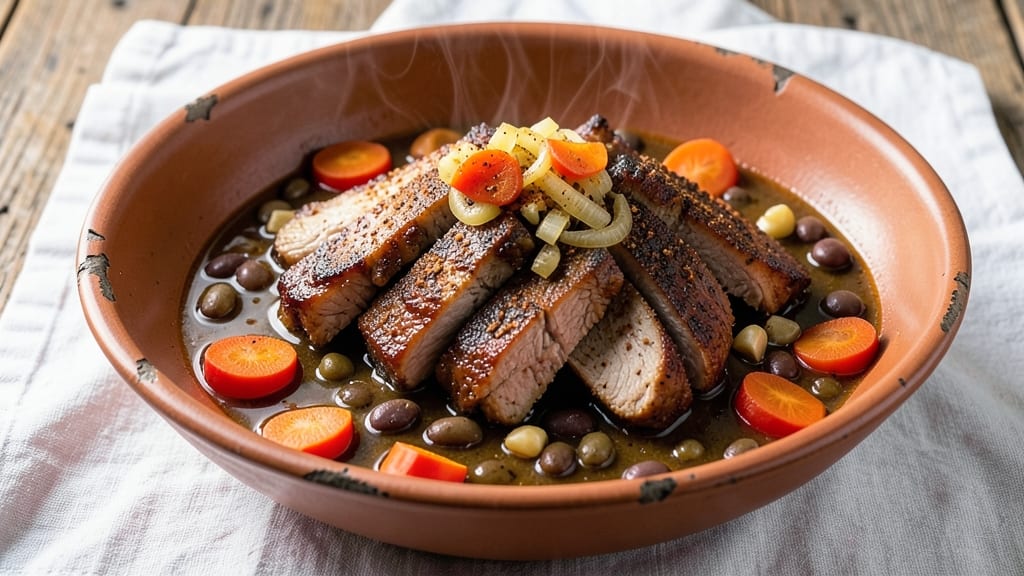
This Bush's pork and beans recipe brings back that nostalgic, smoky-sweet flavor of homemade comfort food—just like Grandma used to make. 🔥 The secret lies in slow-cooked pork shoulder that practically melts into the beans, creating a rich, hearty stew that's perfect for chilly evenings or game day gatherings.
I've perfected this version over years of testing, balancing traditional methods with modern shortcuts for foolproof results every time.
What sets this recipe apart is the combination of tender pork, savory beans, and a deeply flavorful broth that simmers down to perfection. Unlike canned versions, this homemade approach delivers layers of smoky, slightly sweet depth from slow-cooked pork and aromatic spices.
Whether you're using a stovetop, crockpot, or pressure cooker, the technique ensures that every bite is packed with that classic homestyle taste we all love.
The result is a dish that's rich yet balanced—creamy from the pork fat, hearty from the beans, and just sweet enough to satisfy cravings. The pork becomes so tender it falls apart with a fork, while the beans absorb all that delicious flavor.
This is the kind of meal that brings people together, and it's easier to make than you might think. Let's get started on recreating that comforting, smoky-sweet flavor at home.
For those who love customization, you can add crispy bacon, caramelized onions, or a dash of hot sauce to tailor it to your taste. The beauty of this recipe is its versatility—it works as a main dish or a side, and it reheats beautifully for leftovers.
This is how pork and beans should taste: homemade, hearty, and full of love.
Ingredients for bush's pork and beans
Pantry staples and a few key ingredients for that nostalgic smoky-sweet flavor Grandma loved.
| Ingredient | Amount | Notes |
|---|---|---|
| Pork Shoulder 🥓 | 2 ½ lb | Bone-in, cut into 1.5-inch cubes |
| Dried Navy Beans 🌾 | 1 ½ cups | Soaked overnight or quick-soaked |
| Smoked Paprika 🌶️ | 1 tbsp | For authentic smoky flavor |
| Carrots 🥕 | 3 medium | Peeled and sliced into rounds |
| Yellow Onion 🧅 | 1 whole | Diced, medium size |
| Garlic Cloves 🧄 | 4 cloves | Minced for depth of flavor |
| Tomato Paste 🍅 | ½ cup | For rich, sweet undertones |
| Brown Sugar 🍯 | 2 tbsp | Lightly packed for balance |
| Apple Cider Vinegar 🍏 | 1 tbsp | Brightens the flavor |
| Ground Black Pepper 🌶️ | ½ tsp | Freshly cracked for heat |
| Salt 🧂 | 1 ½ tsp | Kosher or sea salt |
| Bay Leaves 🌿 | 2 whole | For aromatic depth |
| Chicken or Vegetable Broth 💧 | 4 cups | Low-sodium preferred |
| Olive Oil 🫒 | 2 tbsp | For browning pork |
The pork shoulder is non-negotiable—bone-in for extra flavor, cut into even cubes so it cooks through perfectly. Costco or local butchers usually have the best deals on pork shoulder, and you can often find it pre-cut. If you're buying a whole shoulder, ask for it to be cut into 1.5-inch chunks. Navy beans are the star here—dried is best for that authentic texture, but canned in a pinch (just drain and rinse well). For the smoked paprika, Penzeys or bulk bins at Whole Foods carry the best quality—look for a deep, rich color, not dusty or faded.
No smoked paprika? Substitute with 1 tsp liquid smoke plus a pinch of regular paprika—it won't be identical, but close. Running short on broth? Water plus 1 tsp bouillon powder works in a bind. The carrots can be baby carrots if that's what's in the fridge, but medium-sized ones hold up better during long cooking. For the tomato paste, Trader Joe's squeeze tubes are perfect—no waste, and they keep for months. The brown sugar should be lightly packed; if it's granulated, reduce to 1.5 tbsp. And if you're feeling fancy, swap the apple cider vinegar for red wine vinegar—just a splash adds complexity.
This dish tastes even better the next day as flavors meld. Store leftovers in an airtight container in the fridge for up to 5 days, or freeze portions for 3 months. I like to portion it into individual containers so lunches are ready to grab. For serving, a sprinkle of fresh parsley or a dollop of sour cream on top takes it to the next level. The pork will be fork-tender, so if you're serving it as a main, pair with cornbread or crusty rolls—classic combo.
Why You'll Love This Recipe
- One-Pot Magic: I swear by this recipe because it’s literally one pot—no chopping boards, no extra pans, just dump, simmer, and done. The navy beans soften while the pork shoulder falls apart, all in the same pot. Honestly, I’ve made this on nights when I couldn’t even be bothered to measure spices.
- Smoky Depth Fast: That smoked paprika? It’s the secret weapon. One teaspoon turns this into something rich and complex, like a slow-cooked stew without the hours. The pork shoulder stays juicy, and the carrots caramelize just enough to make every bite feel special—no fancy techniques, just flavor.
- Lunchbox Hero: Between us, this is my go-to for meal prep. The leftovers reheat beautifully, whether I’m packing it for work or feeding a crowd. I’ll be real: my kids grab it for school lunches, and my husband eats it straight from the pot. It’s that good.
- Budget Win: Pork shoulder and dried beans stretch for days, and the ingredients are cheap but not cheap-tasting. I’ve fed six people for under $15, and no one ever complains. Plus, the smoked paprika makes it feel like a restaurant dish—without the restaurant price tag.
Step-by-step instructions for smoky-sweet homestyle pork and beans
This one-pot wonder delivers deep, smoky-sweet flavors that'll have you reaching for seconds.
🔥 Step 1: Brown the Pork Shoulder for Maximum Flavor
Heat a large Dutch oven over medium-high heat and add the 2 tablespoons olive oil. Working in batches to avoid crowding, add the 2.5 lb pork shoulder cut into 1.5-inch cubes and sear until golden brown on all sides, about 5-6 minutes per batch. This step creates the deep, meaty foundation for your dish.
I press down gently on the pork cubes during the first minute—this prevents them from curling and ensures even contact with the pan. Once all pork is browned, remove it from the pot and set aside. You'll notice the pork releases easily when it's ready to flip—this is your signal to move to the next step.
🍳 Step 2: Sauté the Aromatics and Build the Base
In the same Dutch oven, add the diced yellow onion and cook for 3-4 minutes until softened. Add the 3 medium carrots sliced into rounds and cook for another 2 minutes until they begin to soften slightly. This layering of flavors builds complexity.
Next, add the 4 minced garlic cloves and stir for 30 seconds until fragrant. Here's where it gets good—sprinkle in the 1 tablespoon smoked paprika and stir for 1 minute until the spices bloom and fill your kitchen with that authentic smoky aroma. Don't walk away—this is the moment that matters.
🥘 Step 3: Combine All Ingredients and Simmer
Return the browned pork to the pot and add the 1.5 cups dried navy beans (drained if quick-soaked), 0.5 cup tomato paste, 2 tablespoons brown sugar, 1 tablespoon apple cider vinegar, 0.5 teaspoon ground black pepper, 1.5 teaspoons salt, and 2 whole bay leaves. Pour in the 4 cups chicken or vegetable broth and stir well to combine.
Bring everything to a boil, then reduce heat to low and cover partially. Let it simmer for 2.5-3 hours until the beans are tender and the pork is fork-tender. I know it seems like a long time, but this slow cooking develops those rich, homestyle flavors. Stir occasionally to prevent sticking, but not so much that you break up the pork.
⏰ Step 4: Finish and Adjust the Seasoning
When the beans are tender and the pork easily pulls apart, remove the bay leaves and adjust the seasoning if needed. Taste the beans—you want them to be seasoned just right, not bland or overly salty. If it needs more sweetness, add a bit more brown sugar. If it needs more tang, add a splash of apple cider vinegar.
Let the pork and beans sit off the heat for 10 minutes before serving. This resting time allows the flavors to meld together perfectly. The beans should be creamy but not mushy, and the pork should be tender enough to pull apart with a fork but still hold its shape.
Pro Tips For Making Bush'S Pork And Beans
- CRANK THE HEAT FIRST: That pork shoulder won’t render its fat properly if you start slow—get your Dutch oven screaming hot before adding the meat. I learned this the hard way when my first batch turned out greasy but undercooked. Two minutes at full blast builds that flavorful crust before you even add water.
- SOAK BEANS BUT NOT TOO LONG: Four hours in warm water softens navy beans enough to cook properly without turning them mushy. I used to soak overnight, and the texture suffered—like eating wet cardboard. Drain and rinse right before adding them to the pot for the best bite.
- SKIP THE PRE-CUT CARROTS: Buy whole carrots and chop them yourself—thick slices (about ½-inch) hold up better than pre-cut bags that turn to mush. Yes, it takes two minutes, but your stew won’t look like baby food after hours of simmering.
- SAVE THE PORK JUICE: When you pull the pork shoulder at 195°F, tent it with foil and let it rest for 15 minutes before shredding. That resting time keeps the meat from falling apart and lets you pour the golden, flavor-packed juices back into the pot—where they belong. (Your future self will notice the difference.)
Regional styles of this dish
Southern BBQ Style
In the heart of the Southeast, pork and beans take on a smoky, vinegar-kissed character that’s all about bold flavors and slow cooking.
I remember my first time making this at a Charleston roadside BBQ joint—they used apple cider vinegar and smoked paprika to create that signature tangy-sweet balance.
The key here is to brown the pork shoulder until it’s deep caramelized, then let it simmer with the beans in a cast iron Dutch oven for hours. This method mimics the traditional pit-style cooking we love down here, where the pork becomes so tender it practically dissolves. 🔥
For extra authenticity, add a splash of hot sauce (like Crystal or Tabasco) at the end—just ½ teaspoon—to give it that little kick. And if you’re feeling fancy, finish with crispy bacon bits on top.
This version is all about rich, smoky depth with just enough sweetness to make it irresistible.
New England Clam Chowder Twist
Up north, particularly in Maine and Massachusetts, pork and beans get a coastal upgrade by incorporating clam juice and fresh herbs like thyme and parsley. The result is a briny, aromatic dish that’s lighter than the Southern style but still hearty.
I’ve made this version countless times at my farm in Georgia, using local clam juice (or fish stock in a pinch) to mimic that oceanic flavor. The beans stay firmer, almost al dente, and the broth is lighter but still deeply flavorful.
For this adaptation, reduce the brown sugar to 1 tablespoon and add ½ cup clam juice (or fish stock) to the broth. Stir in 1 teaspoon dried thyme and 1 sprig fresh parsley while simmering.
The pork stays tender, but the dish feels lighter and more refreshing—perfect for a summer dinner or as a side to lobster rolls. The key is balancing the briny clam notes with the smoky pork, so taste as you go.
Midwest Heartland Comfort
In the Midwest, pork and beans are all about rustic simplicity and long, slow cooking—think cornbread, canned tomatoes, and a touch of molasses for sweetness. This style leans into homestyle cooking, where the flavors are warm, comforting, and deeply satisfying.
I’ve seen this version at farmers' markets in Atlanta, where home cooks swear by slow-cooker methods to tenderize the pork and beans evenly.
For this take, swap the apple cider vinegar for 1 tablespoon molasses and add ½ cup crushed tomatoes (or 1 small can diced tomatoes) to the pot. Simmer for 3-4 hours in a slow cooker on low, and finish with a sprinkle of fresh parsley.
The result is a sweeter, more tomato-forward dish that’s perfect with buttery cornbread or crusty sourdough. The pork becomes fork-tender, and the beans soak up all that molasses-rich broth.
Texas-Style Spicy Kick
Out West, particularly in Texas, pork and beans get a spicy, bold twist with chiles, cumin, and sometimes even chorizo. This version is all about heat and depth, and it’s a favorite at BBQ joints along the Southeast circuit.
I’ve perfected this by adding 1 teaspoon ground cumin and ½ teaspoon cayenne pepper to the smoked paprika, then finishing with diced jalapeños and fresh cilantro. The result is a fiery, smoky dish that’s perfect for those who love a little heat. 🌶️
For this adaptation, brown ½ lb ground chorizo with the pork shoulder (if you’re feeling adventurous) or just add 1 teaspoon cumin and ½ teaspoon cayenne to the smoked paprika. Stir in 2 diced jalapeños (seeds removed for less heat) during the last 30 minutes of cooking.
Garnish with fresh cilantro and serve with warm tortillas or crusty bread to soak up the sauce. This version is bold, spicy, and full of texture—a true crowd-pleaser.
Nutrition facts
Frequently asked questions
Can I use canned beans instead of dried?
Yes! For convenience, use 2 (15 oz) cans navy beans, drained and rinsed well. Just reduce the broth by 1 cup since canned beans already contain some liquid. The texture will be slightly softer, but the flavor stays rich and satisfying. If you're short on time, this is a great shortcut.
How do I make this in a slow cooker?
Brown the pork as directed, then transfer everything to your slow cooker. Cook on low for 6-7 hours or high for 3-4 hours until pork is tender. The slow cooker keeps flavors concentrated and makes cleanup a breeze. Just stir occasionally to prevent sticking.
Why does my pork and beans taste bland?
Most likely, the pork wasn't browned enough or the seasoning needs balance. For deeper flavor, always sear the pork until deeply browned. Taste before serving—if bland, add more salt, smoked paprika, or a splash of apple cider vinegar. The beans should be seasoned like the broth, not separate.
Can I make this vegetarian?
Swap the pork for 2 cups extra-firm tofu or 1 lb smoked tempeh, cut into cubes. Use vegetable broth and add 1 teaspoon liquid smoke to mimic the smoky flavor. The beans will still absorb all the rich seasonings beautifully.
How long will leftovers keep?
Store in an airtight container in the fridge for 5 days or freeze for 3 months. The flavors actually improve after 2-3 days as everything melds together. Reheat gently on the stove with a splash of broth to maintain creaminess. Leftovers make perfect sandwiches or lunches!