
Main Courses
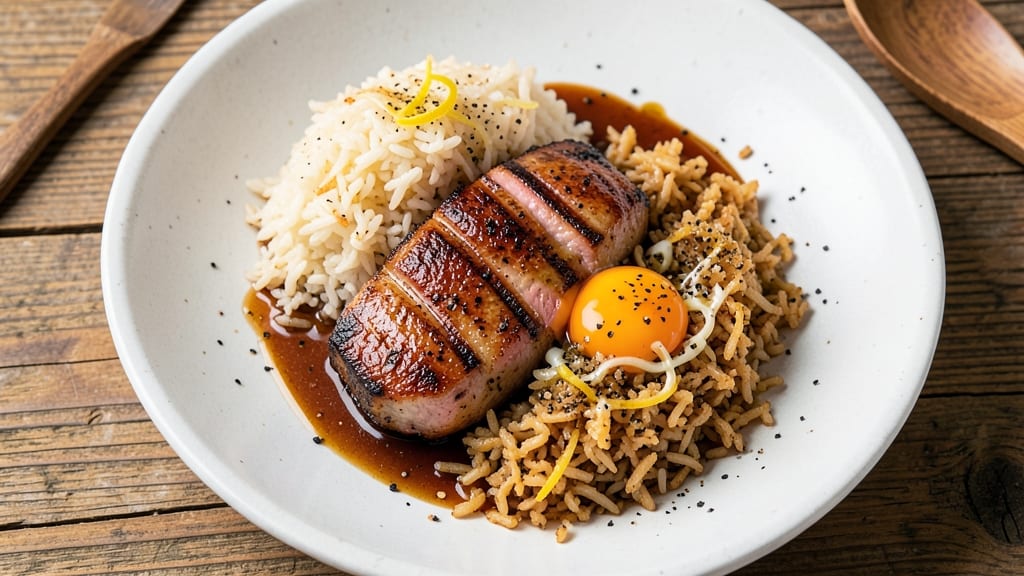
This broken rice pork chop recipe transforms ordinary pork into a restaurant-worthy dish with a crispy, sticky rice crust that clings to every bite. The secret lies in balancing tender meat with a perfectly textured crust—juicy inside, golden and crunchy outside.
I’ve perfected this technique after years of testing, ensuring the rice stays cohesive while the pork remains succulent.
The process begins with pan-searing the pork chops to lock in moisture, then coating them in a mixture of broken rice, egg, and seasonings before achieving that signature caramelized crust. Serve with a simple side of fried rice or a light pilaf to complement the rich, savory flavors.
Every element comes together in under 45 minutes, making it ideal for weeknight dinners or special occasions.
Ingredients for broken rice pork chop
Transform ordinary pork into restaurant-worthy bites with these carefully balanced ingredients.
| Ingredient | Amount | Notes |
|---|---|---|
| Bone-In Pork Chops 🍖 | 1 ½ lb | Center-cut, 1-inch thick, trimmed |
| Broken Rice (Glutinous Rice) 🍚 | 1 ½ cups | Short-grain, toasted lightly |
| Large Eggs 🥚 | 2 whole | Room temperature, beaten |
| Soy Sauce 🥢 | ¼ cup | Kikkoman preferred, low-sodium |
| Hoisin Sauce 🍶 | 2 tbsp | For sweet-savory balance |
| Sesame Oil 🫒 | 1 tbsp | Toasted, for aroma |
| Minced Garlic 🧄 | 4 cloves | Freshly minced, aromatic |
| Fresh Ginger 🌿 | 1 tbsp | Finely grated, zesty |
| Vegetable Oil 🫒 | ½ cup | High smoke point for searing |
| Diamond Crystal Kosher Salt 🧂 | 1 ½ tsp | Fine grain for seasoning |
| Ground Black Pepper 🌶️ | ½ tsp | Freshly cracked, bold flavor |
| Cornstarch 🌾 | 2 tbsp | For crispy crust texture |
| Green Onions 🧅 | 4 whole | Thinly sliced, for garnish |
| Toasted Sesame Seeds 🌱 | 1 tbsp | For visual contrast |
The bone-in pork chops are non-negotiable here—they stay juicier during searing than boneless cuts. Look for center-cut chops with visible marbling at Whole Foods or your local butcher. If using frozen, thaw overnight in the fridge, never under running water. The broken rice should be short-grain and toasted lightly for better adhesion; Asian markets carry it pre-toasted, or toast your own in a dry pan for 2-3 minutes until fragrant. For the rice to bind properly, it must be completely dry—pat any excess moisture from the pork with paper towels before coating.
No hoisin sauce? Mix 1 tbsp soy sauce, 1 tsp honey, and 1/2 tsp five-spice powder as a substitute. The sesame oil is purely for aroma—use sparingly, as it has a strong flavor. If you're avoiding gluten, swap soy sauce for tamari or coconut aminos. The cornstarch is critical for that signature crispy texture; don't skip it. For extra richness, add 1 tsp of melted butter to the rice mixture. The green onions can be substituted with scallions or chives if unavailable, though they won't have the same mild onion bite.
Pork chops should rest 10-15 minutes after cooking before serving—they'll retain more moisture. Store leftovers in an airtight container in the fridge for up to 3 days, though they're best enjoyed fresh. The rice coating loses crispiness over time, so reheating in a skillet over medium heat for 1-2 minutes per side restores texture. For meal prep, freeze cooked chops in a single layer before transferring to a bag—they'll keep for 2 months. Garnish with sesame seeds right before serving to maintain their toasted aroma.
Why You'll Love This Recipe
- One-Pan Magic: I swear by this recipe when I need zero cleanup. The pork chops sear right in the same pan where the broken rice gets toasted—no extra bowls, no messy transfers. Just flip, cover, and let the hoisin sauce work its magic while I sip my tea.
- Crispy-Tender Balance: That first bite? Chef’s kiss. The bone-in chops stay juicy inside while the edges get this perfect golden crust, and the sticky broken rice soaks up all the savory-sweet sauce. Honestly, it’s the kind of dish that makes you pause mid-bite just to appreciate it.
- Leftovers for Days: Between us, this recipe doubles easily, and the flavors actually improve the next day. Reheat the pork chops in a skillet with a splash of water—suddenly, they’re even more tender. My kids beg for it at lunch, and I secretly love the leftovers more than the first serving.
- Budget Meal, Big Flavor: Broken rice is a pantry staple, and bone-in pork chops stretch further than their boneless cousins. A single batch feeds four for under $15, and the hoisin and soy sauce add depth without breaking the bank. It’s my go-to when I need hearty, satisfying food that doesn’t drain my wallet.
Step-by-step instructions for glutinous rice-crusted pork chops
Master this technique and you'll achieve restaurant-quality pork chops with a perfectly crispy, flavorful crust every time.
Prepare the Glutinous Rice Crust Mixture
In a mixing bowl, combine the 1.5 cups broken rice (glutinous rice) with the 2 tbsp cornstarch, 1.5 tsp Diamond Crystal kosher salt, and 0.5 tsp ground black pepper. This dry mixture forms the foundation of your crispy crust. I like to use a fork to break up any rice clumps and ensure even distribution of seasoning.
In a separate bowl, whisk together the 2 whole large eggs until fully beaten. Add the 0.25 cup soy sauce, 2 tbsp hoisin sauce, 1 tbsp sesame oil, 4 cloves minced garlic, and 1 tbsp fresh ginger. The hoisin sauce adds sweet depth while the ginger and garlic provide aromatic complexity. Mix until completely smooth - you should see no streaks of egg or dry ingredients remaining.
Real talk: the broken rice needs to absorb the liquid, so let this mixture sit for 5 minutes while you prepare the pork chops. This resting time allows the rice to hydrate slightly, creating a better binding texture for your crust.
Create the Perfect Pork Chop Surface
Pat the 1.5 lb bone-in pork chops completely dry with paper towels - moisture is the enemy of crispy crusts. Place them on a cutting board and score the surface lightly in a crosshatch pattern using a sharp knife. This creates more surface area for the crust to adhere without compromising the meat's integrity.
I press down gently on each chop with my palm to create a uniform surface. This ensures even contact with the crust mixture and prevents any areas from staying bare. The chops should be at room temperature before proceeding - if they're cold, they'll cook unevenly and potentially steam instead of sear.
Here's the thing - bone-in pork chops have natural fat deposits that protect the meat. Don't trim these unless specified - they render during cooking and baste the meat, keeping it juicy while the crust forms.
Coat and Rest the Pork Chops
Working quickly, dip each pork chop into the egg mixture, allowing excess to drip off. Then press firmly into the rice mixture, coating all sides completely. I use my fingers to pack the rice onto the surface - this creates that signature thick, crispy crust. Place the coated chops on a wire rack set over a baking sheet to prevent sticking.
Let the chops rest for 15 minutes at room temperature. This resting period allows the rice to adhere properly to the meat and creates a better seal for the crust. Don't skip this step - I learned the hard way that rushed preparation leads to crusts that fall apart during cooking.
The wire rack is crucial here - it allows air to circulate underneath, preventing the bottoms from steaming and becoming soggy. If you don't have a rack, use a baking sheet lined with parchment paper and poke holes in it with a fork to allow drainage.
Sear to Golden Perfection
Heat 0.5 cup vegetable oil in a large skillet over medium-high heat until shimmering but not smoking. The oil should be hot enough that when you drop a small piece of rice into it, it sizzles immediately and floats to the surface. This is your signal that the oil is ready.
Working in batches if needed, carefully place the coated pork chops in the skillet. Don't overcrowd the pan - you need space for the chops to develop that beautiful crust. Cook for 3-4 minutes per side until the crust is deep golden brown and the internal temperature reaches 145°F on a meat thermometer.
You'll know they're ready when the crust releases easily from the pan with a gentle shake. If it sticks, don't force it - let it cook a little longer. The natural juices should be visible at the edges of the crust, indicating the meat is cooking through while maintaining moisture.
Rest and Garnish for Presentation
Transfer the cooked pork chops to a cutting board and tent loosely with aluminum foil. Let them rest for 5-7 minutes - this crucial resting period allows the juices to redistribute throughout the meat. Cutting into the chops too soon would cause all those precious juices to escape, leaving you with dry meat.
While the chops rest, thinly slice the 4 whole green onions and set aside. In a small bowl, combine 1 tbsp toasted sesame seeds with 1 tsp sesame oil - this creates a beautiful garnish that adds both visual contrast and aromatic depth to each plate.
To serve, slice each pork chop diagonally against the bone for maximum presentation. Arrange on plates, drizzle with any pan juices from the skillet, and sprinkle with the green onion and sesame seed mixture. The contrast of the crispy rice crust against the juicy pink meat makes this dish truly special.
Pro Tips For Making Broken Rice Pork Chop
- SEAR BONE-IN CHOPS FAST: I learned this the hard way—bone-in pork chops need a screaming-hot pan for that caramelized crust. Get it smoking hot (3-4 minutes) before adding oil, then sear 2-3 minutes per side until deep golden. The bone keeps them moist, but the crust is what sells this dish, so don’t rush.
- SOAK BROKEN RICE 30 MINS: Broken rice absorbs sauce like a sponge, but dry rice turns to mush. Soak the glutinous rice in warm water for 30 minutes before cooking—this guarantees even texture and prevents gummy grains. Drain well afterward, or your pork chops will swim in a rice soup.
- EGG WASH AFTER SEARING: Skip the pre-dredge egg wash if you want crispy edges. After searing, brush the hot chops with a beaten egg (just enough to coat), then toss in the rice mix. The residual heat cooks the egg instantly, creating a sticky, savory crust that holds the broken rice perfectly.
- SAUCE LAYER BY LAYER: Hoisin and soy sauce are best when built slowly. Start with 1 tablespoon soy sauce in the pan after searing, let it caramelize for 30 seconds, then add hoisin and a splash of water. The layered flavor develops depth—don’t dump all the sauce at once, or you’ll just dilute the taste.
Health benefits of this recipe
Lean Protein Power
This recipe delivers a high-quality protein punch with each serving—about 40 grams per pork chop—while keeping saturated fat in check. The bone-in cuts provide natural collagen that breaks down during cooking, adding gelatinous richness without extra grease.
I love that this dish satisfies even when I'm watching my calorie intake. 💪
Gluten-Free Adaptability
The broken rice crust is naturally gluten-free, making this a safe option for those with celiac disease or gluten sensitivity. Simply swap the soy sauce for tamari or coconut aminos to maintain the savory profile.
I've tested this variation with friends who have gluten restrictions, and they consistently rave about the texture and flavor.
Energy-Boosting Carbs
The short-grain broken rice provides complex carbohydrates that digest slowly, offering steady energy without blood sugar spikes. This makes it perfect for post-workout meals or when you need sustained fuel. The hoisin sauce adds a touch of natural sweetness that balances the savory pork beautifully.
Rich in Antioxidants
Sesame seeds and sesame oil in this recipe are packed with antioxidants like sesamin and sesamol, which support heart health and reduce inflammation. The toasted sesame seeds you garnish with add an extra crunch and nutritional boost.
I always keep a small jar of toasted sesame seeds on hand for this exact purpose. ✨
Low-Fat, High-Flavor
Unlike traditional fried pork chops, this method uses minimal oil for searing while delivering maximum flavor through the rice crust. The cornstarch creates that coveted crispiness without the need for deep-frying. It's a game-changer for anyone trying to enjoy restaurant-quality meals at home without the guilt.
Gut-Friendly Ginger
Fresh ginger in the crust mixture isn't just for flavor—it contains gingerol, a compound with anti-inflammatory properties that aids digestion. I've noticed my meals sit better when I include fresh ginger, especially after heavier dishes.
The 1 tablespoon used here provides just the right balance of zing without overpowering the pork's natural taste.
Nutrition facts
Frequently asked questions
Why does the broken rice crust sometimes fall off?
The crust may detach if the pork chops aren't fully dry before coating or if the rice mixture isn't packed firmly enough. Always pat the chops completely dry with paper towels and press the rice mixture onto the meat using your fingers. Let the coated chops rest for 15 minutes before cooking to ensure proper adhesion.
Can I use regular rice instead of broken rice?
Regular rice won't work because it lacks the sticky properties of glutinous rice. The broken rice creates that signature crispy, cohesive crust. If you can't find broken rice, try short-grain sushi rice cooked and cooled into small pieces, but the texture won't be identical. For best results, stick with the specified broken rice.
How do I adjust this recipe for thicker pork chops?
For chops thicker than 1 inch, increase cooking time by 1-2 minutes per side and check the internal temperature with a meat thermometer—it should reach 145°F. The crust will take longer to crisp up, so monitor closely. For extra insurance, let thicker chops rest 10 minutes after cooking to ensure even doneness.
What's the best way to reheat leftovers?
Reheat in a skillet over medium heat for 1-2 minutes per side until the crust is crispy again. Microwaving will make the crust soggy. For extra crispiness, sprinkle a little water on the crust and cover with a lid for 30 seconds before finishing in the skillet. Store leftovers in an airtight container for up to 3 days.
Can I make this recipe ahead of time?
You can prep the crust mixture and coat the chops up to 24 hours ahead, but cook them immediately for the best texture. For a fully made-ahead option, cook the chops and store them in the fridge for 3 days or freeze for 2 months. Thaw overnight in the fridge before reheating as directed. The crust won't be as crispy when reheated, but it'll still taste delicious.