
Main Courses
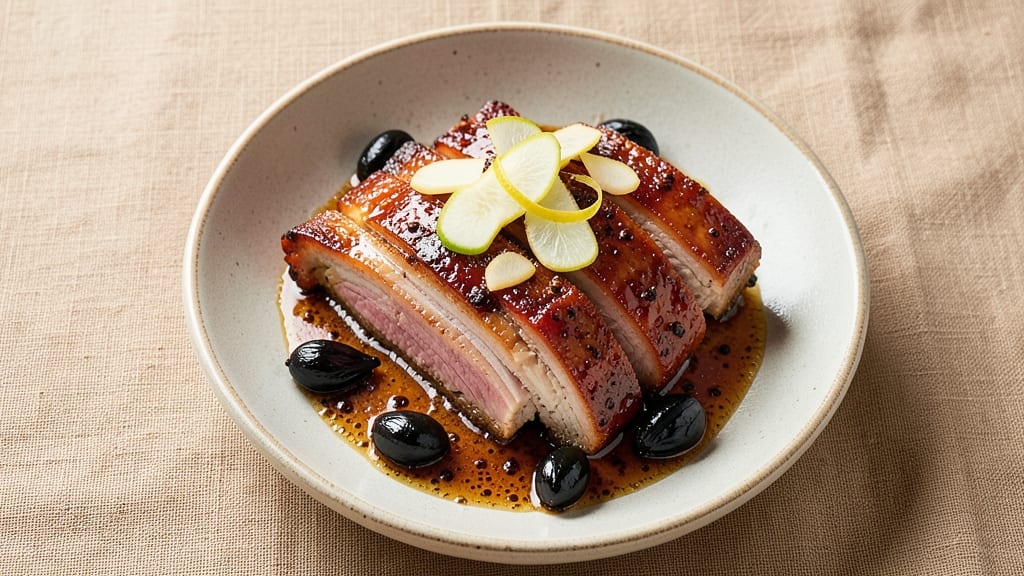
This Filipino-style braised pork spare ribs recipe delivers melt-in-your-mouth tenderness with a perfect balance of soy and vinegar. The slow-cooking process transforms tough ribs into succulent, caramelized slices that fall apart easily.
What sets this dish apart is the aromatic blend of garlic, ginger, and spices that infuses every bite with deep, savory flavor—just like your favorite turo-turo or char siu from a Filipino restaurant.
The secret lies in the braising technique: ribs simmered in a rich sauce of soy sauce, vinegar, and brown sugar until the meat becomes fork-tender and the edges develop a glossy, slightly crispy finish.
This method ensures maximum flavor absorption while keeping the ribs moist and flavorful. The sauce reduces to a sticky, glaze-like consistency, perfect for drizzling over each serving.
What you’ll end up with is a dish that’s rich, aromatic, and deeply satisfying—ideal for family meals or special occasions.
The ribs pair beautifully with steamed white rice to soak up every last bit of that savory sauce, or serve alongside atchara (pickled papaya) and a fresh cucumber salad for a well-rounded meal. The combination of textures and flavors makes this a standout dish that’s both comforting and impressive.
Ready in about 3 hours (mostly hands-off time), this recipe is perfect for those who love slow-cooked dishes with big flavor payoffs. The process is straightforward, but the results are anything but ordinary—each bite is a testament to the magic of braising. Let’s get started!
Ingredients for braised pork spare ribs recipe filipino style
Rich, aromatic ingredients transform tough ribs into melt-in-your-mouth Filipino-style braised perfection.
| Ingredient | Amount | Notes |
|---|---|---|
| Pork Spare Ribs 🍖 | 2 ½ lb | Bone-in, meaty cut preferred |
| Soy Sauce 🍶 | ½ cup | High-quality, preferably Filipino brand |
| Cane Vinegar 🍋 | ¼ cup | White or white cane vinegar |
| Dark Brown Sugar 🍚 | ¼ cup | Packed, not granulated |
| Garlic Cloves 🧄 | 8 cloves | Minced, fresh preferred |
| Fresh Ginger 🌿 | 2 tbsp | Grated, peeled, aromatic |
| Bay Leaves 🌿 | 2 whole | Dried, for deep aroma |
| Black Peppercorns 🌶️ | 1 tsp | Crushed, for subtle heat |
| Onion 🧅 | 1 whole | Yellow, sliced into wedges |
| Water 💧 | 1 cup | Filtered, for clear sauce |
| Vegetable Oil 🫒 | 2 tbsp | For searing ribs |
| Salt 🧂 | 1 ½ tsp | Kosher or sea salt |
| Green Onions 🧅 | 3 whole | Sliced, for garnish |
| Sesame Oil 🫒 | 1 tsp | Toasted, for finishing |
The ribs are the star—look for meaty spare ribs with good marbling at your local butcher or Filipino grocery stores like 99 Ranch or H Mart. These cuts stay tender during braising, while leaner cuts can turn dry. If you can't find spare ribs, baby back ribs work in a pinch, though they'll be slightly less flavorful. The soy sauce is non-negotiable: Filipino brands like Silver Swan or Royce elevate the dish with their deeper umami profile. For vinegar, white cane vinegar (like Calvin's) adds that signature tang without overpowering the sweetness. The dark brown sugar should be packed—it caramelizes beautifully during cooking, creating that glossy glaze you crave.
No Filipino soy sauce? Japanese or Korean brands work well, but reduce the amount slightly since they tend to be saltier. Substituting vinegar? Apple cider vinegar adds fruity notes, but white wine vinegar keeps it classic. The ginger and garlic are where the magic happens—freshly grated ginger (not powdered) and minced garlic (not jarred) create layers of flavor. Short on time? Pre-minced garlic from the jar is fine, but toast it lightly in oil first to deepen the flavor. The bay leaves might seem small, but they infuse the sauce with earthy depth—don’t skip them! For a spicier kick, add a pinch of ground black pepper or a slice of fresh chili.
This dish tastes even better the next day as the flavors meld. Store leftovers in an airtight container in the fridge for up to 4 days, or freeze for 3 months. The sauce thickens as it cools, so add a splash of water when reheating. For serving, drizzle with toasted sesame oil and sprinkle with green onions—trust me, it’s worth the extra minute. The ribs pair perfectly with steamed jasmine rice to soak up every last bit of that sticky, soy-glazed goodness. Double the recipe if you're feeding a crowd—braising larger batches works just as well, and leftovers make amazing sandwiches the next day.
Why You'll Love This Recipe
- One-Pan Magic: I swear by this recipe because it’s literally one pot—no chopping boards, no extra pans, just ribs, vinegar, and sugar simmering until the house smells like heaven. The pork falls off the bone while the sauce thickens into a glossy, sticky blanket that’s ridiculously easy to serve straight from the pot.
- Sweet-Sour Crunch: That balance of cane vinegar’s sharp tang and dark brown sugar’s caramelized depth? It’s the kind of flavor that makes you pause mid-bite. The garlic cloves get soft and aromatic, while the soy sauce adds this deep, umami punch—like a hug for your taste buds.
- Weeknight Workhorse: Between us, this is my go-to for lazy Sundays or when friends drop by unannounced. It’s hearty enough for a family dinner but still feels special, and the leftovers? Chef’s kiss. Reheat them the next day, and they’re just as good—better, even, because the flavors meld overnight.
- Budget-Friendly Feast: Pork spare ribs are affordable, and this recipe stretches them into a meal that feels luxurious without breaking the bank. A few cloves of garlic, a splash of vinegar, and some sugar turn cheap cuts into something that tastes like you spent hours slaving over it. Honestly, it’s my secret for feeding a crowd without stress.
Step-by-step instructions for braised pork spare ribs Filipino style
Transform tough pork ribs into melt-in-your-mouth tenderness using this foolproof braising technique.
Prepare the Ribs for Maximum Flavor
Pat the 2.5 lb pork spare ribs completely dry with paper towels—this ensures a proper sear later. Remove any excess fat but leave about ¼ inch to protect the meat during cooking. In a small bowl, combine the 0.5 cup soy sauce, 0.25 cup cane vinegar, 0.25 cup dark brown sugar, 8 cloves minced garlic, 2 tbsp grated fresh ginger, 1.5 tsp salt, and 1 tsp crushed black peppercorns. Mix thoroughly until the sugar dissolves completely, creating a rich marinade base.
Here's the thing—Filipino-style ribs rely on this sweet-savory-sour balance right from the start. The vinegar tenderizes while the sugar caramelizes during braising. Don't skip the mixing time; you want a smooth, cohesive marinade that will cling perfectly to the ribs.
Sear the Ribs for Deep Flavor
Heat the 2 tbsp vegetable oil in a large Dutch oven over medium-high heat until shimmering. Working in batches if needed, sear the ribs on all sides until deep golden brown—about 3-4 minutes per side. The oil should sizzle vigorously, and you'll smell that irresistible meaty aroma developing. This step creates the Maillard reaction that builds complex flavors.
I press down gently on the ribs during the first minute of searing—this prevents them from curling and ensures even contact with the pan. If the oil starts smoking excessively, reduce heat slightly. Once all ribs are beautifully browned, remove them from the pot and set aside temporarily.
Build the Braising Liquid
In the same Dutch oven, add the sliced whole onion and 2 whole bay leaves. Cook for 2-3 minutes until the onions soften slightly and release their sweet aroma. Pour in the 1 cup water and scrape up all those delicious browned bits from the bottom of the pot—this is where the magic happens, capturing all that searing flavor.
Return the ribs to the pot, bone-side down, and bring the liquid to a gentle simmer. The ribs should be mostly submerged, but don't worry if they're not completely covered—they'll cook through evenly. Here's where patience pays off: cover the pot and reduce heat to low, letting the ribs braise undisturbed for 1 hour 15 minutes.
Finish with Glazed Perfection
After the initial braising time, carefully remove the ribs and set them aside. Increase heat to medium and simmer the braising liquid uncovered for 10-12 minutes until reduced by about one-third. The sauce should thicken slightly and develop a glossy sheen. This concentrated flavor will coat your ribs beautifully.
Return the ribs to the pot and add the prepared marinade mixture. Stir gently to combine, then cover and return to low heat for another 30 minutes. The ribs are done when they're fork-tender and the sauce has thickened into a sticky glaze. You'll know they're perfect when they pull apart easily with minimal resistance.
Serve with Garnish and Style
Transfer the ribs to a serving platter and drizzle generously with the braising sauce. Garnish with the sliced 3 whole green onions and a drizzle of 1 tsp toasted sesame oil. The sesame oil adds that final aromatic punch that makes this dish truly Filipino-inspired.
Let the ribs rest for 5 minutes before serving—this allows the juices to redistribute throughout the meat. Each bite should deliver that perfect balance of tender meat, sweet-savory sauce, and subtle umami depth. Serve with steamed jasmine rice to soak up every delicious drop of that glaze.
Pro Tips For Making Braised Pork Spare Ribs Recipe Filipino Style
- Brown the Ribs Hard: Don’t skimp on the sear—get those ribs deep golden in a hot pan with oil before adding liquid. I learned this the hard way: pale ribs mean pale sauce, and you’ll end up with something closer to a stew than the rich, caramelized flavor you want. Three minutes per side, no rushing.
- Mince That Garlic: Skip the rough chop—finely mince the garlic so it dissolves into the braise instead of sitting as chunks. My grandmother swore by this, and she was right: it spreads flavor evenly, not just where the teeth land. A knife or garlic press works; just don’t skip it.
- Deglaze with Vinegar First: After browning, hit the pan with cane vinegar before soy sauce—it cuts through the fat and lifts the stuck-on bits into the sauce. I was skeptical until I tried it: the sauce ends up glossier and brighter, not dull. Pour it in, scrape, then add the soy.
- Simmer Slow and Low: Cover the pot and walk away—braising these ribs at a bare simmer (small bubbles, occasional skimming) keeps the meat tender and the sauce thick. I used to babysit it, and the ribs turned out dry. Trust the process; 1.5–2 hours is enough.
Perfect pairings for this braised pork spare ribs recipe filipino style
Classic Filipino Sides
Steamed jasmine rice is the quintessential pairing—its light, fluffy texture soaks up the rich, sticky sauce perfectly. Cook 2 cups of rice with 3 cups water and a pinch of salt for every 1 cup uncooked rice.
For an extra touch, stir in 1 tbsp toasted sesame oil after cooking for that unmistakable Filipino aroma. 🌾
Atchara (pickled papaya) provides the perfect tangy contrast to the sweet-savory ribs. Look for it at Asian grocery stores like 99 Ranch or H Mart. The bright green color and crunchy texture cut through the richness beautifully. Serve ½ cup per person alongside the ribs.
Crunchy Vegetable Pairings
A simple cucumber salad with a Filipino twist elevates the meal. Thinly slice 2 English cucumbers and toss with 2 tbsp rice vinegar, 1 tsp sugar, ½ tsp salt, and 1 tbsp chopped green onions.
Add 1 tsp toasted sesame seeds for extra crunch and texture. Chill for 30 minutes before serving.
For a heartier option, try garlic green beans. Sauté 1 lb green beans with 3 minced garlic cloves and 1 tbsp soy sauce for 5-6 minutes until tender-crisp.
Finish with a sprinkle of crushed black pepper and a drizzle of sesame oil. This side adds freshness and balance to the rich ribs. 🥦
Beverage Pairings
Calamansi juice is the ultimate Filipino drink pairing—its tart, citrusy flavor cleanses your palate between bites. Mix ½ cup fresh calamansi juice with ½ cup water and 1 tsp sugar to taste. Serve chilled over ice for a refreshing contrast to the rich, savory ribs. If you can't find calamansi, lemon-lime soda works in a pinch.
For a non-alcoholic option, try barley tea (or hibiscus tea if you prefer tartness). The nutty, slightly bitter notes complement the sweet-savory ribs beautifully. Brew 2 tbsp barley tea leaves in 4 cups hot water for 5 minutes, then strain and serve warm or iced. 🍵
Extra Toppings
Finish your plate with crispy fried shallots for added crunch and depth. Fry ½ cup thinly sliced shallots in 2 tbsp oil over medium heat for 3-4 minutes until golden brown.
Drain on paper towels and sprinkle generously over the ribs before serving. The shallots add a delightful textural contrast that elevates every bite.
For a smoky finish, drizzle the ribs with Filipino-style chili sauce like Toyo Keema or Sriracha before serving. Start with 1 tsp and adjust to taste—this adds a subtle heat that pairs wonderfully with the sweet-savory glaze. 🌶️
Nutrition facts
Frequently asked questions
Why do Filipino-style braised ribs need both soy sauce and vinegar?
The combination creates the signature Filipino flavor profile—soy sauce provides deep umami richness while vinegar tenderizes the meat and adds bright acidity. The balance between sweet (brown sugar), salty (soy), and tangy (vinegar) is what makes these ribs uniquely satisfying. Too much vinegar? The ribs will taste overly sharp.
Can I use baby back ribs instead of spare ribs?
Yes, but expect slightly different results! Baby back ribs are leaner and cook faster (about 1 hour less braising time). For best results, reduce the soy sauce by 1 tbsp and add ½ cup extra water to prevent drying. The meat will be more tender but less fatty than spare ribs.
How do I know when the ribs are fully tender?
They're done when they pull apart easily with two forks and the meat slides off the bone. Test by inserting a fork between the bones—if it goes in with minimal resistance and the meat separates cleanly, they're perfect. The sauce should also coat the back of a spoon thickly, not runny.
Can I make this in a slow cooker instead?
Sear the ribs first, then transfer everything to the slow cooker and cook on LOW for 5-6 hours. The sauce will be thinner, so reduce it on the stovetop for 10 minutes before serving. For extra flavor, add 1 tbsp soy sauce and 1 tsp grated ginger during the last 30 minutes.
What if my ribs turn out too dry?
This usually happens if overcooked or using lean cuts. To fix it, shred the ribs and simmer them in the braising sauce for 15-20 minutes on low heat. The sauce will rehydrate the meat. For prevention, reduce cooking time by 15 minutes next time and add ¼ cup water if needed during braising.