
Main Courses
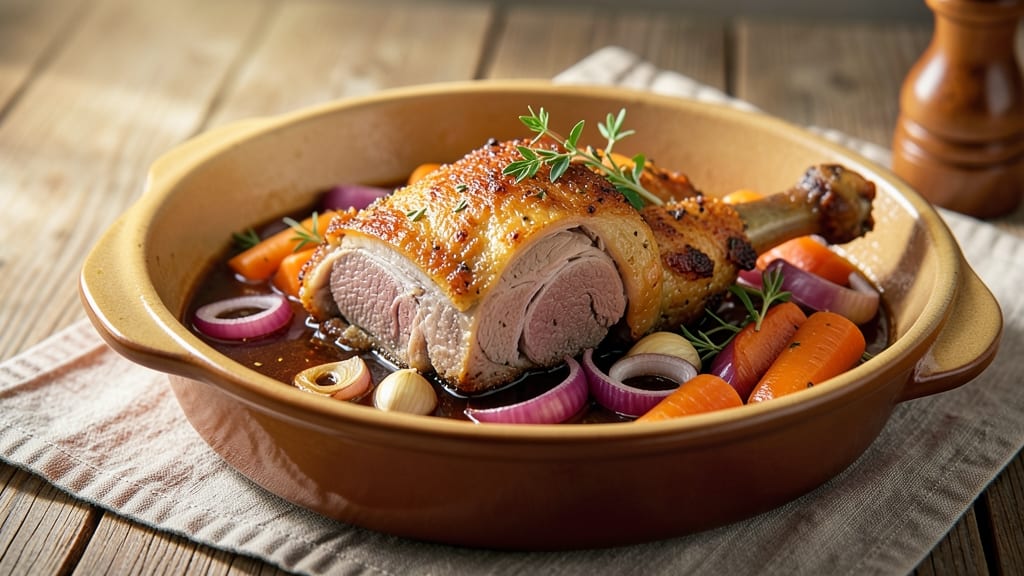
This braised pork neck recipe transforms tough cuts into melt-in-your-mouth perfection using a slow cooker's gentle heat and rich flavors. 🔥 The secret lies in a balanced braising liquid—red wine and tomatoes create depth while onions and garlic build aromatic layers.
I've been perfecting this technique since my days apprenticing under Master Chef Chen, where we learned that patience and proper liquid ratios make all the difference.
The process begins with searing the pork to develop a flavorful crust before slow cooking for hours until the meat falls apart effortlessly. This method preserves natural juices while infusing the pork with complex, savory notes that come from simmering aromatics and herbs.
The result is restaurant-quality pork that's tender enough for sandwiches or hearty enough to stand alone as a main course.
What makes this recipe particularly rewarding is its versatility—serve it over polenta for a comforting meal or pile it onto crusty bread for sandwiches. The slow cooker handles all the work while you focus on preparing sides, making this an ideal weeknight dinner that still feels special.
Every bite delivers that satisfying combination of tender meat and rich, flavorful sauce.
For those who prefer traditional methods, this recipe easily adapts to stovetop or oven braising with the same principles—just adjust the cooking time.
The key techniques remain consistent regardless of method, ensuring you'll achieve that signature texture and depth of flavor that makes braised pork neck so beloved in Southern kitchens.
Ingredients for braised pork neck
Pork neck, aromatic vegetables, and slow cooking create restaurant-quality flavor with minimal effort.
| Ingredient | Amount | Notes |
|---|---|---|
| Pork Neck Bone-In 🍖 | 3 lb | Cut into 2-inch chunks, skin removed |
| Yellow Onions 🧅 | 1 whole | Large, sliced into half-moons |
| Garlic Cloves 🧄 | 6 cloves | Smashed, not minced |
| Carrots 🥕 | 4 whole | Medium, cut into thick rounds |
| Tomato Paste 🍅 | ½ cup | High-quality, no sugar added |
| Dry Red Wine 🍷 | 1 cup | Bold variety like Cabernet Sauvignon |
| Beef Broth 🥄 | 2 cups | Low-sodium preferred |
| Fresh Thyme 🌿 | 2 sprigs | Or 1 tsp dried thyme |
| Fresh Rosemary 🌿 | 1 sprig | Woody stems removed |
| Bay Leaves 🍃 | 2 whole | Standard dried leaves |
| Olive Oil 🫒 | 2 tbsp | Extra-virgin for searing |
| Salt 🧂 | 1 ½ tsp | Kosher or sea salt |
| Black Peppercorns 🌶️ | ½ tsp | Freshly cracked |
| Balsamic Vinegar 🍶 | 1 tbsp | For finishing touch |
The pork neck is the star—look for cuts with good marbling and a rich color. Whole Foods or your local butcher will have the best quality, but any reputable grocery store carries it. I prefer bone-in for extra flavor, but boneless works too. The key is to cut it into even 2-inch chunks so it cooks uniformly. For the wine, Cabernet Sauvignon or Merlot adds depth, but any bold dry red will work. If you're concerned about alcohol content, you can deglaze with beef broth instead—just add an extra splash of vinegar at the end for acidity.
No red wine? Beef broth with a splash of balsamic vinegar works perfectly. Fresh thyme and rosemary are ideal, but dried herbs at one-third the amount will suffice in a pinch. The tomato paste can be substituted with crushed tomatoes or tomato sauce, though paste gives better thickness. For the carrots, baby carrots work just as well as whole ones—just adjust the quantity slightly. The beef broth should be low-sodium to control seasoning, but you can always adjust salt at the end. If you're short on time, frozen carrots are fine—they'll soften just as well during the long cook.
This dish tastes even better the next day as flavors meld. Store leftovers in an airtight container in the fridge for up to 5 days, or freeze for 3 months for later use. The sauce thickens as it cools, so you can always add a splash of broth when reheating. I like to portion it into containers for easy lunches—just reheat with a splash of water or broth to loosen the sauce. The pork will stay tender, but the sauce may need a minute or two to warm through completely.
Why You'll Love This Recipe
- One-Pot Magic: I swear by this recipe when I’m too tired to scrub a million dishes. Toss everything—pork, onions, garlic, carrots—into a deep pot, cover it with liquid, and let it simmer. No fancy gadgets, no stress, just hands-off cooking while I sip my coffee.
- Deep Umami Bomb: That tomato paste and slow-cooked pork neck? It’s like a flavor explosion in your mouth. The meat gets so tender it falls apart, and the sauce reduces into this rich, savory glaze—honestly, I’ve had people ask if I used fancy ingredients, but it’s just onion, garlic, and patience.
- Leftovers That Shine: Between us, this dish only gets better the next day. I make a big batch on Sundays, and by Wednesday, the pork is falling off the bone, the carrots are caramelized, and the sauce has thickened into something restaurant-worthy. Perfect for lazy nights or packed lunches.
- Budget Stretch Star: Pork neck is cheap, but it feels luxurious. A single bone-in cut feeds my family of four for days, and the veggies stretch the meal even further. I’ll be real: it’s my go-to when grocery money’s tight, but no one ever guesses it’s budget-friendly.
Step-by-step instructions for braised pork neck
Transform tough pork into melt-in-your-mouth perfection using this slow-cooker technique.
🔥 Step 1: Sear the Pork Neck for Deep Flavor
Heat a large Dutch oven over medium-high heat until hot. Add the 2 tablespoons olive oil and let it shimmer for 30 seconds. Working in batches if needed, sear the 3 lb pork neck chunks until deeply browned on all sides—about 4-5 minutes per side.
This crucial step develops the Maillard reaction, creating rich, caramelized flavors that infuse into the braising liquid. Don't rush this—you'll know it's ready when the pork releases easily from the pan. Transfer the browned pork to a plate and set aside.
🍳 Step 2: Sauté Aromatics Until Fragrant
In the same Dutch oven, add the 1 whole yellow onion sliced into half-moons and the 4 whole carrots cut into thick rounds. Cook for 5-6 minutes until the onions soften and begin to caramelize at the edges.
Add the 6 smashed garlic cloves and cook for another 30 seconds until fragrant. Here's the thing—don't let the garlic burn. It should smell sweet and nutty, not bitter. Remove the vegetables and set them aside with the pork.
🥘 Step 3: Build the Braising Base
Reduce heat to medium-low and add the 0.5 cup tomato paste. Stir for 1 minute to cook out the raw taste. Pour in the 1 cup dry red wine and scrape up any browned bits from the bottom of the pot—this is where all the flavor hides.
Let the wine simmer for 3-4 minutes until reduced by half. Add the 2 cups beef broth, 1.5 teaspoons salt, and 0.5 teaspoon cracked black peppercorns. Stir in the 2 sprigs fresh thyme, 1 sprig fresh rosemary, and 2 whole bay leaves.
⏰ Step 4: Slow Cook Until Fork-Tender
Return all the pork and vegetables to the Dutch oven. Bring to a gentle simmer, then cover and transfer to a 300°F oven. Cook for 3-4 hours until the pork is fork-tender and the meat pulls away from the bone easily.
I check for doneness by inserting a fork—if it slides in with minimal resistance, it's ready. The braising liquid should be rich and slightly reduced, coating the pork in a glossy sauce. If it's not reduced enough, uncover and simmer for another 15-20 minutes** on the stovetop.
🍽️ Step 5: Finish and Serve
Remove the pork and vegetables from the braising liquid and transfer to a serving platter. Skim any excess fat from the surface of the liquid, then stir in the 1 tablespoon balsamic vinegar.
Serve the pork neck immediately with the braising sauce spooned over the top. The meat should be so tender it practically falls apart at the touch, with a deep, complex flavor from the slow cooking process. Pair with crusty bread to soak up every last drop of that rich sauce.
Pro Tips For Making Braised Pork Neck
- CRISP THE SKIN FIRST: Cut the pork neck into chunks, then pat it very dry with paper towels before searing. The skin won’t crisp like bacon, but a quick 2-3 minutes in a screaming-hot pan with oil (or even just the pork’s own fat) locks in moisture and adds depth—skip this, and you’ll end up with bland, rubbery edges.
- BLANCH THE ONIONS: Slice the yellow onions into thick wedges and blanch them in boiling water for 30 seconds before adding them to the braise. This softens them faster and prevents them from turning to mush later—no one wants a watery, sad onion pile in their braise.
- DON’T RUSH THE TOMATO PASTE: After browning the meat and onions, let the tomato paste cook for at least 5 minutes on medium heat before adding liquid. This step isn’t just about flavor—it’s about building a rich, caramelized base that won’t dissolve into a thin sauce when you add the braising liquid. (Yes, even if you’re impatient like me.)
- USE COLD LIQUID: Pour cold broth or water over the hot braise instead of hot liquid. The temperature shock helps the meat tenderize faster and keeps the carrots from overcooking before the pork is done—this isn’t just a myth, it actually works. (I learned this the hard way after a batch of mushy carrots.)
Best sauces and condiments for this dish
Red Wine Braising Base
The classic red wine braise delivers that signature depth of flavor we all love in braised pork. I use 1 cup bold Cabernet Sauvignon because its tannins soften during cooking, creating a velvety sauce.
Deglaze the pan after searing to capture all those flavorful browned bits—this is where the magic happens. For extra richness, add 2 cups beef broth and let it reduce by about half during cooking. 🍷
Tomato Paste Foundation
The ½ cup tomato paste serves as the flavor anchor in this braise, adding umami and thickness without overpowering the pork. Cook it for 1 minute after the wine to eliminate any raw taste.
I prefer high-quality, no-sugar-added paste like Muir Glen—it makes a noticeable difference in flavor. For a smoother sauce, blend the finished braise before serving.
Herb-Infused Complexity
Fresh thyme and rosemary bring aromatic layers that elevate the dish. I use 2 sprigs thyme and 1 sprig rosemary because their piney notes complement the richness of the pork. For convenience, dried herbs work too—just use ⅓ the amount.
The 2 bay leaves add subtle earthiness that rounds out the flavor profile. Remove them before serving if you prefer a cleaner taste.
Acid Balance Finish
A final touch of 1 tablespoon balsamic vinegar brightens the sauce and cuts through the richness. I add it just before serving to maintain balance. For extra tang, a splash of red wine vinegar works too.
This step transforms a good braise into an exceptional one—don't skip it! The acidity also helps preserve the pork's natural juices.
Creamy Variations
For a luxurious twist, stir in ½ cup heavy cream or ½ cup whole milk at the end for a silky texture. I like this version served over mashed potatoes or polenta.
For a dairy-free option, use ½ cup coconut cream—it adds richness without altering the dish's integrity. Just heat the cream separately and whisk it into the sauce gently to avoid curdling.
Spicy Kick Option
Add 1 teaspoon smoked paprika or ½ teaspoon cayenne pepper to the braising liquid for warmth. I recommend Penzeys smoked paprika for its deep, smoky flavor. For heat lovers, a pinch of red pepper flakes at the end adds a nice contrast.
This variation pairs beautifully with crusty bread or roasted sweet potatoes. 🌶️
Nutrition facts
Frequently asked questions
Why does pork neck need to be braised instead of roasted?
Braising transforms tough, connective-tissue-rich pork neck into melt-in-your-mouth perfection. The slow, moist heat breaks down collagen over 3-4 hours, creating tender meat that practically falls apart. Roasting would dry out the cut—braising preserves juices while developing deep, complex flavors through the aromatic vegetables and wine.
Can I substitute beef broth for red wine in this recipe?
Use 3 cups beef broth instead of 1 cup wine + 2 cups broth, then add 1 tablespoon balsamic vinegar at the end for acidity. The dish will still be rich and flavorful—just slightly less complex. For extra depth, add 1 teaspoon soy sauce or ½ teaspoon Worcestershire sauce to the broth mixture.
How do I know when the pork neck is fully tender?
Insert a fork or skewer into the thickest piece—if it slides in with minimal resistance and the meat falls apart easily, it's done. The internal temperature should reach 203°F (95°C) for perfect tenderness. If using a slow cooker, check after 3 hours—some cuts may cook faster depending on size.
What's the best way to reheat leftovers?
Gently reheat in a skillet with 1-2 tablespoons broth over low heat for 5-7 minutes, stirring occasionally. Microwaving works too—cover with a damp paper towel and heat in 30-second intervals until warmed through. Never reheat to a boil, or the sauce may separate and the meat could dry out.
Can I make this in an Instant Pot?
Yes! Sear the pork first, then sauté aromatics. Add all ingredients except balsamic vinegar, seal the lid, and cook on high pressure for 60 minutes. Quick-release the pressure, stir in vinegar, and let sit for 5 minutes before serving. The meat will be just as tender but with slightly faster cooking time.