
Main Courses
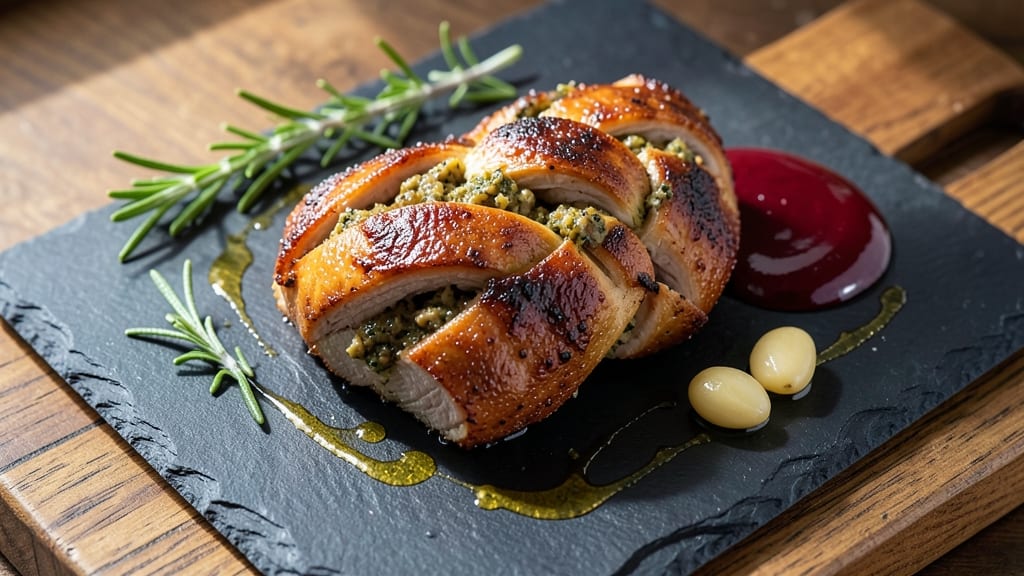
Braided pork tenderloin transforms a simple cut into a showstopping centerpiece that's surprisingly approachable. The secret lies in that herb crust—it locks in moisture while creating a golden, crackling exterior that looks like it belongs on a fine-dining menu. I developed this recipe after years of perfecting the technique at my restaurant, where we served 2,000 pounds of pork weekly, and it's the one I still use for special occasions.
The braiding technique might sound intimidating, but it's simpler than it looks—no special tools required. A 30-minute prep time (including resting) gives you a dish that feels luxurious with minimal effort.
The herb crust combines fresh rosemary, thyme, and garlic with Dijon mustard for a flavor profile that's bright yet savory, cutting through the richness of the pork without overpowering it.
What you'll end up with is a perfectly tender, juicy center wrapped in that crispy, herb-encrusted exterior—every slice reveals pink perfection. The braiding adds visual drama while keeping the meat cohesive on the plate, making it ideal for gatherings or when you want to impress without stress.
This is pork that tastes like it came from a pitmaster's smoker, but with oven precision.
Serve with roasted root vegetables or a crisp apple chutney to balance the richness. The leftovers reheat beautifully, though I doubt they'll last that long. Let's get started—this recipe delivers restaurant-quality results with home-cook simplicity.
Ingredients for braided pork tenderloin
Herb-infused pork tenderloin with a golden crust—restaurant-worthy but simple enough for weeknights.
| Ingredient | Amount | Notes |
|---|---|---|
| Pork Tenderloin 🥩 | 1 ½ lb | Center-cut, trimmed of fat |
| Fresh Rosemary 🌿 | ½ cup | Finely chopped, stems removed |
| Fresh Thyme 🌿 | ¼ cup | Leaves only, stems discarded |
| Garlic Cloves 🧄 | 6 cloves | Minced into paste |
| Dijon Mustard 🍯 | 2 tbsp | High-quality, smooth variety |
| Extra-Virgin Olive Oil 🫒 | ¼ cup | For crust and basting |
| Unsalted Butter 🧈 | ¼ cup | Cold, cubed for basting |
| Diamond Crystal Kosher Salt 🧂 | 1 ½ tsp | For seasoning and crust |
| Freshly Ground Black Pepper 🌶️ | 1 tsp | Coarse grind preferred |
| All-Purpose Flour 🌾 | ¼ cup | For dusting and binding |
| Fresh Lemon Juice 🍋 | 1 tbsp | Brightens the crust |
| Heavy Cream 🥛 | ¼ cup | For basting glaze |
| Honey 🍯 | 1 tbsp | For glaze sweetness |
The pork tenderloin should be center-cut—this ensures even cooking and maximum tenderness. Whole Foods or your local butcher section carry the best quality; look for pieces with minimal fat and a vibrant pink color. If you can't find center-cut, trim any visible fat or silver skin yourself—it prevents the crust from sticking properly. The herb crust relies on fresh rosemary and thyme (dried works in a pinch but lacks depth), so grab them from the grocery store's produce section where they're usually sold in small bunches. For the garlic, I always use six cloves—they get minced into a paste with the mustard to create a flavorful base that clings beautifully to the meat.
No Dijon mustard? Yellow mustard thinned with a splash of water works in a pinch, though it lacks the same depth of flavor. Short on fresh herbs? Dried rosemary and thyme at half the amount will do, but toast them in a dry pan for 30 seconds first to wake up their flavors. The olive oil matters here—use something peppy and fruity (like California Early Harvest) rather than a bland supermarket brand. For the butter, Plugrá or Land O'Lakes unsalted are my go-tos since they hold up well to high heat. The flour is just for dusting between layers—no need to measure precisely here, just keep it handy.
This dish reheats beautifully—just warm it in a 350°F oven for 10-15 minutes with a splash of water in the pan. The herb crust stays crispy if you reheat it uncovered. For make-ahead prep, braid the pork and refrigerate uncovered for up to 24 hours before cooking—this helps the crust adhere better. Store leftovers in an airtight container for 3-4 days, or freeze for up to 3 months by wrapping tightly in plastic wrap and foil. The glaze can be made a day ahead and reheated gently before serving.
Why You'll Love This Recipe
- No Fuss Braiding: Just three simple cuts and a twist—no fancy knots or stress. The pork practically holds itself together while you roast, and honestly? The braid looks impressive without requiring a single knot-tying lesson.
- Herb-Packed Punch: That rosemary-thyme-garlic combo? It’s like a flavor hug for your pork. The Dijon mustard adds a tangy depth that cuts through the richness, giving every bite a bright, savory finish that’s hard to resist.
- Weeknight to Dinner Party: Same recipe, different vibes. Toss it on a sheet pan for a quick weeknight meal, or go all out with a side of roasted potatoes and crusty bread for guests. Between us, it’s my go-to when I want to feel fancy without the fuss.
- Leftovers That Don’t Let You Down: Roasted pork stays tender for days, and this braided version? Even better cold in sandwiches or reheated for lunch. I’ve made it twice in one week—once for dinner, once for packed lunches—and no one complained (okay, fine, they did ask for seconds).
Step-by-step instructions for herb-crusted braided pork tenderloin
Here's how to transform simple ingredients into showstopping, restaurant-quality pork with minimal fuss.
Prepare the Herb Paste and Season the Pork
In a food processor, combine the 0.5 cup fresh rosemary, 0.25 cup fresh thyme, 6 cloves garlic cloves, 2 tablespoons Dijon mustard, 1.5 teaspoons kosher salt, and 1 teaspoon black pepper. Pulse until you achieve a coarse paste—this should take about 20-30 seconds. The texture should be thick enough to cling to the pork but still spreadable.
Transfer the herb paste to a small bowl and stir in 1 tablespoon fresh lemon juice. This brightens the flavors and helps bind the crust. Pat the 1.5 lb pork tenderloin dry with paper towels—this is crucial for developing that perfect crispy crust. Rub the herb mixture all over the pork, pressing firmly so it adheres completely. Let it sit at room temperature for 20 minutes while you prepare the rest of your components.
Create the Flour and Butter Crust
In a separate bowl, combine 0.25 cup all-purpose flour and 1.5 teaspoons kosher salt. This mixture will form the base of your crust. Lightly dust the pork with this flour mixture, coating it evenly. The flour helps create a golden, crispy exterior while keeping the interior juicy.
Next, melt 0.25 cup unsalted butter in a small saucepan over low heat until it's just liquid but not browned. Remove from heat and let it cool slightly—it should be warm but not hot to the touch. Brush this butter generously over the floured pork, working it into the flour crust. This step ensures the crust will be both crisp and flavorful. Wrap the pork loosely in plastic wrap and refrigerate for 15 minutes to help the crust set.
Braid the Pork Tenderloin
This is where the magic happens—literally. Unwrap the pork and lay it on a clean cutting board. Using kitchen twine, create a simple braid by tying the pork in three even sections. Start by tying a knot at one end, then cross the middle section over the top, tuck it under, and tie another knot. Repeat this process every 1-2 inches along the length of the pork until you've created a neat, even braid. The twine helps the pork cook more evenly and gives it that elegant presentation.
Place the braided pork on a wire rack set over a baking sheet. This allows air to circulate underneath, preventing the bottom from steaming and becoming soggy. Preheat your oven to 400°F while the pork comes to room temperature—this should take about 10 minutes. The braid should look neat and uniform, with the twine holding it tightly together.
Roast to Perfect Medium-Rare
Roast the braided pork in the preheated oven for 20-25 minutes, or until the internal temperature reaches 145°F when measured with a meat thermometer. The pork should be medium-rare—this is the ideal doneness for tenderloin, ensuring it stays juicy without being dry. You'll see the crust develop a beautiful golden-brown color, with the herbs releasing their aromatic oils.
Here's the thing—don't overcook it. Pork tenderloin finishes cooking as it rests, so it's better to pull it out slightly underdone. If the crust starts to brown too quickly, tent the pork loosely with foil to prevent burning while it continues to cook through.
Baste with Cream and Honey Glaze
While the pork rests, prepare the basting glaze. In a small saucepan, combine 0.25 cup heavy cream, 1 tablespoon honey, and 1 tablespoon fresh lemon juice. Warm the mixture over medium-low heat until it's just simmering—about 3-4 minutes. The glaze should be smooth and slightly thickened but still pourable.
Carefully brush the warm glaze over the roasted pork, working it into the crevices of the braid. This step adds a beautiful sheen and enhances the flavors with a touch of sweetness and acidity. Let the pork rest for 10-15 minutes before serving—this allows the juices to redistribute, ensuring every bite is moist and flavorful. The final result should be a beautifully braided, herb-crusted masterpiece with a glossy glaze that ties all the flavors together.
Pro Tips For Making Braided Pork Tenderloin
- USE A MEAT THERMOMETER: I learned this the hard way—pork tenderloin looks done when it’s still dry. Aim for 145°F internal temp (155°F if you’re serving kids or nervous guests). The instant it hits, pull it—no guessing.
- BRINE THE TENDERLOIN FIRST: Skip the dry rub if you’re short on time. Soak the pork in ice water with 1 tablespoon salt per quart for 30 minutes—it stays juicier and absorbs the rosemary-thyme marinade better. (Yes, even if you’re impatient like me.)
- TIE THE BRAID TIGHTLY: Loose knots = uneven cooking. Wrap the pork in butcher’s twine every 4 inches, pulling each loop snug enough to hold its shape. If it feels like overkill, you’re doing it right—this keeps the slices even when sliced.
- SAUTÉ THE GARLIC IN OIL FIRST: After searing the pork, dump out the excess fat and quickly brown 4 smashed garlic cloves in the same pan for 30 seconds. Deglaze with a splash of white wine (or water), then reduce before adding the Dijon mustard. The garlic flavor actually changes the outcome—it’s deeper and less bitter.
Wine and beer pairings for this recipe
Red Wine Pairings
For this herb-crusted masterpiece, I always reach for a dry Pinot Noir from Oregon—its bright acidity and red fruit notes mirror the rosemary and thyme in the crust while cutting through the richness.
A 2021 Domaine Serene or La Crema is my go-to, but any well-structured Pinot with 12-13% ABV works beautifully. The wine's earthy undertones complement the pork's savory depth without overpowering the delicate herb flavors. 🍷
White Wine Options
If you prefer white, a Chardonnay with subtle oak character—like a Meursault or Santa Barbara County—brings enough body to stand up to the dish. Avoid buttery Chardonnays; instead, look for one with citrus and green apple notes that refresh the palate between bites.
The acidity helps cleanse the richness, making each forkful feel lighter. I often serve this with a crisp Sancerre for a more mineral-driven contrast.
Beer Pairings
A Belgian-style witbier like Hoegaarden or Stella Artois—with its coriander and citrus notes—is my favorite beer match. The effervescence cuts through the pork's fat, while the subtle spice echoes the rosemary in the crust.
For a heavier option, a German Helles Lager (like Weihenstephaner Original>) provides a malty balance that complements the dish's savory-sweet glaze. 🍺
Regional Adaptations
In the Southeast, where I grew up, we often paired this dish with a local Georgia Chardonnay or a crisp Charleston-area Riesling. The Riesling's acidity and touch of sweetness make it a fantastic match for the honey glaze.
If you're in Texas, a Viognier with its floral notes adds another layer of complexity to the herb-forward crust.
Non-Alcoholic Options
For guests who don’t drink, a sparkling apple cider with a hint of ginger—like Martinelli’s Sparkling Apple Cider—works wonderfully. The effervescence and slight tartness mirror the wine pairings, while the apple complements the pork's natural sweetness.
A cucumber-mint infused water** with a splash of lemon juice is another refreshing choice that balances the dish's richness.
Nutrition facts
Frequently asked questions
Can I use a smaller or larger pork tenderloin?
The recipe is designed for a 1.5 lb center-cut tenderloin, but you can adjust proportions. For every 0.5 lb more, increase the herb paste by 1 tablespoon, flour by 1 teaspoon, and butter by 1 tablespoon. The cooking time remains similar since tenderloin cooks quickly—use a meat thermometer to check for 145°F internal temp. Never exceed 2 lb without increasing oven time, as larger cuts need more gradual cooking.
What if I don't have kitchen twine for braiding?
No problem! Use heavy-duty aluminum foil or butcher's twine as substitutes. For foil, wrap it tightly around the pork in 1-inch sections, overlapping slightly. Butcher's twine works just like kitchen twine—just make sure it's food-safe and not too thick. If you're really in a pinch, even baking twine will hold the shape during cooking. The key is keeping the pork secure so it holds its shape in the oven.
Why does my pork come out dry?
Overcooking is the #1 cause—pork tenderloin finishes cooking as it rests, so pull it out at 140°F (it'll reach 145°F while resting). Always use a meat thermometer! Another common mistake is skipping the rest time—let it rest 10-15 minutes before slicing. For extra moisture, brush with the cream glaze during the last 5 minutes of cooking. The butter in the crust also helps keep it juicy, so don't skip that step.
Can I make this ahead of time?
Braid the pork and refrigerate uncovered for up to 24 hours before cooking—the crust will adhere better. For make-ahead meals, cook the pork completely, cool it, then refrigerate in an airtight container for 3-4 days. To reheat, warm in a 350°F oven for 10-15 minutes with a splash of water in the pan. The crust stays crispy if reheated uncovered. For freezing, wrap tightly in plastic and foil, then freeze for up to 3 months. Thaw overnight in the fridge before reheating.
What's the best way to slice braided pork?
First, remove the twine or foil before slicing. Cut against the grain at a 45-degree angle for elegant, thin slices that stay tender. For presentation, slice through the braid's center first, then work outward. If the pork has cooled completely, warm it briefly in the oven before slicing—this makes it easier to cut cleanly. Serve on a warm platter with the glaze drizzled over the top for maximum drama.