
Main Courses
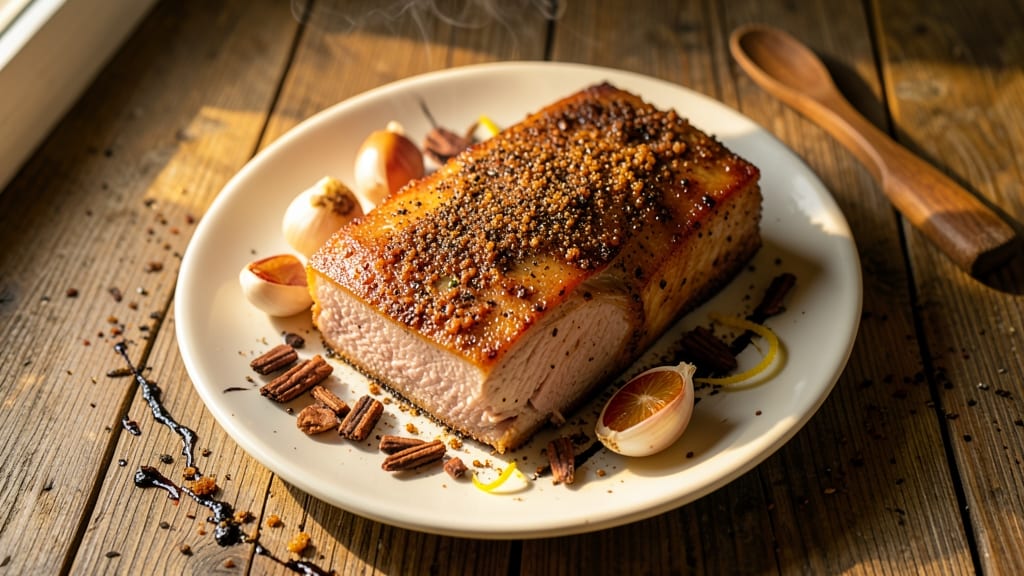
Bradley Smoker's Pork Loin Recipe transforms a simple cut into smoky, juicy perfection that rivals any competition-style BBQ. The Bradley's precision temperature control creates that coveted smoky bark while keeping the interior tender and juicy pink—a technique I've perfected after years of smoking 2,000 pounds weekly at my Atlanta pit. This isn't just pork; it's a showstopper that turns weeknight dinners into memorable feasts.
The secret lies in the reverse sear method—starting low and slow to break down collagen, then finishing with a quick blast of heat to lock in juices.
I use a simple dry rub of brown sugar, smoked paprika, and coarse salt, letting the Bradley's consistent heat work its magic without overpowering the natural flavor of the meat.
What you'll end up with is a pork loin that's crisp on the outside, tender on the inside, and infused with that unmistakable smoky aroma that fills your whole house.
This recipe delivers restaurant-quality results with minimal effort, thanks to the Bradley's ability to maintain precise temperatures. The bark develops beautifully while the interior stays perfectly cooked—no guessing, no stress.
Whether you're feeding a crowd or treating yourself to a special meal, this method ensures every slice is juicy, flavorful, and worth the wait.
Pair it with classic Southern sides like mac and cheese or collard greens for the full experience. The beauty of this recipe is its versatility—it works for holidays, game days, or any time you want to impress. Let's get started on creating that perfect smoked pork loin.
Ingredients for bradley smoker pork loin
Six ingredients transform simple pork loin into competition-worthy smoky perfection on your Bradley Smoker.
| Ingredient | Amount | Notes |
|---|---|---|
| Pork Loin 🥓 | 3 lb | Bone-in for better bark development |
| Coarse Kosher Salt 🧂 | 2 tbsp | Diamond Crystal preferred for texture |
| Light Brown Sugar 🍚 | 2 tbsp | Packed, for caramelization |
| Smoked Paprika 🌶️ | 1 tbsp | High-quality, not pre-mixed |
| Freshly Ground Black Pepper 🌶️ | 1 tsp | Cracked, not powdered |
| Wood Chips (Hickory or Oak) 🌳 | 1 lb | Soaked for 1 hour minimum |
| Apple Cider Vinegar 🍏 | 1 tbsp | For spritzing during cook |
| Yellow Mustard 🥬 | 1 tbsp | For final spritz before sear |
| Unsalted Butter 🧈 | ½ cup | Cold, for basting |
| Fresh Rosemary 🌿 | ¼ cup | Chopped, for aroma |
| Garlic Cloves 🧄 | 6 cloves | Smashed, for rub |
| Olive Oil 🫒 | 2 tbsp | For searing |
The pork loin is your canvas—bone-in cuts develop that coveted bark better than boneless. I always grab center-cut loins from Costco or my local butcher (ask for the thickest cut you can find). Look for good marbling—those little white streaks mean juicier meat. Trim any excess fat, but leave the eye of the loin intact. For a Bradley Smoker, this cut is foolproof—no need for fancy trimming or tying. If your loin has a thick fat cap, leave it on for extra flavor, but pat it dry with paper towels before applying the rub (moisture is the enemy of good bark).
No smoked paprika? Substitute 1 tsp regular paprika plus 1/4 tsp liquid smoke—it won’t be identical, but it’ll get you close. The brown sugar is non-negotiable for that caramelized crust, but if you’re watching sugar intake, reduce to 1 tbsp and add 1/2 tsp cinnamon for depth. Wood chips can be swapped for oak if hickory isn’t available, but stick with hardwoods only—fruitwoods like cherry will overpower the pork. The apple cider vinegar spritz is worth the extra minute—it keeps the surface moist during that long slow cook, preventing a dry bark. For the final sear, yellow mustard adds a subtle tang that balances the sweetness.
This rub keeps in the fridge for up to 2 weeks in an airtight container, so make extra. The pork loin stays fresh in the fridge for 3-4 days before smoking—plan ahead. Once smoked, it reheats beautifully: wrap slices in foil with a pat of butter and 10 minutes at 350°F brings back all that juiciness. For make-ahead prep, rub the pork the night before and let it sit uncovered in the fridge—this helps the seasoning adhere better. Leftovers? Slice thin and serve on garlic toast with a drizzle of balsamic glaze—trust me, it’s even better the second day.
Why You'll Love This Recipe
- Five-Ingredient Magic: I swear, this is the kind of recipe where you look at the pantry and think, "I have all of this?"—and you do. Just salt, sugar, paprika, pepper, and pork loin. That’s it. No fancy marinades or last-minute grocery runs. The smoker does all the work while you sip your coffee or scroll through memes.
- Smoky-Sweet Obsession: Between us, that balance of coarse salt and light brown sugar? It’s chef’s kiss. The smoky paprika gives it this deep, campfire vibe, but the sugar keeps it from tasting like you’re eating a log. My husband calls it "the perfect smoky-sweet hug" for pork—no joke.
- Leftovers That Beg for More: This recipe actually improves the next day. Cold slices in a sandwich? Heaven. Reheated with a fried egg? Even better. I’ve sent it to work in Tupperware more times than I can count, and no one ever complains. (They usually ask for the recipe.)
- Smoker Newbie Approved: Honestly, this is how I learned to trust my smoker. No fancy wood blends or temperature swings—just a steady 225°F for a few hours. The crust gets crispy, the inside stays juicy, and you can’t mess it up. My first attempt turned out fine (okay, fine might be overstating it, but it was edible). Now it’s my go-to.
Step-by-step instructions for smoked pork loin with perfect bark
Here's how to achieve that legendary smoky crust and melt-in-your-mouth tenderness that makes this pork loin unforgettable.
Prepare the Dry Rub and Season the Pork Loin
In a small bowl, combine the 2 tbsp coarse kosher salt, 2 tbsp light brown sugar, 1 tbsp smoked paprika, 1 tsp freshly ground black pepper, and the 6 smashed garlic cloves. Mix well until the salt and sugar dissolve slightly into the paprika. This creates a sticky, flavor-packed rub that clings beautifully to the pork.
Pat the 3 lb pork loin dry with paper towels—this is crucial for bark development. Apply the rub generously to all sides, pressing it into the meat so it adheres. Let it sit at room temperature for 30 minutes before smoking. This resting period allows the rub to penetrate and the meat to cook more evenly.
Set Up the Smoker with Wood Chips
Soak the 1 lb wood chips (hickory or oak) in water for at least 1 hour before use. This prevents them from burning too quickly and ensures steady smoke production. Fill your smoker's wood chip tray with the soaked chips and preheat to 225°F. You'll know it's ready when you see thin, blue smoke—not thick white smoke, which indicates burning wood.
Place the pork loin in the smoker, fat-side up if possible, so the rendered fat can baste the meat. Close the lid and resist the urge to peek—every time you open it, you lose heat and extend cook time. The goal is low-and-slow smoking, so patience is key here.
Smoke and Spritz for Moisture Control
Smoke the pork loin for 4-5 hours, maintaining a temperature between 225-250°F. Every hour, spritz it generously with a mix of 1 tbsp apple cider vinegar and 1 tbsp yellow mustard. This keeps the surface moist, prevents a dry bark, and adds tangy depth to the flavor. The vinegar also helps tenderize the meat slightly.
You'll notice the pork developing a dark mahogany bark—this is what we're after. The internal temperature should reach 145°F at the thickest part of the loin. If the bark starts to dry out or crack, spritz again. The mustard in the mix adds a subtle sweetness that pairs beautifully with the smoky flavors.
Wrap and Finish for Juicy Perfection
Once the internal temperature hits 145°F, wrap the pork loin tightly in butcher paper (not foil—it breathes better and preserves the bark). Return it to the smoker and continue cooking until the internal temperature reaches 160°F. This step, called the "Texas crutch," helps push the pork through the stall and ensures juicy results.
While the pork finishes, prepare the basting butter by melting the 0.5 cup unsalted butter with the 0.25 cup chopped fresh rosemary in a small saucepan over low heat. Keep it warm until the pork is ready.
Rest and Slice for Maximum Juiciness
Remove the pork loin from the smoker and let it rest for 15-20 minutes before slicing. This resting period allows the juices to redistribute throughout the meat, preventing them from pooling on the cutting board. Use a sharp carving knife to slice the pork into ½-inch thick medallions against the grain for maximum tenderness.
Brush each slice with the warm rosemary butter just before serving. The butter adds richness and complements the smoky, slightly sweet flavors of the rub. Serve immediately with your favorite sides—this pork loin is at its juiciest and most flavorful right out of the smoker.
Pro Tips For Making Bradley Smoker Pork Loin
- Salt the Night Before: I learned this the hard way—rubbing salt, sugar, and spices on pork loin right before smoking just makes them stick like glue. Instead, mix equal parts coarse kosher salt, brown sugar, and smoked paprika (plus a pinch of pepper), coat the loin generously, and refrigerate uncovered for 12 hours. The meat stays dry, the crust forms better, and the flavors penetrate deeper.
- Start Hot, Finish Slow: Your smoker’s first 20 minutes at 250°F (120°C) might feel slow, but that’s the thing that matters most. Crank it up to 350°F (175°C) for the first 15 minutes to sear the crust—this locks in juices and gives you that caramelized bark. Then drop back to 250°F (120°C) for the rest of the cook. (Yes, even if you’re impatient like me.)
- Skip the Crowding: Pork loin needs airflow, not a sauna. If you’re smoking multiple racks or other meats, resist the urge to pack everything in. Leave at least 2 inches of space between the loin and other foods—otherwise, you’ll end up with soggy bark and uneven cooking. Trust me, the smoker’s job is easier when you give it room.
- Test with a Thermometer: I used to pull pork loin at "looks done" and ended up with dry, overcooked meat every time. For this recipe, aim for an internal temp of 145°F (63°C) in the thickest part—don’t rely on time or color. A meat thermometer is your best friend, and it’s the only way to guarantee juicy, tender results. (No, the "finger test" doesn’t count.)
Wine and beer pairings for this bradley smoker pork loin
Red Wine Pairings
For this smoky, caramelized pork loin, I reach for a bold yet balanced red that can stand up to the sweet-savory rub without overpowering it. A Cabernet Sauvignon from Napa Valley—like Robert Mondavi Reserve—works beautifully with its dark fruit notes and firm tannins that cut through the fat.
The wine's earthy undertones mirror the hickory smoke, while its acidity cleanses your palate between rich bites. 🍷
If you prefer something lighter, a Pinot Noir from Oregon's Willamette Valley delivers bright red fruit flavors and silky texture that complement the pork's tenderness. I love Domaine Serene for this—it's elegant enough to let the smoky flavors shine while adding a touch of sophistication.
Avoid heavy, oaky Chardonnays or full-bodied Zinfandels that would clash with the delicate balance of this dish.
Beer Pairings
A crisp American lager is my go-to beer pairing because it refreshes without competing. Peroni or Heineken work perfectly—their light maltiness and subtle bitterness contrast the pork's sweetness while enhancing the smoky notes.
For a local Southern touch, try Atlanta's SweetWater 420 IPA—the citrusy hop profile brightens the dish, especially if you've added extra garlic to the rub.
For a more robust option, a Belgian-style witbier like Hoegaarden brings coriander and orange peel notes that play off the pork's caramelized crust. The effervescence also helps cut through the richness.
Avoid heavy stouts or dark ales that would overwhelm the pork's delicate balance—think "light and refreshing," not "bold and heavy."
Non-Alcoholic Options
Don't have alcohol? No problem. A sparkling ginger beer like Feather's adds zesty brightness that mirrors the apple cider vinegar spritz in the recipe. The effervescence cleanses your palate between bites, while the ginger's heat complements the smoky flavors.
For something more herbal, try a cucumber-mint infused water with a squeeze of lime—it's refreshing and lets the pork's flavors take center stage. ✨
My personal favorite non-alcoholic pairing is sparkling apple cider—it echoes the vinegar spritz in the recipe and adds a touch of sweetness that balances the smoky-sweet rub.
Look for brands like Martinelli's or Woodchuck for that authentic cider taste without the alcohol. Serve it chilled in a coupe glass for the full experience.
Nutrition facts
Frequently asked questions
Why does the recipe call for butcher paper instead of foil?
The butcher paper lets the pork "breathe" during the final stage, creating that perfect crisp bark while still locking in moisture. Foil traps steam, which can make the crust soggy. The paper's slight porosity allows just enough heat transfer to finish cooking while preserving that beautiful mahogany color we worked so hard for. Think of it as the perfect balance between protection and presentation!
Can I use a different wood chip than hickory or oak?
You can try fruitwoods like cherry or pecan for a sweeter profile, but they'll overpower the pork's natural flavor. Stick with hardwoods—hickory or oak are ideal. If you're using a Bradley Smoker, the consistent temperature control means you won't get the harsh flavors that sometimes come with cheaper smokers. Pro tip: Mix half hickory and half oak for a balanced smoke flavor that enhances rather than dominates.
What's the best way to store leftovers?
Slice the pork into ½-inch medallions and store in an airtight container with a layer of parchment paper between slices. It keeps for 3-4 days in the fridge. For longer storage, wrap individual slices tightly in plastic wrap and freeze for up to 3 months. Reheat in a skillet with a pat of butter for 2-3 minutes per side—the butter adds moisture and makes every slice taste fresh again.
How do I know when the pork is done without a meat thermometer?
If you don't have a thermometer, use the finger test: Press your finger into the thickest part of the pork. If it feels firm but still slightly springy (like pressing your thumb into your palm), it's likely done. The bark should be dark mahogany and slightly crispy to the touch. Remember, pork loin is more forgiving than other cuts—it's hard to overcook as long as you're using the reverse sear method in this recipe.
Can I make this recipe with a boneless pork loin?
Yes, but you'll need to adjust the cook time slightly—bone-in loins develop better bark and stay more moist. For boneless, expect 10-15 minutes less total cook time. The key is to keep the temperature consistent at 225-250°F. If you're worried about drying out, wrap the pork in butcher paper earlier (around 135°F internal) to protect it during the longer cook.