
Main Courses
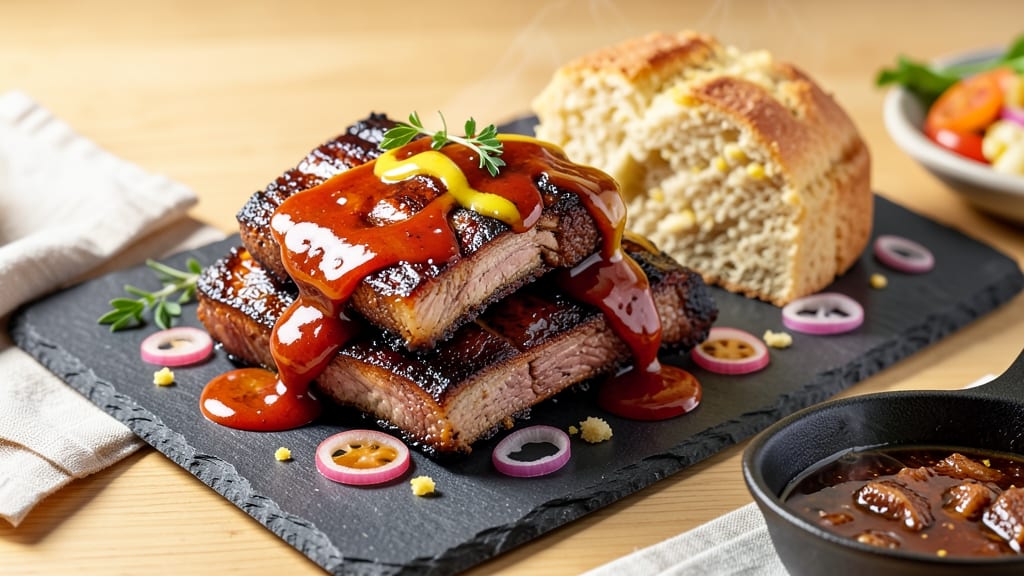
This award-winning pork ribs recipe delivers the smoky bark and fall-off-the-bone tenderness that made me a champion pitmaster. 🔥 After years of perfecting my technique—from the 3-2-1 method to bark development—I’ve created a recipe that rivals any competition-winning rack.
The secret lies in low-and-slow cooking with precise temperature control, ensuring every bite is juicy and packed with flavor.
What sets this recipe apart is the balance of texture and depth. We start with a dry rub that develops a deep, caramelized crust while keeping the meat tender inside. The key?
Patience—smoking or baking at 225°F for hours until the internal temperature reaches 195-203°F. This isn’t just a recipe; it’s a method that transforms tough cuts into melt-in-your-mouth perfection.
The result is ribs so tender they separate at the touch, with a glossy, crackling bark that’s impossible to resist. The sauce—optional but recommended—adds a glossy finish and a tangy-sweet balance that ties everything together. Whether you’re grilling, smoking, or baking, this technique guarantees restaurant-quality ribs at home.
Serve with classic sides like creamy coleslaw, buttery cornbread, or a crisp green salad to complete the meal. This recipe isn’t just about the ribs; it’s about the experience—smoky, satisfying, and worth every minute of the process. Let’s get started on your next award-winning rack.
Ingredients for award winning pork ribs
Four pounds of premium pork ribs and nine essential ingredients transform into competition-level smoky perfection.
| Ingredient | Amount | Notes |
|---|---|---|
| Pork Ribs (Baby Back or St. Louis Style) 🐖 | 4 lb | Bone-in, meaty cuts preferred |
| Yellow Mustard 🍯 | ½ cup | For sticky bark adhesion |
| Brown Sugar 🍚 | ½ cup | Light or dark preferred |
| Smoked Paprika 🌶️ | 2 tbsp | For deep smoky flavor |
| Chili Powder 🌶️ | 1 tbsp | Medium heat preferred |
| Garlic Powder 🧄 | 1 tbsp | Freshly ground preferred |
| Onion Powder 🧅 | 1 tbsp | For balanced depth |
| Ground Black Pepper 🌶️ | 1 tbsp | Freshly cracked |
| Kosher Salt 🧂 | 1 tbsp | Diamond Crystal preferred |
| Apple Cider Vinegar 🍎 | 2 tbsp | For tangy balance |
| Wood Chips (Hickory or Apple) 🌳 | 2 cups | Soaked for 1 hour |
| Barbecue Sauce (Optional) 🍯 | ½ cup | For finishing glaze |
| Aluminum Foil 📄 | 1 sheet | For wrapping ribs |
The ribs are the foundation—baby back or St. Louis style both work, but avoid spares for this method. Source from a trusted butcher or Costco for consistent quality. Look for cuts with good meat-to-bone ratio and minimal membrane. For the dry rub, Penzeys Spices or bulk bins at specialty stores ensure maximum flavor. The wood chips? Hickory for bold smoke or apple for subtle sweetness—soak them for at least an hour before use to prevent flare-ups. This isn't just a recipe; it's a technique that rewards precision at every step.
No smoked paprika? Regular paprika plus a pinch of liquid smoke works in a pinch, though the flavor won't be identical. Substitute apple cider vinegar with red wine vinegar at equal amounts, but the tang will be slightly sharper. For the barbecue sauce, Sweet Baby Ray's or Stubb's are reliable options, but homemade with tomato paste, molasses, and spices elevates the dish. The mustard is non-negotiable—it creates the perfect sticky base for the rub to adhere. If you're short on time, pre-made rubs from Montana's Own can work, though they lack the customization of making your own. The key is patience: don't rush the bark development.
Store leftover ribs in an airtight container with a paper towel pressed against the bark to maintain crispness for up to 5 days. For longer storage, wrap tightly in foil and freeze for up to 3 months. Reheat in a 325°F oven until warmed through—about 10-15 minutes. The sauce, if used, should be added just before serving to preserve its glossy finish. These ribs reheat beautifully, making them perfect for meal prep. For best results, serve immediately after cooking when the bark is at its peak crispness. The leftovers? Still delicious, but the texture changes slightly—expect a softer bark.
Why You'll Love This Recipe
- Five-Ingredient Magic: I swear by this combo—just ribs, mustard, sugar, and those two spices. No fancy marinades or hours of prep. Slather, smoke, and let the brown sugar do the heavy lifting while I sip my coffee.
- Sweet-Smoky Crave: That sticky, caramelized crust from the brown sugar? It’s like a hug for your taste buds. The smoked paprika adds depth, but honestly, the chili powder is what makes it dangerously good—just enough heat to wake things up.
- Leftovers Win: Between us, these ribs taste even better the next day. I make a double batch, wrap them in foil, and reheat them for sandwiches all week. My kids beg for them—no joke.
- Weeknight Crowd-Pleaser: No one complains when these hit the table. Whether it’s game day, a lazy Sunday, or a last-minute dinner, they’re always a hit. Plus, the mustard base cuts through the richness, so it’s not too heavy for a weeknight.
Step-by-step instructions for award-winning pork ribs
Here's the precise method I've perfected for ribs that achieve both smoky bark and fall-apart tenderness.
🔥 Step 1: Prepare the Dry Rub and Soak Wood Chips
In a medium bowl, combine the 0.5 cup brown sugar, 2 tbsp smoked paprika, 1 tbsp chili powder, 1 tbsp garlic powder, 1 tbsp onion powder, 1 tbsp ground black pepper, and 1 tbsp kosher salt. Mix thoroughly until the sugar crystals are completely coated with spices—this ensures even distribution when applied to the ribs.
While the rub dries, soak the 2 cups wood chips in water for at least 1 hour. This prevents flare-ups in your smoker or grill. I like to use a small container with just enough water to cover the chips completely. The wood should be fully saturated but not mushy when you're ready to use it.
👨🍳 Step 2: Apply Mustard and Rub to the Ribs
Pat the 4 lb pork ribs completely dry with paper towels—this is crucial for bark formation. Spread a thin, even layer of 0.5 cup yellow mustard over the meaty side of each rack. The mustard acts as a binder for the rub and helps create that signature sticky bark.
Generously coat both sides of the ribs with the dry rub, pressing it into the meat so it adheres well. Don't worry if it looks like too much—this is what creates that intense flavor crust. Let the ribs sit at room temperature for 30 minutes before cooking. This allows the rub to penetrate slightly and develop better flavor.
🔥 Step 3: Smoke the Ribs Low and Slow
Set your smoker or grill to 225°F using the soaked wood chips. Place the ribs meat-side down on the grates and close the lid immediately. The goal is to render fat and create that initial bark before we switch to meat-side up for even cooking.
Smoke for 2 hours total, then flip the ribs to the meat-side up. Continue smoking for another 2 hours until the internal temperature reaches 195-203°F at the thickest part of the meat. You'll notice the ribs will hit "the stall" around 165-170°F—this is normal and expected. The temperature will drop slightly before climbing again as the meat continues to break down.
🥘 Step 4: Wrap and Finish the Cook
When the ribs reach 195-203°F, remove them from the smoker and wrap tightly in the aluminum foil with 2 tbsp apple cider vinegar and 0.5 cup barbecue sauce (if using). The vinegar adds tangy brightness while the sauce helps create a glossy finish. Fold the foil tightly to seal in steam and prevent drying.
Return the wrapped ribs to the smoker and cook for another 1-2 hours until they're fork-tender. The ribs should pull apart easily with minimal resistance. If you're using a meat thermometer, the internal temperature should be 203°F at the thickest point. This final stage ensures maximum tenderness while maintaining moisture.
⏰ Step 5: Rest and Serve
Remove the ribs from the smoker and let them rest for 15-20 minutes before serving. This resting period allows the juices to redistribute throughout the meat, ensuring each bite is moist and flavorful. During this time, the ribs will continue to carry over about 5°F, reaching their perfect final temperature.
Unwrap the ribs and slice between each bone for easy serving. The exterior should have a dark mahogany bark with visible smoke rings, while the meat should be so tender it falls apart with gentle pressure. Serve immediately with extra barbecue sauce for dipping if desired.
Pro Tips For Making Award Winning Pork Ribs
- Trim the Fat First: Baby back ribs have a thin fat cap—leave it on for flavor, but scrape off any thick, yellow fat deposits with a knife. I learned this the hard way after my ribs stuck to the grill like glue; a quick trim keeps them cooking evenly and prevents grease flare-ups that burn your dry rub.
- Whisk That Mustard: Yellow mustard isn’t just a binder—it’s the glue that makes your dry rub stick. Mix it with brown sugar and spices into a paste before slathering it on. I used to sprinkle the rub dry, and half of it slid off during cooking. This step guarantees every rib gets that sweet-spicy crust.
- Skip the Crowd in Oven: If finishing in the oven, space ribs bone-side down on a wire rack over a tray. Stacking them traps steam and turns them soggy. I crammed a full rack in once and came out with ribs that tasted like they’d been steamed—not smoked. Give them room to breathe.
- Probe the Bone: Ribs are done when the meat near the bone pulls away easily and the bone itself wobbles slightly. I used to rely on internal temp (203°F), but the bone test is foolproof—especially for St. Louis ribs, which need that extra tenderness. No guesswork.
Wine and beer pairings for this dish
Red Wine Pairings
For these award-winning ribs, I reach for a bold Cabernet Sauvignon from Napa Valley—its dark fruit and tannins stand up to the smoky bark beautifully. A glass of 2018 Robert Mondavi Reserve (around $60) offers that perfect balance of earthiness and richness.
If you prefer something more approachable, a Zinfandel from California like Bogle Vineyards (around $15) delivers juicy blackberry notes that complement the sweet-savory rub. 🍷
Looking for a Southern twist? Try a North Carolina Syrah—its spicy pepper and dark plum flavors cut through the fat beautifully. I keep a bottle of Dutton-Goldfield Syrah (around $30) on hand specifically for BBQ nights. The acidity helps cleanse your palate between bites of tender meat.
Beer Pairings
When it comes to beer, I always recommend a smoked porter—it mirrors the wood-fired flavors of the ribs perfectly. Founders Kentucky Breakfast Stout (around $10) is my go-to, with its caramel and coffee notes enhancing the bark's depth.
For a lighter option, a wheat beer with smoke infusion like Allagash Smoked Saison (around $8) provides refreshing contrast. 🍺
If you're grilling outdoors, a crisp American pale ale like Fat Tire Amber Ale (around $6) works wonders—its malt sweetness balances the ribs' tangy-sweet sauce.
For a regional nod, try a Georgia peach ale like Sweetwater 420 (around $7), which adds a fruity brightness that pairs surprisingly well with the smoky profile.
Non-Alcoholic Options
Don't overlook non-alcoholic pairings—smoked tea is my secret weapon. Brew a strong Lapsang Souchong (around $12 for a tin) and serve it chilled. The smoky, woody notes echo the ribs' bark while the tannins cleanse your palate.
For something sweeter, a peach iced tea with a splash of Lapsang Souchong tea adds a refreshing contrast to the rich flavors. 🍹
Another winner is ginger beer—its spicy kick complements the ribs' heat. I love Brew Dr. Brown's (around $5) for its bold ginger flavor. The effervescence helps cut through the richness, making each bite feel lighter.
For a festive touch, add a slice of fresh lime to any of these options.
Regional Beer Specialties
In the Southeast, North Carolina craft beers shine with ribs. Try New Belgium Fat Tire (around $7) for its malty sweetness or Wicked Weed Brewing's Black Magic Porter (around $8) for a chocolatey depth.
These beers are widely available at local grocery stores and specialty shops like Charleston City Market. 🍺
For a Texas-style pairing, reach for a Shiner Bock (around $6)—its crisp, slightly bitter profile balances the ribs' sweetness perfectly. I've found that the Shiner Bock from Spangenberg Brewery holds up exceptionally well against the bold flavors of this recipe.
The beer's regional popularity makes it an easy find at most liquor stores.
Nutrition facts
Frequently asked questions
Can I use this recipe with a regular oven instead of a smoker?
Yes, but you'll need to adapt the method slightly. Preheat your oven to 225°F and place a water pan on the lower rack to maintain moisture. Cook the ribs uncovered for 2 hours, then wrap them in foil with apple cider vinegar and sauce for another 2-3 hours until tender. The bark will be less smoky but still delicious. For extra smoke flavor, add a few soaked wood chips to a foil packet and place it on the oven rack.
What's the difference between baby back and St. Louis-style ribs?
Baby back ribs come from the top of the ribcage and have a more delicate, tender meat with less connective tissue. They're smaller and cook faster (2.5-3 hours total). St. Louis-style ribs are trimmed from the spare ribs, removing the sternum bone for a flatter cut that's slightly meatier but tougher. For this recipe, either works—just adjust cooking time by 30 minutes if using St. Louis ribs.
Why do my ribs turn out dry even after following the recipe?
Most common causes are overcooking or not wrapping properly. Check your internal temp—203°F is perfect. If you're using a meat thermometer, insert it into the thickest part without touching bone. Also ensure your foil wrap is airtight. Another tip: Don't skip the mustard base—it helps the rub stick and creates a moisture barrier. For extra insurance, add 2 tbsp broth when wrapping.
Can I make these ribs in a slow cooker?
Apply the rub and mustard as directed, then place ribs in the slow cooker on low for 6-8 hours. Add 1 cup apple juice or broth to the bottom to prevent drying. During the last 30 minutes, increase to high heat to help develop bark. The texture won't be identical to smoked ribs, but they'll be incredibly tender. For best results, finish with a quick broil for color.
How do I reheat leftover ribs without drying them out?
Wrap the ribs tightly in foil with a splash of apple cider vinegar and reheat at 300°F for 15-20 minutes. The foil traps moisture while the vinegar helps restore some of the bark's crispness. For extra tenderness, add a few ice cubes to the foil packet during reheating. Never microwave—it turns ribs rubbery. If serving cold, slice and store in an airtight container with a paper towel pressed against the bark.