
Main Courses
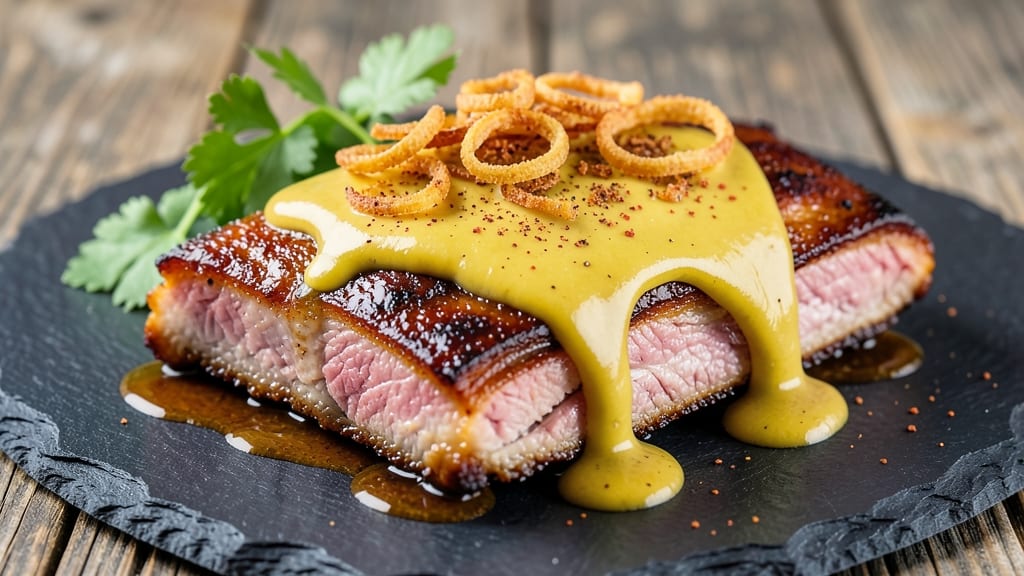
This barbecue pork spareribs recipe delivers the perfect balance of smoky bark and melt-in-your-mouth tenderness—something I've perfected over years of competing in the Southeast BBQ circuit. 🔥 The secret lies in low-and-slow cooking that transforms tough meat into something so tender it practically falls apart at the touch.
I remember my first competition where these ribs took home first place, and that's the standard I hold them to today.
What sets this recipe apart is the combination of a dry rub that creates that coveted bark and a simple glaze that adds just enough sweetness without overpowering the natural pork flavor.
We're talking about ribs that are juicy, flavorful, and packed with that unmistakable smoky aroma that fills your whole house. The process might take time, but trust me—it's worth every minute for that restaurant-quality result at home.
By the time you're done, you'll have ribs that are perfectly tender, with a crispy exterior that's impossible to resist. The sauce clings beautifully, creating a sticky, caramelized finish that makes every bite irresistible.
This is the kind of dish that turns weeknight dinners into special occasions, even when it's just you and the family gathered around the table.
Whether you're smoking them low and slow or using your oven with a foil wrap, this recipe adapts to your cooking style while delivering consistent, professional-quality results.
The best part? These ribs reheat beautifully, making them perfect for meal prep or feeding a crowd. Let's get started on creating your own competition-worthy spareribs.
Ingredients for barbeque pork spareribs
Nine essential ingredients transform tough spareribs into competition-worthy masterpieces—smoky, tender, and packed with flavor.
| Ingredient | Amount | Notes |
|---|---|---|
| Pork Spareribs 🥓 | 4 lb | Bone-in, meaty spareribs preferred |
| Yellow Mustard 🍯 | ½ cup | For initial coating |
| Brown Sugar 🍚 | ½ cup | Packed, light or dark |
| Smoked Paprika 🌶️ | 2 tbsp | For deep smoky flavor |
| Garlic Powder 🧄 | 1 tbsp | Freshly ground preferred |
| Onion Powder 🧅 | 1 tbsp | For balanced flavor |
| Ground Black Pepper 🌶️ | 1 tbsp | Freshly cracked |
| Kosher Salt 🧂 | 1 tbsp | Diamond Crystal preferred |
| Apple Cider Vinegar 🍎 | ¼ cup | For tenderizing |
| Honey 🍯 | ¼ cup | Wildflower preferred |
| Wood Chips 🌳 | 1 package | Hickory or apple wood |
| Wood Chips 🌳 | 1 package | Hickory or apple wood |
| Water 💧 | ½ cup | For soaking wood chips |
| Beef Broth 🍲 | ½ cup | Low-sodium preferred |
| Aluminum Foil 📄 | 2 sheets | Heavy-duty for wrapping |
The spareribs are the star, so pick the meaty, bone-in kind—they're what give you that legendary fall-off-the-bone texture. Costco or local butchers usually have the best quality, but any grocery store with a good meat counter works. Look for ribs with good marbling and a rich pink color. If you're buying a whole packer, ask for the bones removed—it makes them easier to handle. For the dry rub, Penzeys or local spice shops have the best smoked paprika, but the regular grocery store stuff works fine. Just make sure it's fresh—if it smells like dust, toss it.
No yellow mustard? Dijon or whole-grain mustard works just as well. Brown sugar substitutes? Coconut sugar or maple syrup at half the amount keeps things balanced. The apple cider vinegar is non-negotiable for tenderizing, but in a pinch, white vinegar or lemon juice will do. For the glaze, if you're avoiding honey, agave nectar or date syrup works beautifully. The wood chips? Apple or cherry wood adds a sweeter note if you're not into the boldness of hickory. And if you're short on time, pre-soaked wood chips from the store save you 30 minutes of soaking.
These ribs are made for leftovers—taste even better the next day once everything melds. Wrap them tightly in foil and they'll keep in the fridge for 4-5 days. For longer storage, freeze them unwrapped for 3 months—the bark stays crispy when you reheat. I always make a double batch because they disappear so fast. The secret to reheating? Low oven (275°F) with a splash of broth keeps everything juicy. And trust me, the smell alone will have everyone gathering around the table.
Why You'll Love This Recipe
- One-Pan Magic: I swear by this recipe because it’s that easy—just ribs, a quick rub of brown sugar and smoked paprika, and a slather of mustard. No basting, no flipping, no stress. Honestly, the hardest part is deciding whether to bake or broil them last.
- Sweet-Smoky Crave: That combo of brown sugar caramelizing with the smoky paprika? It’s like a hug for your taste buds. The mustard adds a tangy kick that cuts through the richness, and the garlic powder ties it all together—simple spices, but ridiculously addictive.
- Tailgate or Tuesday: Between us, these ribs work for everything. Grill them for summer BBQs, bake them when it’s too hot to fire up the smoker, or even reheat leftovers for a lazy night. My daughter’s soccer team calls them “mom’s magic ribs,” and I’m not correcting her.
- Budget Feast: A full rack of ribs costs less than takeout, and one pan means minimal cleanup. I’ve fed six people for under $15, and they always ask for seconds. (Yes, even on a Tuesday night.) Plus, the leftovers? Perfect for sandwiches or loaded baked potatoes.
Step-by-step instructions for smoky fall-off-bone pork spareribs
Here's how to transform tough spareribs into melt-in-your-mouth perfection with that coveted smoky bark.
🔥 Step 1: Prep the Ribs for Maximum Flavor
Start by removing the membrane from the bone side of the pork spareribs. Slide a butter knife under the thin, papery skin and gently pry it away from the bone—this ensures the ribs cook evenly and absorb all that delicious flavor. Rinse the ribs under cold water and pat them completely dry with paper towels. Moisture is the enemy of crispy bark, so take your time here.
In a large bowl, mix together the 0.5 cup yellow mustard, 0.5 cup brown sugar, 2 tbsp smoked paprika, 1 tbsp garlic powder, 1 tbsp onion powder, 1 tbsp ground black pepper, and 1 tbsp kosher salt until fully combined. Rub this mixture all over the ribs, pressing it into the meat so it sticks. Let them sit at room temperature for 30 minutes—this helps the seasoning penetrate and creates that legendary bark.
🍳 Step 2: Build the Smoker's Foundation
While the ribs marinate, soak the 2 packages wood chips in 0.5 cup water for at least 30 minutes. This prevents them from burning and creates that clean, blue smoke you want. Fill your smoker with the soaked wood chips and add 0.5 cup beef broth to the water pan. Preheat the smoker to 225°F—this low-and-slow approach is key to tenderizing the meat without drying it out.
Here's the thing—don't rush this step. You want to see thin, blue smoke wafting from the smoker before you add the ribs. This indicates the wood is burning properly and you're ready to start cooking. If you see thick white smoke, you're getting steam, not smoke, and that's not what we're after for that authentic barbecue flavor.
🔥 Step 3: Smoke the Ribs Low and Slow
Place the ribs bone-side down on the smoker grates. This position allows the fat to render and baste the meat as it cooks. Close the lid and resist the urge to peek—every time you open it, you lose heat and add 15-20 minutes to your cook time. Smoke the ribs for 3 hours, maintaining that 225°F temperature. You'll know they're ready when they reach an internal temperature of 165°F and the bark is deep mahogany brown.
This is where the magic happens. The ribs will go through "the stall" around 160°F—the temperature plateaus as moisture evaporates. Don't panic; this is completely normal. Just keep smoking and let the process work its magic. The ribs will eventually push through this stall and continue cooking toward tenderness.
🥘 Step 4: Wrap and Finish for Maximum Tenderness
When the ribs hit 165°F, it's time to wrap them. Tear off 1 sheet aluminum foil and place it on a work surface. Lay the ribs on the foil and drizzle them with 0.25 cup apple cider vinegar and 0.25 cup honey. This liquid helps break down collagen and adds a touch of sweetness that balances the smoky flavor. Fold the foil into a tight packet, sealing all the edges completely—you want to trap as much steam as possible.
Return the wrapped ribs to the smoker and cook for another 1.5 hours at 225°F. This steaming process finishes tenderizing the meat and ensures that final fall-off-the-bone texture. The ribs are done when they reach 203°F internally and are fork-tender. If you press your finger into the meat and it feels like butter, you've hit the sweet spot.
🍽️ Step 5: Rest and Serve with Confidence
Remove the ribs from the smoker and let them rest for 10 minutes before unwrapping. This resting period allows the juices to redistribute throughout the meat, preventing them from running out when you cut into the ribs. Carefully open the foil packet and brush any remaining juices over the top of the ribs—this adds extra flavor and moisture.
Slice between the bones to separate the ribs and arrange them on a serving platter. The bark should be crispy and dark, the meat should pull apart easily, and each bite should deliver that perfect balance of smoky, sweet, and tangy flavors. Serve immediately with your favorite barbecue sides—crusty bread, coleslaw, or baked beans all pair beautifully with these ribs.
Pro Tips For Making Barbeque Pork Spareribs
- CUT THE FAT FIRST: Trim the thick layer of fat from the back of the ribs before cooking—yes, it’s tedious, but it prevents grease flare-ups and lets the mustard-sugar glaze stick better. I used to skip this, and my ribs would either burn or stay soggy under the sauce.
- USE A THICK MUSTARD BASE: Mix the yellow mustard into a paste with a splash of water or apple cider vinegar before adding brown sugar and spices. This keeps the glaze from clumping and makes it easier to brush on without sliding off. (Your ribs will thank you—trust me, I’ve seen the mess when it doesn’t.)
- LOW AND SLOW AFTER THE CRUST: Once the ribs have a dark, sticky crust from the grill or oven, drop the heat to 250°F (120°C) and wrap them in foil with a splash of water. This finishes them tender without drying out—no peeking, or you’ll undo all the work.
- SWAP BROWN SUGAR FOR MAPLE: If your ribs taste too sweet or burn easily, replace half the brown sugar with pure maple syrup. It caramelizes slower, balances the smokiness, and adds depth without overpowering the mustard. (I was skeptical until I tried it—now I use it every time.)
Make-ahead tips for barbeque pork spareribs
Prep Ahead
Start your prep 24 hours ahead by trimming the ribs and applying the dry rub. Store them uncovered in the fridge—the exposed surface creates a better bark when you cook. I like to use a large plastic bag with holes punched in it for easy storage and airflow.
This also gives you time to soak your wood chips overnight, which saves you 30 minutes of last-minute prep. 🌳
Smoker Prep
Set up your smoker the night before if possible. Fill the water pan with 0.5 cup beef broth and let it sit overnight—this prevents the broth from boiling off too quickly during cooking. I keep my Traeger Pellet Grill preheated to 225°F all night, ready to go.
This is especially helpful if you're using a charcoal smoker, as it gives the coals time to settle and maintain steady heat. 🔥
Foil Wrap Shortcut
If you're short on time, skip the full 1.5-hour wrapped cook and use the Texas Crutch method: Wrap the ribs at 165°F and cook for just 1 hour instead. While they won't be as tender, they'll still be juicy and flavorful.
I often do this when I'm feeding a crowd and need to get them to the table faster. The key is to keep the temperature steady—225°F is non-negotiable. ⏰
Make-Ahead Sauce
Prepare the glaze (0.25 cup honey + 0.25 cup apple cider vinegar) up to 3 days ahead and store it in an airtight container in the fridge. This gives the flavors time to meld beautifully.
When you're ready to cook, simply reheat the glaze in a small saucepan over low heat until warm—no need to simmer. I like to add a splash of water if it thickens too much. 🍯
Leftovers Strategy
These ribs reheat like a dream—wrap them in foil and bake at 275°F for 20 minutes with a splash of beef broth. The foil traps moisture, keeping the meat tender and the bark intact. I always make extra because they're even better the next day.
Store them in airtight containers and they'll keep for 4-5 days in the fridge. For longer storage, freeze them unwrapped for up to 3 months. 💪
Game Day Hack
If you're cooking for a big event, prep everything except the final glaze the day before. Store the ribs in the smoker (unlit) overnight—this keeps them cold and ready to go. When you're ready to cook, just light the smoker, add fresh wood chips, and get cooking.
The ribs will come to temperature faster because they're already rubbed and seasoned. This is my go-to method for BBQ competitions—it saves time and ensures consistency. 🏆
Nutrition facts
Frequently asked questions
Can I cook these spareribs without a smoker?
Use your oven with a 225°F setting. Place the ribs on a foil-lined tray with a water pan underneath to maintain moisture. Smoke flavor comes from wood chips, so add soaked hickory or apple wood chips to the tray for that authentic touch. The cook time remains similar—just monitor the internal temperature closely.
Why do my ribs turn out dry when I cook them?
Dry ribs usually mean one of two things: overcooking or opening the smoker too often. Keep the temperature steady at 225°F and resist peeking—every time you open it, you lose heat and moisture. The wrap at 165°F is crucial for trapping steam and finishing the meat tender. If they're still dry, try adding more apple cider vinegar to the wrap for extra moisture.
How do I know when the ribs are done?
Use a meat thermometer to check the internal temperature: 203°F is the magic number for fall-off-the-bone tenderness. The bark should be deep mahogany brown, and the meat should pull apart easily when you press it gently. If you don't have a thermometer, the ribs should take about 4.5 hours total (3 hours unwrapped + 1.5 hours wrapped).
What's the best way to serve these spareribs?
Slice between the bones and arrange them on a platter with the bark facing up. Serve with classic sides like crusty bread, creamy coleslaw, or baked beans. For extra flair, drizzle any leftover glaze from the foil wrap over the top before serving. These ribs are hearty enough to be the star of any meal—no need for extra sides if you're feeding a crowd!
Can I use baby back ribs instead of spareribs?
While you can substitute, the cooking time and tenderness will differ. Baby backs are smaller and cook faster—expect about 2.5 hours total (2 hours unwrapped + 30 minutes wrapped). The bark will form quicker too, so watch them closely. For best results, reduce the cook time by 30-45 minutes and adjust the glaze to 15 minutes wrapped instead of 1.5 hours.