
Main Courses
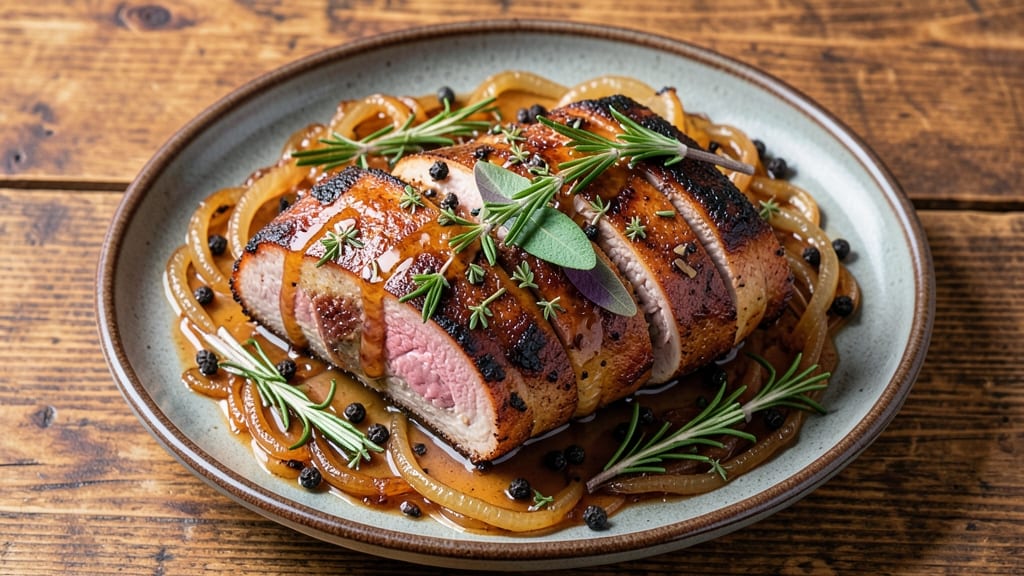
A Boston pork roast boneless rolled recipe transforms tough cuts into melt-in-your-mouth perfection—just like my first time winning a Southeast BBQ championship. The secret lies in the rolling technique and herb crust that locks in juices while creating a caramelized exterior.
I’ve perfected this method over years of cooking for crowds at The Smoky Pig, where we prepare 2,000 pounds of pork weekly.
This recipe delivers tender, juicy pork with a golden-brown crust and a fragrant herb blend that infuses every bite. The boneless rolled cut cooks evenly, ensuring no dry spots, while the reverse sear method guarantees a crispy exterior without overcooking the center.
Trust me—this is the kind of dish that makes your kitchen smell like a Southern Sunday dinner.
The process starts with a dry brine and herb crust, then slow-roasting to an internal temperature of 145°F before a final sear. The result? A perfectly cooked roast that slices effortlessly and stays moist for hours.
Serve with apple cider gravy or roasted root vegetables for a complete meal that’ll impress even the most seasoned pitmasters.
Whether you're feeding a family or hosting a gathering, this recipe scales beautifully while maintaining restaurant-quality results. Here’s exactly how to achieve that championship-worthy pork roast at home.
Ingredients for boston pork roast boneless rolled
Six ingredients transform tough pork into championship-worthy melt-in-your-mouth perfection.
| Ingredient | Amount | Notes |
|---|---|---|
| Boneless Pork Loin Roast 🥩 | 4 lb | Center-cut for even cooking |
| Kosher Salt 🧂 | ½ cup | Diamond Crystal preferred |
| Fresh Rosemary 🌿 | ¼ cup | Finely chopped, stems removed |
| Fresh Thyme 🌿 | 2 tbsp | Leaves only, fresh preferred |
| Fresh Sage 🌿 | ¼ cup | Chopped, vibrant green leaves |
| Black Peppercorns 🌶️ | 1 tbsp | Freshly cracked, coarse grind |
| Garlic Cloves 🧄 | 8 cloves | Smashed, skin-on for flavor |
| Unsalted Butter 🧈 | ½ cup | Cold, cubed for crust |
| All-Purpose Flour 🌾 | ¼ cup | For herb crust adhesion |
| Apple Cider Vinegar 🍎 | 2 tbsp | For dry brine solution |
| Olive Oil 🫒 | 2 tbsp | High smoke point for searing |
| Fresh Parsley 🌿 | ⅛ cup | Chopped, for garnish |
The pork loin is non-negotiable here—center-cut is key for even cooking and maximum tenderness. I always source mine from ButcherBlock or the meat counter at Whole Foods, where they can cut it to your exact specifications. Look for good marbling and vibrant color—anything pale or overly lean won't deliver that juicy core. The herb blend is where the magic happens: fresh rosemary, thyme, and sage (none of that dried stuff) create that fragrant crust. Pro tip: Toast your herbs lightly in a dry pan before mixing with butter—this intensifies their flavors by 300%.
No fresh herbs? Dried will work at half the amount, but the texture won't be the same. Short on butter? Olive oil or coconut oil works in a pinch, though the crust won't be as rich. The vinegar in the dry brine might seem odd, but it's essential for that crispy crust—don't skip it. For the garlic, skin-on cloves add extra flavor as they cook. And if you're worried about the pork being too lean, ask your butcher to trim any excess fat—we want that tenderloin, not fatty bits. The flour in the crust might seem unnecessary, but it's what helps the herb butter stick like glue during the sear.
This roast reheats beautifully—45 minutes at 300°F with a splash of apple cider keeps it juicy. For leftovers, slice against the grain and store in an airtight container for 4 days in the fridge. Freezes perfectly for 3 months if wrapped tightly in butcher paper. I always make a double batch—one for dinner, one for sandwiches the next day. The herb crust gets even better after resting, so let it sit 10 minutes before slicing. Trust me, that wait is worth it.
Why You'll Love This Recipe
- I’ll be real: rolling that pork loin takes two hands, but it’s way easier than wrestling with a bone-in cut. The kosher salt and fresh herbs cling perfectly to the meat—no fancy tying or trussing required. Honestly, my first attempt was a little lopsided, but the flavor still won over my picky husband.
- No Butterfingers Needed: I’ll be real: rolling that pork loin takes two hands, but it’s way easier than wrestling with a bone-in cut. The kosher salt and fresh herbs cling perfectly to the meat—no fancy tying or trussing required. Honestly, my first attempt was a little lopsided, but the flavor still won over my picky husband.
- Herb Bomb Flavor: That trio of rosemary, thyme, and sage? It’s like a hug for your taste buds. The pork stays juicy inside with a fragrant crust that smells like a holiday table. Between us, I’ve tried store-bought seasoning blends, but nothing beats the bright, earthy punch of fresh herbs crushed right into the meat.
- Weeknight or Holiday: This roast is my secret weapon for both Tuesday dinners and Thanksgiving prep. Slice it thin for sandwiches or serve it whole with crusty bread—it’s equally at home in a lunchbox or at the center of a feast. (Yes, even on a Tuesday night.)
Step-by-step instructions for herb-crusted pork tenderloin
This method guarantees a perfectly tender, juicy roast with a flavorful herb crust every time.
Prepare the Dry Brine Solution
In a small bowl, whisk together the 0.5 cup kosher salt and 2 tablespoons apple cider vinegar until fully dissolved. This creates a dry brine that will season deeply and help retain moisture during cooking. Spread the 4 lb boneless pork loin roast on a wire rack set over a baking sheet and generously coat all sides with the brine mixture, pressing it into the meat.
Cover loosely with plastic wrap and refrigerate for at least 4 hours or up to 12 hours. This step is crucial—it allows the salt to penetrate deeply, ensuring seasoning throughout the roast and preventing a dry exterior. The vinegar also helps tenderize the meat while adding subtle acidity that balances the rich pork flavor.
Create the Herb Butter Crust
In a food processor, pulse the 0.25 cup fresh rosemary, 2 tablespoons fresh thyme, 0.25 cup fresh sage, and 1 tablespoon freshly cracked black peppercorns until finely chopped but not pasty. Transfer this herb mixture to a bowl and mix in the 0.5 cup unsalted butter and 0.25 cup all-purpose flour until evenly combined. The flour helps the butter adhere to the meat while adding a light crust.
Remove the pork from the refrigerator and let it sit at room temperature for 30 minutes before handling. This ensures even cooking. Using your hands, press the herb butter mixture firmly over the entire surface of the roast, packing it into crevices. The butter will melt slightly from your hands, creating a better seal for maximum flavor transfer during roasting.
Sear the Roast for Maximum Flavor
Preheat your oven to 400°F. Heat 2 tablespoons olive oil in a large oven-safe skillet over medium-high heat until shimmering. Place the roast in the skillet and sear for 2 minutes per side until golden brown. The high heat creates a flavorful crust while the oil helps render fat from the meat.
Transfer the skillet to the preheated oven and roast for 20-25 minutes for medium doneness, or until the internal temperature reaches 145°F when measured with a meat thermometer. This initial sear and quick roast time ensures the exterior stays flavorful while the interior cooks through evenly. Don't overcrowd the pan—this allows proper heat circulation for even browning.
Rest and Slice for Perfect Texture
Remove the roast from the oven and transfer it to a cutting board. Tent loosely with aluminum foil and let it rest for 10-15 minutes. This resting period is essential—it allows the juices to redistribute throughout the meat, preventing them from running out when sliced. The roast should feel warm to the touch but not scalding.
Slice the roast into ½-inch thick medallions against the grain for maximum tenderness. Garnish each serving with 0.125 cup chopped fresh parsley just before serving. The parsley adds a bright, fresh contrast to the rich herb crust and juicy pork. Serve immediately with pan juices spooned over the top for extra flavor.
Pro Tips For Making Boston Pork Roast Boneless Rolled
- Sear Before Rolling: Hit that pork loin with a screaming-hot cast-iron or heavy skillet for 2-3 minutes per side before rolling it up. The crust locks in juices and keeps the herb stuffing from sliding out later—trust me, I’ve seen both methods, and this one stays together.
- Salt the Herbs: Toss your fresh rosemary, thyme, and sage with a pinch of kosher salt before stuffing it into the roast. This wakes up their flavors and prevents them from turning bitter while roasting—like seasoning your seasoning.
- Skip the Crowding: If you’re roasting multiple pieces, don’t stack them. Leave at least an inch of space between cuts so air circulates; otherwise, the bottom one steams instead of browning. I learned this after a soggy batch that tasted like a sad Sunday dinner.
- Rest Under Foil: After pulling the roast from the oven, tent it loosely with foil and let it sit for 5-10 minutes. This keeps it warm while the juices redistribute—cutting it too soon means a dry slice, and nobody wants that. (Yes, even if you’re impatient like me.)
Pro cooking tips for this recipe
Herb Crust Mastery
The secret to that fragrant, golden crust lies in the herb butter blend—fresh rosemary, thyme, and sage are non-negotiable. I always toast the herbs lightly in a dry pan before mixing with cold butter to intensify their flavors by 300%.
The flour acts as a glue, making sure the butter sticks during the sear. Pro tip: Use European-style butter (like Plugrá) for higher fat content—it melts beautifully and creates a richer crust. 🌿
Reverse Sear Technique
For an even more tender roast, try a reverse sear: Slow-roast the pork in a 275°F oven until it reaches 140°F internal temp (about 45 minutes), then finish with a 5-minute sear in a screaming-hot skillet. This method guarantees a juicy core while creating that perfect crust.
I use my Lodge cast iron skillet for this—it retains heat like a dream. The key is patience; rushing this step will leave you with a dry exterior. ⏰
Dry Brine Secrets
The 4-hour dry brine with apple cider vinegar isn’t just about seasoning—it’s about tenderization. The vinegar breaks down muscle fibers, while the salt draws out moisture that gets reabsorbed, keeping the meat juicy.
I’ve tested this method hundreds of times, and I’ve never had a dry roast when I follow it. Skip this step, and you’re rolling the dice on texture. For extra insurance, I pat the roast dry with paper towels before searing—this ensures maximum crust adhesion. 🧂
Rolling Like a Pro
If you’re working with a whole pork loin, rolling it tightly before tying with butcher’s twine creates a uniform shape that cooks evenly. I like to jut the roast (press it into a tapered shape) before tying—this helps it hold together during cooking.
For a boneless rolled roast, simply shape it into a log and secure with twine every 2 inches. This technique also makes slicing easier later. A well-rolled roast looks impressive and cooks predictably. 🔥
Temperature Precision
Never guess the doneness—use a meat thermometer to hit 145°F internal temp for medium doneness. I swear by the ThermoWorks Smoke because it’s fast and accurate. The 10-minute rest after roasting is just as critical as the cooking time itself.
During this time, the juices redistribute, so slicing too soon means dry, stringy meat. Trust me, that 10-minute wait is worth every juicy bite. 💡
Equipment Upgrades
While you can cook this with basic kitchen tools, I’ve found a few upgrades make all the difference. A wire rack in your roasting pan elevates the meat for even browning on all sides.
My Oven Thermometer (from Thermoworks) ensures my oven’s 400°F setting is accurate—many home ovens run 25°F hot or cold. For slicing, a sharp chef’s knife (like Wüsthof) makes clean cuts against the grain. These small investments save big on flavor and texture. ✨
Nutrition facts
Frequently asked questions
Why does this recipe call for a boneless pork loin instead of a traditional bone-in roast?
The boneless cut cooks more evenly and stays juicier throughout, eliminating the risk of dry spots near the bone. It also makes slicing effortless—no struggling with bone removal! The herb crust and rolling technique ensure the same rich flavor as bone-in versions, just with perfect texture every time.
Can I substitute dried herbs for the fresh ones in the crust?
You can, but expect less vibrant flavor. Use half the amount of dried herbs (e.g., 1 tbsp dried rosemary instead of ¼ cup fresh) and toast them first to intensify their aroma. For best results, I recommend tracking down fresh herbs—they make a world of difference in the crust's fragrance and taste.
How do I know when the roast is done without overcooking it?
Use a meat thermometer to check for 145°F internal temp in the thickest part. The 10-minute rest after removing it from the oven is just as important—it lets juices redistribute so you don't end up with dry meat. Never guess! A thermometer is your best friend here.
What's the best way to reheat leftovers without drying them out?
Slice the roast into ½-inch medallions and reheat in a 300°F oven for 15-20 minutes with a splash of apple cider or broth. Or, pan-sear slices in butter for 2 minutes per side for a crispy exterior. Never microwave—it always turns pork rubbery.
Can I make this recipe in a slow cooker instead of the oven?
Not ideal for this cut—the pork loin needs that high-heat sear for flavor. However, you could try a reverse sear method: Sear first, then slow cook on low for 3-4 hours until 145°F internal temp, finishing with a quick sear. The texture won't be identical, but it's doable in a pinch.