
Main Courses
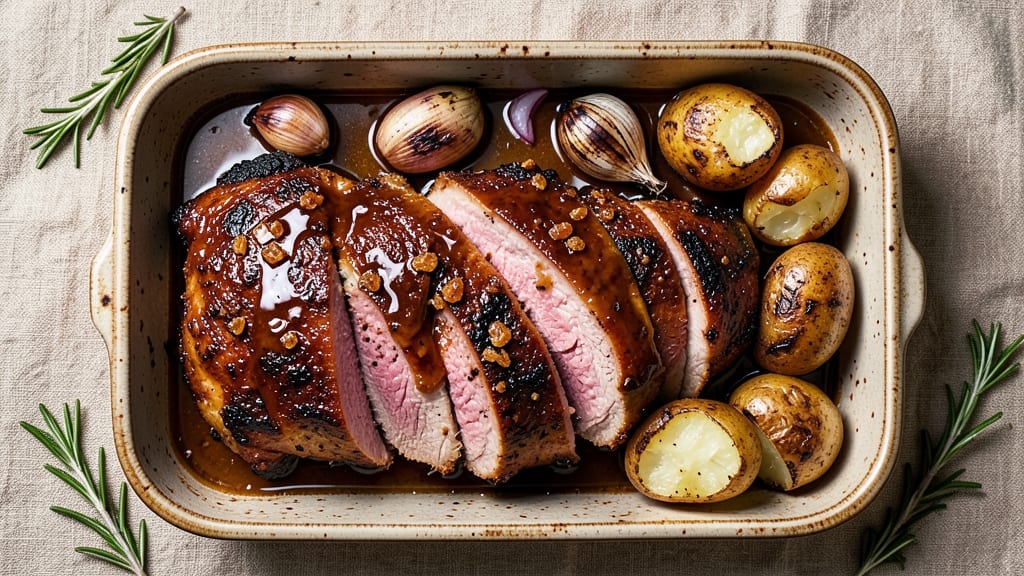
This BBQ boneless pork loin roast delivers restaurant-quality results with a smoky bark that stays juicy even hours after roasting.
As someone who grew up surrounded by slow-cooked ribs and spice rubs, I know the secret lies in balancing high-heat searing with low-and-slow cooking—creating that perfect crust while keeping the meat tender. The key?
A two-stage process that builds flavor layer by layer, just like my family's tradition of smoking meat over hickory.
What makes this recipe work is starting with a dry rub of smoked paprika, brown sugar, and garlic powder—simple ingredients that transform into an irresistible crust when roasted.
After searing the loin to lock in juices, we move to a low oven temperature that cooks the meat evenly without drying it out. This method ensures every slice comes out juicy and packed with flavor, not tough or overcooked.
By the time you serve it, you'll have a golden-brown roast with a caramelized exterior that cracks under pressure, revealing tender, pink meat beneath. The smoky-sweet bark pairs perfectly with classic sides like creamy mashed potatoes or a fresh garden salad.
It's the kind of centerpiece dish that makes weeknight dinners feel like a celebration.
The best part? This technique works whether you're grilling outdoors or roasting in your oven. Once you master it, you'll never settle for store-bought again—your taste buds (and dinner guests) will thank you. Let's get started on creating a roast that steals the show every time.
Ingredients for bbq boneless pork loin roast
Six ingredients transform a simple pork loin into smoky, juicy perfection—no smoking required.
| Ingredient | Amount | Notes |
|---|---|---|
| Boneless Pork Loin Roast 🐖 | 4 lb | Center-cut for even cooking |
| Smoked Paprika 🌶️ | 2 tbsp | High-quality for authentic smokiness |
| Brown Sugar 🍚 | ½ cup | Light or dark, packed |
| Garlic Powder 🧄 | 1 tbsp | Freshly ground preferred |
| Ground Black Pepper 🌶️ | 1 ½ tsp | Freshly cracked for intensity |
| Kosher Salt 🧂 | 1 tbsp | Diamond Crystal preferred |
| Olive Oil 🫒 | 2 tbsp | Extra-virgin for searing |
| Yellow Onion 🧅 | 1 whole | Sliced for optional glaze |
| Apple Cider Vinegar 🍎 | 2 tbsp | For tangy balance |
| Honey 🍯 | 1 tbsp | For glossy finish |
| Fresh Rosemary 🌿 | ½ tsp | Chopped, for aroma |
| Fresh Thyme 🌿 | ½ tsp | Leaves only, chopped |
| BBQ Sauce 🍅 | ½ cup | Store-bought or homemade |
The pork loin is your canvas here—center-cut is the only way to go (ask the butcher to trim it if needed). Costco or Whole Foods usually carry pre-trimmed roasts, but if you're buying whole, look for even thickness all around. The dry rub is where the magic happens: smoked paprika (not regular) gives that authentic BBQ smokiness, while brown sugar caramelizes into that coveted bark. I always double-check the paprika's freshness—if it smells stale, toss it. For the herbs, fresh is ideal but dried thyme at one-third the amount works in a pinch. The key? Pat the pork completely dry before applying the rub—moisture is the enemy of a good crust.
No smoked paprika? Substitute half chili powder and half regular paprika—it won't be identical, but it'll get you close. Running short on honey? Maple syrup works perfectly (use the same amount). The BBQ sauce can be anything you like—Sweet Baby Ray's for convenience or homemade for control. Need to skip the fresh herbs? One teaspoon Italian seasoning replaces both rosemary and thyme. For the glaze, if you're feeling fancy, toss those onion slices in a little olive oil and roast them alongside the pork—they'll caramelize beautifully and add sweetness to the sauce. And trust me on the vinegar: it cuts through the sweetness and makes the bark shine.
This roast reheats like a dream—better the next day, honestly. Store leftovers in an airtight container for up to 4 days, or freeze for 3 months (portion into individual servings for easy reheating). I always make a double batch because it disappears fast. The bark keeps best if you slice it right before serving—otherwise, it gets soggy. For leftovers, a quick pan sear revives the crust beautifully. And if you're grilling instead of roasting? Use the same rub and sear over high heat first—just watch it like a hawk to avoid flare-ups.
Why You'll Love This Recipe
- One-Pan Magic: I swear by this recipe because it’s that simple—just rub the pork with smoked paprika, brown sugar, and garlic powder, then pop it in the oven. No fancy prep, no mess, and honestly? It’s the kind of dish that makes me feel like I’ve outsmarted dinner.
- Smoky-Sweet Obsession: That caramelized crust from the brown sugar and smoked paprika? It’s ridiculously good—crispy edges, tender inside, with a warmth that lingers. My husband always asks for seconds, and I’ll be real: I’ve been known to snag a slice before anyone else gets to it.
- Leftovers That Win: This roast is so versatile it practically begs to be reheated—sliced for sandwiches, chopped into tacos, or even tossed into fried rice. Between us, I make a double batch on Sundays because the leftovers disappear faster than I can say “garlic powder.”
- Budget-Friendly Feast: A single pork loin feeds my family of four and leaves enough for lunch the next day—no takeout, no stress. The ingredients? Basic pantry staples. The result? A meal that tastes like you spent hours cooking, but took me 20 minutes to throw together. (Yes, even on a Tuesday night.)
Step-by-step instructions for BBQ boneless pork loin roast
Here's how to transform a simple pork loin into a showstopping roast with irresistible smoky bark and melt-in-your-mouth tenderness.
Prepare the Dry Rub and Season the Roast
In a small bowl, combine the 2 tbsp smoked paprika, 0.5 cup brown sugar, 1 tbsp garlic powder, 1.5 tsp ground black pepper, and 1 tbsp kosher salt. Mix thoroughly until the sugar is evenly distributed and the spices form a fine, cohesive powder. This blend delivers deep smokiness, sweet caramelization, and just the right amount of heat.
Pat the 4 lb boneless pork loin roast completely dry with paper towels—this is non-negotiable for crispy bark. Rub the spice mixture all over the meat, pressing firmly so it adheres well. Pay special attention to the edges and ends where seasoning often gets missed. Let the roast sit at room temperature for 30 minutes before cooking—this ensures even heat penetration and prevents cold spots in the center.
Sear the Roast for Maximum Flavor
Preheat your oven to 375°F. Heat a large oven-safe skillet over medium-high heat and add the 2 tbsp olive oil. Once the oil is shimmering (about 2 minutes), place the roast in the skillet, fat-side down if applicable, and sear for 3-4 minutes per side until it develops a deep golden-brown crust. Press down gently on the roast during the first minute—this prevents it from curling and ensures even contact with the pan.
Real talk: Don't rush this step. You're building flavor layers here—the Maillard reaction happening on the surface creates that irresistible bark. If the roast starts to smoke excessively, reduce the heat slightly to medium and let it cook slowly to avoid burning.
Roast Until Juicy Perfection
Transfer the seared roast to a rimmed baking sheet and place it in the preheated 375°F oven. Roast for 45-50 minutes for medium-rare (internal temperature 140°F) or 50-55 minutes for medium (145°F). The reason we use this lower temperature is to prevent the outside from overcooking before the center reaches the perfect doneness—this is what keeps it juicy hour after hour.
Here's the thing—pork loin cooks fast, so start checking the temperature with an instant-read thermometer about 10 minutes before your target time. The roast is done when it reaches your desired internal temperature and the juices run clear when pierced with a knife. If you prefer it more well-done, continue cooking to 150°F but be aware the meat will become slightly drier.
Create the Glazing Sauce
While the roast rests, make the finishing glaze by combining the 0.5 cup BBQ sauce, 2 tbsp apple cider vinegar, 1 tbsp honey, 0.5 tsp chopped fresh rosemary, and 0.5 tsp chopped fresh thyme in a small saucepan. Bring to a gentle simmer over medium heat and cook for 5-7 minutes until slightly thickened. The vinegar adds tangy brightness while the honey creates a glossy finish that caramelizes beautifully.
Slice the 1 whole yellow onion into thin rings if you're using them for a glaze. Sauté them in a separate pan with a touch of olive oil until golden brown—these will add sweetness and texture to your presentation. Keep both the glaze and onions warm until ready to serve.
Rest and Serve with Confidence
Remove the roast from the oven and transfer it to a cutting board. Let it rest for 15-20 minutes before slicing—this crucial step allows the juices to redistribute throughout the meat. Tent loosely with foil to keep it warm during resting. If you're using the onion rings, arrange them on a serving platter now and spoon the warm glaze over them.
Slice the roast against the grain into ½-inch thick portions. The meat should be tender enough to pull apart with gentle pressure, with a beautiful mahogany crust on the outside. Serve the sliced pork over the onion rings, drizzle generously with the remaining glaze, and watch as everyone digs in. Each bite delivers that perfect balance of smoky, sweet, and tangy flavors with melt-in-your-mouth juiciness.
Pro Tips For Making Bbq Boneless Pork Loin Roast
- Trim the Fat First: That thin layer of fat on pork loin? Scrape it off before seasoning—it’ll turn to grease and make your crust sticky instead of crisp. I learned this after my first batch looked like a soggy science experiment.
- Use a Meat Thermometer: Pork loin hits 145°F fast, and pulling it too early means dry meat. Stick the probe in the thickest part—when it reads 140°F, rest it 5 minutes under foil. Trust the thermometer, not the recipe’s guesswork.
- Mix Dry Rub Wet: Combine smoked paprika, brown sugar, garlic powder, and pepper with 1 tablespoon water or apple cider vinegar before coating. It sticks better and caramelizes faster—no more rub sliding off mid-cook.
- Start Hot, Finish Slow: Sear the pork loin in a screaming-hot skillet for 2 minutes per side first, then transfer to the oven at 325°F. The high heat locks in juices; the low temp cooks it evenly without burning the sugar. Sounds weird, but it works.
Best sauces and condiments for this dish
Classic BBQ Sauce
Start with a ½ cup store-bought BBQ sauce—I love Sweet Baby Ray's for its balanced sweetness and tang. For a homemade version, blend ½ cup ketchup, 2 tbsp apple cider vinegar, 1 tbsp brown sugar, 1 tsp smoked paprika, and ½ tsp garlic powder.
Simmer for 10 minutes to thicken. This sauce adds that familiar tangy-sweet finish that complements the smoky bark perfectly. 🍅
Caramelized Onion Glaze
For a sweet, jammy contrast, caramelize 1 thinly sliced yellow onion in 1 tbsp olive oil over low heat for 20-25 minutes. Add 1 tbsp honey and 1 tbsp apple cider vinegar to the pan, simmering until reduced by half.
Brush this glaze over the roast in the last 10 minutes of cooking for a glossy, sticky finish. The onions add depth and a touch of sweetness that pairs beautifully with the smoky rub.
Honey-Mustard Drizzle
Mix 2 tbsp honey, 1 tbsp Dijon mustard, and 1 tsp apple cider vinegar for a bright, tangy drizzle. Warm the mixture slightly and brush it over the roast after searing but before roasting.
The mustard cuts through the richness while the honey enhances the caramelization. This combo works especially well if you prefer a less sweet profile than traditional BBQ sauce. 🍯
Spicy Chipotle Cream Sauce
For those who crave heat, blend ½ cup sour cream, 1 tbsp chipotle in adobo sauce, 1 tsp lime juice, and ½ tsp garlic powder until smooth. Drizzle this over the sliced roast for a creamy, smoky kick.
The chipotle adds depth without overpowering the pork’s natural flavor. Serve with extra slices of jalapeño on the side for guests who want more heat.
Herb-Infused Olive Oil
Combine ¼ cup extra-virgin olive oil, 1 tbsp chopped fresh rosemary, 1 tbsp chopped fresh thyme, and 1 clove minced garlic in a small jar. Let it infuse for at least 30 minutes (or overnight for deeper flavor).
Drizzle this aromatic oil over the sliced roast just before serving. It adds a fragrant, herbaceous note that elevates the dish without overpowering the smoky flavors.
Nutrition facts
Frequently asked questions about BBQ boneless pork loin roast
Can I use this recipe with bone-in pork loin?
The technique works for bone-in pork loin, but you'll need to adjust cooking times. Bone-in roasts take 10-15 minutes longer to reach the same internal temperature. Remove the bone after roasting if you prefer, but leave it in during cooking to help stabilize the shape and prevent curling. The bark will still form beautifully, though you may want to increase oven temperature to 400°F for the last 10 minutes to ensure the bone doesn't overcook the surrounding meat.
What's the best internal temperature for juicy pork loin?
For maximum juiciness, aim for 140-145°F internal temperature. This gives you medium-rare to medium doneness with perfect tenderness. Pork loin cooks quickly, so use an instant-read thermometer to check 10 minutes before your estimated time. If you prefer well-done, 150°F is the upper limit—but be prepared for slightly drier meat. The key is never letting the external temperature exceed 375°F during roasting.
How do I prevent the pork from drying out?
Three things prevent dryness: low-and-slow cooking, proper resting, and not overcooking. First, keep oven temperature at 375°F—higher temps dry out the exterior before the center cooks. Second, always let the roast rest for 15-20 minutes before slicing (this redistributes juices). Finally, slice against the grain into ½-inch thick portions to maximize tenderness. The dry rub helps lock in moisture, but never skip the sear—it creates a moisture barrier that keeps the meat juicy.
Can I make this recipe on a grill instead of in the oven?
Grilling works beautifully—just follow the same two-stage process. Start by searing the roast over high heat for 3-4 minutes per side until deeply browned. Then move to medium-low heat (about 275-300°F) and cook until the internal temperature reaches 140-145°F (about 45-55 minutes). The key is maintaining consistent heat—use a grill thermometer to monitor temperature. For extra flavor, add wood chips to your smoker box or wrap the roast in foil with a little apple juice during the final 20 minutes of cooking.
What are the best sides to serve with this roast?
This smoky, sweet roast pairs perfectly with sides that balance its richness. Try creamy garlic mashed potatoes (the starch helps cut through the fat), grilled asparagus with lemon zest, or a cool cucumber-dill salad with tangy vinaigrette. For heartier meals, serve with cornbread or roasted sweet potatoes. The caramelized onions from the glaze also make a great topping for mac and cheese. Pro tip: If serving outdoors, make sides that reheat well—like baked beans or coleslaw—so you're not stuck cooking multiple dishes at once.