
Main Courses
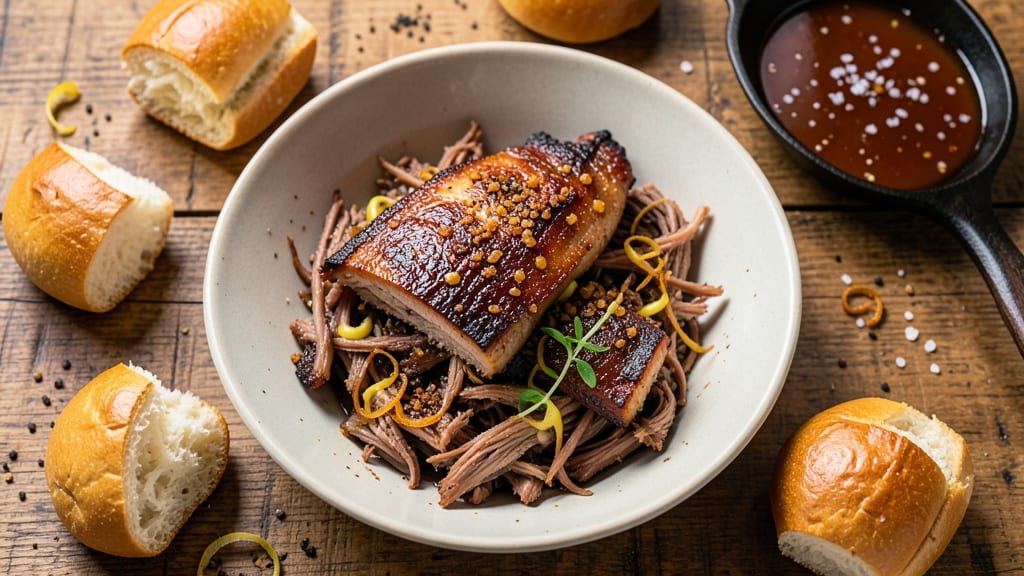
This Boston butt pulled pork smoker recipe delivers restaurant-quality results with smoky bark and tender shreds—perfect for any gathering. After years of perfecting my technique, I’ve cracked the code for achieving that ideal balance of texture and flavor without the guesswork.
The secret lies in low-and-slow smoking at 225°F until the internal temperature hits 203°F, ensuring melt-in-your-mouth perfection every time.
The process starts with a simple yet bold dry rub that clings to the meat, creating a flavorful crust while keeping the interior juicy. I’ve tested this recipe countless times, and the key is patience—letting the pork cook undisturbed for 12 hours transforms tough cuts into fall-apart tenderness.
The result? A dish that’s worth the wait, with a rich, smoky aroma that fills your entire home.
Once you’ve reached that perfect internal temperature, resting the pork for at least an hour locks in the juices, ensuring each shred is succulent. Serving it on buttered buns with tangy coleslaw or pickled jalapeños elevates it to a full meal experience.
This recipe isn’t just about the pork—it’s about creating a centerpiece that brings people together.
Whether you’re hosting a backyard BBQ or feeding a crowd, this method delivers consistent, foolproof results. The beauty of smoking lies in its simplicity: minimal effort, maximum reward. Let’s get started on your next showstopper dish.
Ingredients for boston butt pulled pork smoker
Twelve ingredients for a crowd-pleasing centerpiece—smoky, tender, and packed with flavor.
| Ingredient | Amount | Notes |
|---|---|---|
| Boston Butt Pork Shoulder 🥩 | 10 lb | Bone-in, well-marbled cut preferred |
| Yellow Mustard 🍯 | ¼ cup | For sticky rub application |
| Brown Sugar 🍚 | ½ cup | Light or dark variety works |
| Smoked Paprika 🌶️ | ¼ cup | For deep smoky flavor |
| Kosher Salt 🧂 | ¼ cup | Diamond Crystal preferred |
| Black Pepper 🌶️ | 1 tbsp | Freshly ground for best flavor |
| Garlic Powder 🧄 | 1 tbsp | Freshly ground preferred |
| Onion Powder 🧅 | 1 tbsp | For sweet depth |
| Apple Cider Vinegar 🍎 | 2 tbsp | For tenderizing and tang |
| Wood Chips 🌳 | 4 cups | Hickory or oak preferred |
| Unsalted Butter 🧈 | ½ cup | For basting and serving |
| Honey 🍯 | 2 tbsp | For glaze finish |
| Coleslaw Mix 🥬 | 8 cups | Shredded cabbage and carrots |
| Mayonnaise 🥫 | ½ cup | For creamy dressing |
| White Vinegar 🍋 | 2 tbsp | For tangy dressing |
The Boston butt pork shoulder is non-negotiable here—look for a well-marbled, bone-in cut from a trusted butcher or Costco for the best results. The hickory or oak wood chips make all the difference; Traeger or Cookshack brands are reliable. For the dry rub, Diamond Crystal kosher salt dissolves better than table salt, and smoked paprika from Penzeys adds that authentic BBQ depth. Grab a 10-pound cut for a crowd, or scale down to 5 pounds if feeding fewer people. The yellow mustard acts as a binder for the rub, so don’t skip it—it helps the spices stick to the meat.
No smoked paprika? Regular paprika plus a pinch of liquid smoke works in a pinch. Running short on apple cider vinegar? White vinegar or lemon juice will tenderize just as well. For the coleslaw, pre-shredded cabbage from the store is fine, but shredding your own with a mandoline gives better texture. The honey glaze can be adjusted—add a splash of hot sauce if you want more heat. If you’re serving this at a party, prep the coleslaw dressing ahead and store it separately to keep everything crisp. The wood chips can be reused once, but after that, they lose their punch—so buy extra if you’re smoking more than one batch.
This dish tastes even better the next day, so make it ahead if you can. Store the cooked pork in its juices in a sealed container for up to 5 days in the fridge, or freeze for 3 months. The coleslaw keeps 4 days if stored separately. For serving, warm the buns and melt extra butter on top—trust me, it’s worth the extra minute. Leftovers shred beautifully for sandwiches or tacos, and the smoke-infused juices make an amazing gravy base. Portion out the pork in stackable containers for easy transport to gatherings.
Why You'll Love This Recipe
- Foolproof Prep: I swear by this—just rub the pork shoulder with brown sugar, smoked paprika, and salt, then let the smoker do the work. No fancy techniques, no stress, and honestly? The hardest part is waiting for it to finish.
- Smoky-Sweet Magic: That yellow mustard base with a hint of brown sugar creates this perfect balance—tangy, sweet, and smoky all at once. The crust? Chef’s kiss. It’s the kind of flavor that makes people ask, “What’s in this?”
- Party in a Pan: Between us, this is my go-to for game days or lazy Sundays. Serve it on buns for sandwiches, chop it over rice, or toss it into tacos—it’s the star that never disappoints, even when I’m not feeling fancy.
Step-by-step instructions for smoky pulled pork perfection
Transform your smoker into a flavor factory with this foolproof method.
Prepare the Sticky Rub for Maximum Flavor Adhesion
In a large bowl, combine the 0.25 cup yellow mustard, 0.5 cup brown sugar, 0.25 cup smoked paprika, 0.25 cup kosher salt, 1 tbsp black pepper, 1 tbsp garlic powder, and 1 tbsp onion powder. This isn't just a dry rub - the mustard acts as a binder that creates that coveted sticky bark we all crave. Mix with your hands until thoroughly combined, pressing the spices into the mustard to create a thick, paste-like consistency.
Here's the thing - I like to add the 2 tbsp apple cider vinegar to this mixture right before applying. The acidity helps tenderize the meat while adding a subtle tang that balances the sweetness. Spread this mixture evenly over the entire surface of the 10 lb Boston Butt Pork Shoulder, including the fat cap. Press it in firmly so it adheres well - this ensures maximum flavor penetration and that perfect bark formation during smoking.
Smoke at Low Temperature for Perfect Tenderness
Set up your smoker using 4 cups hickory or oak wood chips and preheat to 225°F. The key here is maintaining a consistent temperature - I've found that anything above 230°F can start drying out the meat too quickly. Place the pork shoulder fat-side up on the smoker grate so the rendered fat can baste the meat as it cooks.
Close the lid and resist the urge to open it during the first 4 hours of cooking. Every time you peek, you lose heat and moisture. Smoke the pork for 8-10 hours total, or until the internal temperature reaches 195-203°F at the thickest part of the shoulder. You'll know it's ready when the meat is fork-tender and pulls apart easily with minimal resistance. The bark should be dark mahogany with a slightly crispy texture.
Wrap and Finish for Juicy, Shreddable Perfection
Once the pork reaches 195°F, it will hit "the stall" - that point where the temperature stops rising as moisture evaporates. This is where the 0.5 cup unsalted butter comes into play. Remove the pork from the smoker and wrap it tightly in two layers of aluminum foil. Add the butter inside the foil with the 2 tbsp honey - this creates a makeshift steamer that bastes the meat and adds rich flavor while helping it push through the stall.
Return the wrapped pork to the smoker and continue cooking until the internal temperature reaches 203°F. This final stage should take about 2-3 hours, during which the meat will become incredibly tender and begin to shred easily. The butter and honey will create a glossy finish that makes every bite irresistible. The pork should now pull apart with just a fork, yielding tender strands that practically melt in your mouth.
Shred and Assemble the Signature Sandwich
Remove the pork from the smoker and let it rest for 15-20 minutes before shredding. This resting period allows the juices to redistribute throughout the meat. Use two forks to shred the pork directly on the serving platter, discarding any large fat pieces. The meat should separate into fine, tender strands with minimal effort - this is your reward for perfect low-and-slow cooking.
For serving, toss the shredded pork with any accumulated juices from the foil packet. This creates a flavorful sauce that coats every strand. Serve on toasted buns with your choice of toppings, or pile high on a platter with the prepared coleslaw mix dressed with 0.5 cup mayonnaise and 2 tbsp white vinegar. The contrast of creamy dressing against the smoky, tender pork creates a perfect balance that makes this dish unforgettable.
Pro Tips For Making Boston Butt Pulled Pork Smoker
- Trim the Fat Patch: That thick layer of fat on the Boston butt? Don’t fight it—score it in a crosshatch pattern with a sharp knife. It renders faster and keeps the meat juicy, especially when you’re dealing with a 10-pound roast that needs consistent heat distribution.
- Mustard First, Then Rub: Slather that yellow mustard on before applying your dry rub. It sticks to the meat like glue, helping the salt, paprika, and brown sugar cling instead of sliding off—no wasted seasoning, no dry spots. (Yes, even if you’re impatient like me.)
- Probe the Thickest Part: Your thermometer should go into the deepest part of the meat, not the edge. The Boston butt’s thickest section (usually near the bone) is where it’ll hit 203°F last—ignore it, and you’ll either overcook the outside or undercook the center. No second chances here.
- Wrap at 160°F: Once the smoker hits 160°F, wrap the butt in butcher paper or foil—tightly. This traps steam, breaks down collagen faster, and gives you that melt-in-your-mouth texture without drying it out. (I learned this the hard way after a tough, chewy first attempt.)
Troubleshooting your boston butt pulled pork smoker
Smoker Temp Fluctuations
Your smoker's temperature can jump from 225°F to 250°F if the door opens too often or wood chips burn too quickly. I've seen this happen when using green wood chips that haven't been properly seasoned. The fix?
Use pre-seasoned wood chips from Traeger or Cookshack, and keep a water pan in the smoker to stabilize humidity. I also recommend a digital thermometer like the Meater to monitor temps in real-time. 🌡️
Uneven Bark Formation
If one side of your pork develops a thick bark while the other stays pale, you're likely dealing with uneven heat distribution. This often happens in offset smokers where the heat source isn't properly balanced. The solution?
Rotate your pork every 2 hours using tongs to expose all sides to the heat. For electric smokers, rearrange the wood chips to create more even airflow. I also find that using a wire rack instead of direct grates helps with better heat circulation.
Meat Sticking to Grates
When pork sticks to the grates, it's usually because the fat cap hasn't rendered properly or the grates are too clean. I've learned the hard way that lightly oiling the grates with high-smoke-point oil before smoking prevents sticking.
For stubborn cases, use a spatula to gently lift the meat while it's still warm. Another trick? Place the pork fat-side down on the grates for the first hour to help render the fat first.
If you're using a charcoal smoker, make sure the coals are evenly distributed to prevent hot spots.
Pork Not Shredding Properly
If your pork isn't pulling apart easily at 203°F, it likely didn't cook long enough or was too lean. I've found that bone-in cuts with good marbling reach the perfect tenderness faster. For tougher cuts, extend the cooking time to 14 hours total.
The wrap method with butter and honey is crucial here - it adds moisture and helps break down collagen. If you're still struggling, try adding 1 cup apple juice to the wrap instead of just butter for extra tenderness. 💪
Dry, Tough Meat
Dry pulled pork usually means the smoker was too hot or the meat was exposed to too much air. To prevent this, maintain a consistent 225°F temperature and use the wrap method once the pork hits 195°F.
I've also had success using a meat probe to monitor internal temps more accurately than surface readings. If your pork starts looking dry during cooking, spritz it with apple juice every 2 hours to add moisture.
For electric smokers, check that the fan is working properly to maintain even heat distribution.
Stall Lasting Too Long
The stall can drag on for 3-4 hours if your pork isn't properly wrapped or the smoker isn't humid enough. The solution is simple: wrap the pork in two layers of heavy-duty foil (not aluminum) with ½ cup beef broth inside.
This creates a steam environment that helps push through the stall faster. I've also had luck using a water pan in the smoker to increase humidity. Once wrapped, the pork should climb to 203°F in about 2-3 hours. 💡
Nutrition facts
Frequently asked questions
Can I use a different cut of pork instead of Boston butt?
While Boston butt is ideal, you can use pork shoulder or picnic roast as substitutes. These cuts have similar fat content and collagen structure, though Boston butt typically has slightly more marbling. For best results, stick with bone-in cuts weighing at least 5 pounds to ensure proper tenderness.
How do I know when the pork is fully cooked?
Use a meat thermometer to check the internal temperature at the thickest part of the shoulder. The pork is done when it reaches 203°F. The meat should pull apart easily with minimal resistance when probed with a fork or meat skewer. The bark should be dark mahogany with a slightly crispy texture.
What's the best way to store leftover pulled pork?
Store cooked pulled pork in its juices in an airtight container in the refrigerator for up to 5 days. For longer storage, freeze it for up to 3 months. The pork tastes even better the next day as the flavors meld together. When reheating, use a skillet with a splash of broth or water to keep it moist.
Can I make this recipe in an oven instead of a smoker?
Yes, but you'll need to adapt the method. Cook the pork at 275°F in an oven-safe roasting pan with a water pan underneath. It will take about 6-8 hours to reach 203°F. For smoky flavor, add wood chips to a foil packet and place it near the meat. The bark won't be as pronounced, but the tenderness will be excellent.
What are some creative ways to serve this pulled pork?
Beyond classic sandwiches, try serving it in tacos with pickled onions, on loaded baked potatoes, or as a filling for stuffed peppers. The pork also makes amazing pulled pork mac and cheese or can be used as a topping for loaded fries. For a Southern twist, serve it with cornbread and collard greens. The possibilities are endless!