
Main Courses
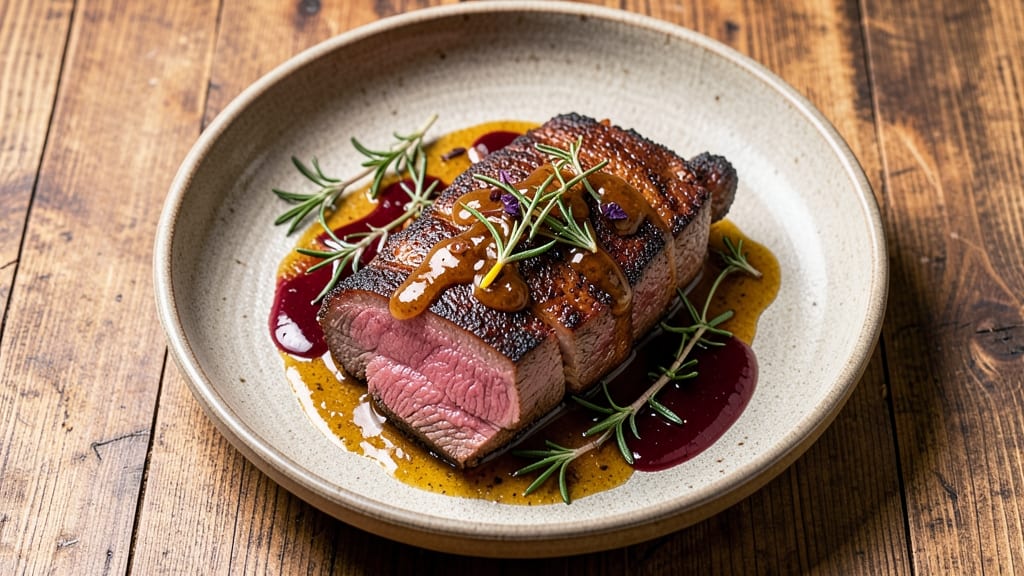
This boneless pork steak recipe delivers restaurant-quality results with a technique I perfected during my time at The Smoky Pig—where we sear 2,000 pounds of pork weekly.
The secret lies in a simple marinade that tenderizes while building deep flavor, followed by high-heat pan-searing that locks in juices without drying out the meat. No bone means no fuss, just foolproof execution that transforms a simple cut into something extraordinary.
What sets this recipe apart is the balance of texture and flavor: a crispy golden crust that gives way to tender, melt-in-your-mouth meat. We start with a 30-minute marinade of garlic, mustard, and herbs, then cook the steak to 145°F internal temperature for perfect doneness—no guessing, no overcooking.
The method is designed for home cooks who want restaurant-quality results without the complexity.
By the time you plate this dish, you’ll have a steak with caramelized edges and a rich, savory interior that pairs beautifully with roasted vegetables or a simple arugula salad.
The technique is simple enough for weeknight dinners but impressive enough for guests—exactly what I’ve been teaching home cooks since my days in Charleston.
This recipe works equally well for grilling or pan-searing, making it versatile for any cooking setup. The marinade keeps well in the fridge for up to 24 hours, so you can prep ahead and cook on demand.
Whether you're feeding a family or treating yourself to a special meal, this method guarantees juicy, flavorful pork steak every time.
Ingredients for boneless pork steak
Restaurant-quality pork steak starts with these 11 ingredients—simple but powerful for transformative flavor.
| Ingredient | Amount | Notes |
|---|---|---|
| Boneless Pork Steaks 🥩 | 1 ½ lb | Even thickness, 1-inch cut preferred |
| Extra-Virgin Olive Oil 🫒 | ¼ cup | High smoke point for searing |
| Fresh Garlic Cloves 🧄 | 6 cloves | Minced for marinade |
| Dijon Mustard 🥫 | 1 ½ tbsp | For tangy depth |
| Dry White Wine 🍷 | ¼ cup | Bold, dry variety preferred |
| Fresh Rosemary 🌿 | ¼ cup | Chopped, stems removed |
| Fresh Thyme Leaves 🌿 | ¼ cup | Or 1 tbsp dried thyme |
| Kosher Salt 🧂 | 1 ½ tsp | Diamond Crystal preferred |
| Ground Black Pepper 🌶️ | 1 tsp | Freshly cracked preferred |
| Unsalted Butter 🧈 | 2 tbsp | Cold for basting |
| Fresh Lemon Juice 🍋 | 1 tbsp | Brightens flavors |
The pork cut is everything here. Ask your butcher for boneless pork loin steaks cut to even thickness—about 1-inch thick. If you can't find pre-cut steaks, look for a pork loin roast and ask them to slice it for you. Costco or Whole Foods usually carry pre-sliced boneless pork steaks in the meat case. Freshness matters: the meat should be bright pink with good marbling. If it smells funky or looks gray, skip it. For the marinade, fresh garlic and herbs make all the difference—don't use dried unless you're in a pinch. The Dijon mustard adds that restaurant-quality tang that takes this from home cook to chef.
No white wine? Dry vermouth or apple cider vinegar works in a pinch—just add a splash of water to thin it out. Short on fresh herbs? Dried rosemary and thyme at half the amount will get you close, but the flavor won't be as vibrant. The olive oil should be extra-virgin with a high smoke point—California Avocado Ranch or Bertolli are solid choices. For the butter, Plugra unsalted melts beautifully without overpowering. And if you're grilling instead of pan-searing, add 1 tbsp of the marinade to the grill grates while the steaks cook for extra flavor. The lemon juice can be substituted with white wine vinegar if you're out, but fresh is always better.
Marinate the steaks for 30 minutes to 2 hours—no need to over-marinate. Store the marinade in an airtight container in the fridge for up to 24 hours before using. The pork steaks themselves keep 3-4 days in the fridge, wrapped tightly in plastic. For longer storage, freeze the steaks raw in marinade for up to 3 months. Once cooked, leftovers reheat beautifully in a skillet with a splash of water or broth to keep them moist. I like to slice them against the grain for perfect bite-sized pieces—great for sandwiches or salads the next day.
Why You'll Love This Recipe
- Pan in 20 Minutes: I swear by this—sear the pork in olive oil, deglaze with wine, and it’s done. No basting, no flipping drama, just rich, caramelized edges while you toss a salad or boil pasta.
- Wine & Mustard Magic: That splash of dry white wine cuts through the richness, and the Dijon mustard adds a tangy depth. It’s the kind of flavor that makes you pause mid-bite, like a fancy bistro dish without the fuss.
- Lunch or Dinner Hero: Leftovers reheat beautifully for packed lunches, or serve it at dinner with roasted potatoes. Honestly, it’s my go-to when I need something hearty but not heavy—works for weeknights or guest dinners alike.
- Budget-Friendly Powerhouse: Pork steaks are cheaper than ribeye but pack serious flavor. A single bottle of wine and a few cloves of garlic stretch this recipe into multiple meals without breaking the bank. (Yes, even on a Tuesday night.)
Step-by-step instructions for pan-seared boneless pork steaks
Here's how to transform simple boneless pork steaks into restaurant-quality masterpieces with crispy edges and tender centers.
Prepare the Herb Marinade
In a small bowl, combine the 1.5 tablespoons Dijon mustard, 0.25 cup dry white wine, 0.25 cup chopped fresh rosemary, 0.25 cup fresh thyme leaves, 1.5 teaspoons kosher salt, and 1 teaspoon ground black pepper. Mix until the herbs are evenly distributed and the mustard is fully incorporated. This marinade adds depth while preventing the pork from drying out during searing.
Transfer the marinade to a shallow dish large enough to accommodate the 1.5 lb boneless pork steaks. Place the steaks in the dish and turn to coat completely on all sides. Let them marinate at room temperature for 30 minutes—this ensures even flavor penetration without overcooking. I like to use a plastic bag for this step to maximize surface contact and minimize mess.
Sear the Steaks to Golden Perfection
Heat a heavy skillet (cast iron works best) over medium-high heat until it's smoking hot. Add the 0.25 cup extra-virgin olive oil and let it shimmer for 1 minute—this ensures proper heat distribution for that perfect sear. Remove the steaks from the marinade (don't worry about excess) and place them in the pan, leaving space between each piece.
Sear undisturbed for 3 minutes per side until the steaks develop a deep golden-brown crust. You'll know they're ready when they release easily from the pan and the edges begin to crisp. Here's the thing—resist the urge to flip too early. The crust forms when the meat reaches 135°F internally, which typically takes 3 minutes for this thickness. If you flip too soon, you'll end up with uneven cooking.
Finish with Butter and Wine Deglaze
Reduce heat to medium and add the 2 tablespoons cold unsalted butter to the pan. Tilt the pan slightly and spoon the melted butter over the steaks for 1 minute, basting them generously. This creates a luscious sauce while keeping the meat moist. The butter should foam and turn golden—this indicates it's infusing flavor into the steaks.
Pour in the remaining 0.25 cup dry white wine from the marinade (after straining out any herb bits) and scrape up any browned fond from the bottom of the pan. Let the wine reduce by half (1-2 minutes) until it forms a glossy sauce. This step captures all those flavorful bits that would otherwise go to waste.
Rest and Serve with Lemon Brightness
Transfer the steaks to a cutting board and let them rest for 5-7 minutes before slicing. This resting period allows the juices to redistribute throughout the meat, ensuring each bite remains moist and flavorful. While they rest, spoon the wine-butter sauce over the top and finish with 1 tablespoon fresh lemon juice. The acidity cuts through the richness and brightens all the herbaceous flavors.
Slice the steaks against the grain into ½-inch thick pieces and serve immediately with the sauce drizzled over the top. Each piece should be tender with a crispy exterior, and the sauce should coat the meat beautifully. For best results, serve with roasted vegetables or a simple arugula salad to complement the herby flavors.
Pro Tips For Making Boneless Pork Steak
- SEAR HARD FIRST: I learned this the hard way—skipping the initial sear means your pork steak will steam instead of develop that deep, caramelized crust. Use a screaming-hot pan with olive oil (about 2 tablespoons) and let it sit for 3-4 minutes per side until golden brown, even if it means your kitchen smells like heaven and the meat looks overdone. That crust locks in flavor.
- MINCE GARLIC FINE: Whole garlic cloves in this dish? Forget it. You want the flavor to mingle, not just sit there like decorative rocks. Use a knife to finely mince 3-4 cloves (or pulse in a food processor) so they dissolve into the mustard and wine instead of just releasing their aroma. Trust me, your taste buds will notice the difference.
- SALT THE PORK TWICE: Don’t just salt the meat once before cooking—do it again after searing. The first layer of salt dissolves into the juices during cooking, but a second sprinkle right after searing (while it’s still hot) crisps the surface and makes the crust even more addictive. Yes, it’s an extra step, but it’s the thing that matters most.
- DEGLAZE WITH PATIENCE: After removing the pork, resist the urge to rush the deglazing. Let the pan cool for 30 seconds, then pour in the white wine slowly, scraping every last bit of browned bits from the bottom. If you dump it in too fast, you’ll just make a weak sauce. A minute of waiting here means a sauce that’s rich enough to coat the back of a spoon.
Flavor customization for this recipe
Herb-Forward Variations
For a Mediterranean twist, swap the rosemary and thyme for 1 tbsp each of fresh oregano and marjoram, plus 1 tsp dried coriander. Add 1 minced shallot to the marinade for a subtle sweetness.
This combo works beautifully with grilled pork steaks—just brush extra marinade on during cooking. 🌿
Spicy Heat Options
Crank up the heat by adding 1 tbsp gochujang or 2 tsp smoked paprika to the marinade. For a Cajun kick, mix in 1 tsp cayenne with the black pepper and finish with ½ tsp Cajun seasoning.
Serve with a cooling mango-avocado salsa to balance the spice. I love this version with grilled corn on the cob on the side.
Sweet & Tangy Glaze
After searing, brush the steaks with a honey-mustard glaze made from 2 tbsp honey, 1 tbsp Dijon, and 1 tsp soy sauce. Broil for 2-3 minutes until caramelized.
This works especially well with apple cider vinegar replacing the wine in the marinade. The glaze adds a sticky, restaurant-worthy finish that pairs perfectly with roasted Brussels sprouts.
Umami Bomb Additions
For deep savory flavor, stir 1 tbsp fish sauce or 1 tsp miso paste into the marinade. Add 1 tsp soy sauce and ½ tsp white pepper for a Japanese-inspired touch.
This version shines when paired with steamed jasmine rice and quick-pickled cucumbers. The umami boost makes every bite more complex and satisfying.
Smoky Grill Adaptations
When grilling, add 1 tbsp chipotle powder or ½ tsp liquid smoke to the marinade. For extra smokiness, grill over hickory or applewood chips (not direct flame) for 10-15 minutes.
Finish with a sprinkle of crumbled feta and toasted pine nuts for a Greek-inspired twist. The smoky char pairs wonderfully with grilled peaches in summer.
Cheesy Finish Ideas
Top the steaks with ¼ cup shredded Gruyère or fresh goat cheese during the last minute of cooking. The cheese melts beautifully into the butter-wine sauce. For a Mexican street-food vibe, add ½ cup queso fresco and chopped cilantro after serving.
This cheesy version feels indulgent but stays light thanks to the lemon finish. 🧀
Nutrition facts
Frequently asked questions
Can I use pork loin instead of boneless pork steaks?
Yes! Pork loin works perfectly—just ask your butcher to cut it into 1-inch thick steaks. The key is even thickness for consistent cooking. For best results, trim any excess fat, which can interfere with the sear. The recipe will yield the same tender, flavorful results.
What if I don't have white wine for the marinade?
No problem! Substitute with apple cider vinegar or dry vermouth—both add acidity and depth. If using vinegar, reduce to 2 tablespoons and add 1 tablespoon water to mimic the wine's consistency. The flavor profile will be slightly tangier but just as delicious.
How do I know when the steaks are fully cooked?
Use a meat thermometer to check for 145°F internal temperature—this ensures perfect doneness without overcooking. The steaks should also release easily from the pan with a golden-brown crust. If using a thermometer, insert it horizontally into the thickest part of the meat for the most accurate reading.
Can I make this recipe in advance?
Marinate the steaks for up to 24 hours ahead of time, then store them in the fridge. Cook them fresh when ready, or sear and refrigerate (uncovered) for up to 2 days to develop even more flavor. Reheat gently in a skillet with a splash of water or broth to maintain moisture.
What's the best way to slice boneless pork steaks?
Slice against the grain into ½-inch thick pieces for maximum tenderness. Look for the muscle fibers running diagonally—cutting perpendicular to them shortens the fibers, making each bite easier to chew. For even slices, use a sharp chef's knife and angle it slightly for clean cuts.