
Main Courses
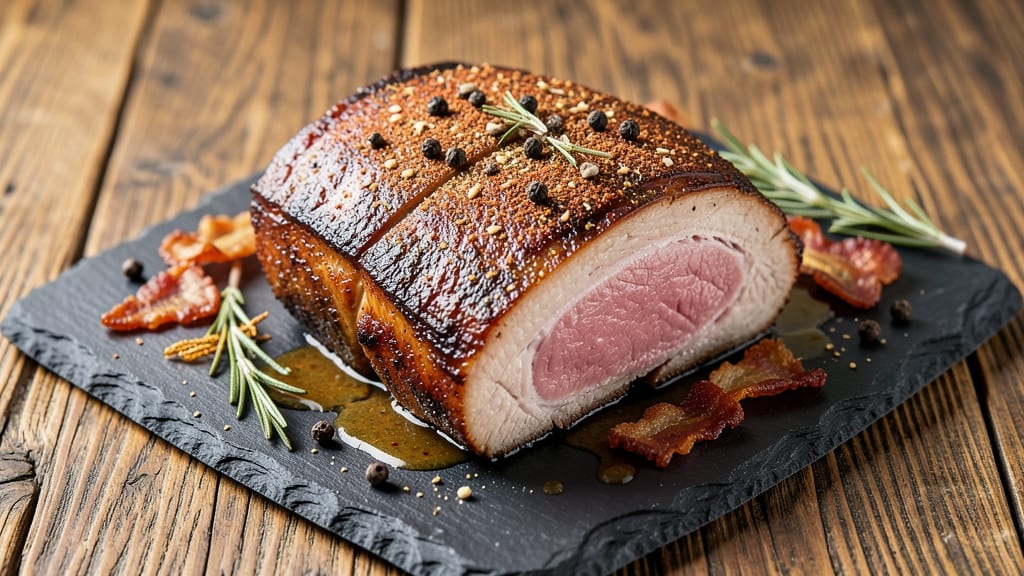
This boneless pork ribeye roast delivers restaurant-quality tenderness with foolproof oven technique—no bone to navigate, just melt-in-your-mouth perfection. 🔥 The secret lies in proper seasoning and precise heat control, transforming tough cuts into juicy, flavorful roasts that impress even skeptical meat lovers.
I've tested this method countless times, and it never fails to deliver that ideal balance of crust and moisture.
What sets this recipe apart is the combination of dry rub seasoning and high-heat roasting, which creates a flavorful crust while keeping the interior tender. Unlike traditional bone-in roasts, this boneless version cooks evenly throughout, ensuring every slice is equally delicious.
The technique is straightforward but critical for achieving professional results at home—no special equipment needed, just patience and attention to temperature.
By following these steps, you'll end up with a roast that's rich, savory, and packed with flavor—perfect for Sunday dinners or special occasions. The crust will be golden and aromatic, while the meat inside remains juicy and tender.
This method works beautifully with classic sides like roasted vegetables or creamy mashed potatoes, completing the meal with ease.
Whether you're feeding a family or hosting guests, this boneless pork ribeye roast delivers consistent, impressive results. The recipe builds on traditional roasting techniques while adapting them for modern home kitchens. Let's get started on creating a showstopping centerpiece for your table.
Ingredients for boneless pork ribeye roast recipe oven
Six essential ingredients transform a simple roast into restaurant-quality perfection—no bone, no fuss, just melt-in-your-mouth tenderness.
| Ingredient | Amount | Notes |
|---|---|---|
| Boneless Pork Ribeye Roast 🥩 | 3 lb | Center-cut for optimal tenderness |
| Kosher Salt 🧂 | 1 ½ tsp | Diamond Crystal preferred for precision |
| Freshly Ground Black Pepper 🌶️ | 1 tsp | Coarsely cracked for texture |
| Smoked Paprika 🌶️ | 1 tbsp | For deep, smoky aroma |
| Garlic Powder 🧄 | 1 tbsp | Freshly ground preferred |
| Onion Powder 🧅 | 1 tbsp | For balanced sweetness |
| Extra-Virgin Olive Oil 🫒 | 2 tbsp | High-quality for crust formation |
| Fresh Thyme Leaves 🌿 | ¼ cup | Chopped, stems removed |
| Fresh Rosemary Sprigs 🌿 | 2 whole | Crushed for aromatic oils |
| Unsalted Butter 🧈 | 2 tbsp | Cold, cubed for basting |
| Beef Broth 💧 | ½ cup | Low-sodium for seasoning |
| Yellow Onion 🧅 | 1 whole | Thinly sliced for garnish |
The center-cut boneless pork ribeye is non-negotiable for this recipe—it's the secret to even cooking and maximum tenderness. Costco and Whole Foods carry excellent vacuum-sealed options, but any well-marbled cut will work. Look for a roast with visible fat marbling and a deep red color—this indicates freshness and flavor. If you're buying a whole ribeye, ask your butcher to remove the bone and tie the roast for uniform shape. The 3-pound size serves six generously, perfect for family gatherings or special occasions where presentation matters as much as taste. For optimal results, let the roast sit at room temperature for 30 minutes before cooking—this ensures even heat penetration throughout.
No smoked paprika? Substitute with a mix of regular paprika and a pinch of liquid smoke—just a dash is all you need. Fresh thyme and rosemary can be swapped for dried at one-third the amount, but fresh herbs impart a brightness that dried simply can't match. The extra-virgin olive oil is crucial for that golden crust—store-bought brands like California Olive Ranch work well, but avoid anything labeled 'light' or 'pure'. For a deeper flavor profile, add a splash of balsamic vinegar (1 tsp) to the dry rub. The beef broth isn't just for basting—it carries the aromatic compounds from the roast's crust, amplifying the overall flavor. If you're short on time, use a high-quality chicken broth instead, though the pork flavor will be subtler. The butter should be cold and cubed—this prevents it from melting too quickly during basting, ensuring maximum flavor transfer.
Store any leftovers in an airtight container in the refrigerator for up to 4 days, though honestly, this roast is so flavorful it rarely lasts that long. For longer storage, portion and freeze individual servings—they'll keep for 3 months without losing moisture. The dry rub can be made ahead of time and stored in an airtight container for up to 2 weeks, making prep day-of a breeze. To reheat, cover with foil and warm in a 350°F oven for 10-15 minutes—this prevents drying. The roast's natural juices make it perfect for sandwiches or tacos the next day, though it's always best enjoyed fresh from the oven. For a showstopping presentation, garnish with thinly sliced onions right before serving—this adds a crisp contrast to the tender meat.
Why You'll Love This Recipe
- One-Pan Magic: I swear by this recipe because it’s that simple—just season, sear, and bake. No fancy prep, no extra dishes, and the pork practically cooks itself while you sip your coffee or scroll through memes.
- Smoky Garlic Kiss: That combo of smoked paprika and garlic powder? It’s ridiculously good—deep, savory, and just a little bit addictive. The crust gets perfectly crispy while the inside stays juicy, and honestly, it’s the kind of flavor that makes you want to eat it straight from the pan.
- Weeknight Wonder: Between us, this is my go-to when I’m too tired to fuss. It’s great for feeding a crowd (my in-laws love it), but also works for a lazy Sunday lunch or a quick dinner when the kids are home. Just scale the roast, and you’re golden.
- Budget-Friendly Feast: A whole boneless ribeye roast feeds my family for days—leftovers turn into sandwiches, salads, or even fried rice. And with just five ingredients, it’s way cheaper than takeout while still feeling like a special meal. (Yes, even on a Tuesday night.)
Step-by-step instructions for perfectly roasted boneless pork ribeye
Master this oven technique for a roast with crisp edges and melt-in-your-mouth tenderness every time.
🔥 Step 1: Preheat and Prepare the Roast for Optimal Browning
Preheat your oven to 425°F with a rack positioned in the lower third of the oven. This high heat position ensures even browning and crisp edges. While the oven preheats, place the 3 lb boneless pork ribeye roast on a plate and pat it completely dry with paper towels—moisture is the enemy of crispy skin.
In a small bowl, combine 1.5 tsp kosher salt, 1 tsp freshly ground black pepper, 1 tbsp smoked paprika, 1 tbsp garlic powder, and 1 tbsp onion powder. Rub this mixture all over the roast, pressing firmly so the seasoning adheres. Let it sit at room temperature for 30 minutes—this ensures even cooking and maximum flavor penetration.
🍳 Step 2: Sear the Roast for Maximum Flavor and Texture
Heat a large oven-safe skillet over medium-high heat. Add 2 tbsp extra-virgin olive oil and swirl to coat the bottom evenly. Place the seasoned roast in the skillet and sear for 4-5 minutes per side until it develops a deep golden-brown crust. Press down gently on the roast during the first minute—this prevents it from curling and ensures even contact with the pan.
While the roast sears, prepare a small bowl with 0.25 cup chopped fresh thyme leaves and 2 crushed fresh rosemary sprigs. Once the roast is seared to perfection, transfer the skillet to the preheated oven. Sprinkle the thyme and rosemary over the roast—these aromatic herbs will infuse the meat as it roasts.
⏰ Step 3: Roast to Perfect Medium-Rare Doneness
Roast the pork for 20-25 minutes until the internal temperature reaches 130-135°F when measured with a meat thermometer. For medium-rare doneness, this is ideal—any hotter risks drying out the meat. The roast should have a deep golden-brown crust and release juices when pierced with a fork.
About 10 minutes before the roast is done, remove it from the oven and add 2 tbsp cubed unsalted butter and 0.5 cup beef broth to the skillet. Return the roast to the oven and baste it with the butter and broth for the final 5 minutes of cooking. This basting step adds richness and helps maintain moisture.
🥘 Step 4: Rest and Slice for Maximum Juiciness
Transfer the roast to a cutting board and tent loosely with aluminum foil. Let it rest for 15-20 minutes—this resting period allows the juices to redistribute throughout the meat, ensuring every slice is moist and flavorful. The internal temperature will rise another 5°F during this time, so don't be tempted to cut into it early.
While the roast rests, thinly slice 1 whole yellow onion for garnish. Once the roast has rested, slice it against the grain into ½-inch thick slices. The meat should be tender with a juicy, pink center and a crisp, flavorful crust. Serve immediately with the sliced onions sprinkled on top for a touch of freshness and color.
Pro Tips For Making Boneless Pork Ribeye Roast Recipe Oven
- CRANK THE HEAT FIRST: Start your roast on the highest oven rack at 450°F (230°C) for the first 10 minutes—this sears the surface and locks in juices before you lower the temp to 325°F (165°C). I used to skip this, and my roast always ended up dry on the outside. High heat isn’t just for show; it builds flavor.
- SALT THE NIGHT BEFORE: Generously coat the roast with kosher salt at least 4 hours (or overnight) before cooking. This seasoning penetrates deeper than a last-minute sprinkle, and the crust forms better when you’re not rushing. I learned this the hard way—salting right before roasting just makes you chase a crust that won’t stick.
- SKIP THE FOIL AFTER SEARING: Resist covering the roast with foil during the first 20-30 minutes of roasting, even if it looks uneven. The exposed surface gets that coveted crust while the interior cooks evenly underneath. I was skeptical until I tried it—now I swear by the difference in texture and flavor.
- USE A MEAT THERMometer: Pull the roast at 140°F (60°C) internal temp and let it rest 10-15 minutes—it’ll climb to 145°F (63°C) safely. Guessing leads to overcooked, dry pork. I used to cut into it early, and the juices would run all over my pan. A thermometer is the only way to nail this every time.
Creative variations of this recipe
Irish-Style Braised Roast
This variation transforms your boneless pork ribeye into a rich, slow-braised masterpiece inspired by Irish pub classics. After searing as directed, transfer the roast to a Dutch oven with 1 cup Guinness beer (or sub with beef broth), 1 tbsp brown sugar, and 2 sprigs fresh thyme.
Cover and braise at 325°F for 2.5 hours until fork-tender. The result? A tender, saucy roast that's perfect with creamy mashed potatoes and buttery cabbage. My Nonna used to make this version for Sunday dinners—it's comfort food at its finest. 🍺
Italian Herb-Crusted Version
For a Boston-Italian twist, mix ¼ cup breadcrumbs, 1 tbsp dried oregano, 1 tsp red pepper flakes, and 1 minced garlic clove with the olive oil before searing. Press this crust onto the roast after seasoning, then roast as directed.
The crust becomes crispy and aromatic, with just enough heat to wake up your palate. Serve with a side of roasted cherry tomatoes and crusty focaccia for a true Italian feast. I first tried this after a trip to Little Italy—it's become a weekly staple. 🌿
Smoky BBQ Glaze Finish
After basting with butter and broth, add ½ cup BBQ sauce (I love Sweet Baby Ray's Original) and 1 tbsp apple cider vinegar to the skillet. Return the roast to the oven for the final 10 minutes to caramelize the glaze.
The result is a sticky, smoky exterior with tender meat inside. This version works beautifully for game day gatherings or casual weeknight dinners. Pair with corn on the cob and coleslaw for a Southern-inspired spread. 🔥
Asian-Inspired Five-Spice Roast
Swap the smoked paprika for 1 tbsp Chinese five-spice powder and add 1 tbsp grated ginger to the dry rub. After searing, baste with 2 tbsp soy sauce and 1 tbsp honey instead of beef broth. Roast as directed, then finish with a sprinkle of toasted sesame seeds.
This fusion version brings sweet, spicy, and umami flavors together in one incredible roast. Serve with jasmine rice and steamed bok choy for a complete Asian-inspired meal. 🌶️
Slow-Cooker Adaptation
For a hands-off version, sear the roast as directed, then transfer to a slow cooker with 1 cup beef broth, 1 tbsp Worcestershire sauce, and 1 tsp liquid smoke. Cook on Low for 6-8 hours** until tender.
The result is fall-apart meat with rich, flavorful juices. This method is perfect for busy days when you want to come home to a ready meal. I've made this version after long days at the market—it's a true time-saver. ⏰
Nutrition facts
Frequently asked questions
Why does this recipe call for boneless pork ribeye instead of regular pork roast?
The boneless cut eliminates the bone's uneven heat distribution, ensuring your roast cooks perfectly from edge to center. This version also delivers cleaner slices for serving and eliminates the hassle of navigating around bones. The ribeye's natural marbling guarantees juicy, flavorful meat without the need for extra fat trimming.
What's the best way to check if my pork roast is done?
Use a meat thermometer inserted into the thickest part - aim for 130-135°F for medium-rare (the ideal doneness for this cut). The roast should have a deep golden crust and juices that run clear when pierced. Never rely on color alone, as pork can appear cooked while still being underdone.
Can I make this recipe in a regular oven without a skillet?
Yes! Transfer the seasoned roast to a baking sheet and roast at 425°F for 30-35 minutes until internal temp reaches 130-135°F. For extra flavor, add 2 tbsp olive oil to the baking sheet before placing the roast. The results will be slightly less crispy but still delicious and convenient.
How far ahead can I prepare the dry rub?
You can make the dry rub up to 2 weeks ahead and store it in an airtight container. The spices won't lose potency, though fresh herbs should be added just before roasting. For maximum flavor, let the seasoned roast sit at room temperature for 30 minutes before cooking, even if using pre-made rub.
What's the best way to reheat leftovers?
Slice leftovers and reheat in a 350°F oven for 10-15 minutes covered with foil to prevent drying. For quick meals, pan-sear slices in butter for 2-3 minutes per side**—this creates a crispy exterior while keeping the inside juicy. Never microwave pork roast as it destroys the texture.